
Quick Answer for Gulf Visitors
What is Mardin? — A stone city in southeastern Turkey overlooking the Mesopotamian plains, where locals speak Arabic alongside Turkish and Kurdish. Its icons are the old town, Deyrulzafaran Monastery, and Zinciriye Medrese.
How much does the trip cost? — 3 days for a family: $800-1,500; 5 days: $1,500-3,000, covering stone-house stays, tours, and food without international flights.
When is the best time to visit? — Spring from March to May and autumn from September to November: mild weather and ideal photography light, while summer is hot and winter cold.
Comprehensive Introduction
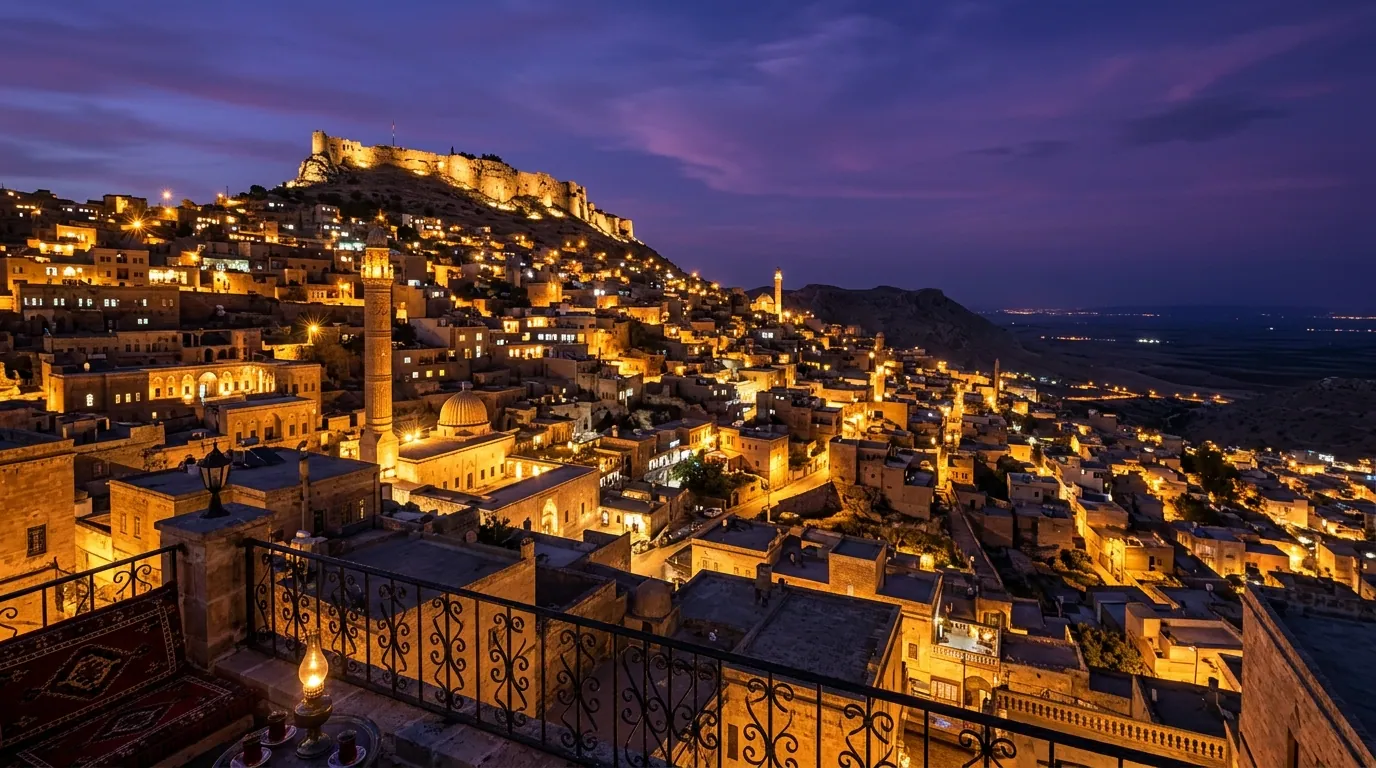
Mardin — the honey-stone city perched on a hill overlooking the Mesopotamian plains of southeastern Turkey. The city is known for its carved stone houses, alleys where minarets and church towers have stood side by side for centuries, and its unique mix of Arab, Kurdish, and Syriac communities. Gulf travelers reach it via a short domestic connection through Istanbul and find a completely different face of Turkey: calm, eastern, cheaper than the big cities, and with many locals still speaking Arabic.
Mardin Highlights for Arab Travelers
Location and Climate
Mardin sits on a rocky terrace in southeastern Turkey above the Mesopotamian plains, its airport 20 kilometers from the center. The climate is dry continental: summers pass 35 degrees and winters run 5-15 with occasional light snow. Spring (March-May) and autumn (September-November) are the best windows, when days are mild and evenings lovely on the stone balconies.
Main Sights
The essentials: the old town with its stone alleys and bazaars, the 12th-century Great Mosque, Zinciriye Medrese with its panoramic terrace, Kasimiye Medrese with its courtyard open to the plain, Deyrulzafaran Monastery 5 kilometers out, and ancient Dara to the south. The city itself is covered on foot in one full day; the farther sights need half-day tours.
Stays and Getting Around
The authentic stay is a restored stone house turned boutique hotel, priced $30-200 a night by category. Everything inside the old town is walkable, and for Dara, Midyat, and Hasankeyf the best formula is a private car with driver collecting you at the hotel door.
Mardin vs Istanbul vs Trabzon: Quick Comparison
| Criterion | Mardin | Istanbul | Trabzon |
|---|---|---|---|
| Character | History and eastern culture | World city and shopping | Nature and greenery |
| Arabic spoken | Widespread in the bazaars | Limited | Very limited |
| Family cost per day | $150-350 | $250-600 | $200-450 |
| Best season | Spring and autumn | April-May, September | June-September |
| Best for | A second, cultural trip | A first visit to Turkey | A cool mountain summer |
Practical Tips for Gulf Visitors
Tips for Gulf Visitors from Saudi Arabia and UAE
- Carry some Turkish lira for small payments in the bazaars and local restaurants; cards work better in hotels and established restaurants than in the alleys
- Keep a passport photo on your phone; some monuments ask for ID at the entrance
- Download offline maps of the region; the mobile network is good but deep alleys can weaken the signal
- Useful Turkish words: Merhaba (hello), Tesekkurler (thank you), Evet (yes), Hayir (no) — though Arabic works in the bazaars anyway
- Ask for telkari filigree silver in the silversmiths' bazaar; calm bargaining is part of the ritual
Family Tips
- Book stone houses 4-6 weeks ahead for spring and autumn; rooms are few and in demand
- Request adjoining or connecting rooms early; most heritage houses have small rooms
- The stepped stone lanes are hard on strollers; a back carrier is far easier
- Plan a morning outing and an afternoon rest — the city's own rhythm in heat and cold
- Neighborhood restaurants are cheaper than terrace-view ones; alternate to balance budget and experience
Budget Tips
- Eat lunch (cheaper than dinner) at neighborhood spots away from the view terraces
- Use taxis only for longer hops; the old town itself is fully walkable
- The leading sights are free or symbolic: the Great Mosque, bazaars, and viewpoints charge nothing
- Buy gifts in the folk bazaars rather than hotel shops
- Winter (November-February) brings noticeable discounts on stone-house stays
Practical Info for Gulf Visitors
| Item | Details | Note for Gulf Visitors |
|---|---|---|
| Currency | Turkish Lira (TRY) | 1 USD ≈ 38-40 TRY (2026) |
| Calling Code | +90 | To call Turkey |
| Emergency | 112 (police, ambulance, fire) | Free from any phone |
| Language | Turkish officially | Arabic understood in bazaars; Kurdish widespread |
| Time | UTC+3 (TRT) | Same as Saudi Arabia, Kuwait, and Qatar |
| Electricity | Type C/F | 220V, 50Hz (like the Gulf) |
| Water | Bottled preferred | Always |
| Insurance | Highly recommended | $30-100/person |
| Prayer | Mosques in every district | The Great Mosque is the icon |
| Halal Food | Easily available | Virtually all restaurants |
| Prayer Times | 5 times daily | Adhan apps or ask reception |
Mardin History in Brief
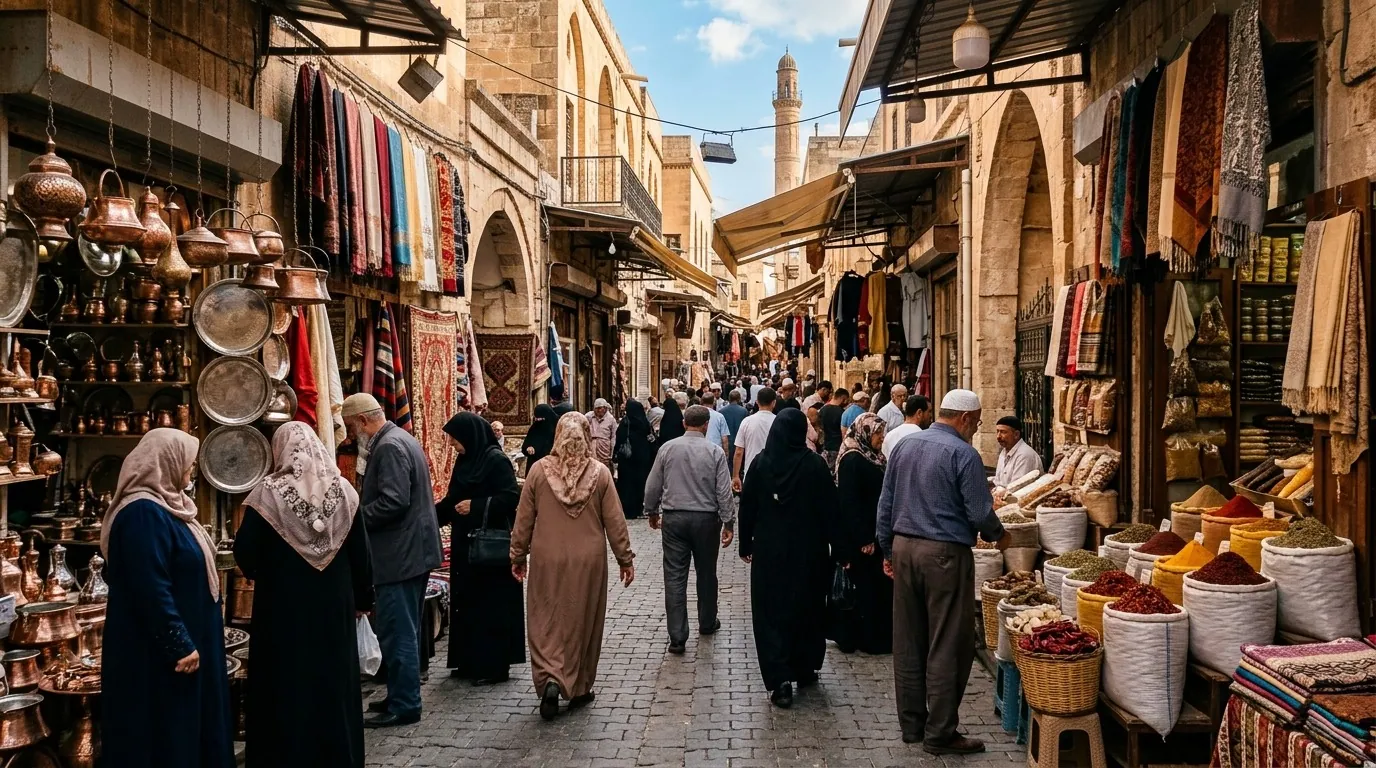
Mardin is one of the oldest towns of upper Mesopotamia, mentioned in Assyrian texts thousands of years ago. Romans and Byzantines passed through, then the city flourished under the Artuqid dynasty between the 12th and 15th centuries, which left its finest religious schools, before joining the Ottoman realm in 1516. The result is an open-air museum: the Great Mosque, Zinciriye and Kasimiye medreses, living Syriac churches beside mosques, and monasteries in the outskirts where prayers are still held in the Syriac language.
What makes Mardin special is this coexistence: on one street you hear both the adhan and church bells, and in a single bazaar you meet Arab, Kurdish, and Syriac artisans. Nicknamed the city of tolerance, it compresses two thousand years of southeastern Anatolian history into a single walking tour.
Architecture and the Stone Houses
Mardin's magic lies in its honey-colored stone that glows at sunset until the town looks like a golden layer on the hill. The houses feature carved wooden balconies and fine exterior detail, and the city follows a beautiful old planning rule: no house may block its neighbor's view — so the neighborhoods cascade down the hillside, everyone overlooking the plains below. The alleys are narrow and cobbled, and walking them is a pleasure in itself if you are ready for some climbing.
The finest examples of this architecture: Zinciriye Medrese with its carved portal and high terrace, Kasimiye Medrese opening onto the plain, and old mansions now converted into boutique hotels and restaurants serving local cuisine with unforgettable views.
Top Mardin Sights and Distances
| Sight | Distance from center | Suggested time |
|---|---|---|
| Great Mosque and Zinciriye Medrese | city center | half day on foot |
| Deyrulzafaran Monastery | 5 km | 2-3 hours |
| Ancient city of Dara | 30 km | 2-3 hours |
| Midyat and Mor Gabriel Monastery | 45-70 km | full day |
| Hasankeyf on the Tigris | 75 km | half day |
| Sanliurfa and Gobeklitepe | 185 km | full day or separate trip |
Deyrulzafaran, 5 km east of the city, housed the Syriac Orthodox patriarchate for centuries and is visited today with its museum and carved halls. The ruins of Dara to the south were a Roman-Byzantine city with cisterns and rock-cut tombs you walk through. Midyat is a smaller, whiter version of Mardin, famous for telkari silver filigree, with the fourth-century Mor Gabriel Monastery nearby. Deep-history lovers can combine Mardin with a trip to Gobeklitepe near Urfa, the oldest known temple complex in the world.
When to Visit Mardin
Mardin's climate is dry continental, totally different from Istanbul or Trabzon: summers are very hot with midday temperatures passing 40 degrees, and winters are cold with occasional snow. The best windows are spring (March-May) and autumn (October-November), when days are mild and evenings lovely. If you travel in summer, schedule tours for mornings and evenings, avoid the midday sun, and check the Turkish meteorology service before each outing.
Getting There and Around Mardin
Mardin Airport sits about 20 km from the center, with daily flights from Istanbul (about 1 hour 50 minutes) and from Ankara. A wider alternative is GAP Airport in Sanliurfa, roughly 100 km away, if your plan covers the whole southeast. There are usually no direct flights from the Gulf, so connecting through Istanbul is easiest, and you can pre-book a private transfer from the airport to your hotel.
Inside the old town everything is done on foot; the alleys are stepped and cobbled, so wear comfortable shoes, and with babies a carrier beats a stroller. For Dara, Midyat, and Hasankeyf, hire a car with a driver or join a guided day tour; intercity roads are good but signage is in Turkish.
Mardin Cuisine
Mardin's kitchen is an extension of Mesopotamian cooking, and Gulf visitors will find familiar flavors:
- Mardin kaburga: slow-cooked lamb ribs stuffed with rice and nuts — the city's signature celebration dish.
- Irok: bulgur balls stuffed with minced meat and fried, a quick street bite in the bazaar.
- Local sambousek: thin pastries filled with cheese or meat, served hot from neighborhood ovens.
- Liver kebab: grilled over charcoal in front of you and served with onion and fresh bread.
- Mirra coffee: the authentic bitter Arabic coffee served in tiny cups with long conversation sessions — one of Mardin's finest hospitality rituals.
- Menengic coffee: made from roasted terebinth beans, a warm local drink you will not forget.
- Sillik dessert: thin crepes with clotted cream and pistachio.
- Gifts: Mardin laurel soap, telkari silver from Midyat, and handwoven textiles.
Mardin for Gulf Families: Why You Will Love It
- Arabic language: many locals speak their own Arabic dialect, close to yours; you can bargain, ask, and chat face to face — an advantage you will not find in Istanbul.
- Conservatism: Mardin is among Turkey's most traditional cities; dress, food, and social norms are all comfortable for families.
- Prayer: there is a mosque in almost every quarter, and the historic mosques themselves are places to both visit and pray.
- Halal food: virtually every restaurant in a city of this tradition is halal.
- Stays: stone guesthouses inside old mansions turned boutique hotels — a very different experience from Istanbul's towers; book early from Mardin hotels because numbers are limited.
- Safety: Mardin is today an active tourist destination with fast-growing hospitality, and its tourist areas are safe for families.
- Children: the bazaars and alleys are lovely but stepped; plan a morning outing and an afternoon rest, and avoid the summer midday heat.
FAQ
- How many days does Mardin need?
Two days cover the old town and Deyrulzafaran Monastery; three add Dara and Midyat comfortably. Five days open the door to Urfa, Gobeklitepe, and Diyarbakir.
- Is Mardin safe for Gulf visitors?
Yes, the tourist areas are safe and hospitality is growing fast with rising numbers of Gulf visitors. Check official travel updates before flying, as with any destination.
- Do GCC citizens need a visa?
No; citizens of Saudi Arabia, the UAE, Kuwait, Qatar, Bahrain, and Oman are visa-free up to 90 days with a passport valid 6 months. Residents generally need an e-visa from evisa.gov.tr.
- How do we reach Mardin from the Gulf?
There are usually no direct flights; connect through Istanbul and a domestic leg of about two hours. Pre-book a private transfer from Mardin Airport to your hotel.
- Which season is best?
Spring (March-May) and autumn (September-November): mild weather and fair prices. Summer heat passes 35 degrees and winter is cold with occasional snow.
- Is Arabic really understood in Mardin?
Yes; the local Arabic dialect is alive in the bazaars and old quarters — you can bargain, ask, and chat face to face, an advantage you will not find in most Turkish cities.
- What are Mardin's main sights?
The old town itself, the Great Mosque, Zinciriye Medrese, Deyrulzafaran Monastery, ancient Dara, and the nearby town of Midyat.
- What kind of stays are available?
Historic stone houses converted into boutique hotels and guesthouses at $30-200 a night. Book early from Mardin hotels because rooms are limited.
- Is food halal in Mardin?
Yes; the kitchen is traditional and virtually every restaurant is halal, with flavors closer to Levantine and Iraqi cooking than to Istanbul's.
- Is Mardin suitable for children?
Yes, with supervision; the alleys are stepped and stone-paved, so a back carrier beats a stroller. Plan a morning outing, an afternoon rest, and avoid the summer midday heat.
- How much budget do we need?
A family of four: $800-1,500 for three days and $1,500-3,000 for five, excluding international flights, depending on stay level and tours.
- Can Mardin be combined with other cities?
Yes; Diyarbakir is two hours away, Urfa three, and Trabzon is a longer domestic flight for wider plans. Start with organized tours to arrange the days.
Conclusion
Mardin is a destination unlike anything else you know in Turkey: a stone city suspended above the Mesopotamian plains where Arabic, Kurdish, and Syriac life flow together, the kitchen tastes like grandma's table, and the stays are historic houses at fair prices. Plan three days in spring or autumn, book the stone house and tours early, and prepare for a cultural experience your family will retell for years.
To complete your trip, explore Voyago's services:
Hotels in Mardin · Private transfer in Mardin · Mardin tours
Related Articles and Resources
For a complete trip to Turkey, explore these helpful resources:
- Read more: Mardin travel guide
- Read more: Mardin Turkey guide
- Read more: Mardin 5-day itinerary
- Read more: Turkey visa for Saudi citizens
- Read more: Istanbul hotel booking guide
- Read more: Turkey travel costs
Official Sources
- Visa application: evisa.gov.tr
- Weather updates: mgm.gov.tr
- Tourism portal: goturkiye.com
- Foreign affairs: mfa.gov.tr
Related travel guides
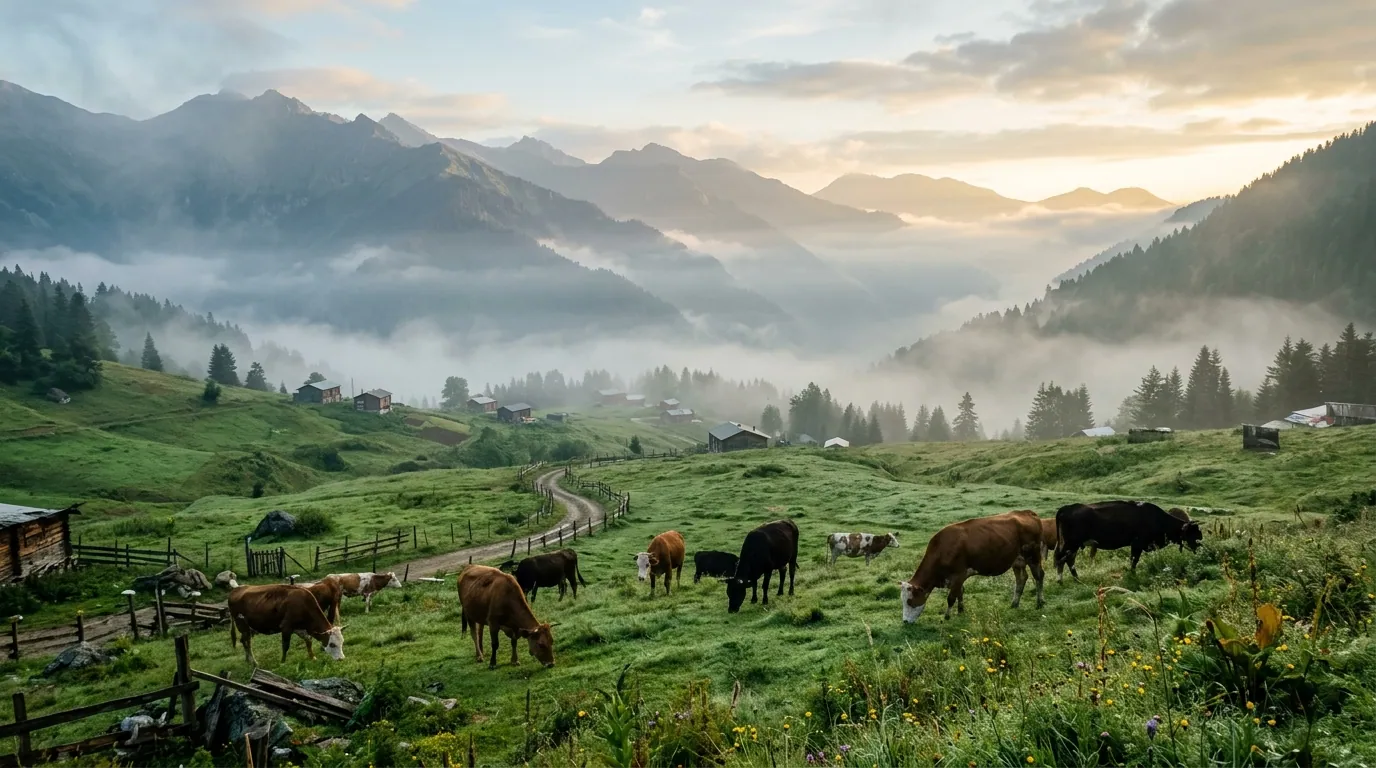
Ayder highlands 5-day itinerary 2026: a day-by-day plan for Arab families covering thermal pools, valleys, and Trabzon.
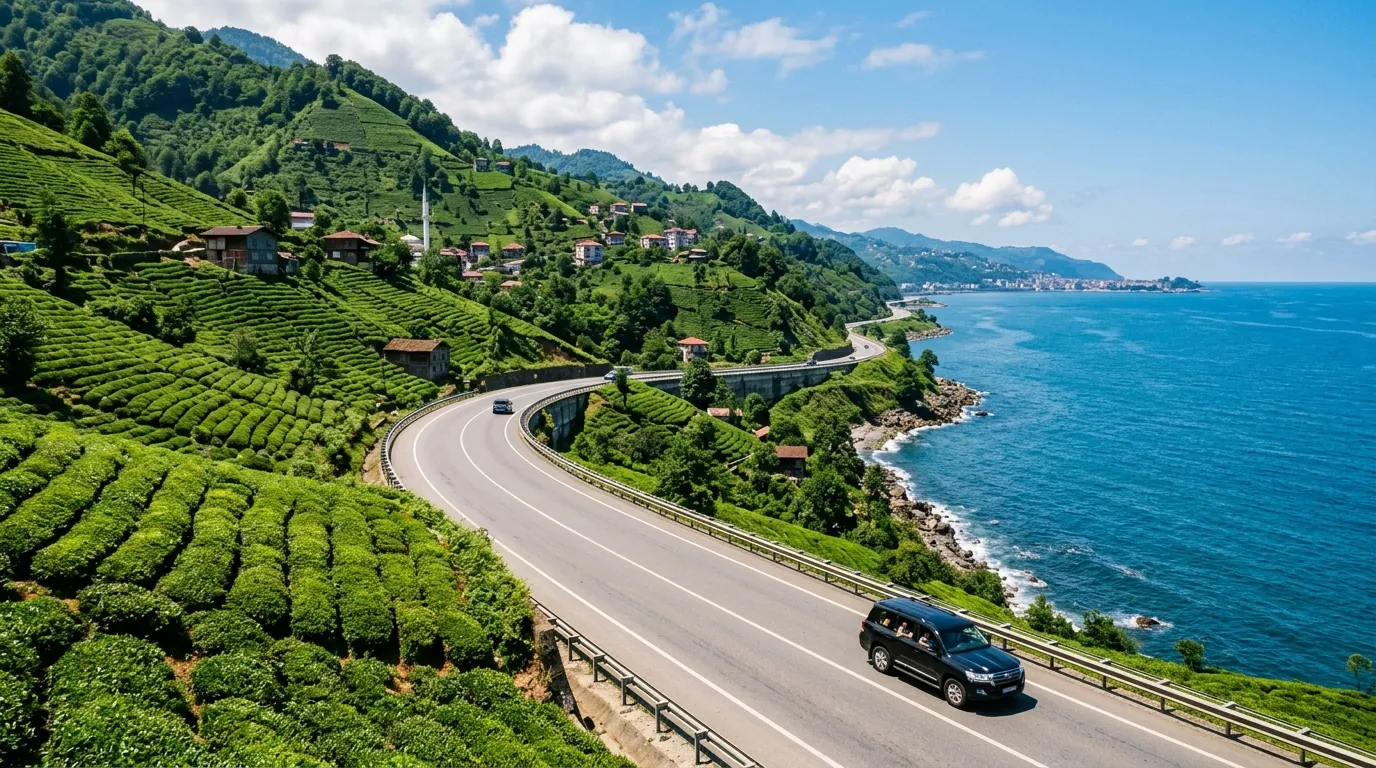
Ayder Trabzon distance 5-day itinerary 2026: a day-by-day plan for Arab families covering the transfer route.
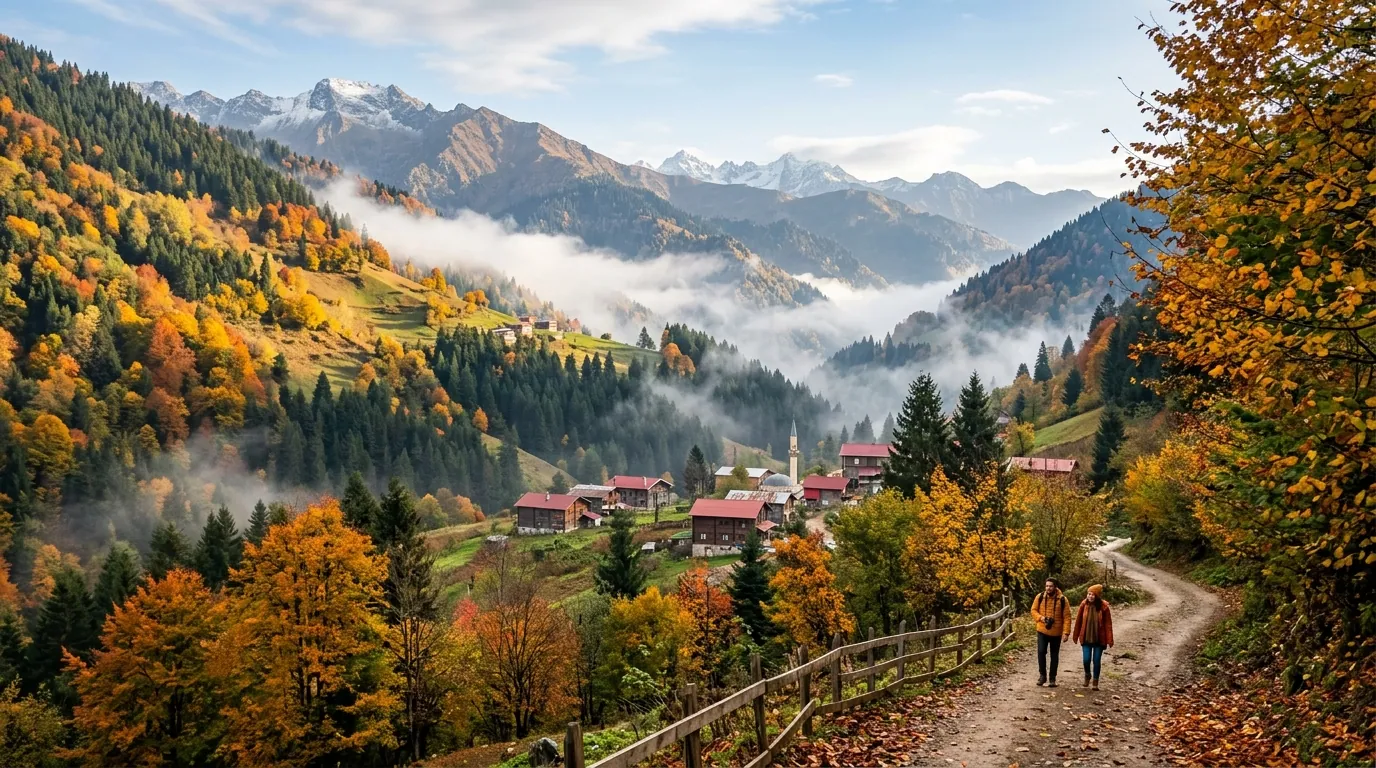
Ayder Turkey weather 2026: monthly averages, rain patterns, best months to visit, and packing tips for Gulf families.
Ready to explore Turkey?
Voyago brings together hotels, tours and transfers to help you plan the perfect trip to Turkey.