
Quick Answer for Gulf Visitors
Is there a presidential election in Turkey in 2026? — No presidential vote is scheduled for 2026; the last one took place in May 2023, and under the five-year constitutional cycle the next contest is expected in 2028.
Why do travelers search this topic? — Because major political seasons raise questions about crowds, rallies, exchange rates, and event scheduling, and the reality is that their impact on tourists is limited and orderly.
What should I do before traveling? — Check official sources such as the Turkish government gateway and the Ministry of Foreign Affairs, and simply avoid party gatherings in city centers on event days.
Why Do Gulf Travelers Ask About Turkish Elections?
Turkish political news flows heavily across Arab social media, so a traveler packing a suitcase naturally asks: will my plan be disrupted if my destination is in an electoral season? The reassuring answer is that elections in Turkey are organized events held on fixed, pre-announced days; they do not stop airports, hotels, or landmarks. They may add some local congestion in city centers on rally days and on voting day itself. This guide lays out the timetable, the system, and the practices without any political slant, so you can plan on reliable institutional information, supported by our general guides on traveling to Turkey and the complete guide.
A second important note: much circulating news mixes contest types (presidential, parliamentary, and municipal) with referendums and internal party ballots, making readers think there is an "election" every year. The regular constitutional calendar is simpler than that, and it follows below.
The Turkish Electoral System in Brief
Turkey elects its president directly by popular vote for a five-year term. Winning the first round requires more than half of the votes; otherwise a runoff between the top two candidates is held two weeks later. On the same day, voters usually also elect the 600 members of parliament through a modified proportional system. Local elections are a separate contest in which mayors and council members are chosen. The voting age is eighteen, voting is legally compulsory on paper though leniently enforced, and the independent authority that supervises everything and announces results is the Supreme Election Council.
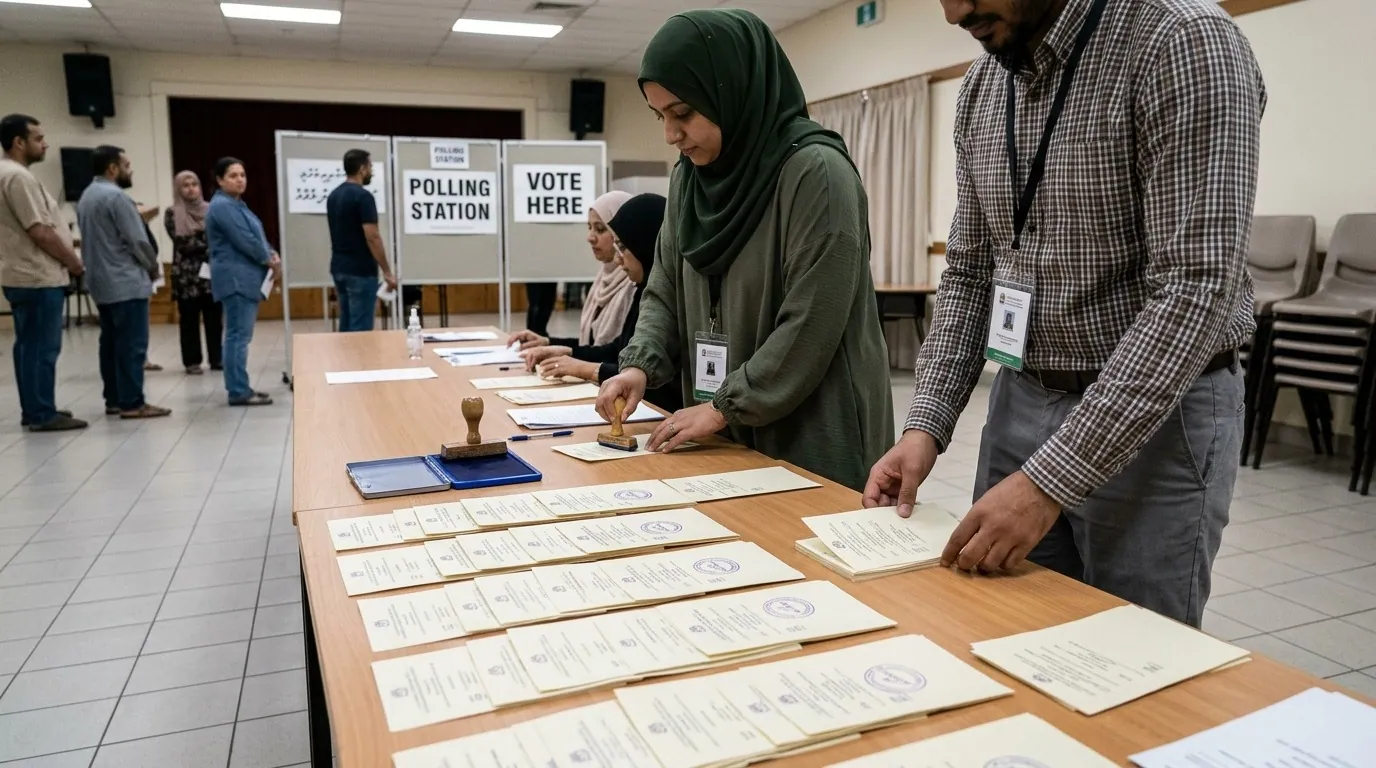
Turkish citizens living abroad, numbering in the millions across the Gulf and Europe, may vote at polling stations set up in embassies and consulates before the main voting day in Turkey. During contest periods you may see queues outside the Turkish embassies in Riyadh, Jeddah, and Dubai — a routine sight that has nothing to do with you as a tourist.
The Timetable: What Has Passed and What Is Expected
| Contest | Last held | Next regularly expected | Traveler note |
|---|---|---|---|
| Presidential and parliamentary | May 2023 (with runoff) | Expected 2028 | One five-year cycle for both |
| Local (municipal) | March 2024 | Expected 2029 | Changes mayors, not leadership |
| Internal party ballots | Scattered yearly | Per party calendars | Internal affairs, irrelevant to tourism |
| Referendums | Last in 2017 | None scheduled | Requires special procedures |
The practical takeaway: no presidential contest sits on the 2026 calendar, and the next regularly expected presidential and parliamentary elections fall in 2028 under the current cycle. The Turkish constitution does allow early elections through a narrowly defined procedure, so checking official channels before any long-range plan remains a sound habit. Voter and population figures are available from the Turkish Statistical Institute if you follow the details.
Comparison: Election Days Versus Tourist Seasons for a Visitor
| Criterion | A general election day | A peak summer week | A major national holiday |
|---|---|---|---|
| Airports and flights | Operate normally | Heavy crowding | Moderate crowding |
| Landmarks and museums | Mostly open | Open and crowded | Some close for a day |
| Hotel prices | Usually unaffected | Highest of the year | Locally elevated |
| Street activity | Quiet in the morning | Always busy | Parades and convoys |
| Advice for the day | Avoid party rallies | Book early | Enjoy the atmosphere |
As the table shows, voting day itself is among the calmest days of the year on Turkish streets, since it is a public holiday spent between homes and ballot boxes. The real crowding risk is the summer peak, not politics.
How to Protect Your Plan From Any Political or Economic Season
Three practical habits settle the matter. First, register your trip through official channels only: entry and visa rules are announced by the e-visa portal and the Ministry of Foreign Affairs, with no connection to party seasons. Second, track the exchange rate at its source, the Turkish Central Bank, if you budget in lira, since markets occasionally wobble around major events in any country. Third, if your trip coincides with a rally day in a major square such as Taksim in Istanbul, simply shift to another district that day; gatherings are permitted and organized but cause temporary road closures.
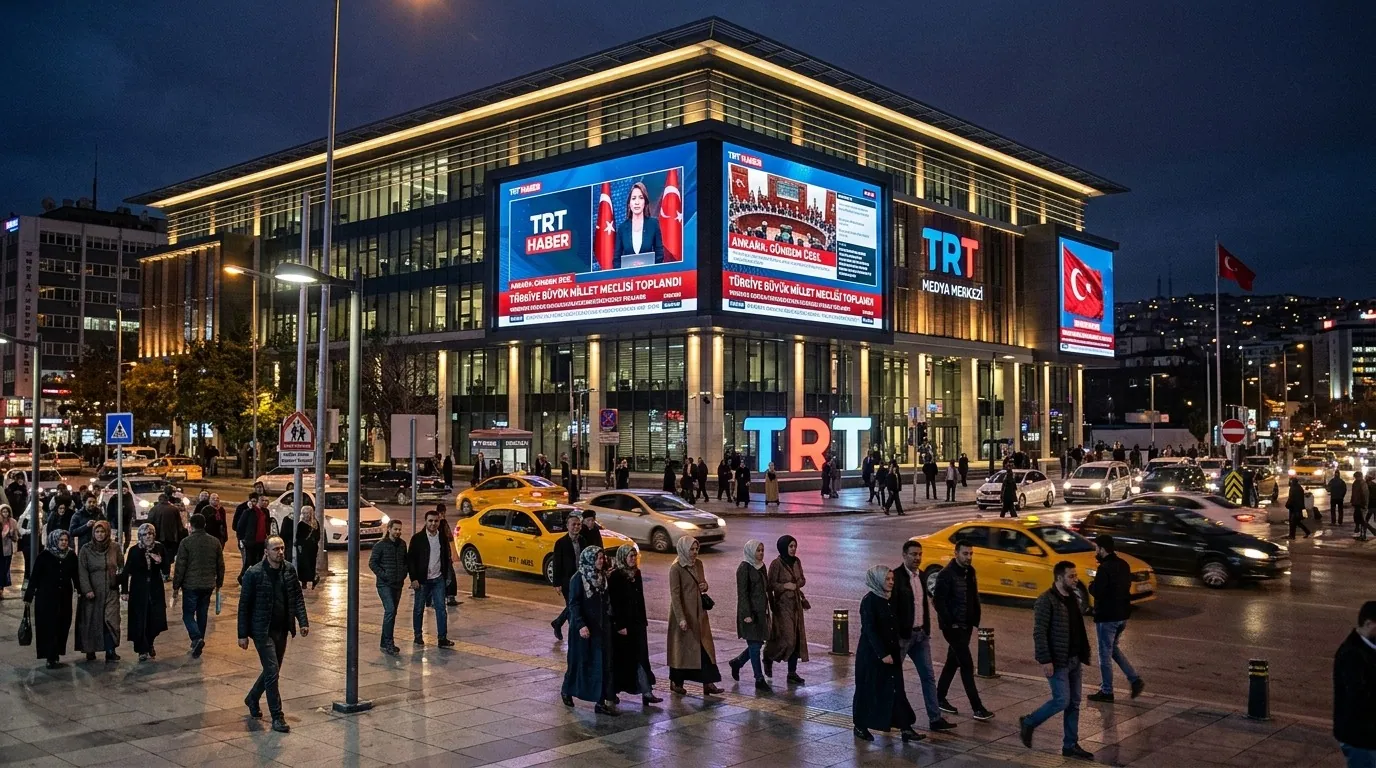
On a friendly note: political seasons do not dent Turkish hospitality. Restaurants, bazaars, and transport keep running, and Turks treat their election days with ordinary civic spirit. Note that Turkey's visitor count passed sixty million in years containing elections, with official figures available through the Go Turkiye portal.
Practical Info for Gulf Visitors
| Item | Details | Gulf note |
|---|---|---|
| Voting day | Public holiday | Streets generally quiet |
| Alcohol sales | Suspended on voting day | No effect on tourist facilities |
| Party rallies | In designated squares | Avoid driving there that day |
| Museums and landmarks | Mostly open | Exception: some public holidays |
| Official results channel | Supreme Election Council | Do not rely on rumors |
| Who may vote | Turkish citizens only | Tourists are entirely outside it |
Turkey's Electoral Calendar in History: A Steady Full Cycle
Turkey is a country with a long electoral history going back to the mid-nineteenth century with the founding of the first Ottoman parliament, followed by decades of electoral experiments under the young republic. The current system after the 2017 constitutional amendments makes the president elected directly by the people for a five-year term, with parliament elected on the same day with 600 seats distributed under a modified proportional system. Since this system took effect, the first presidential and parliamentary elections were held in June 2018, the second in May 2023, and both saw high turnout and intense competition.
The municipal cycle is a third pillar: mayors and council members are also elected every five years, and the last cycle in March 2024 brought changes in several major cities including Istanbul and Ankara, reshaping the map of local administration. Local elections differ from the presidential in nature: their decisions concern daily services from cleanliness to transport to parks, but they remain important in shaping the cities. In the table above you noticed that the next regular presidential contest is 2028 and the next regular local one is 2029.
The regular timetable means tourists can plan their trips with confidence. There are no surprise elections outside the announced calendar except in rare special circumstances, and even when any early election is announced the official bodies publish the dates and rules on their portals months before voting day, so you can adjust your plans flexibly. The practical rule for travelers: learn the regular calendar, follow the official announcements in case of any early contest, and do not let rumors dictate your decision. You will find in the complete Turkey guide and our guide on where Turkey is located the basics that help you understand the context.
FAQ (12 Questions)
- Is a presidential election being held in Turkey in 2026?
No presidential contest is scheduled for 2026. The last one was held in May 2023 in its two rounds, and the five-year cycle points to the next one in 2028 on the regular calendar.
- When was the last Turkish presidential election?
In May 2023: the first round on the fourteenth of the month followed by a runoff two weeks later, resulting in the incumbent winning a new term.
- How long is a presidential term in Turkey?
Five years under the constitutional amendments in force, and a president may seek additional terms within defined constitutional limits.
- Who is eligible to vote in Turkish elections?
Turkish citizens aged eighteen and over. Foreigners and non-citizen residents do not participate, so a Gulf tourist is entirely outside this circle.
- Do Turkish residents of the Gulf vote?
Yes. Polling stations open in embassies and consulates before the main voting day, including in Gulf capitals, which is why you may see the queues during contest periods — a routine sight.
- Do tourist services stop on voting day?
No. Airports, hotels, restaurants, and landmarks operate; the day is a relatively quiet public holiday, though alcohol sales pause and some shops shorten hours.
- Do exchange rates move around elections?
Markets may wobble around major political events in any country, and the sound practice is following the official rate at the Turkish Central Bank and exchanging in stages rather than all at once.
- Are election rallies dangerous for tourists?
Rallies in Turkey are permitted and organized; the only practical hazard is traffic congestion around them. Switch districts for the day and enjoy the rest of the city.
- How do I verify results and dates officially?
The Supreme Election Council announces calendars and results, official media relay its statements, and anything circulating on chat apps before that is speculation.
- Do elections affect visas and entry rules?
Not at all. Entry and visa rules are administered by fixed official bodies and announced first through the e-visa portal and the Ministry of Foreign Affairs.
- What is the difference between presidential and local elections on the calendar?
The presidential and parliamentary contest is a single national event every five years (last in 2023, next expected 2028), while municipal elections also run on five years (last in March 2024, next expected 2029).
- I plan to travel in 2028 when the contest is expected; should I change my plan?
No drastic change is needed. Book as usual, follow the news of those days through the government gateway, keep two hours of flexibility on voting day transfers, and you will find the country running as usual.
Extra Context: Turkey's Political System and Tourism Stability
To understand Turkey's electoral cycle, the 2017 constitutional referendum introduced a strong executive presidency that took full effect after the June 2018 vote. The president appoints ministers, governors, and university rectors, and can issue presidential decrees with the force of law in certain domains, while the Grand National Assembly retains legislative and oversight powers. The constitution mandates a direct popular vote every five years, and if no candidate clears 50 percent in the first round, a runoff follows two weeks later between the top two. In 2023, President Recep Tayyip Erdoğan secured 52.18 percent in the second round. The Supreme Electoral Council (YSK), an eleven-member constitutional body, supervises every stage from candidate registration to vote counting, and publishes results through the state portal. For Gulf visitors this institutional machinery matters because it guarantees that entry rules, transport, and security operations continue smoothly across election years.
Conclusion
There is no presidential election on the 2026 calendar; the next Turkish presidential contest is expected in 2028 under the five-year cycle, after the May 2023 presidential and March 2024 municipal votes. Even in voting years, political seasons barely touch tourists: one quiet public holiday, organized gatherings you easily avoid, and entry rules announced by fixed authorities. Plan your trip with confidence through hotel bookings, private transfers, and organized tours on Voyago, and follow the editorial team's guides for reliable updates.
Sources
Related travel guides
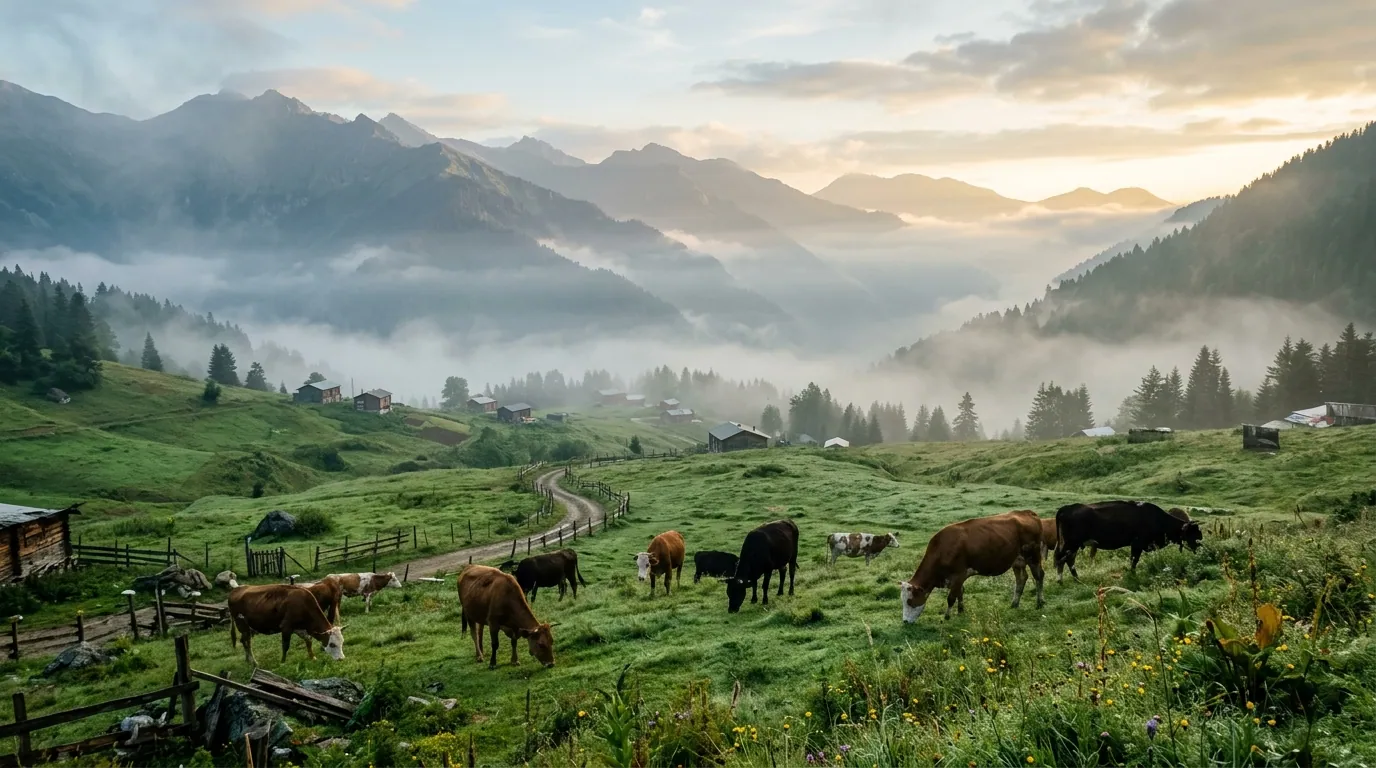
Ayder highlands 5-day itinerary 2026: a day-by-day plan for Arab families covering thermal pools, valleys, and Trabzon.
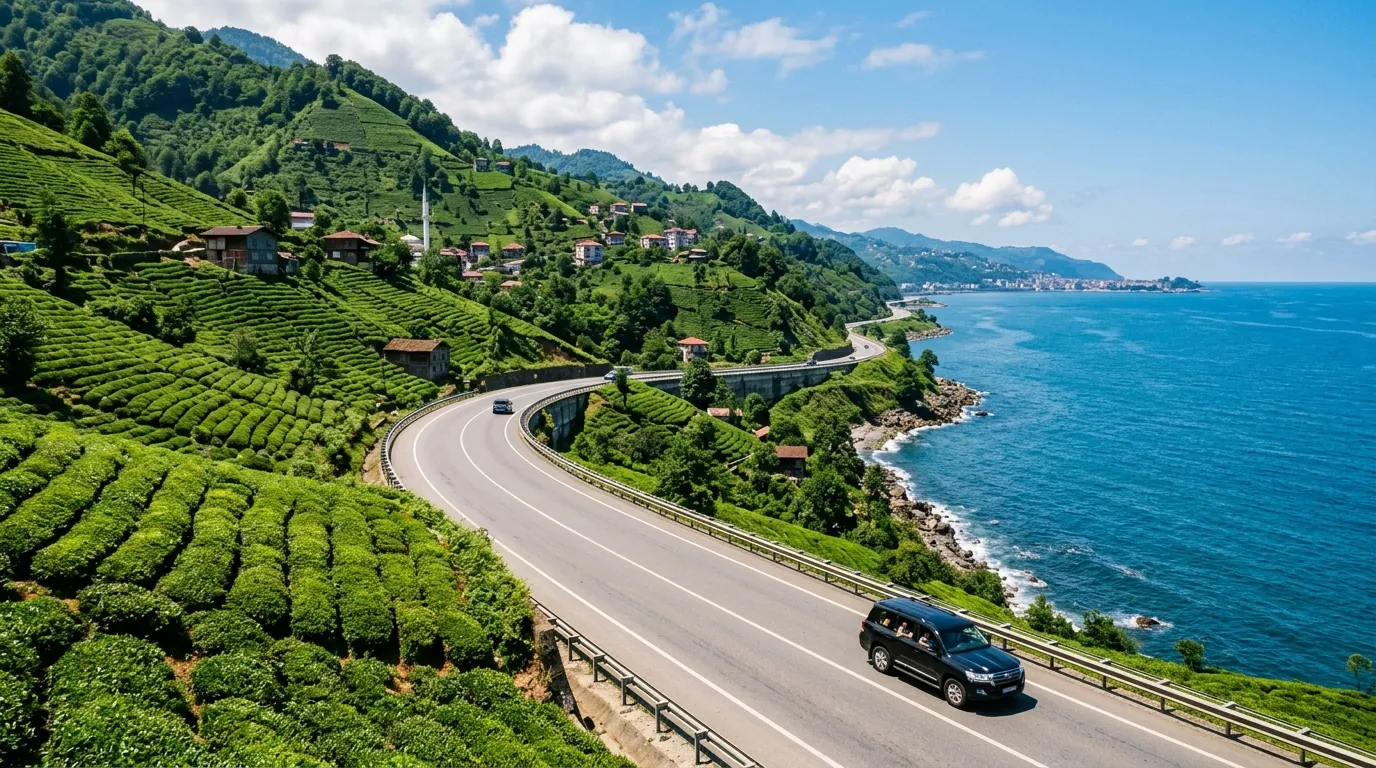
Ayder Trabzon distance 5-day itinerary 2026: a day-by-day plan for Arab families covering the transfer route.
Ayder Turkey weather 2026: monthly averages, rain patterns, best months to visit, and packing tips for Gulf families.
Ready to explore Turkey?
Voyago brings together hotels, tours and transfers to help you plan the perfect trip to Turkey.