
Quick Answer for Gulf Visitors
Is Çanakkale worth it? Yes — if you want Turkey's great history-and-heritage destination on the Dardanelles, combining two of the most famous stories of the region: ancient Troy (the city of Homer's Iliad) and the Çanakkale (Gallipoli) battlefields of 1915. Çanakkale is a relaxed, seaside university town on the strait that links the Aegean to the Sea of Marmara, about 5-6 hours' drive or a short flight from Istanbul. For Muslim and Turkish-history travellers the 1915 Çanakkale campaign is a deeply meaningful Ottoman victory; for lovers of antiquity, Troy (Truva) is a UNESCO World Heritage Site with a fine modern museum. It is a calm, family-friendly, halal-easy town rather than a beach-and-party resort.
How much? Indicative 2026 nightly rates: 3-4 star hotels about $50-90, 4-5 star hotels $90-160. Entry to Troy and the Troy Museum is cheap (a few dollars each); a half-day Gallipoli battlefields tour runs about $40-70 per person. Çanakkale Airport (CKZ) is close to town, or you arrive via Istanbul plus a private transfer or ferry.
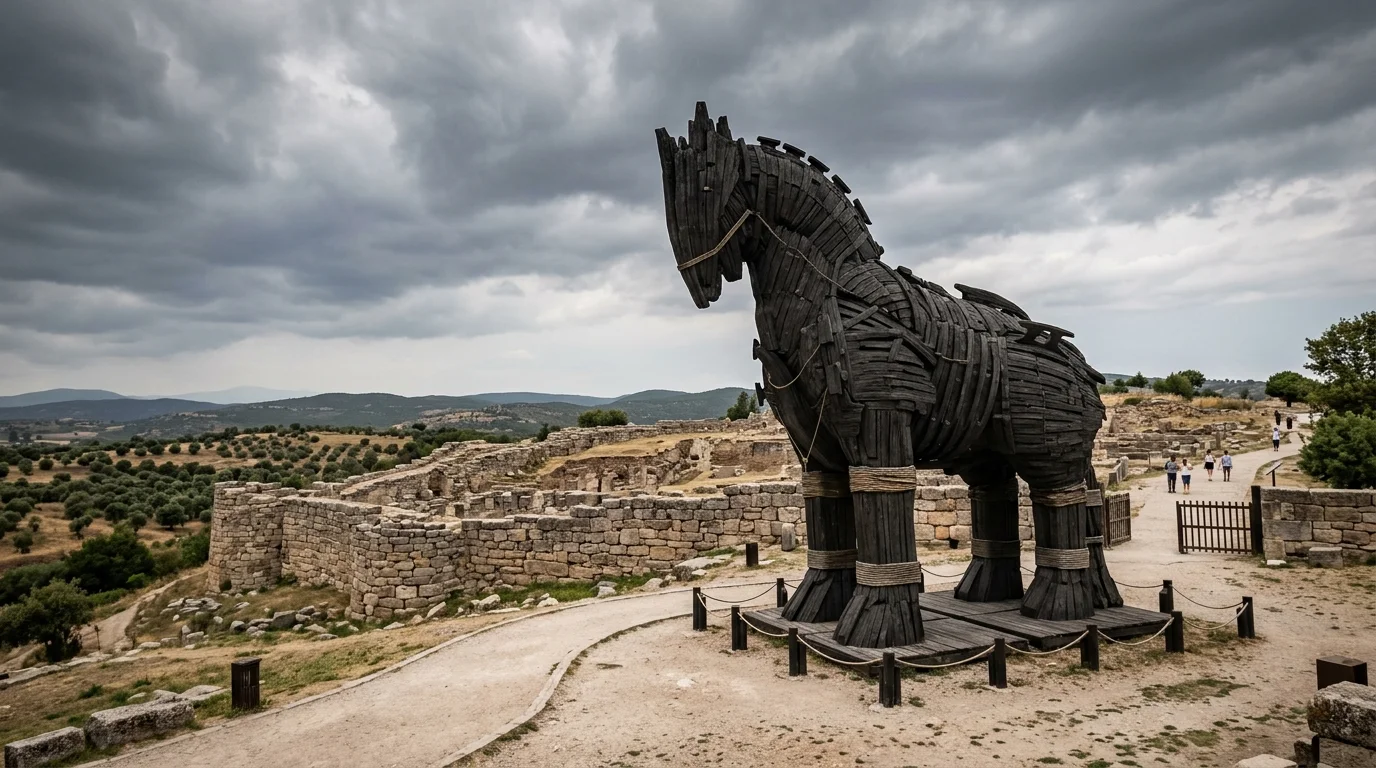
Best tip: Allow two days — one for Troy and the Troy Museum (~30 min south of town), and one for the Gallipoli (Gelibolu) peninsula battlefields and the Çanakkale Martyrs' Memorial. Stroll the Çanakkale waterfront to see the Trojan Horse replica from the 2004 film Troy, cross the Dardanelles by ferry, and base yourself in central Çanakkale. See our Turkey cities guide for the wider region.
What Çanakkale Actually Is
Çanakkale sits at the narrow mouth of the Dardanelles (Çanakkale Boğazı), the strait that connects the Aegean Sea to the Sea of Marmara and, beyond it, Istanbul. This narrow stretch of water has made the town one of the most strategically important places in world history — controlling the crossing between Europe and Asia. The province spans two continents: the Gallipoli (Gelibolu) peninsula on the European side and the larger landmass on the Asian side, with Çanakkale town on the Asian shore.
The city carries two great histories. The first is classical: just south of town lies Troy (Truva / Hisarlık), the real ancient city behind Homer's epic, where archaeologists uncovered layer upon layer of settlements spanning thousands of years. The second is modern and military: in 1915 the Çanakkale (Gallipoli) campaign saw the Ottoman forces, with Mustafa Kemal (later Atatürk) among the commanders, repel a major Allied invasion — an event commemorated across the Gallipoli peninsula and regarded in Turkish and Islamic memory as a heroic defense of the homeland. Today Çanakkale is a relaxed, youthful university town of seaside cafés, a waterfront promenade, and a replica Trojan Horse gifted by the makers of the 2004 film.
For the wider region, see our Turkey cities guide and our best time to visit Turkey.
What to See and Do
Çanakkale is a history-led destination with two clear clusters and a pleasant town:
- Ancient Troy (Truva Ören Yeri) — the UNESCO World Heritage Site about 30 km south of town; walk through the excavated layers of the city, see the reconstructed ramp and a replica wooden horse on site. Modest ruins but enormous in significance.
- Troy Museum (Truva Müzesi) — a striking 2018 museum near the site, displaying finds from the excavation layers across five floors; visit it before or after the ruins for context.
- The Çanakkale waterfront and Trojan Horse — the seaside promenade in town, with the large Trojan Horse prop from the 2004 film Troy displayed on the seafront; cafés and a relaxed evening stroll.
- Gallipoli (Gelibolu) Peninsula Historical National Park — the 1915 battlefields on the European side: ANZAC Cove, Lone Pine, the trenches, and dozens of memorials. A sombre, well-preserved open-air museum of WWI.
- Çanakkale Martyrs' Memorial (Şehitler Anıtı) — the towering monument on the Gallipoli peninsula honouring the Ottoman soldiers of 1915; the emotional centre of the Turkish commemoration.
- Assos (Behramkale) — an ancient Greek city about 1.5 hours south, with a Doric Temple of Athena on a hilltop and a harbour below; a scenic day trip for antiquity lovers.
- Bozcaada — a charming Aegean island off the coast, with a Venetian castle, stone houses, vineyards and beaches; a summer day trip or overnight.
- Çanakkale Archaeological Museum — regional finds, including pieces from nearby ancient sites like Troy, Assos and Parium.
This is a do-history destination: spend one day in antiquity (Troy and its museum, optionally Assos) and one day on the 1915 battlefields and memorials, with evenings on the relaxed waterfront. Travellers wanting beach resorts should look to the Aegean or Mediterranean coast; those drawn to Troy, Gallipoli and Ottoman history will find Çanakkale rewarding.
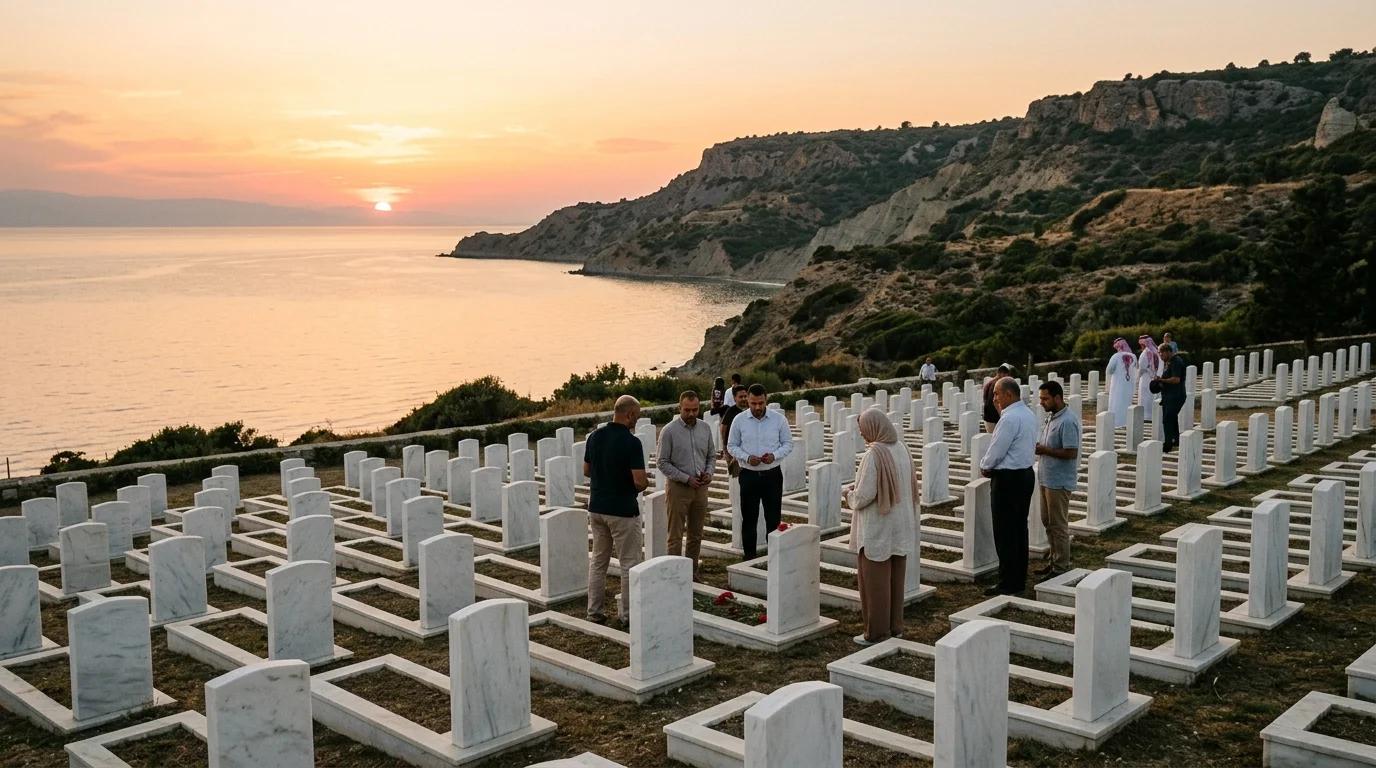
One planning note: the Gallipoli battlefields are scattered across the European-side peninsula and the roads between them require a car, so most visitors take a guided half- or full-day tour from Çanakkale after the ferry crossing. Book ahead for March and April, and compare the available tours to fit your schedule.
Troy vs Ephesus vs Pergamon: A Comparison
If your western-Turkey itinerary is short, this comparison helps you divide the time:
| Criterion | Troy | Ephesus (near Izmir) | Pergamon |
|---|---|---|---|
| Power of the story | History's first epic | A lavish, well-preserved Roman city | Famous sanatorium and a mighty acropolis |
| State of the ruins | Visually modest, deeply meaningful | Stunning: the Library of Celsus facade and Roman streets | Spread across hillsides, needs walking |
| Museum | The modern Troy Museum beside the site | A nearby museum in Selçuk | A small local museum |
| Time needed | Half a day with the museum | A full day | A full day |
| Best for | Epic lovers already in the region | Any antiquity lover's priority | Fans of quieter sites |
The practical summary: you visit Troy for its meaning and story more than for monumental stones — Ephesus is the visual giant, Pergamon the quieter hill country, and Troy and Pergamon can be combined on one overland loop if you have three days.
When to Go
- Best weather: April to October — pleasant to warm, sites fully open.
- Peak: July and August (hot, busiest with domestic tourists). Bozcaada and the coast are at their liveliest.
- Best balance: May, June and September — warm, comfortable for walking ruins and battlefields, less crowded.
- Commemorative periods: March 18 (Çanakkale Victory and Martyrs' Day) and April 25 (ANZAC Day) bring ceremonies and large crowds to the memorials; moving to witness but busier.
- Shoulder/off-season: October-April is quieter and the history sites are best enjoyed without heat; winters are mild.
For the timing logic across Turkey, see our best time to visit Turkey, and for the weather around your exact dates check the official Turkish meteorological service before packing.
Halal and Family Fit
Çanakkale is a Muslim-majority, Turkish town, so halal food is available everywhere — grilled meats, fresh fish from the strait, Turkish breakfasts and Anatolian home cooking are all halal by default, and mosques are present. The town is calm, conservative-leaning and family-friendly, without the nightlife strips of the big beach resorts; there is a small amount of alcohol around the waterfront but nothing that should trouble a halal-conscious family. For dinner, try the fish restaurants along the strait — Dardanelles seafood is fresh and fairly priced — and most cafés serve tea and local sweets for calm family evenings after a walking day. The 1915 memorials and the meaning of the Çanakkale campaign make it a culturally resonant stop for Muslim visitors. For the wider halal picture and resort choices, see our Turkey halal tourism guide and our Turkey family hotels guide.
Çanakkale with Family from the Gulf
The very name Çanakkale is familiar to a whole Arab generation through the town's famous folk song, and that alone turns the visit into something more emotional than sightseeing — many visitors stand at the memorials recalling the words they grew up with. Allow quiet time at the Martyrs' Memorial; the silence there is part of the experience.
With children, the town is small, walkable and generally safe. Older kids engage with the Trojan Horse story if you read them a short version of the Iliad beforehand — the site then turns from silent stones into a real adventure. Hotels here are boutique-scale rather than resort towers, so book adjoining family rooms early. In summer, visit Troy in the morning before the heat and bring hats and water — shade at the site is scarce.
Getting There
- Fly to Çanakkale Airport (CKZ) — a small airport very close to town, with limited flights (often via Istanbul).
- Via Istanbul (most common) — about 5-6 hours by road from Istanbul across the Marmara and the Gallipoli peninsula, or fly to Istanbul and take a private transfer; regular intercity buses also run.
- By ferry — car and passenger ferries cross the Dardanelles at several points (Gelibolu–Lapseki, Çanakkale–Eceabat), linking the European and Asian sides; a scenic way to move between the battlefields and Troy.
- Nearest major airport is Istanbul (IST/SAW), from which Çanakkale is a road or connecting-flight trip.
- The 1915 Çanakkale suspension bridge now shortens the crossing on the northern motorway, making the Istanbul drive faster; the short strait ferries remain the more scenic option closest to town.
Book a private transfer from Istanbul or Çanakkale Airport in advance, start your Çanakkale hotel search, and see our Turkey tours for Troy and Gallipoli guided tours.
Practical Info for Gulf Visitors
| Info | Detail |
|---|---|
| Location | Çanakkale, NW Turkey, on the Dardanelles strait |
| Best for | Ancient Troy, the 1915 Gallipoli battlefields, Ottoman history |
| Best season | May-June & September (warm, comfortable, less crowded) |
| Currency | TRY (USD as guide). 1 SAR ≈ 22-24 TRY |
| Time zone | UTC+3 (same as Saudi/Qatar) |
| Indicative nightly | 3-4★ $50-90; 4-5★ $90-160 (2026) |
| Gallipoli half-day tour | ~$40-70 per person |
| Nearest airport | Çanakkale (CKZ, limited); Istanbul ~5-6h by road |
| Visa | e-visa or visa-free for most Gulf citizens via the official e-visa portal; see visa guide |
| Getting there | CKZ flight, Istanbul + private transfer, or ferry across the strait |
| Official tourism | Go Türkiye · Çanakkale Governorship |
A Sample 3-Day Plan
- Day 1: arrive via Istanbul or Çanakkale Airport, settle in, evening on the waterfront by the Trojan Horse.
- Day 2: morning at Troy and the Troy Museum (half a day), late afternoon at the Çanakkale Archaeological Museum.
- Day 3: ferry across to the European side, a Gallipoli battlefields and Martyrs' Memorial tour, evening return and departure.
- Optional extra day: Assos south for more antiquity, or Bozcaada island for a beach, castle and vineyards.
This rhythm gives each story its due and separates the antiquity day from the memorials day.
FAQ (12 questions)
- Where is Çanakkale? On the Dardanelles strait in northwestern Turkey, where the Aegean meets the Sea of Marmara, about 5-6 hours from Istanbul.
- Why go to Çanakkale? For two great histories — the ancient city of Troy and the 1915 Gallipoli battlefields — plus a relaxed seaside town and nearby Assos and Bozcaada.
- Is Troy really there? Yes — the archaeological site of Troy (Hisarlık), a UNESCO World Heritage Site, is about 30 km south of Çanakkale town, with a modern Troy Museum beside it.
- What is Gallipoli / Gelibolu? The European-side peninsula where the 1915 Çanakkale campaign was fought; today a historical national park of battlefields, trenches and memorials, including the Çanakkale Martyrs' Memorial.
- Is Çanakkale halal-friendly? Yes — it is a Muslim-majority town with halal food everywhere, a calm, family-friendly atmosphere, and no nightlife strip like the big beach resorts.
- How long should I stay? Two full days — one for Troy and the Troy Museum (optionally Assos), one for the Gallipoli battlefields and the Martyrs' Memorial.
- What is the Trojan Horse on the waterfront? A large wooden-horse prop from the 2004 film Troy, displayed on Çanakkale's seafront promenade.
- How do I get there? Fly to Çanakkale (CKZ) (limited flights), or travel via Istanbul (~5-6h by road, or a private transfer); ferries cross the Dardanelles between the two sides.
- When is the best time to go? May, June and September for warm, comfortable weather; March 18 and April 25 bring moving commemorative ceremonies but bigger crowds.
- Is it good for children? Yes — the replica wooden horse, the open-air ruins and the battlefields interest older children, and the town is safe and walkable.
- What can I combine it with? Istanbul (the natural gateway), Assos for more antiquity, or Bozcaada for a beach-and-castle island day. See our Turkey cities guide.
- Is there a beach? Not a major resort beach in town; for a proper beach-and-island day, take a trip to Bozcaada, or head to the Aegean coast (Çeşme, Bodrum) for resort beaches.
Conclusion
Çanakkale is the right pick for Gulf families drawn to history and heritage — the UNESCO ruins of Troy and its modern museum, and the 1915 Gallipoli battlefields and Çanakkale Martyrs' Memorial — in a calm, halal-easy seaside town rather than a beach resort. Plan two days, travel in late spring or September, and arrive via Istanbul or Çanakkale Airport with a pre-booked transfer. For a beach-and-resort trip instead, see our Çeşme guide or Bodrum vs Antalya guide.
Search Çanakkale hotels · Book a private transfer · Best time to visit Turkey
Related travel guides
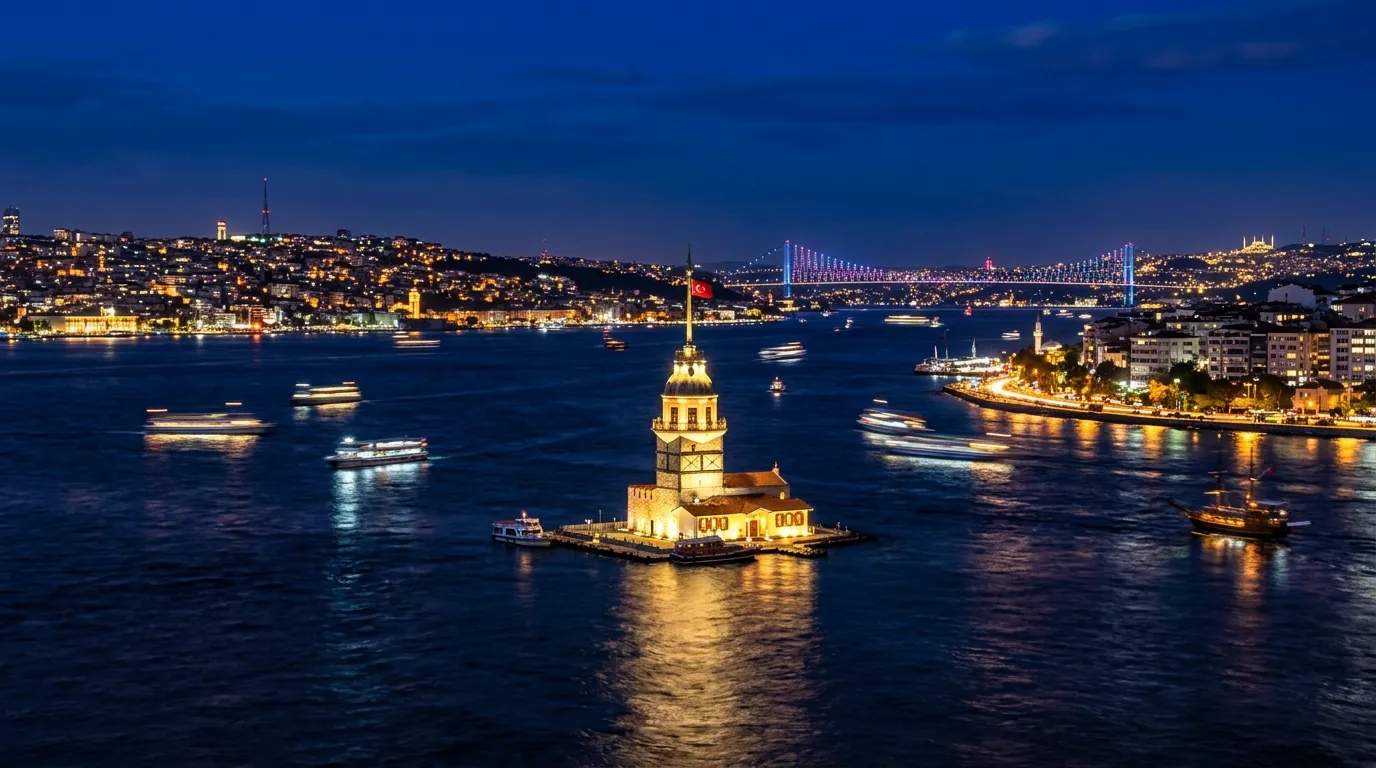
Istanbul night tour 2026: Bosphorus dinner cruises, live music, halal restaurants, family activities, night safety, and late transport for Gulf visitors.
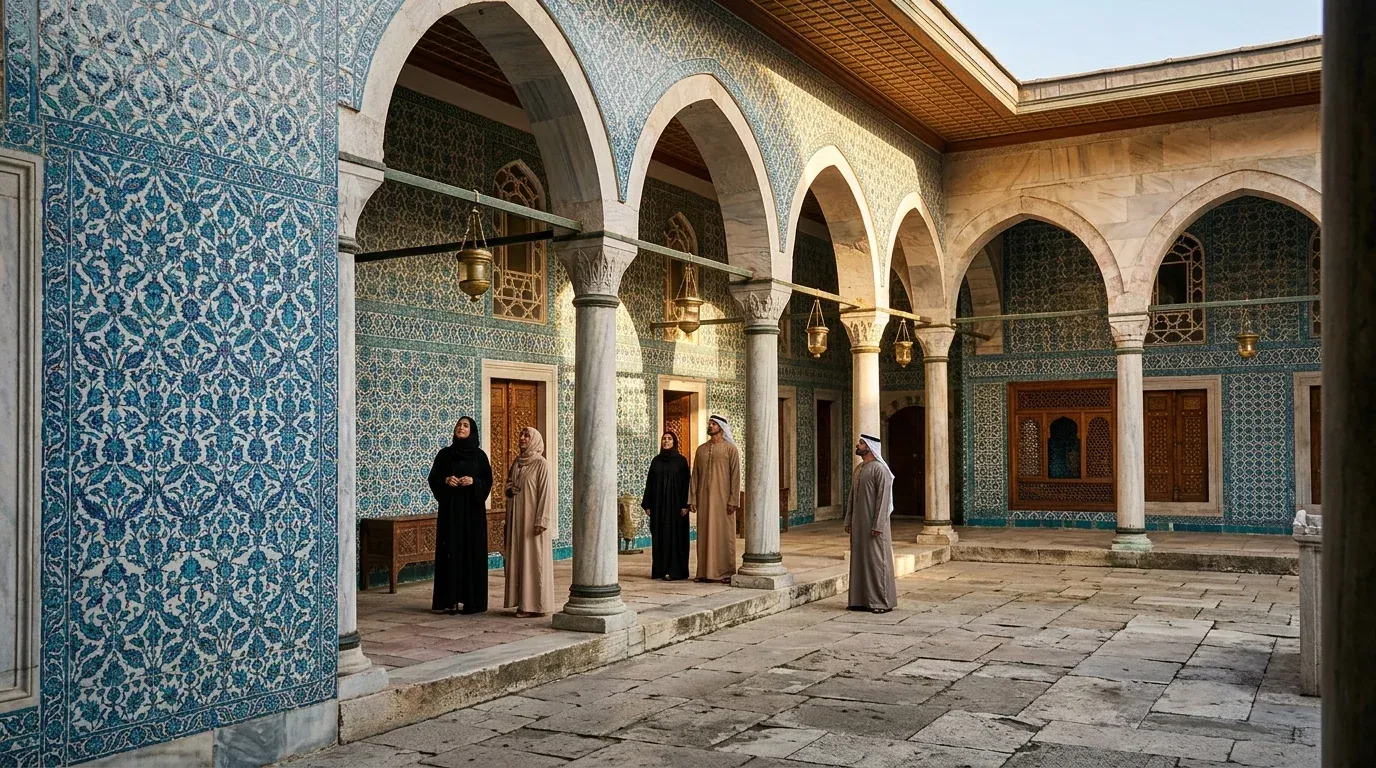
Istanbul historical sites 2026: Hagia Sophia, Topkapi, the Blue Mosque, the Grand Bazaar and more, with tickets, a 3-day plan and tips for Gulf families.
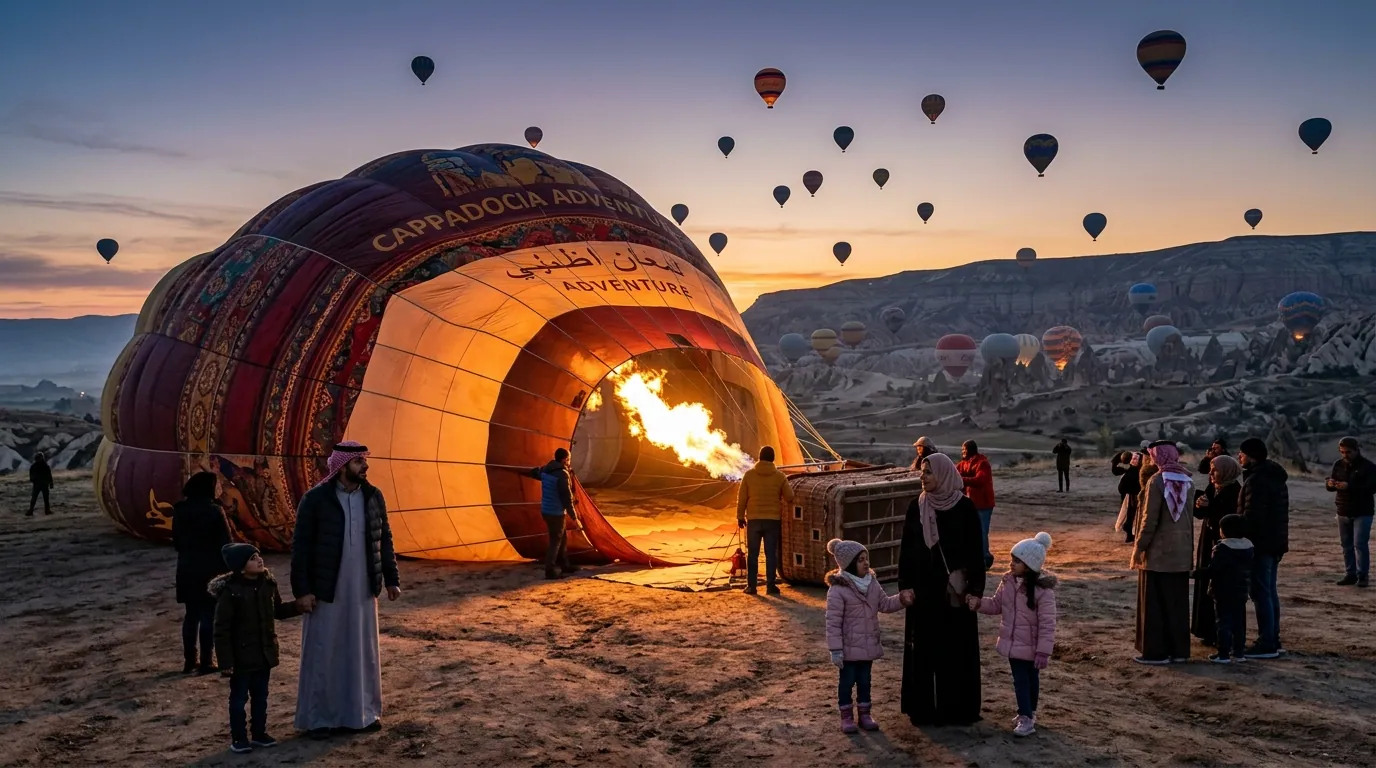
Cappadocia balloon tour 2026: prices by category, dawn takeoff, safety rules, best season for Gulf families, booking window, and cancellation policy.
Ready to explore Turkey?
Voyago brings together hotels, tours and transfers to help you plan the perfect trip to Turkey.