
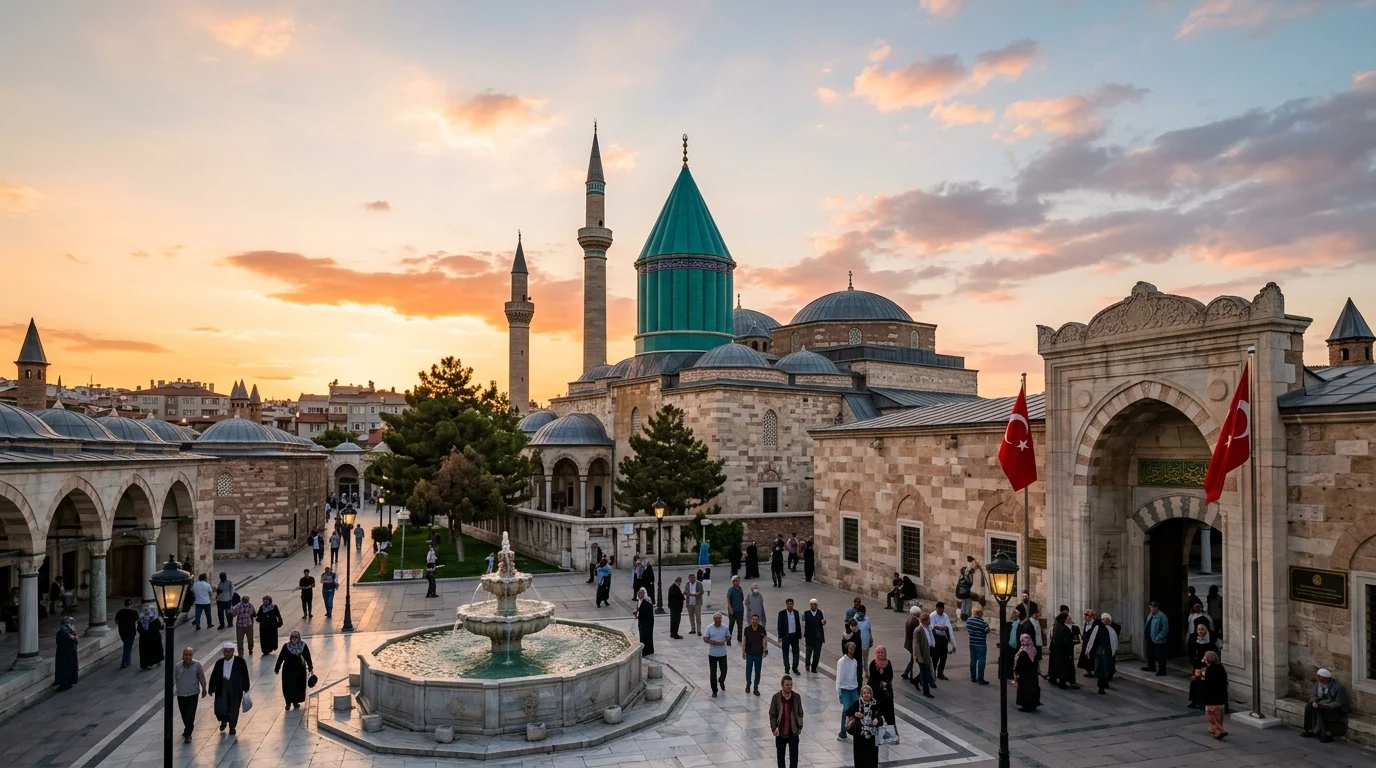
This guide is written for Gulf families who put Islamic heritage and spirituality first. Here lies Mevlana Celaleddin Rumi, the Sema is held weekly, and turquoise-tiled Seljuk medreses line the streets. We cover the sites, food, timing and access, compare Konya with Trabzon, and close with a ready two-day plan.
Quick Answer for Gulf Visitors
Is Konya worth it? Yes — if you want Turkey's most spiritual and historic Islamic-heritage city, the home of Mevlana Celaleddin Rumi and the whirling dervishes (Semâ), built on the capital of the Anatolian Seljuks. Konya is a large, calm, deeply conservative city on the central Anatolian plain, about 3 hours south of Ankara. It is the natural pilgrimage and culture stop for Muslim travellers — the Mevlana Museum (Rumi's mausoleum under its turquoise dome), the weekly Sema ceremony, the great Seljuk mosques and medreses, and the nearby Neolithic city of Çatalhöyük. Unlike the coastal resorts, Konya is conservative and halal by nature — alcohol is barely visible.
How much? Indicative 2026 nightly rates: 3-4 star hotels about $50-90, 4-5 star hotels $90-180, with summer the busiest for domestic visitors. A Mevlana Museum ticket is cheap (a few dollars); a Sema ceremony ticket about $10-20. Konya Airport (KYA) is 20-30 minutes from the centre; the high-speed train (YHT) from Ankara takes about 1 hour 15 minutes.
Best tip: Give Konya two nights, time one around a Saturday evening Sema ceremony at the Mevlana Culture Centre, spend a morning at the Mevlana Museum at opening (quieter), walk the Seljuk medreses (Ince Minareli, Karatay) and Alaeddin Hill, eat etli ekmek, and arrive by high-speed train from Ankara or fly into KYA with a pre-booked transfer. Pair it with Cappadocia (about 3 hours) — see our Cappadocia guide.
What Konya Actually Is
Konya sits on the central Anatolian plateau, about 250 km south of Ankara and around 700 km from Istanbul. It is one of the oldest continually inhabited places in the world, and for two centuries it was the capital of the Anatolian Seljuk Sultanate (Selçuklu) — a period that left the city a remarkable legacy of mosques, theology schools (medreses), and turquoise-tiled monuments. But what makes Konya globally famous is Mevlana Celaleddin Rumi (Mevlânâ Celâleddîn-i Rûmî), the 13th-century Sufi mystic, poet and Islamic scholar who lived and taught here, founded the Mevlevi Order, and is buried in the city. His tomb is now the Mevlana Museum, one of the most visited sites in Turkey.
For Gulf and Muslim travellers this is the heart of Konya's appeal: a city where Islamic scholarship, Sufi spirituality and Seljuk architecture meet. The Sema — the turning prayer of the whirling dervishes, recognised by UNESCO — is performed here regularly. Konya is also one of Turkey's most conservative and religious cities: dress is modest, alcohol is rare in public life, and the atmosphere is calm and family-oriented. That makes it, alongside Trabzon and the Black Sea, one of the most naturally halal-friendly cities in the country.
For the wider region, see our Turkey cities guide and our best time to visit Turkey.
The Sites — What to See
Konya is a museum-and-monument city; almost everything is walkable in the old core:
- The Mevlana Museum (Mevlana Müzesi) — Rumi's mausoleum under the fluted turquoise dome, plus the tombs of his family and Mevlevi sheikhs, a courtyard, and exhibits of dervish garments and instruments. The spiritual heart of the city; arrive early for calm.
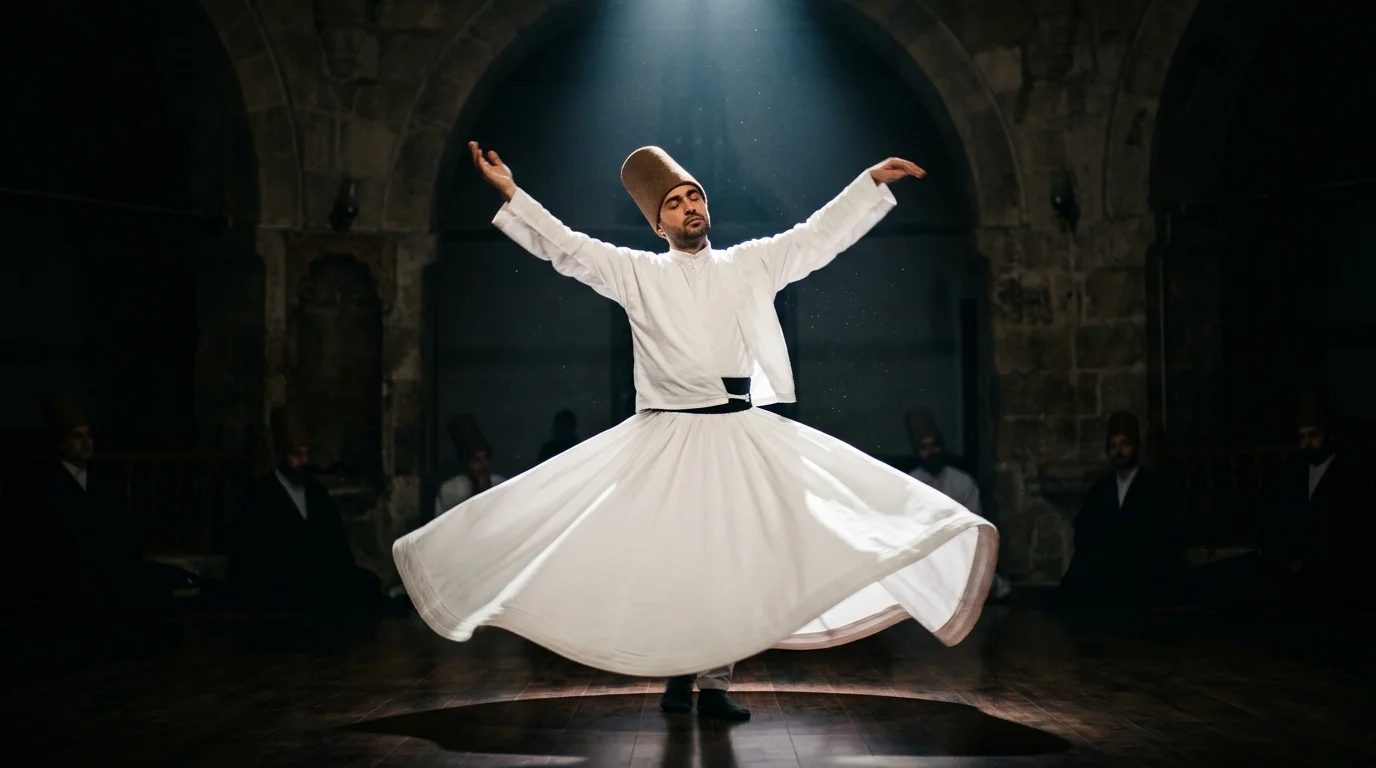
- The Sema ceremony (Semâ) — the whirling-dervish turning, a meditative Sufi worship, performed weekly (typically Saturday evenings) at the Mevlana Culture Centre and during the December Şeb-i Arus festival. Book ahead.
- Alaeddin Hill and Mosque (Alaeddin Tepesi / Cami) — the old citadel mound in the city centre with the great 13th-century Alaeddin Mosque, one of the oldest Seljuk mosques.
- İnce Minareli Medrese — a slender-minaret Seljuk theology school, now the Museum of Wood and Stone Carving, with superb portal carving.
- Karatay Medresesi — a 13th-century medrese, now the Tile Museum, with fine Seljuk tilework and ceramics.
- Şems-i Tebrîzî Camii ve Türbesi — the mosque and tomb of Shams of Tabriz, Rumi's spiritual companion, a quiet, atmospheric site.
- Aziziye Mosque — a striking Ottoman baroque mosque with twin minarets near the bazaar.
- Çatalhöyük (day trip, ~50 km) — a Neolithic settlement older than 8000 years and a UNESCO World Heritage Site; one of the world's earliest known cities, for travellers interested in deep history.
This is a culture-and-faith destination: spend the days in museums and Seljuk monuments, the evenings at the Sema, and the meals on etli ekmek and Konya sweets. Travellers wanting beaches or nightlife should look to the coast; those wanting Islamic heritage, history and calm will love Konya.
Etiquette at the Museum and the Sema
The Mevlana Museum is a shrine before it is a museum, and local visitors treat it with visible reverence; enter quietly, keep children's voices low especially inside the mausoleum hall, and respect the photography signs, which vary between rooms and usually prohibit photos inside the tomb chamber itself. Shoe covers are typically required for the tomb corridors, and you will find them at the entrance.
The Sema ceremony, likewise, is worship rather than a tourist show; total silence is the golden rule — no flash photography and no audible commentary while the dervishes turn. Taking children is possible if they are old enough to stay quiet for about an hour; otherwise it is kinder to everyone to leave them at the hotel with a relative. Book your ticket in advance, especially for the December season, and arrive fifteen minutes early for a good seat.
Food
Konya's cuisine is hearty Anatolian, and it is all halal:
- Etli ekmek — Konya's signature: a long, thin, crisp flatbread baked with spiced minced lamb; eaten with ayran and lemon. The defining dish of the city.
- Fırın kebabı — slow-roasted lamb from the oven, a traditional Sunday dish.
- Tirit — a layered bread-and-meat dish with broth, a historic Konya recipe.
- Mevlana şekeri / lokum — a soft sugar-and-locust-bean candy named for Rumi; a classic souvenir.
- Höşmerim — a sweet cheese dessert.
When to Go
- Best weather: April to June and September to October — pleasant days, cool nights, ideal for walking the city.
- Summer: July and August are hot and dry (35 °C+ in the day) and busy with domestic visitors; carry water.
- Winter: December to February is cold, sometimes snowy — but mid-December brings the Şeb-i Arus commemorations of Rumi's passing, the most intense time of Sema ceremonies.
- Shoulder: April-May and October are the sweet spots for Gulf families — comfortable, uncrowded, good value.
- Konya's elevation makes nights cool even in summer; bring a layer for the evening.
Before fixing your dates, follow the updated forecast on the official Turkish meteorology site — the plateau's day-to-night temperature swing is significant. For the timing logic across Turkey, see our best time to visit Turkey.
A Suggested Two Days in Konya
- Day one: the Mevlana Museum right at opening, then a walk to the nearby İnce Minareli and Karatay medreses, with an etli ekmek lunch at the surrounding restaurants. Late afternoon, Alaeddin Hill and its mosque, then the nearby bazaar, and in the evening the Sema ceremony at the Mevlana Culture Centre (confirm the weekly schedule ahead).
- Day two: a morning trip to Çatalhöyük for deep-history lovers (about an hour each way), or a calmer loop of the Şems-i Tebrîzî tomb, Aziziye Mosque and the city bazaar, a traditional lunch of tirit or fırın kebabı, then an evening departure by train or plane — or the road to Cappadocia.
The rule of this plan is flexibility; the city is calm enough that reshuffling a day costs you nothing, and inner distances are short enough to cover mostly on foot.
Konya vs Trabzon: Which Suits Your Family?
| Criterion | Konya | Trabzon |
|---|---|---|
| General character | Spiritual and historic, dry plateau | Green and natural, on the Black Sea |
| Signature experience | Mevlana Museum and the Sema | Nature, highlands and beaches |
| Weather | Dry, cool nights | More rain, constant green |
| Children | Museums and history, better for older kids | Nature that works for every age |
| Natural pairing | Cappadocia and Ankara | Ayder and Uzungol |
The comparison comes down to one question: what does the family want from the trip? If the goal is Islamic heritage, spirituality and historic architecture, Konya has no rival — it is the city of faith and calm as we have described. If the goal is cool green nature where children can roam after months of Gulf heat, Trabzon fits that mood better, with colder winters and more rain. Many Gulf families combine both in one trip via Ankara, taking the spiritual dose in Konya and the green dose in the north.
Halal and Family Fit
Konya is one of Turkey's most halal-friendly cities by nature. It is deeply conservative and religious — alcohol is virtually absent from public life, dress is modest, and the whole tone is calm, scholarly and family-oriented. Halal food is universal (etli ekmek, kebabs, Anatolian home cooking), mosques are everywhere, and there is no bar district to avoid. For Gulf and halal-conscious families this is one of the easiest, most comfortable cities in Turkey: you do not need to plan around nightlife or alcohol at all. Combine it with Trabzon or Cappadocia for a conservative-friendly Anatolian circuit. For the wider halal picture, see our Turkey halal tourism guide and our Turkey family hotels guide.
Getting There
- Fly to Konya Airport (KYA) — a small airport about 20-30 minutes from the centre, with limited but useful domestic and some Gulf-connected flights (often via a stop).
- High-speed train (YHT) — often the best option: about 1 hour 15 minutes from Ankara, and direct services from Eskişehir and Istanbul (Pendik) (around 4-5 hours from Istanbul). Scenic and comfortable.
- Via Ankara — many Gulf travellers fly to Ankara (ESB) and take the YHT or a private transfer south to Konya (about 3 hours by road).
- Cappadocia is about 3 hours away by road — a natural pairing.
Book a private transfer from KYA or Ankara in advance, start your Konya hotel search, and see our Turkey tours for Mevlana and Cappadocia circuits.
Practical Info for Gulf Visitors
| Info | Detail |
|---|---|
| Location | Konya, central Anatolia (~250 km S of Ankara) |
| Best for | Islamic heritage, Mevlana/Rumi, Sema, Seljuk architecture |
| Best season | April-June & September-October (cool, uncrowded) |
| Currency | TRY (USD as guide). 1 SAR ≈ 22-24 TRY |
| Time zone | UTC+3 (same as Saudi/Qatar) |
| Indicative nightly | 3-4★ $50-90; 4-5★ $90-180 (2026) |
| Sema ceremony ticket | ~$10-20 (Saturday evenings, book ahead) |
| Nearest airport | Konya (KYA), ~20-30 min; or Ankara (ESB) + YHT |
| Visa | e-visa or visa-free for most Gulf citizens; see visa guide |
| Getting there | KYA flight, YHT high-speed train, or Ankara + private transfer |
| Official tourism | Go Türkiye · Konya Governorship |
FAQ (12 questions)
- Where is Konya? On the central Anatolian plateau, about 250 km south of Ankara; it was the capital of the Anatolian Seljuks and the home of Mevlana Rumi.
- Why go to Konya? For Islamic heritage and Sufi culture — the Mevlana Museum (Rumi's tomb), the whirling-dervish Sema, great Seljuk mosques and medreses, and conservative, halal-by-nature atmosphere.
- What is the Mevlana Museum? Rumi's mausoleum under a turquoise dome, with the tombs of his family and Mevlevi leaders and exhibits of dervish life; the spiritual heart of the city.
- Can you see the whirling dervishes? Yes — the Sema ceremony is performed regularly (typically Saturday evenings at the Mevlana Culture Centre), and intensively during the December Şeb-i Arus festival. Book ahead.
- Is Konya halal-friendly? Very — it is one of Turkey's most conservative cities; alcohol is nearly absent, dress is modest, all food is halal, and there is no nightlife district to avoid.
- What else is there besides Mevlana? Alaeddin Hill and Mosque, the Ince Minareli and Karatay medreses, the Şems-i Tebrîzî tomb, Aziziye Mosque, and the Neolithic site of Çatalhöyük nearby.
- What is etli ekmek? Konya's signature dish — a long, thin crisp flatbread baked with spiced minced lamb; eat it with ayran and lemon.
- How do I get there? Fly to Konya (KYA) (small airport), or take the high-speed train (YHT) from Ankara (~1h15m) or Istanbul (~4-5h), or fly to Ankara and transfer south.
- When is the best time to go? April-June and September-October for comfortable weather; mid-December for the Şeb-i Arus Sema commemorations; avoid the peak heat of July-August midday.
- How long should I stay? Two nights is ideal — one for the Sema ceremony, one full day for the Mevlana Museum and Seljuk monuments.
- What can I combine it with? Cappadocia (~3 hours) is the classic pairing; also Ankara, or a Black Sea route via Trabzon. See our Cappadocia guide.
- Is it good for children? Yes — the city is safe, calm and walkable; the Mevlana Museum courtyard and the dervish ceremony interest older children, and Çatalhöyük is a memorable history trip.
Conclusion
Konya is the right pick for Gulf families who want Turkey's spiritual and Islamic-heritage heart — the Mevlana Museum, the whirling-dervish Sema, the Seljuk mosques and medreses, and the calm of a deeply conservative, halal-by-nature city — over a beach resort. Plan two nights around a Saturday Sema, travel in spring or autumn, and arrive via the high-speed train from Ankara or Konya Airport with a pre-booked transfer. Pair it with Cappadocia for the classic Anatolian culture circuit, or with Trabzon for another conservative-friendly route.
Search Konya hotels · Book a private transfer · Best time to visit Turkey
Related travel guides
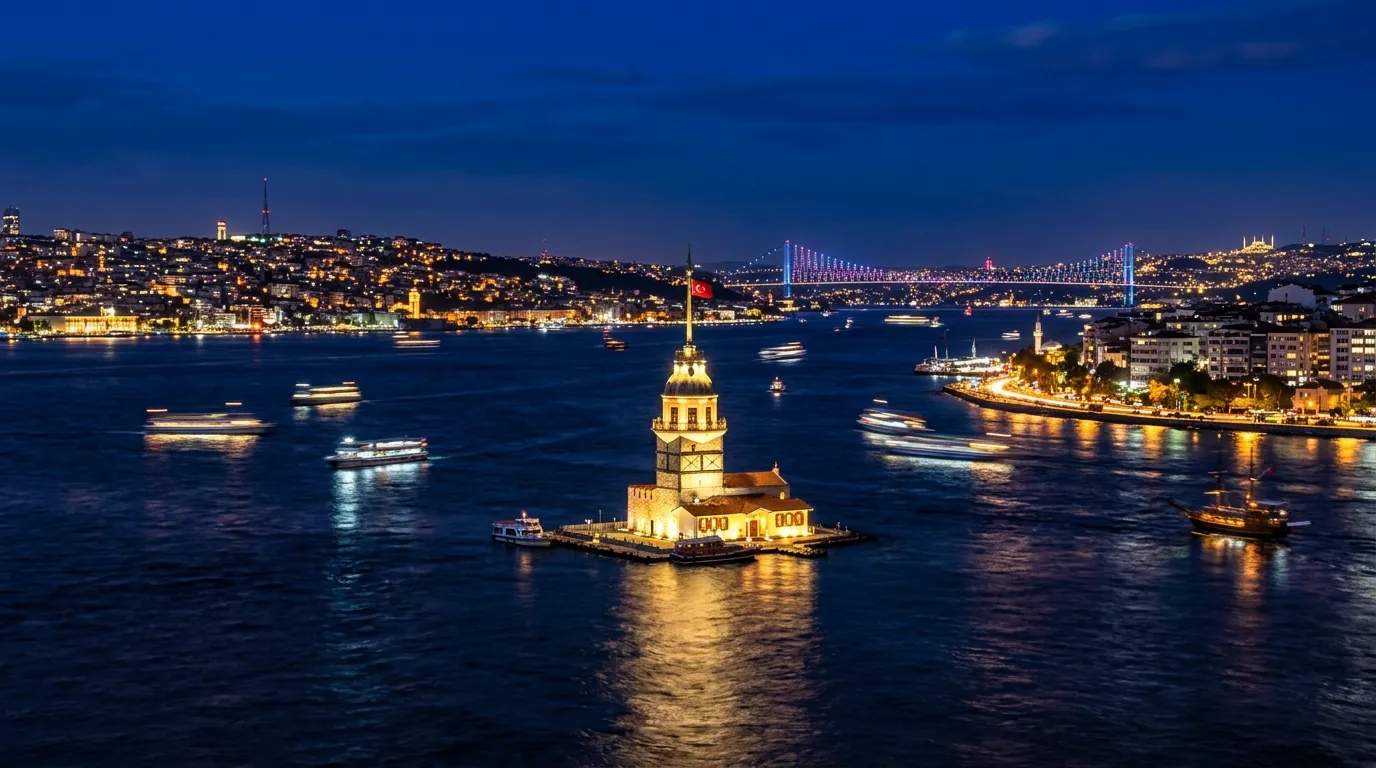
Istanbul night tour 2026: Bosphorus dinner cruises, live music, halal restaurants, family activities, night safety, and late transport for Gulf visitors.
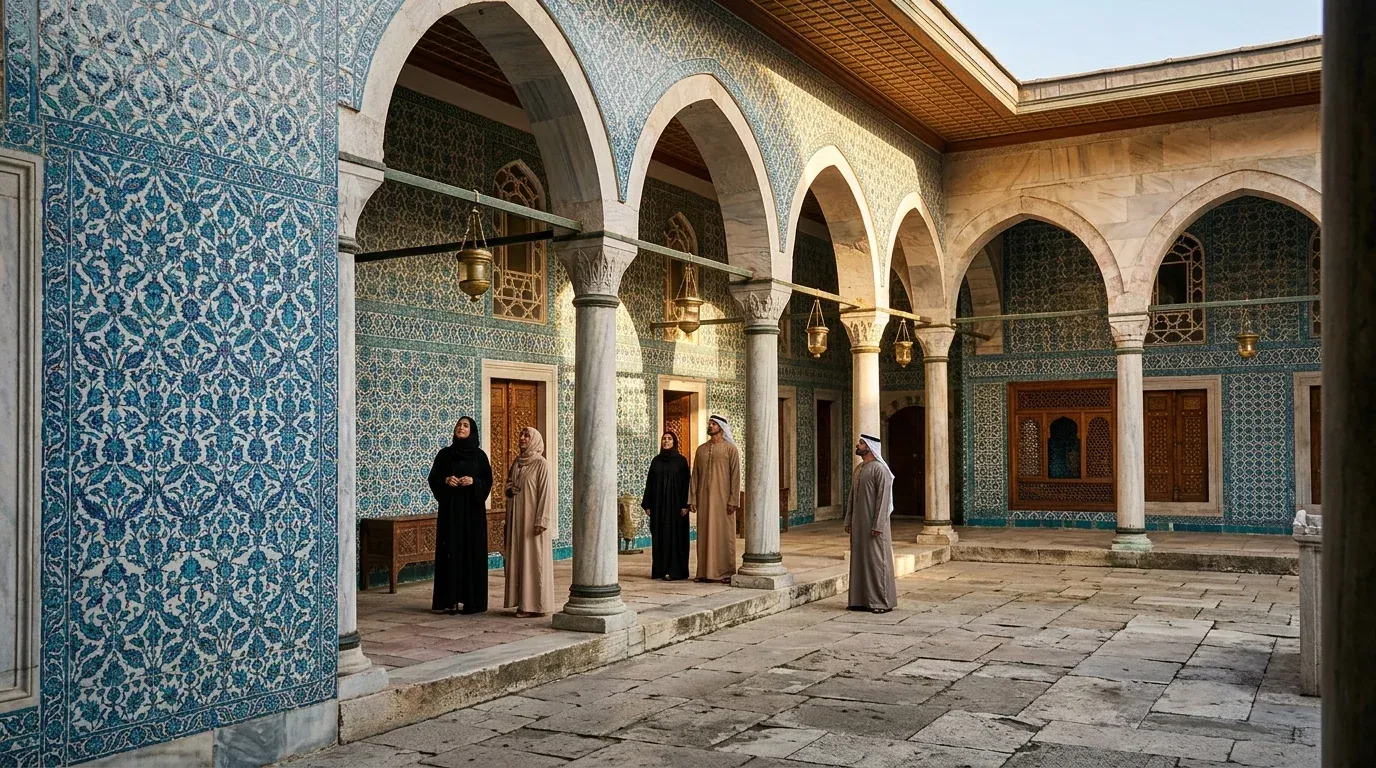
Istanbul historical sites 2026: Hagia Sophia, Topkapi, the Blue Mosque, the Grand Bazaar and more, with tickets, a 3-day plan and tips for Gulf families.
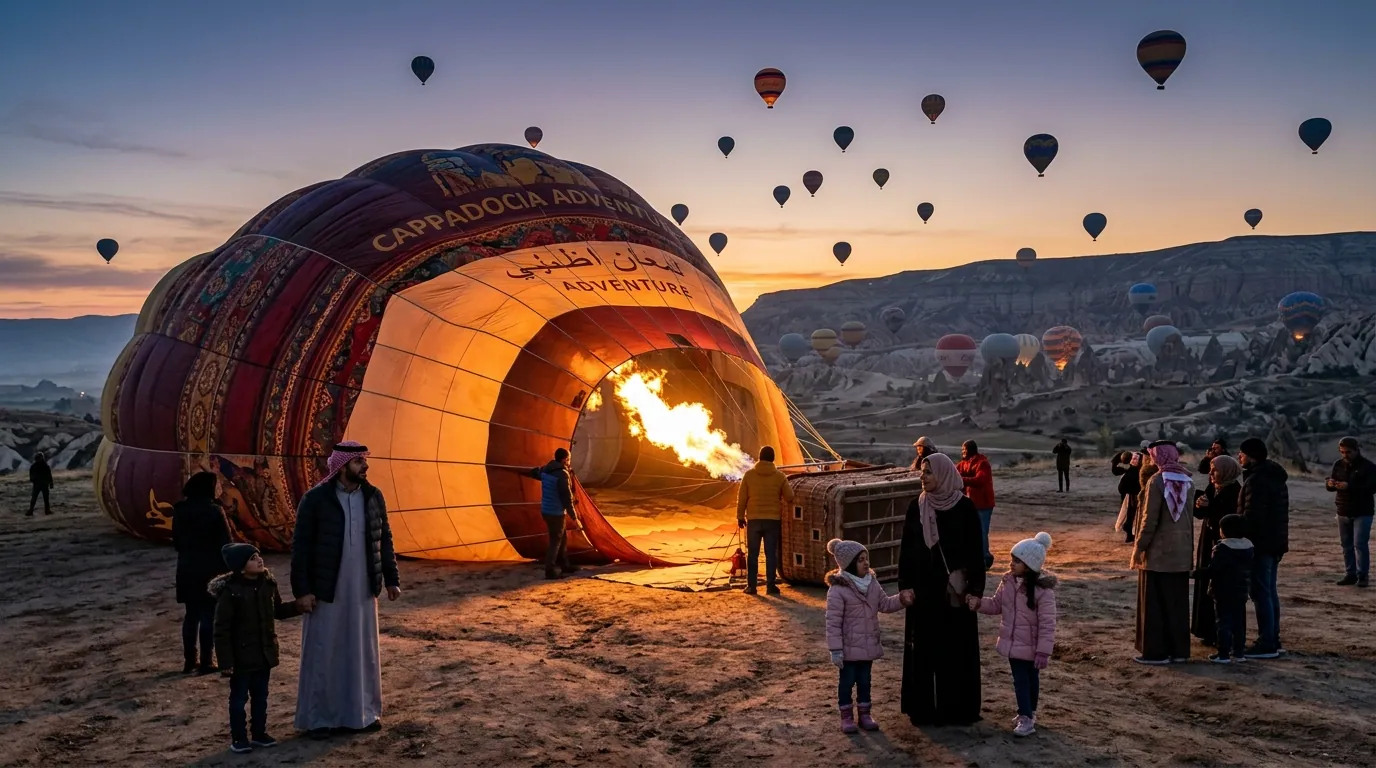
Cappadocia balloon tour 2026: prices by category, dawn takeoff, safety rules, best season for Gulf families, booking window, and cancellation policy.
Ready to explore Turkey?
Voyago brings together hotels, tours and transfers to help you plan the perfect trip to Turkey.