
Quick Answer for Gulf Visitors
How many people live in Turkey? About 85-86 million according to the latest TÜİK figures — putting Turkey among the world's 20 most populous countries, with almost half under about 34.
Where is the population concentrated? Istanbul alone holds about 16 million, followed by Ankara, then Izmir, Bursa and Antalya — the five cities that absorb the bulk of Gulf tourism.
What does it mean for travelers? Major cities have excellent infrastructure and competitive prices, but peak season demand — Ramadan and summer — calls for early booking; the comfortable rule is to travel in shoulder months, or split your day between landmarks in the morning and quiet districts in the afternoon.
Turkey Through the Demographic Lens: Why the Number Matters
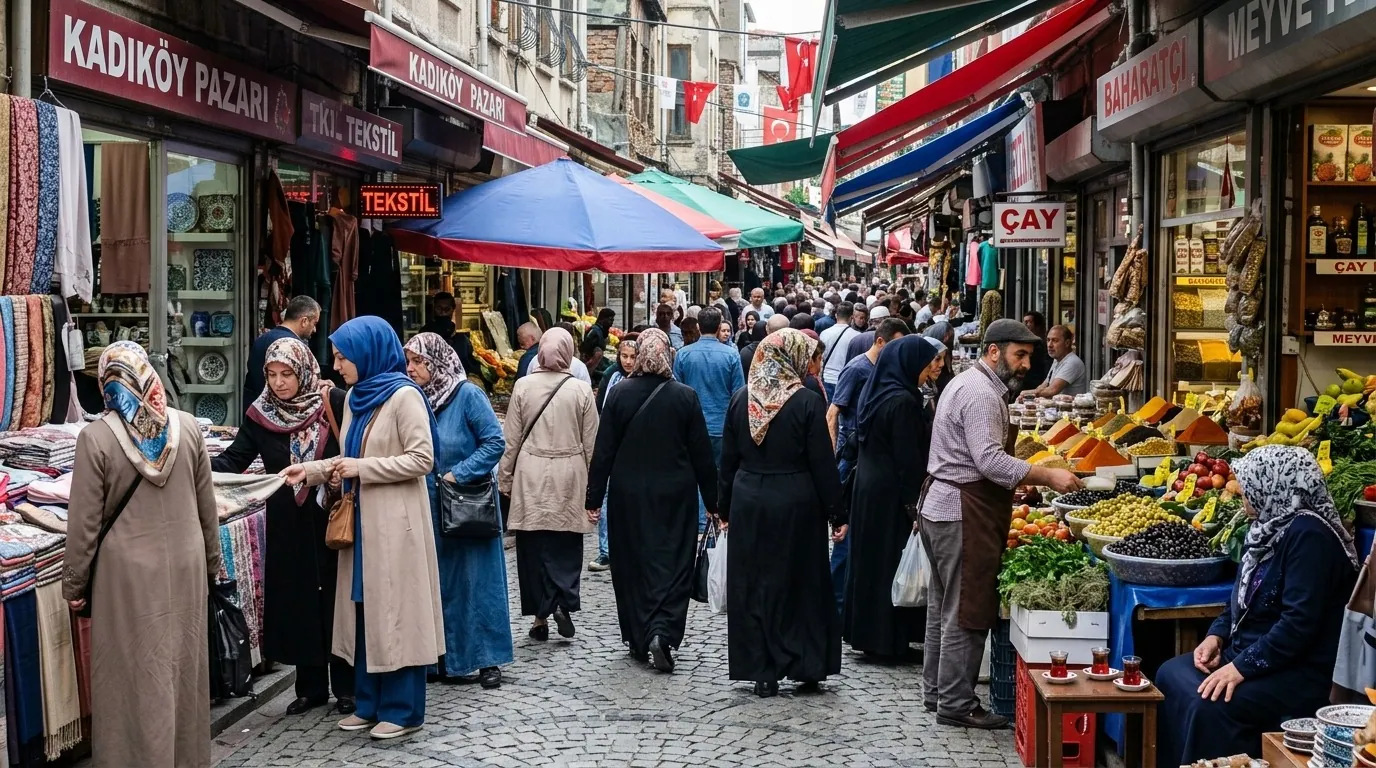
Population is not a footnote: it is the key to understanding what awaits you as a Gulf visitor. Turkey is a young and rapidly urbanizing country, and its main cities absorb seasonal domestic migration. From the moment you grasp these numbers, you understand why you should book early, why menus are so varied, and why young English speakers are common in most hotels. Before reading further, see the Turkey map guide and the best areas to stay guide.
The Headline Numbers: How Many People Really Live in Turkey?
| Indicator | Value (approx. 2026) | Note |
|---|---|---|
| Total population | about 85.5 million | latest TÜİK estimate available at update |
| Global rank | between 18 and 19 | by population |
| Average density | 110 inhabitants/km² | very uneven distribution |
| Urban share | 93 % | among the highest in the region |
| Median age | 33.5 years | about half the society is under 35 |
| Youth share (0-14) | 22 % | historic demographic momentum |
The official current number is published by TÜİK and updated at the start of every year.
The 10 Largest Cities: Where People Concentrate
| City | Approx. population | What it means for a Gulf visitor |
|---|---|---|
| Istanbul | 16 million | the tourism heart — busy in summer, calm in winter |
| Ankara | 5.8 million | the political and administrative capital |
| Izmir | 4.4 million | the Aegean capital and a summer coast |
| Bursa | 3.1 million | Iskender kebab and the cable car to Uludag |
| Antalya | 2.6 million | the all-inclusive resort capital |
| Adana | 2.3 million | Adana kebab and the hot southern kitchen |
| Gaziantep | 2.1 million | the baklava and food capital |
| Konya | 2.3 million | pair Konya and Cappadocia in one program |
| Kayseri | 1.5 million | the air gateway to Cappadocia |
| Diyarbakir | 1.8 million | culturally rich southeast |
| Samsun | 1.4 million | Black Sea city |
| Trabzon | 820 thousand | the tourism capital of the North |
What Does This Mean for the Gulf Visitor?
Book faster: Istanbul and Antalya in summer fill quickly — reserve hotels and transfers at least two months ahead.
Young, multilingual staff: the low median age explains why many hotels and malls have young staff who speak Arabic — a real edge over many European destinations.
Diverse cuisine: demographic variety explains the rich kitchen — from spicy Adana kebab to Aegean and Black Sea seafood, every region has its own specialty.
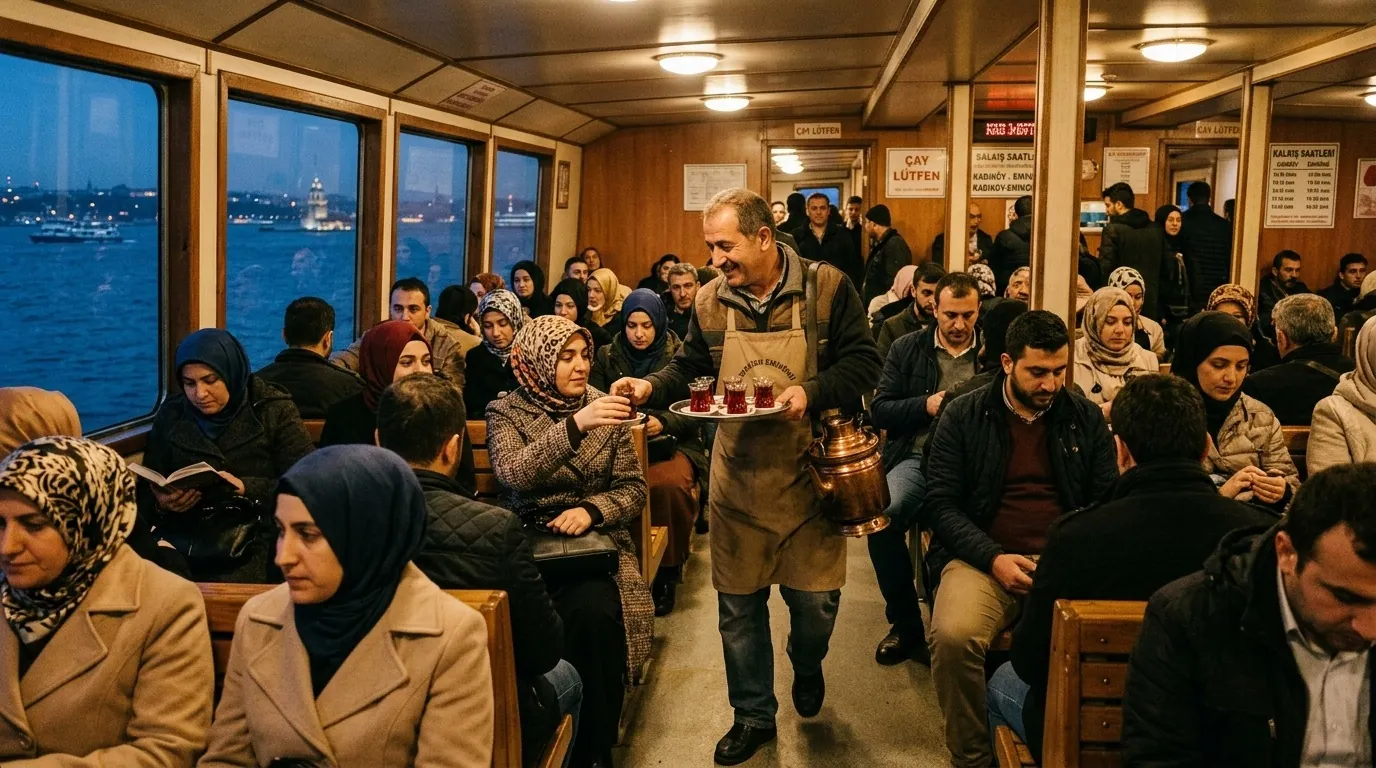
Seasonal surges: during Ramadan, Eid al-Fitr, Eid al-Adha and Youth and Sports Day (19 May), demand and prices rise noticeably in Istanbul, Bursa and Cappadocia.
Common Questions on the Demographic Makeup
- Is Arabic widely spoken? In Istanbul and Antalya: yes in tourist areas and major hotels, less so inland. English usually does the job.
- Where are streets less crowded? Inland Anatolia — Konya, Sivas, Kayseri are calmer than Istanbul.
- Is the population still growing? Yes, at 0.5-0.7 % per year — higher than most European countries but lower than the Gulf.
- How do I follow the latest data? TÜİK — the site is in English and Turkish.
Beyond the Number: The Full Picture of Turkey 2026
Turkey is a young and mostly urban country, half its people under 35 and more than 90 % in cities. That explains the dynamism of its economy, services and tourism: huge malls, modern airports, and 4-5 star hotels in every major city, joined by a high-speed rail network linking Istanbul to Ankara and Izmir. As a Gulf visitor you arrive in a country with developed infrastructure offering every facility you are used to at home — and, being a Muslim-majority country, you find halal food and prayer times close to your own habits. Strikingly, this population is spread across many cities rather than one capital: every major city holds a full life of airports, malls, universities and historic quarters — a decentralization that means splitting your trip across two or three cities lowers the service level in none of them.
Practical Info for Gulf Visitors
| Item | Detail |
|---|---|
| Latest official figure | TÜİK |
| Annual update | usually published in February for the previous year |
| Best season to avoid crowds | mid-September and mid-March |
| Festivals worth attending | Republic Day (29 October), Nowruz (21 March) |
| Full tourism information | GoTürkiye |
Practical Basics Before Your Trip
- Prayer times: a mosque in almost every neighborhood with ablution facilities, plus prayer rooms in malls and major airports.
- Money: the lira is official and city ATMs are plentiful; follow the official rate at the Turkish Central Bank.
- Transport: major-city airports link to official buses and metro, and for families a private transfer is easier with luggage and children.
- Connectivity: a Turkish Turkcell or Vodafone SIM, or an eSIM, from arrival.
- Emergency: 112 is Turkey's unified emergency number (police, ambulance, fire).
- Visa: most Gulf citizens are visa-exempt for 30-90 days depending on nationality — confirm via evisa.gov.tr or the Turkey visa guide.
- Hospitals: every provincial capital has large round-the-clock hospitals; Istanbul, Ankara and Izmir hold the newest facilities.
Estimated Costs by Budget
Turkish-lira estimates varying by season and city, highest in Istanbul and Antalya in summer:
| Item | Budget | Mid-range | Comfortable |
|---|---|---|---|
| Stay per night | 2,000-4,000 | 5,000-10,000 | 12,000-30,000 |
| Meal per person | 100-200 | 300-500 | 800-2,000 |
| Daily transport | 50-100 public | 1,500-3,000 car | 3,000-5,000 driver |
| Tour per person | 500-1,500 group | 2,500-5,000 private | 7,500-15,000 VIP |
Compare via hotels and tours before fixing the trip budget.
Golden Tips for Avoiding Crowds
- Early mornings for landmarks: Hagia Sophia and Sultanahmet before 10 a.m. mean far shorter queues.
- Midweek: Tuesday to Thursday is much calmer than the local weekend.
- Shoulder months: May, September and October combine fine weather with far thinner crowds.
- One district out: staying in Besiktas or Sisli instead of Sultanahmet eases the squeeze, with easy metro access.
- Book balloons and hotels early: in season, two months ahead — see hotels and tours.
- Use metro and tram: Istanbul's network beats surface traffic at rush hour and links the landmarks faster than a car.
- Skip the 8-9 a.m. commute peak: local transport is heaviest then; start your day after nine.
Common Mistakes to Avoid
- Last-minute booking: Ramadan and summer in Istanbul and Antalya fill two months out.
- Cramming one crowded district: Sultanahmet alone is not a trip; split time between both shores.
- Ignoring the Turkish holiday calendar: 19 May and 29 October are official holidays with heavier local traffic.
- Quoting stale figures: TUIK updates the number early each year — cite the source, not an encyclopedia.
Times to Avoid and Times to Invest
- July-August peak: maximum crowds in Istanbul, Antalya and Cappadocia.
- Ramadan and the Eids: Gulf and Turkish demand meet — book earlier than usual.
- January and February: the calmest time for the big cities if winter cold does not trouble you.
The best windows overall are May, June, September and October; the full seasonal picture is in the travel to Turkey guide.
Turkey vs the Gulf: A Quick Demographic Comparison
Setting Turkey beside the Gulf countries explains much of what you feel on the ground as a visitor:
| Indicator | Turkey | Gulf countries generally |
|---|---|---|
| Population | about 85 million | between 1 and 11 million per GCC state |
| Median age | 33 years | 29-33 — similarly young societies |
| Expat share | very low | above half the population in several states |
| Annual growth | 0.5-0.7% | historically faster, recently slower |
The practical idea behind the table: Turkey's service economy is built on 85 million permanent residents, not on a tourist season — so hospitals, airports and restaurants run at the same capacity in winter and summer alike, a level of stability that smaller seasonal destinations cannot match. It also explains the depth of the food scene: every million-strong city has simmered its own specialty for centuries, so each stop on your route serves a different kitchen without leaving the country.
What the Numbers Mean for Your Daily Services
Translate the demographics into your own travel week and three effects stand out. First, staffing depth: with tens of millions of young urban workers, hotels and malls in Istanbul, Ankara and Antalya keep full rosters year-round, so service quality does not sag in shoulder seasons the way it can in purely seasonal resorts. Second, domestic demand keeps prices honest: restaurants and shops that serve locals every day cannot run two price lists, which is why eating and transport outside the premium tourist strips stay inexpensive by Gulf standards. Third, scale breeds connectivity — a country of this size sustains multiple daily flights between every major city, an extensive high-speed bus network, and hospital capacity in each provincial capital, so a family medical need or a route change never strands you far from help. The crowds you were warned about concentrate in a handful of square kilometers around Sultanahmet and Antalya's old town in July and August; step one district away, or travel in May or September, and the same 85 million feel remarkably spacious. The population is also why prayer facilities are everywhere — mosques in every neighborhood, prayer rooms in malls and airports — an everyday infrastructure advantage for Muslim visitors described further in best areas to stay.
FAQ (12 Questions)
- What is the exact population of Turkey? About 85.5 million according to the latest official count.
- Largest city? Istanbul, at about 16 million.
- Is the country crowded with tourists? In summer, yes in Istanbul and Antalya; in winter, far less.
- What is the median age? About 33 — half the population is young.
- Is Arabic understood? In major tourist areas, yes, especially among young staff.
- Share of Muslims? About 99 % by official estimates, predominantly Sunni.
- Is the population still growing? Yes, by about 0.5 % per year.
- Largest Anatolian cities? Ankara, Konya, Kayseri, Sivas.
- Is Gulf tourism expected to grow? Yes, especially with the e-visa facility.
- What sets the demographic profile apart from Europe? Youth and energy — visible in the pulse of the cities.
- Is the infrastructure sufficient? Yes: roads, airports, and modern hospitals in every major city.
- Best source for the current number? TÜİK — for tourism: GoTürkiye.
Conclusion
Turkey is a young country with great cities and a developed tourism infrastructure: 85 million people across 783,000 km², ready to host a Gulf visitor who needs a comfortable stay, halal food and world-class services. Book early in peak seasons, know that almost half the population is your age, and welcome to a country that understands and loves tourism. When planning, remember that the number changes slowly while the seasons change fast: check TUIK for the figure and the holiday calendar before fixing your dates — those two references do half your planning.
Hotels in the busiest cities · Private transfer from any airport · Tours of the major cities
Sources
Related travel guides
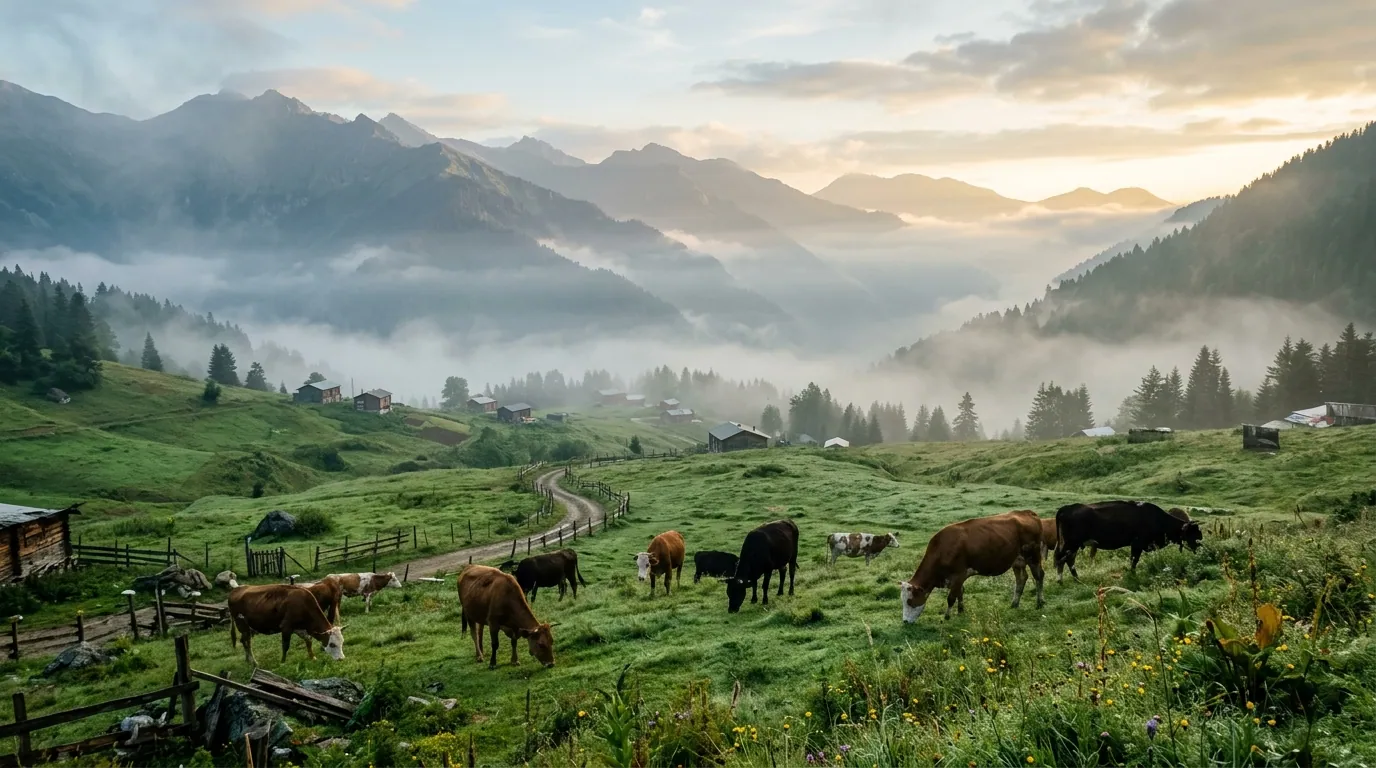
Ayder highlands 5-day itinerary 2026: a day-by-day plan for Arab families covering thermal pools, valleys, and Trabzon.
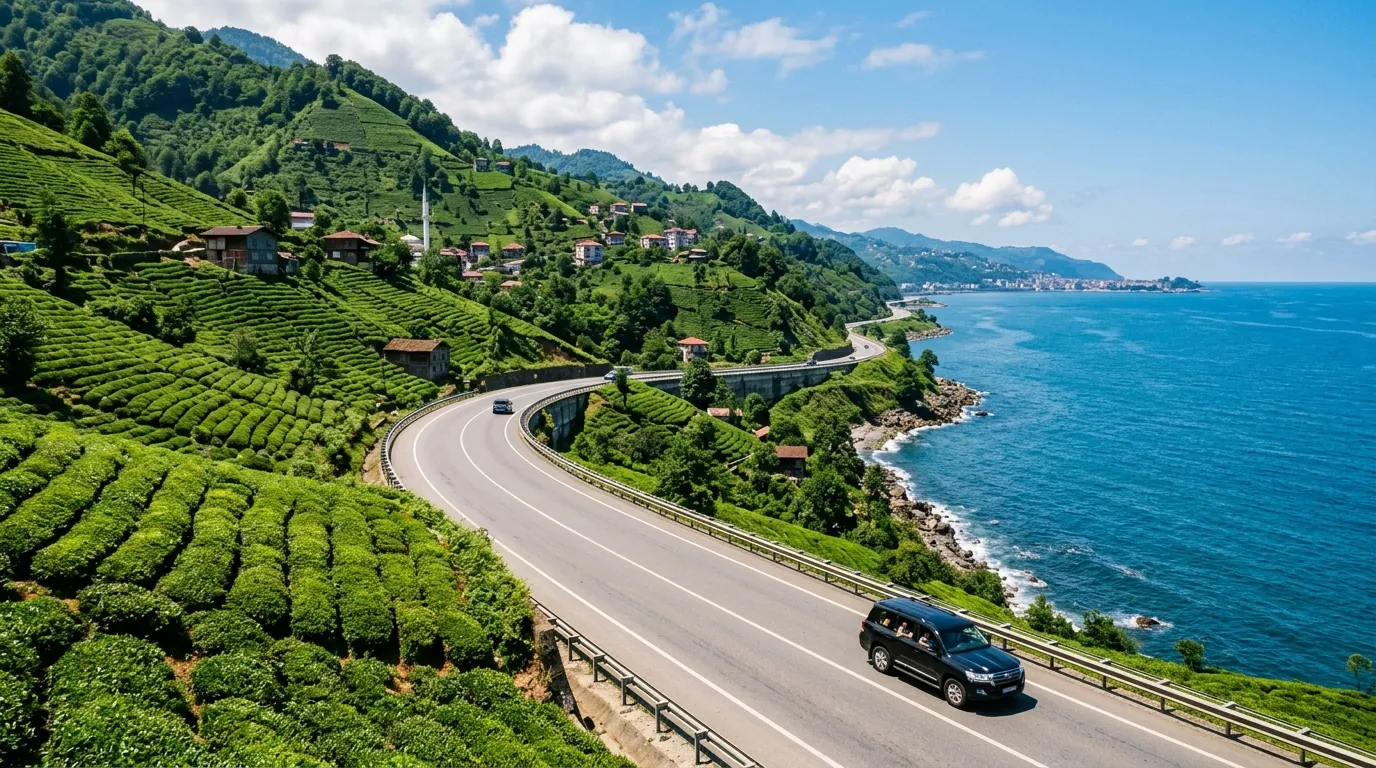
Ayder Trabzon distance 5-day itinerary 2026: a day-by-day plan for Arab families covering the transfer route.
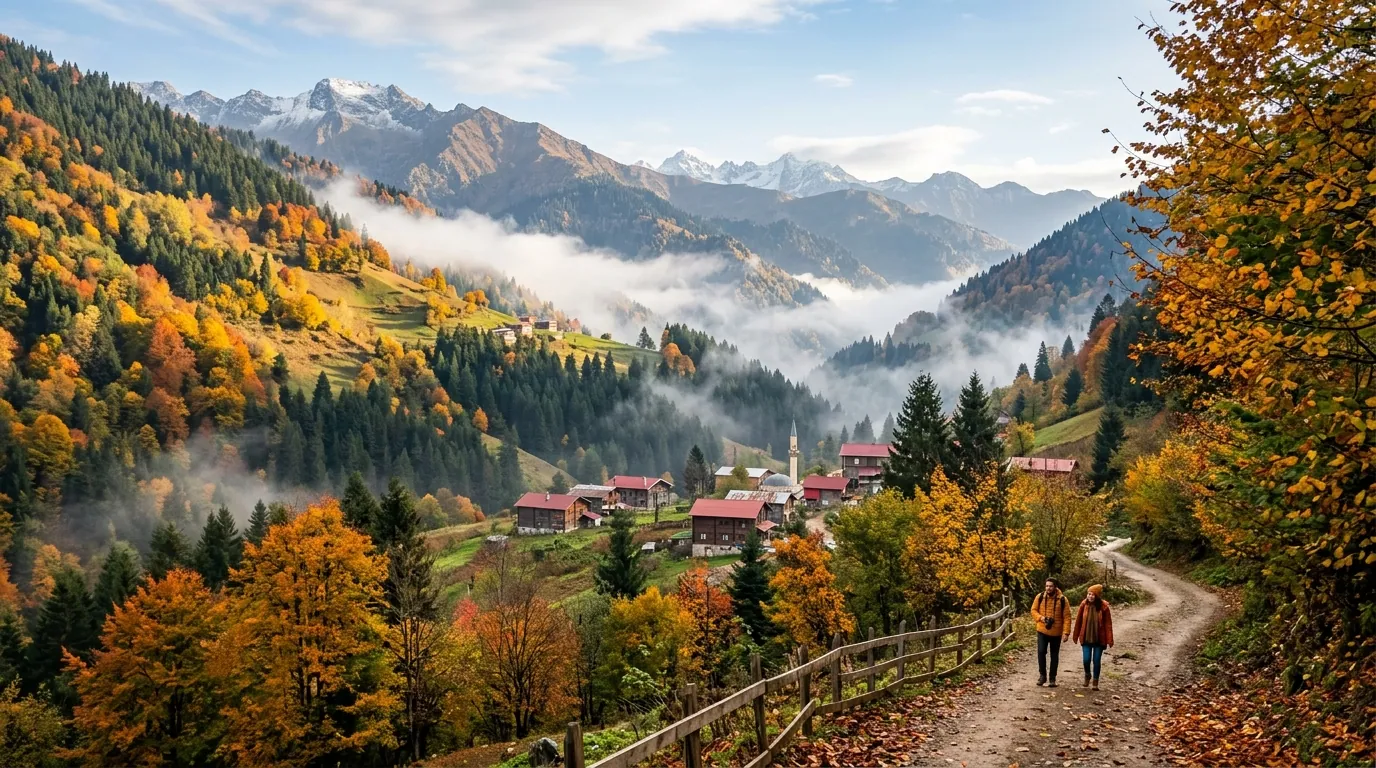
Ayder Turkey weather 2026: monthly averages, rain patterns, best months to visit, and packing tips for Gulf families.
Ready to explore Turkey?
Voyago brings together hotels, tours and transfers to help you plan the perfect trip to Turkey.