
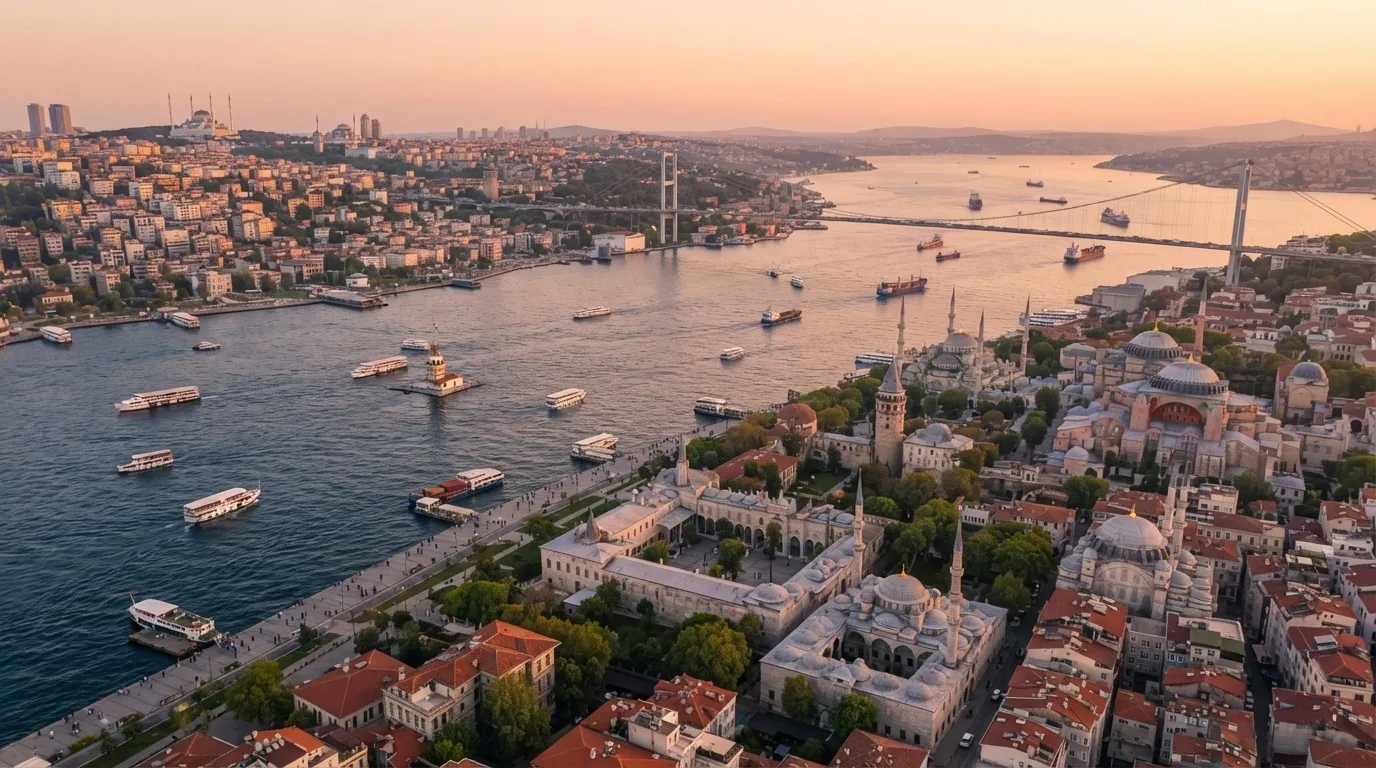
Quick Answer for Gulf Visitors
Where exactly is Turkey? — Turkey sits in Western Asia and Southeast Europe; about 97% of its land lies in Asia and the rest in Europe, overlooking the Black Sea, the Mediterranean, the Aegean, and the Sea of Marmara, with land borders shared with 8 countries.
How does that location shape your trip? — Turkey packs four climates into one country: a hot Mediterranean coast, a green and rainy Black Sea, a continental central Anatolia, and a cold mountainous east. Which destination fits you depends on your travel month more than anything else.
What are the core numbers? — 783,562 km² of land, Ankara as capital, Istanbul as largest city, the Turkish lira (TRY), the +90 dialing code, and UTC+3 local time.
Comprehensive Introduction
Turkey's location is unique: the country straddles two continents at the meeting point of seas, joining Europe and Asia in one state divided by the Bosphorus Strait. The position grants exceptional diversity in nature, climate, and culture: warm Mediterranean coasts, central plateaus, towering eastern mountains, and the evergreen Black Sea. Its largest city, Istanbul, is the economic and cultural heart, home to Hagia Sophia, the Blue Mosque, Topkapi Palace, and the Grand Bazaar. Travelers from Saudi Arabia arrive within 3-4 hours of direct flight and find complete tourism infrastructure, world-class hotels, and beloved cuisine.
Turkey Details for Arab Travelers
Category One: Essential Information
This category includes the basic facts every traveler needs before making travel decisions. Geographic location, climate, currency (Turkish Lira - TRY), official language (Turkish), and international calling code (+90) are among the most important. Gulf travelers find in Turkey an ideal mix of geographic proximity (3-4 hours flight from Riyadh or Dubai) and cultural and religious similarity.
Category Two: Cultural Information
Turkey combines more than 3,000 years of history, starting from ancient Anatolian civilizations (Hittites, Phrygians, Lydians), through the Byzantine Empire (with Constantinople as capital), to the Ottoman Empire (1299-1922). This rich heritage is visible in architectural landmarks, museums, archaeological sites, and traditional cuisine.
Category Three: Practical Travel Aspects
These include entry requirements (visa), internal transport options (flights, buses, metro), accommodation types (luxury hotels, serviced apartments, resorts), and cost of living. The next section provides a detailed comparison of these aspects to help you plan.
Comparing Travel Options by Budget
| Criteria | Option One | Option Two | Option Three | Notes |
|---|---|---|---|---|
| Price | Economy | Mid-range | Luxury | Per budget |
| Location | City center | Suburbs | Resort | Per priority |
| Comfort | Basic | Comfortable | Luxurious | Per preference |
| Food | Local | Diverse | International | Per taste |
| Transport | Public | Private | Rental | Per program |
| Language | Little | Moderate | High | Per experience |
Practical Tips for Gulf Visitors
Tips for Gulf Visitors from Saudi Arabia and UAE
- Carry some Turkish Lira for small payments (taxi, groceries), though cards are widely accepted
- Keep a copy of your passport on your phone and cloud storage, along with booking documents
- Use helpful apps: Google Maps, BiTaksi (for Istanbul taxis), Moovit (public transport), Yemeksepeti (food delivery)
- Learn basic Turkish words: Merhaba (hello), Teşekkürler (thank you), Evet (yes), Hayır (no)
- Shop at local markets (Grand Bazaar, Spice Bazaar) for better prices and authentic experience
Family Tips
- Book family-friendly hotels in advance during high season (June-August, Ramadan, holidays) 2-3 months ahead
- Choose connecting rooms or family suites for greater comfort
- Use kids club services in major hotels for relaxation
- Carry snacks for children, though most familiar foods are available in Turkey
- Plan a flexible schedule, especially with young children, to avoid fatigue
Budget Tips
- Use public transport instead of taxis, especially in Istanbul
- Eat at lokanta (local restaurants) instead of tourist restaurants
- Book hotels 4-6 weeks before travel for best prices
- Avoid tourist menu traps, order fresh food from the susi (counter)
- Buy at bazaars instead of malls, and learn to bargain
Practical Info for Gulf Visitors
| Item | Details | Note for Gulf Visitors |
|---|---|---|
| Currency | Turkish Lira (TRY) | 1 USD ≈ 38-40 TRY (2026) |
| Calling Code | +90 | To call Turkey |
| Istanbul Code | 212 (European), 216 (Asian) | For local calls |
| Emergency | 112 (police, ambulance, fire) | Free from any phone |
| Language | Turkish | English common in cities |
| Time | UTC+3 (TRT) | Same as Gulf (or -1) |
| Electricity | Type C/F | 220V, 50Hz (like Gulf) |
| Water | Drinkable in most cities | Bottled preferred |
| Insurance | Highly recommended | $30-100/person |
| Prayer | Mosques everywhere | Most 5-star hotels have prayer room |
| Halal Food | Widely available | Most restaurants are halal |
| Prayer Times | 5 times daily | Adhan, Muslim Pro apps |
Turkey on the Map: Borders and Seas
Turkey sits where Western Asia meets Southeast Europe; about 97 percent of its land lies in Asia and the remainder in European Thrace. It shares land borders with eight countries: Greece and Bulgaria to the west; Georgia, Armenia, Azerbaijan (Nakhchivan), and Iran to the east; and Iraq and Syria to the south. It overlooks four bodies of water: the Black Sea to the north, the Mediterranean to the south, the Aegean to the west, and the Sea of Marmara in between. This position made Turkey a commercial and cultural bridge since antiquity — and it is why the Gulf sits only 3-4.5 flight hours away.
Area and Terrain: From Coasts to Peaks
Turkey covers about 783,000 square kilometers — larger than Germany and Britain combined. The land steps up from low coasts to inland plateaus and then mountain ranges, with the highest peak, Mount Ararat, rising 5,137 meters in the far east. Its longest internal river, the Kizilirmak, crosses Anatolia into the Black Sea, and its largest lake, the salty Lake Van, lies in the east. This variety of terrain means variety of weather and scenery within a single trip.
Turkey's Major Cities and Their Locations
| City | Location | Dominant Character |
|---|---|---|
| Istanbul | Northwest on the Bosphorus | History, bazaars, and the sea |
| Ankara | Central Anatolia | The capital and museums |
| Izmir | West on the Aegean | Calm coast, European lifestyle |
| Antalya | South on the Mediterranean | Beaches and resorts |
| Bursa | Northwest near Marmara | Ottoman history and Uludag mountain |
| Trabzon | North on the Black Sea | Mountains, greenery, highlands |
The spread of cities mirrors the spread of people and economy: the northwest and the coasts are the beating heart, the interior is agricultural plateau, and the east is mountainous and lightly populated but rich in scenery. For Gulf travelers, most trips revolve around three cities from this table — Istanbul, Antalya, and Trabzon — linked by domestic flights of no more than two hours.
Turkey's Time Zone: Your Clock Against the Gulf
Turkey runs on UTC+3 all year with no daylight saving. That means the clock in Turkey exactly matches Riyadh, Doha, Kuwait, and Bahrain time, and sits one hour behind Dubai and Abu Dhabi. In practice there is no time confusion when calling family or booking tours, and the single-hour gap with the UAE makes matching domestic flight times effortless.
Location and Climate: Four Turkeys in One Country
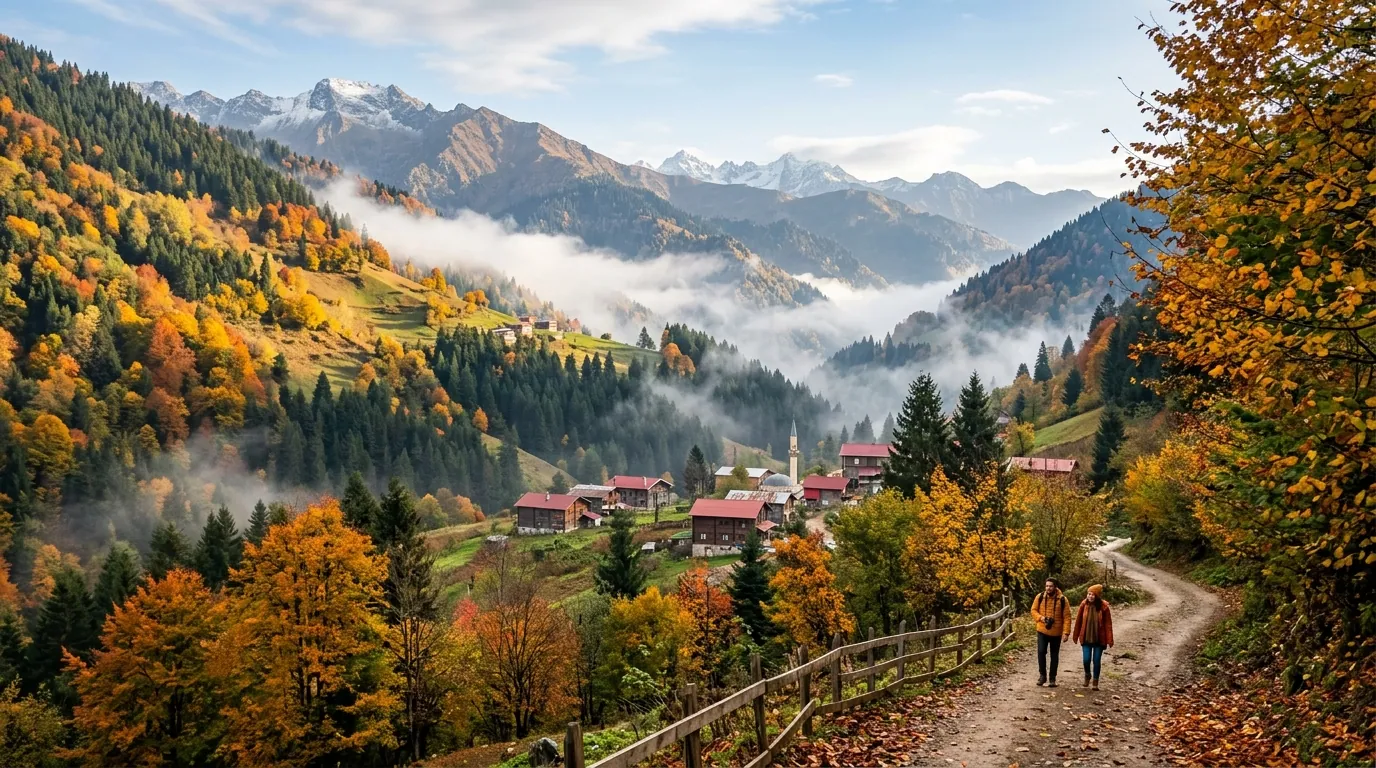
Turkey's stretched position creates four climate patterns. The Mediterranean and Aegean coast brings hot summers and mild winters — the beach and resort destination. The Black Sea brings heavy rain, permanent greenery, and mild summers — the escape from the heat. The Central Anatolian plateau is continental, cold in winter and dry-hot in summer, home to Cappadocia and Konya. The east holds high mountains and a long harsh winter with snow lasting into spring. Choose your pattern by season: beaches in the southern summer, cool air in the north, and snow in the eastern winter.
Turkey's Location and Flights From the Gulf
| Departure City | Flight to Istanbul | Note |
|---|---|---|
| Riyadh | About 4 hours | Multiple daily flights |
| Jeddah | About 3.5-4 hours | Among the shortest |
| Doha | About 4 hours | Excellent Qatar Airways links |
| Kuwait | About 3.5-4 hours | Direct daily flights |
| Dubai | About 4.5 hours | Morning and evening departures |
| Bahrain and Oman | About 4-4.5 hours | Direct or via a hub |
These short distances plus visa exemption explain Turkey's rise to the top of Gulf family destination lists: you can breakfast in the Gulf and lunch in Istanbul.
Turkey's Political and Economic Position in Brief
Turkey has been a NATO member since 1952, sits in the G20, has held a customs union with the EU since 1996, and ranks among the world's twenty largest economies. For travelers these facts mean practical things: infrastructure, phone networks, and safety standards on the European pattern; prices in a flexible local currency that keeps spending below Western European levels; and global hotel chains present in every class. Its membership in international organizations also gives its visitors familiar procedures, from insurance to international roaming.
Quick Facts About Turkey 2026
- Area: about 783,000 square kilometers across two continents
- Population: more than 85 million
- Capital: Ankara; largest city Istanbul
- Highest peak: Mount Ararat, 5,137 meters
- Time zone: UTC+3 year-round
- Land borders: 8 countries
- Seas: Black, Mediterranean, Aegean, and Marmara
- Comparison: larger than Germany and Britain combined in area
Related Articles and Resources
For a complete trip to Turkey, explore these helpful resources:
- Browse and book hotels across Turkey
- Reserve private transfer services
- Book guided tours and excursions
- Read more: Turkey visa for Saudi citizens
- Read more: Istanbul hotel guide
- Read more: Istanbul 5-star hotels
- Read more: Turkey country guide
- Read more: Turkey travel costs
- Read more: Best areas to stay in Turkey
Official Sources
Verify travel information through these official channels:
- Visa application: evisa.gov.tr
- Weather updates: mgm.gov.tr
- Tourism portal: goturkiye.com
- Foreign affairs: mfa.gov.tr
- Maps: yandex.com.tr/maps
Comparison: Turkey vs Gulf Home Bases
| Fact | Turkey | Saudi Arabia | UAE |
|---|---|---|---|
| Area | ~783,000 km² | ~2,150,000 km² | ~83,600 km² |
| Population | 85+ million | ~36 million | ~10 million |
| Time zone | UTC+3 | UTC+3 | UTC+4 |
| Currency | Turkish lira (TRY) | Saudi riyal (SAR) | Dirham (AED) |
The shared UTC+3 clock with Saudi Arabia is the quiet winner for Gulf travelers: no jet lag in either direction, and flight schedules line up with school and work routines back home.
FAQ
- Do Turkish destinations need advance booking?
Yes, advance booking is recommended especially in high season (June-September) for best prices and room choice. Booking 4-6 weeks before travel is ideal for Gulf families.
- How much does a Turkey trip cost for a family?
Costs vary by chosen level, but average 5-day budget for a family of 4 ranges from $1,500-4,000 covering hotels, food, transport, and tours. Luxury hotels can raise the cost to $6,000-10,000.
- When is the best time to visit Turkey?
Best times are April-May and September-October (spring and autumn) with mild weather and fewer crowds. Summer (June-August) is hot but peak season with more events. Winter is cold and cheaper but some places may be closed.
- Is Turkey suitable for children?
Yes, Turkey is very family-friendly destination. Most hotels offer children's services (kids club, babysitting, pools), Turkish cuisine is appealing to children, and landmarks suit all ages. Halal meals and babysitters are available at major hotels.
- How do I reach Turkey from the Gulf?
Direct flights are available from all Gulf countries to Istanbul (IST/SAW), Antalya (AYT), and Trabzon (TZX) via major airlines: Turkish Airlines, Pegasus, Emirates, Qatar Airways, Saudia, flydubai. Flight duration is 3-4 hours from Riyadh/Dubai, 4-5 hours from Kuwait/Doha.
- Do I need a visa for Turkey?
GCC citizens do not need a pre-arrival visa (visa-free) for stays up to 90 days. Residents of Gulf countries (expatriates) need an e-visa from evisa.gov.tr. Ensure passport validity is at least 6 months.
- Is Turkey safe for Arab tourists?
Yes, Turkey is very safe for Arab tourists. Crime rates are low, police are friendly, and Turkish people are known for hospitality. Avoid remote areas at night, and keep valuables in hotel safe.
- What language is spoken in Turkey?
The official language is Turkish. English is understood in major cities, especially in hotels, restaurants, and shops. In rural areas, you may need a translation app or local guide. Learning basic Turkish words is helpful and earns respect from locals.
- Is food halal in Turkey?
Yes, Turkey is 99% Muslim and halal slaughter is the standard. Most restaurants and hotels serve halal food. Some luxury hotels hold Halal Standard certification. Avoid pork and alcohol if you prefer.
- How do I pay in Turkey?
Credit cards (Visa, Mastercard) are widely accepted in cities. But carry some Turkish Lira for small payments and local markets. ATMs are plentiful. Mobile payment (Apple Pay, Samsung Pay) is accepted in major stores.
- Can I use a SIM card in Turkey?
Yes, you can buy a local SIM (Turkcell, Vodafone, Türk Telekom) from the airport or stores, or activate eSIM via Airalo or Holafly apps. Local SIM starts at $15-30 for 10GB. Ensure your phone is unlocked before travel.
- What places are near Turkey's main cities?
Many nearby destinations are easily accessible: historical landmarks, beaches, resorts, and traditional markets. Plan 2-3 day trips to explore the area.
Conclusion
Turkey is one of the essential topics every Gulf traveler should be familiar with before and during their trip to Turkey. With the information provided in this guide, you can make informed decisions about your destination, budget, program, and travel style.
Whether you seek deep cultural experience, beach relaxation, nature adventure, or shopping and entertainment, Turkey has something for everyone. Start planning early, book in advance during high season, and benefit from local information provided by the Voyago team.
To complete your trip to Turkey, explore the following services:
Hotels in Turkey · Private transfer in Turkey · Turkey tours
We wish you a happy and enjoyable trip!
Sources
Related travel guides
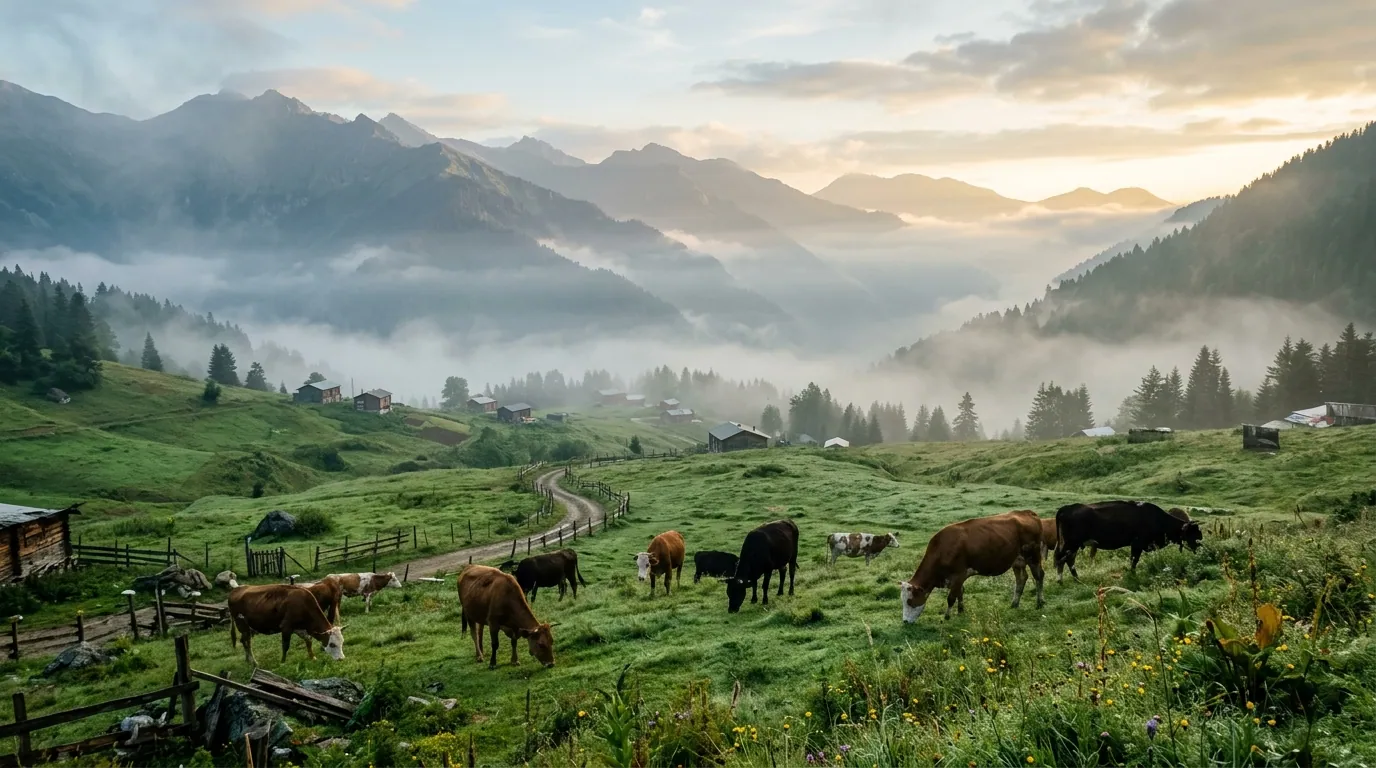
Ayder highlands 5-day itinerary 2026: a day-by-day plan for Arab families covering thermal pools, valleys, and Trabzon.
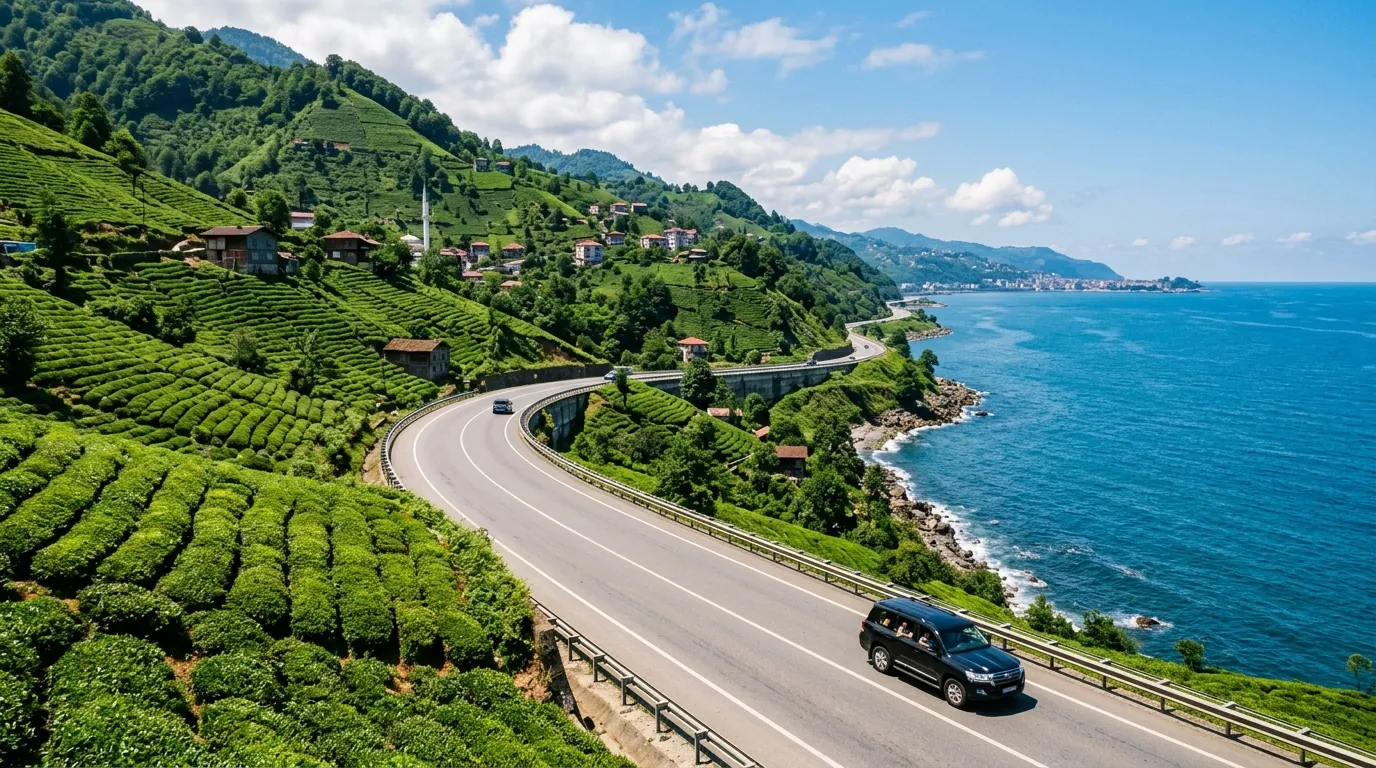
Ayder Trabzon distance 5-day itinerary 2026: a day-by-day plan for Arab families covering the transfer route.
Ayder Turkey weather 2026: monthly averages, rain patterns, best months to visit, and packing tips for Gulf families.
Ready to explore Turkey?
Voyago brings together hotels, tours and transfers to help you plan the perfect trip to Turkey.