
Quick Answer
Which are Turkey's best museums for Gulf visitors? — Hagia Sophia and Topkapi Palace in Istanbul, followed by the Antalya Museum, the Ephesus Museum, and Cappadocia's open-air museum.
Should you buy a Museum Card? — Yes if your plan covers three or more museums within 15 days; the comparison table below settles the question.
What about entry fees? — Anything from free entry to a few hundred lira at the major museums; prices are approximate and shift with the season and category.
If you are building your itinerary for the first time, this guide — the 2026 Turkey museum guide picking the best 10 museums for Gulf visitors — puts the essentials on a single page: what to see at each stop, who it suits, and how to dodge the crowds and the midday heat. Some of these museums, above all the Mevlana Museum in Konya, are spiritual destinations that Gulf travellers deliberately cross the country to reach, so slotting them into the route deserves calm planning rather than haste.
The Top 10 Museums in Turkey
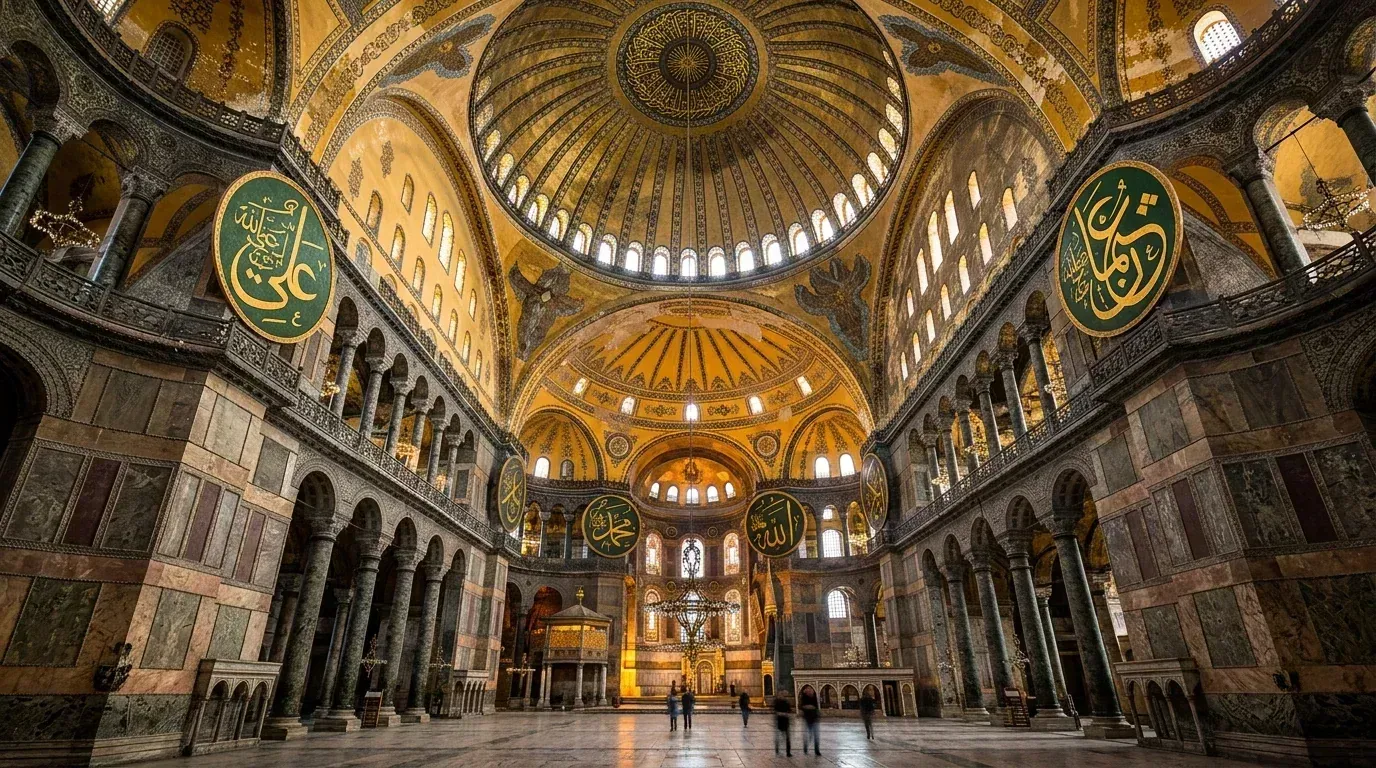
1. Hagia Sophia (Istanbul)
Turkey's most famous building and its most visited: a great church completed in 537, later a mosque, later a museum, and a mosque again since 2020. Entry is free, and visits pause briefly at prayer times, so plan around them. Early morning beats the tour buses; one hour covers the dome, the mosaics, and the courtyard looking over the strait. For the historic quarter around it, see our guide to Istanbul's historic sites.
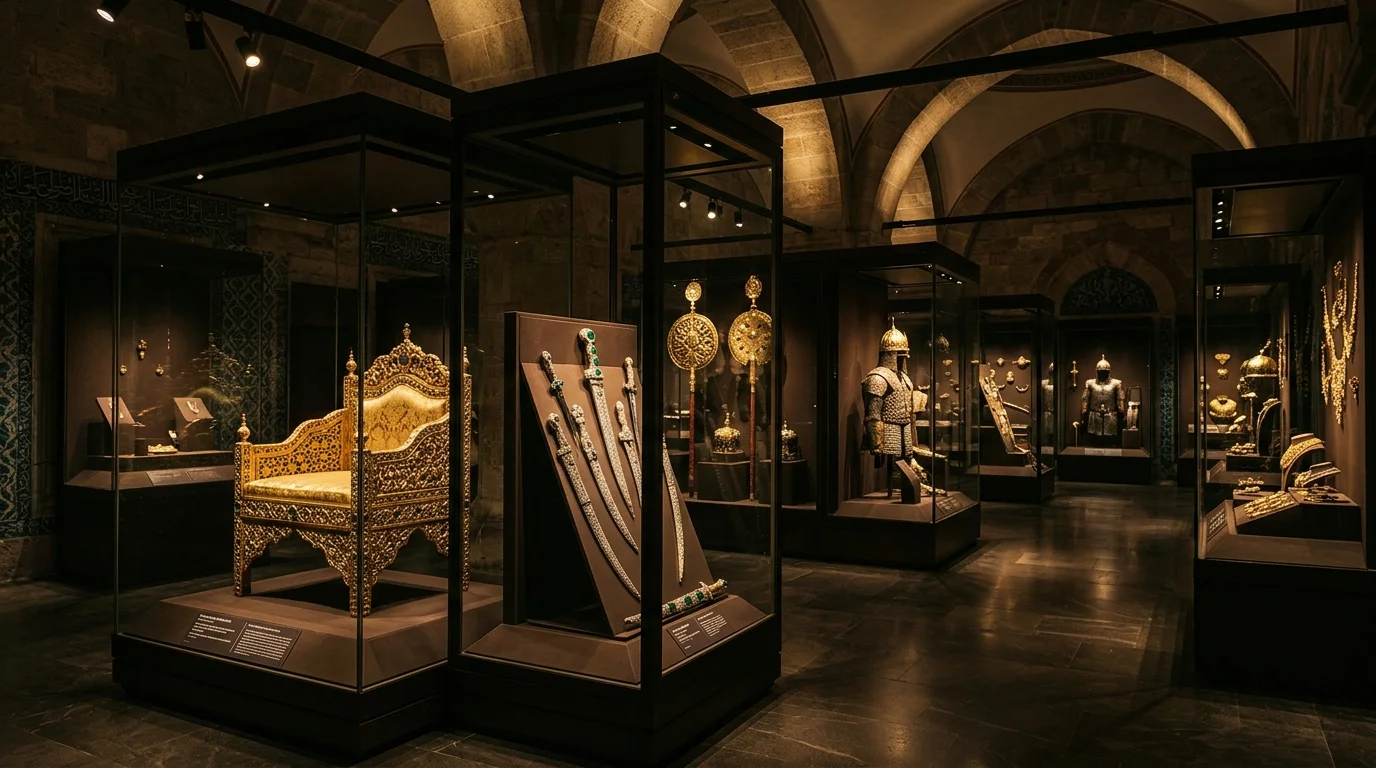
2. Topkapi Palace (Istanbul)
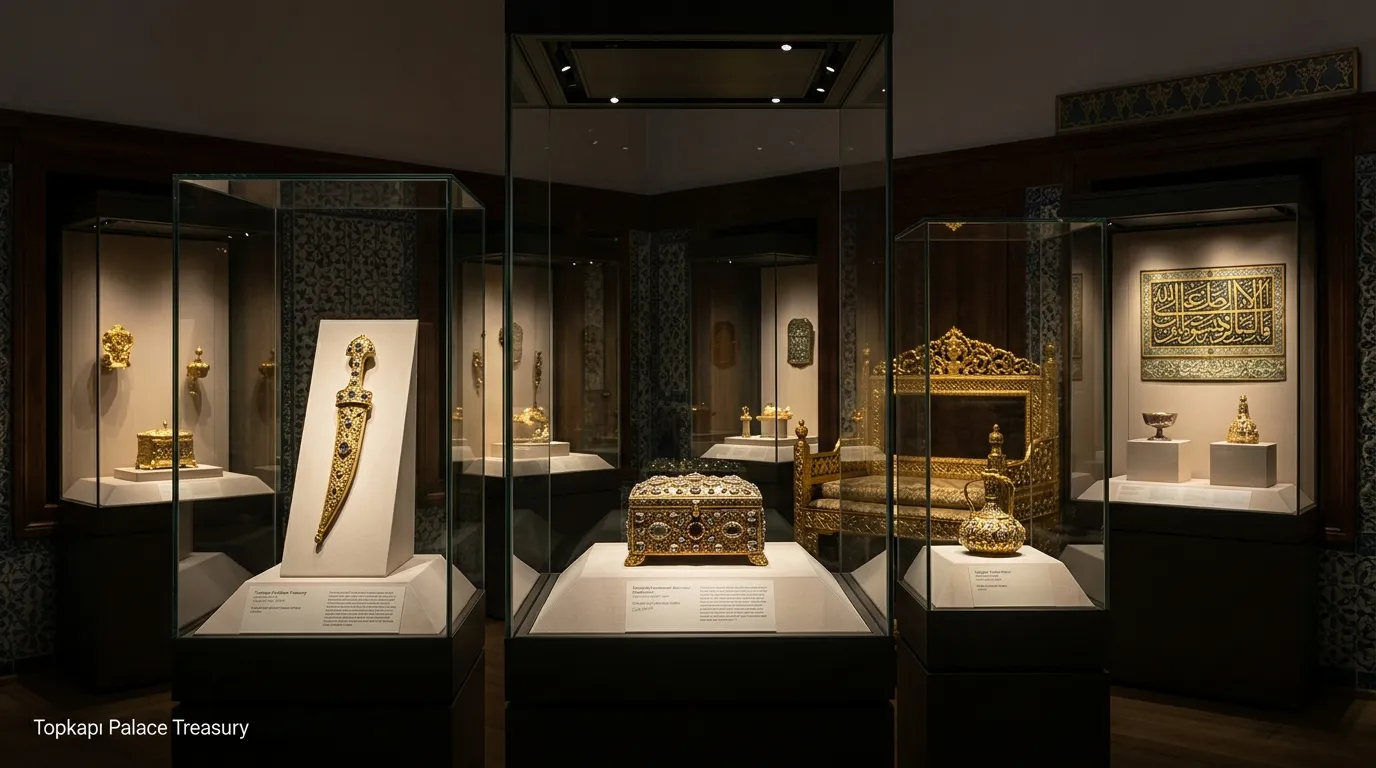
The Ottoman sultans' seat for four centuries and a favourite of Muslim-history lovers: the sacred relics section, the Harem, and the treasury. A full visit takes half a day with a fair amount of walking, so wear comfortable shoes. The main palace and the Harem are sometimes ticketed separately — confirm at the gate before paying.
3. Antalya Museum
One of the world's respected archaeology museums, and a reminder that Antalya is more than beaches. Thirteen halls trace the region from Roman statuary to the Ottoman era; two hours suit a family escaping the midday summer heat, and it works well as a morning programme before an afternoon by the sea.
4. Ephesus Museum (Selcuk)
If your route runs along the southern Aegean, do not miss the Artemis temple pieces and the finds from ancient Ephesus displayed here after restoration. The museum is small next to the archaeological site itself, so use it either as an introduction before the ruins or a wrap-up after them.
5. Mevlana Celaleddin Rumi Museum (Konya)
The stop closest to Gulf visitors' hearts: the green dome, the dervish cells, and exhibits telling Mevlana's story. Entry is generally free, and Sema ceremonies run on announced schedules in the adjacent hall. Give Konya a full day; the city is calm and its food some of the tastiest in Anatolia.
6. Anitkabir (Ankara)
The mausoleum of the republic's founder with its history museum, on a hill overlooking Ankara. Entry is free, and the spacious grounds suit family walks and strollers. If you are driving between Istanbul and Cappadocia, Ankara makes a logical rest stop midway.
7. Cappadocia Open Air Museum (Goreme)
Rock-cut churches with frescoes stretching across the medieval centuries, the most famous from the tenth century. The site is open-air rather than an air-conditioned hall, so morning or late-afternoon visits are kindest in summer. Balance the day between valleys and balloon viewpoints with our complete Cappadocia guide.
8. Bodrum Museum of Underwater Archaeology
Set inside the castle of St. Peter above Bodrum's harbour: ancient shipwrecks raised from the Aegean seabed and displayed as they were found. You effectively get two sights in one — the castle walls and the exhibits — and two hours are enough for the loop.
9. Gaziantep Mosaic Museum
The largest mosaic museum in the world, with Roman and Byzantine pieces whose colours have survived astonishingly well. Gaziantep itself is a gastronomy capital, so schedule the museum before or after a serious lunch; a pairing that satisfies eye and appetite together.
10. Hagia Sophia of Trabzon
A thirteenth-century church on the Black Sea coast with some of the finest surviving frescoes of its era. Visit it on a short coastal loop, and check the complete Trabzon guide to split your days between the city and the green highlands.
Practical Info for Museum Visitors
| Item | Detail |
|---|---|
| Entry prices | Vary by season and category; figures above are approximate at writing and change periodically |
| Museum Card | Sold at major museum gates and some tourist information points |
| Quietest hours | Weekday mornings; tour buses multiply after 10:00 |
| Dress | Working mosques such as Hagia Sophia require modest dress and headscarves for women |
| With family | Strollers generally allowed; cafes inside or near entrances |
| Guided tours | Available in Arabic and English with licensed guides in major cities |
A golden rule: attach the museum to the day's programme instead of making it the whole programme — a museum in the morning, lunch, then a historic district or bazaar. That pace suits families and raises the value of every lira the trip costs you.
Photography and Everyday Museum Etiquette
A few simple rules prevent awkward moments and protect your visit: photography without flash is allowed in most halls, but pieces marked with a crossed-out camera icon must be respected, and some sacred-relics sections in Topkapi prohibit photography outright out of reverence. Inside Hagia Sophia, do not stand shooting during prayer, and modest dress applies to everyone. If you want maximum value, a licensed guide saves time and hands you the stories behind the pieces; Arabic-language tours are easy to find in Istanbul, Antalya, and Trabzon. For prayer between sights: nearly every major museum has public mosques nearby, and map apps point you to the closest one and its times in a tap. Keep your phone silent in the halls and carry backpacks in front of you in tight spaces — small courtesies the staff notice and repay with warmer treatment.
Museum Card vs Single Tickets: A Comparison That Settles It
| Criterion | Museum Card | Single tickets |
|---|---|---|
| Right for whom | Three or more museums within 15 days | One or two visits |
| Advantage | One price covering 300+ state museums | Total freedom with no schedule commitment |
| Drawback | Usually excludes private museums and some sites | The total climbs quickly for a family |
| Note | Bought at the gates with your passport | Family discounts at some sites |
The practical rule is simple: count the museums in your plan first. Three or more tips the balance toward the card, while a single-city trip with two museums is usually simpler and cheaper on single tickets.
Museum Visits with the Family: Gulf Angles
Gulf families always ask about three things: cool air in summer, a nearby mosque, and halal food. The good news is that Turkey's major museums are air-conditioned and well equipped, that working mosques — Hagia Sophia itself — let you pray during the visit, and that tourist cities abound with explicitly halal restaurants. At the height of summer, keep to one museum per day in the morning or late afternoon, with pool hours or air-conditioned shopping in between.
With children: interactive displays and giant mosaics delight kids far more than silent glass cases, and Gaziantep and Goreme are shining examples. Give each child a tiny mission — "find the lion in the mosaic" — and the visit turns into a game they leave with a story from. For women who prefer calm and privacy, midweek mornings are the quietest nearly everywhere.
A Perfect Museum Day in Istanbul: An Hour-by-Hour Plan
The right order for a single day combining Hagia Sophia and Topkapi: start at Hagia Sophia as the doors open, ahead of the buses and the crowds, and give it an hour that can include prayer if you wish. Then walk a few minutes to Topkapi and enter the main palace before midday strengthens, keeping the Harem for after a short rest. Lunch at the restaurants scattered around the Sultanahmet district, then ease the pace for the afternoon: the Grand Bazaar or a short cruise on the strait rests the legs and changes the scenery. The plan is mostly walkable, so comfortable shoes and a water bottle are essential; in summer, flip the order — museums first, then the cruise toward sunset.
With younger children, cut the Harem or make it optional, and swap it for a short stroll through the colourful Balat district or a rest in Gulhane Park next to the palace; shaded gardens are an excellent breather between two heavyweight sights.
Why the Mevlana Museum Holds a Special Place for Gulf Visitors
Konya sits off the glittering coastal route, yet Gulf visitors book their way there every year: the tomb visit is a quiet morning experience, the Sema ceremony is a sight that stays in the memory, and the city itself is conservative in character, orderly, with restaurants that suit Gulf tastes and shops selling rose products and carpets. If your schedule allows only one day, give the morning to the tomb and the late afternoon to the old-city bazaar, and reserve a guided tour early in high season; demand from Arabic-speaking groups runs high.
Suggested Routes Combining Museums with the Rest of the Trip
- Istanbul and spiritual Konya (5 days): three days for Istanbul's landmarks and its two great museums, then the journey to Konya for a day of Mevlana and Sema, plus a flexible day for shopping and the return.
- The Aegean loop (6-7 days): Istanbul, then Izmir and Ephesus with the Selcuk museum, ending in Bodrum with its castle and maritime museum.
- The green east (5 days): Trabzon with its little Hagia Sophia and the highlands, and if time allows, an extension to Ankara and Anitkabir on the way back.
Each route has its own details, but the common thread is one: book accommodation near the sights to cut transfers — pick from hotels across Turkey for your district — and arrange private transfers between cities when travelling with family and luggage; comfort here converts directly into extra hours inside museums rather than on the road.
Museum Seasons: When to Visit Comfortably
Spring (April and May) and autumn (September and October) are the sweet spot: mild weather and moderate crowds. Summer actually favours museums as the air-conditioned refuge from coastal and inland heat, though midday at peak sites is best avoided. Winter brings the shortest lines and fastest entries, especially January through March. During Ramadan some sites shift their hours, so check ahead. To sanity-check the weather before locking a day in, the official Turkish meteorology site is the dependable reference.
FAQ
- Which museum is best for a first visit to Turkey?
Hagia Sophia and Topkapi Palace in Istanbul — great history in an easy, walkable location.
- Is the Museum Card worth buying?
Yes for three or more museums within 15 days; below that, single tickets are cheaper.
- Is Hagia Sophia free to enter?
Yes, it functions as a mosque; visits only pause at prayer times.
- How much is Topkapi Palace?
It varies by season and section; remember the Harem is often ticketed separately.
- How long does the Antalya Museum take?
Two hours for a family; three for archaeology lovers.
- Is the Mevlana Museum in Konya free?
Generally yes; live Sema performances follow their own announced schedules.
- Is Anitkabir suitable for children?
Yes — spacious grounds, free entry, and a digestible history display.
- How long does the Cappadocia open-air museum take?
Two to three hours, plus time walking between the rock churches.
- Is the Bodrum underwater museum really special?
Yes — it ranks among the world's largest underwater archaeology museums and shows genuine shipwrecks.
- Is the Gaziantep mosaic museum worth the detour?
Yes — the world's largest mosaic museum, in a city that is a food capital.
- Where do I buy the Museum Card?
At major museum gates and some tourist information offices, with your passport.
- Do children enter museums free?
At many state museums, yes up to a certain age; ask at the ticket window.
Conclusion
Turkey's museums in 2026 sit close to the heart of the Turkish experience: from Hagia Sophia to Ephesus, from Mevlana to Anitkabir, each stop adds a layer of understanding to the country. Set your priorities from the list of ten, settle the card question with the comparison table, and book early — Istanbul tours, private transfers, and hotels across Turkey — for the peak seasons.
Whatever your route, leave room for surprises: an old cafe beside a museum, a small bazaar between two sights — the best memories of Turkish trips usually lie not behind ticket doors but on the way to them. For the full picture of your destinations, browse the complete Turkey guide before booking; it ties museums, hotels, and tours into one coherent plan.
Sources
- Official Turkish tourism portal: goturkiye.com
- Turkish government services gateway: turkiye.gov.tr
- Istanbul Airport, for your arrival: istairport.com
Related travel guides
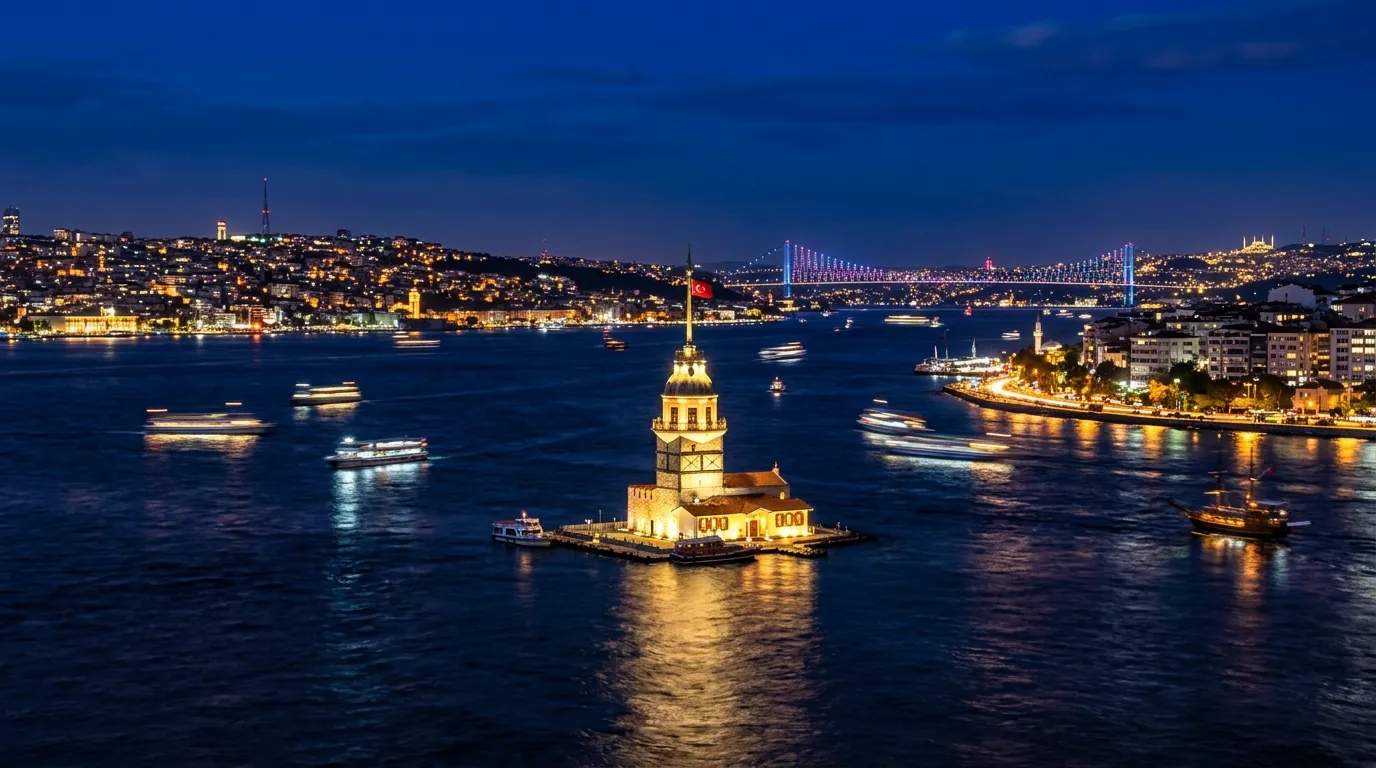
Istanbul night tour 2026: Bosphorus dinner cruises, live music, halal restaurants, family activities, night safety, and late transport for Gulf visitors.
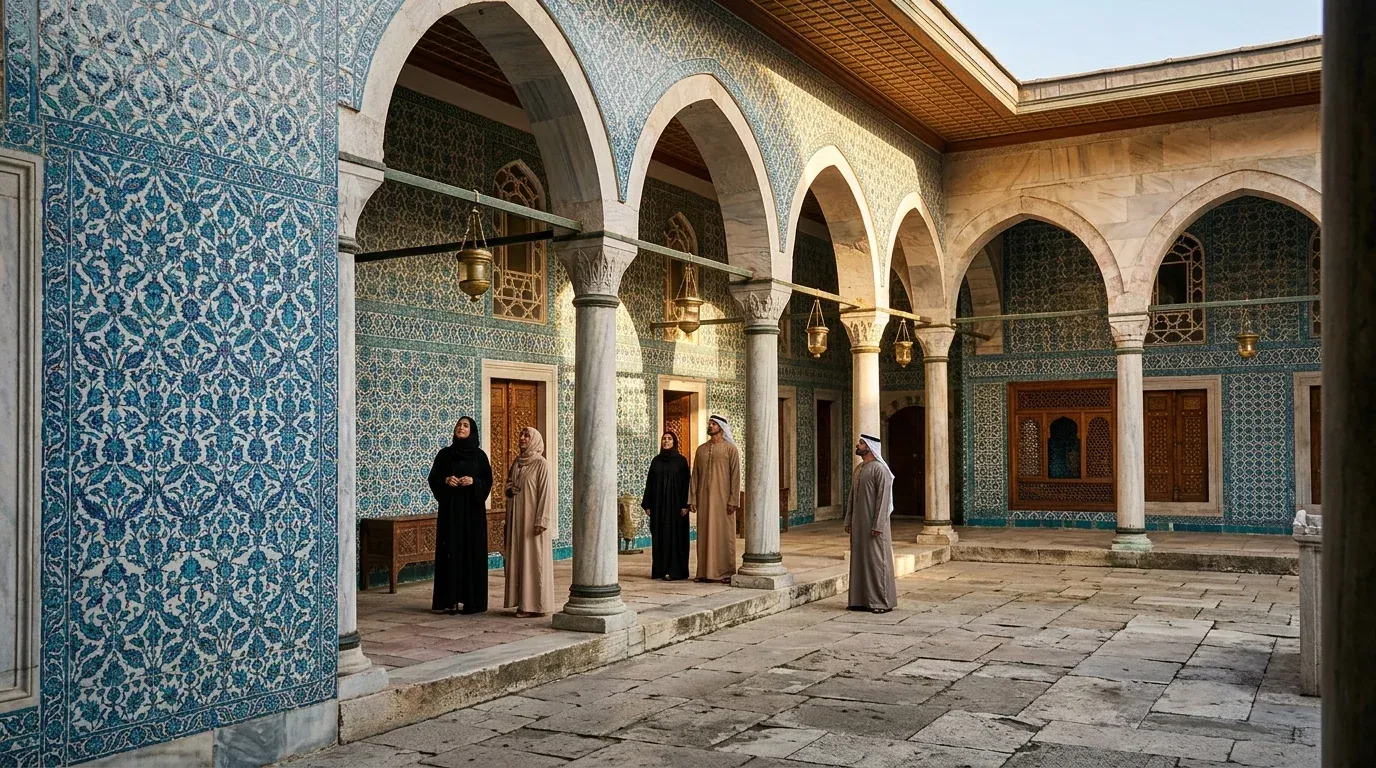
Istanbul historical sites 2026: Hagia Sophia, Topkapi, the Blue Mosque, the Grand Bazaar and more, with tickets, a 3-day plan and tips for Gulf families.
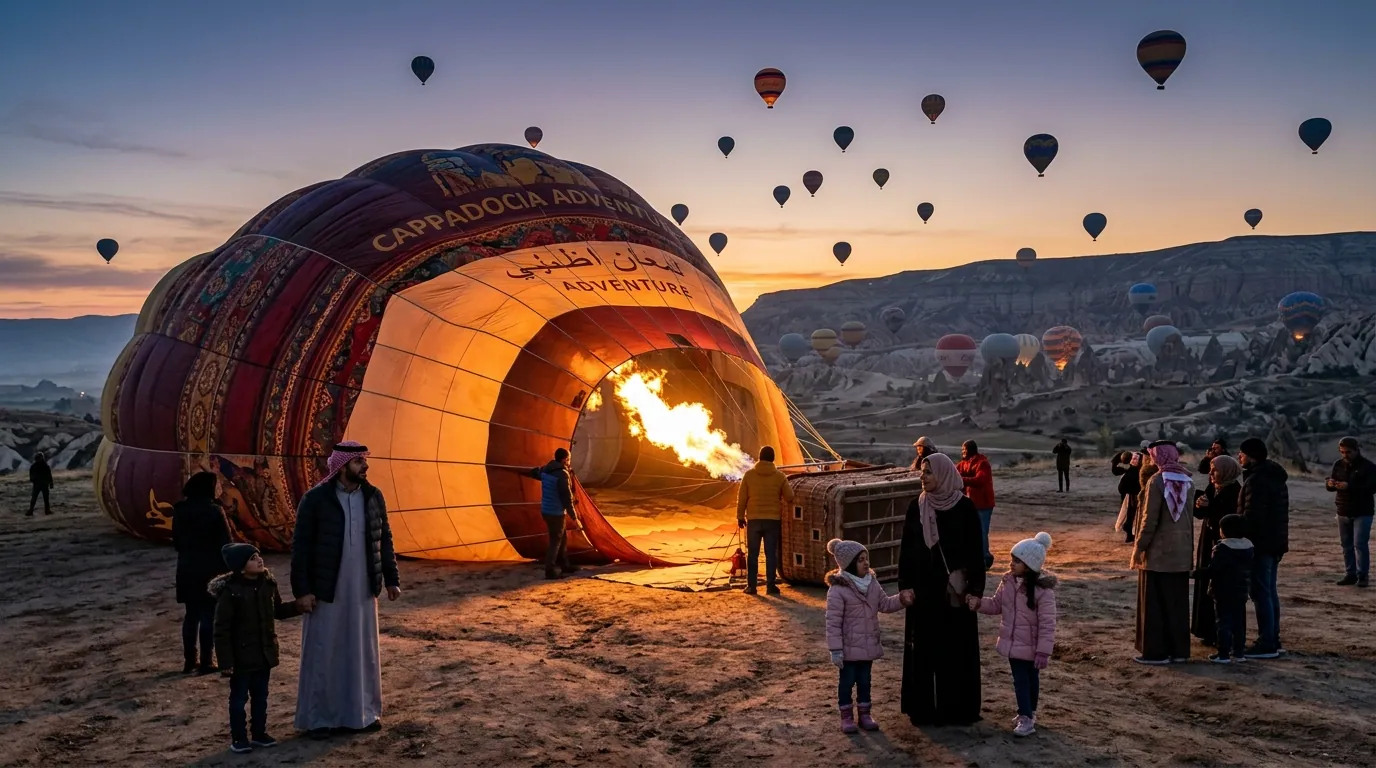
Cappadocia balloon tour 2026: prices by category, dawn takeoff, safety rules, best season for Gulf families, booking window, and cancellation policy.
Ready to explore Turkey?
Voyago brings together hotels, tours and transfers to help you plan the perfect trip to Turkey.