
Quick Answer for Gulf Visitors
Is Ankara the capital of Turkey? Yes, and since October 13, 1923: this Central Anatolian plateau city hosts the government, parliament and embassies, while Istanbul is bigger and more famous — but not the capital.
Why not Istanbul? The founder's decision: Ankara had led the War of Liberation, a central location is safer from navies and borders, and a new capital marked a symbolic break with the Ottoman past.
Worth visiting? Yes, for a day or two: Anitkabir alone justifies the trip, the Museum of Anatolian Civilizations is among the world's richest — and Ankara is an ideal stop en route to Konya and Cappadocia.
Why Ankara and Not Istanbul?
When the Republic was proclaimed in October 1923, Ottoman Istanbul stood occupied and exhausted by years of war, while the small town of Ankara in the heart of Anatolia had been, since 1919, the seat of the parliament and resistance from which Ataturk ran the entire War of Liberation. The decision of October 13, 1923, made sense on three counts: strategic — a capital in the interior, far from fleets and borders; symbolic — the new republic needed a new capital without the shadows of the Ottoman palace; and practical — central Ankara ties all of Anatolia together by rail and road.
Istanbul remained the bigger economic and cultural capital, but Ankara's political standing has never shifted since that day — a story your family can read in a single visit to a city built from scratch to be a modern, planned capital.
Ankara in Numbers
| Item | Figure |
|---|---|
| Capital since | October 13, 1923 |
| Population | About 5.8 million — second after Istanbul |
| Elevation | A plateau near 900 meters — milder summers, snowy winters |
| Distance from Istanbul | About 450 km |
| Airport | Esenboga International (ESB) — 25 minutes from the center |
| Ancient name | Galatian Ancyra — a word meaning "anchor" |
Ankara's Top Sights: What to Do With Your Time
| Sight | What it offers | Suggested time |
|---|---|---|
| Anitkabir | Ataturk's mausoleum — monumental architecture and ceremonial guard | Two morning hours |
| Museum of Anatolian Civilizations | Treasures of the Hittites, Phrygians and earliest civilizations | Two hours |
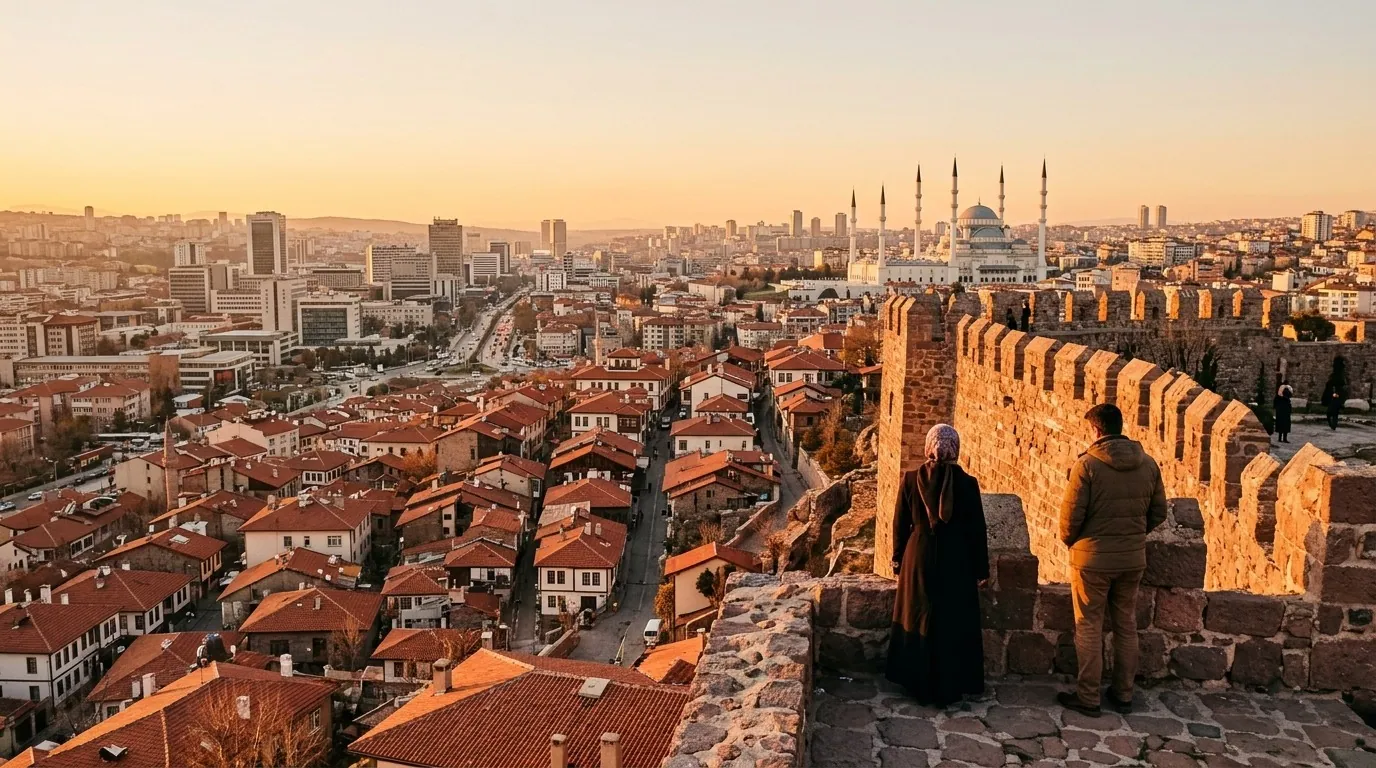
| Ankara Castle and old quarter | Byzantine walls, lanes and the city's highest view | Ninety minutes |
| Kocatepe Mosque | The city's largest mosque in modern Ottoman style | Half an hour |
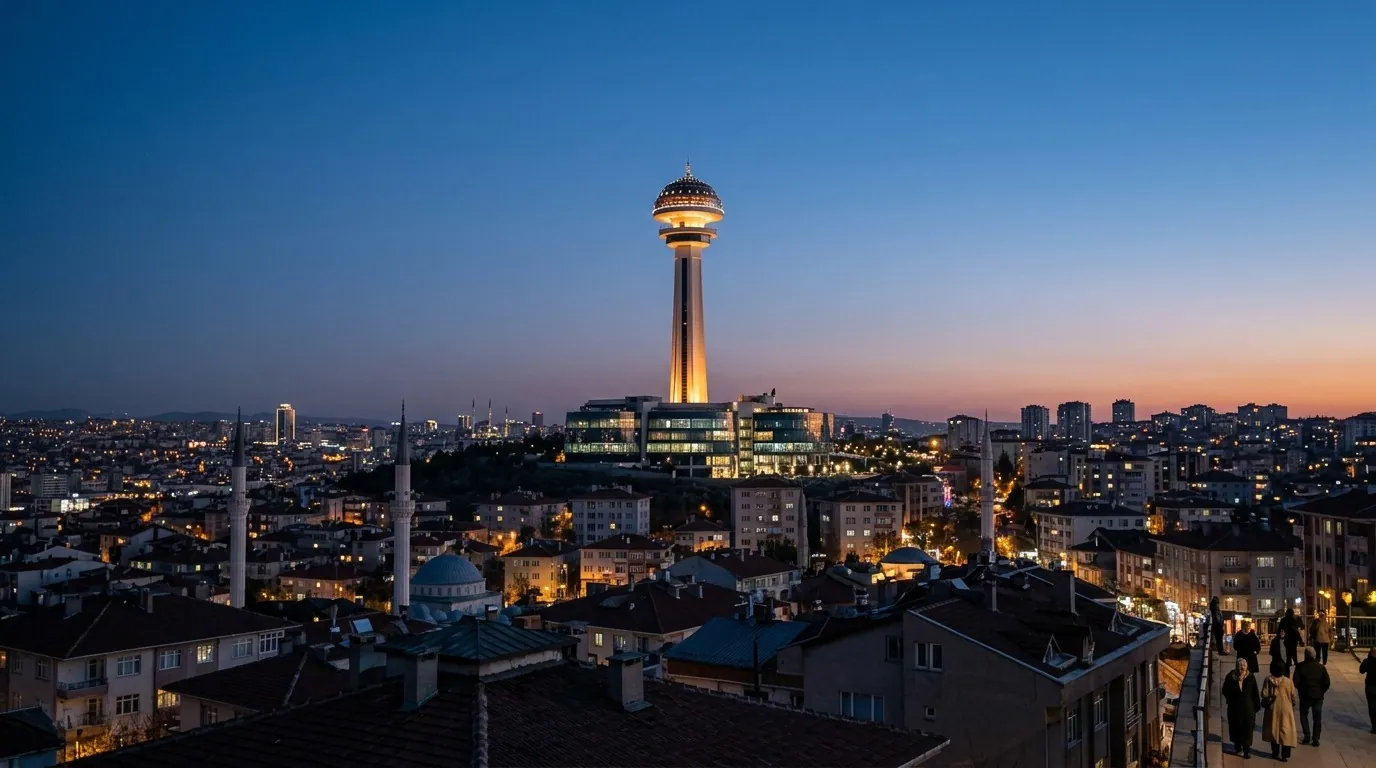
| Atakule | Tower with revolving restaurants and a panoramic view | Sunset |
| Hamamonu district | Restored Anatolian houses, cafés and local restaurants | An evening |
Ankara in One Day: A Tested Plan
Start at Anitkabir early morning (before the crowds and the ceremonial changing of the guard), then the nearby Museum of Anatolian Civilizations. After lunch, climb to the Castle and wander its lanes, and pray at Kocatepe Mosque. Close the day at sunset from Atakule or with a traditional dinner in Hamamonu. That single day covers the city's essence — and if you can stretch, Beypazari, a lovely Ottoman town about ninety minutes away, deserves half a day more.
Ankara as a Waypoint Between Cities
Ankara's heart-of-the-country position makes it Turkey's key transport node: the high-speed train links it to Istanbul in about five hours and to Konya in two — from Konya, the Konya and Mevlana guide and Cappadocia are a further two and a half hours by car. A family planning an Anatolian week (Istanbul + Ankara + Cappadocia) finds in the capital an orderly breather between the two halves of the trip — more planning in the complete Turkey guide.
Weather and the Best Time to Visit
Ankara's climate is dry continental: summers hot by day (30-33°C) and pleasant at night, winters cold and snowy (below freezing overnight), with spring and autumn the ideal windows. If you come in winter for the snow, the Uludag ski slopes are an option on a wider winter loop via Bursa — details in the Uludag guide — and check the official MGM bulletin for forecasts.
How Do You Reach Ankara?
- By air: Esenboga International receives hourly Istanbul flights (one hour in the air) and growing Gulf connections — pre-book a private transfer from the airport.
- By train: the high-speed train from Istanbul takes about five hours through Anatolian scenery — a ride families enjoy.
- By car: 450 km on good motorways; with a driver via the transfers page.
Practical Info for Gulf Visitors
| Item | Detail |
|---|---|
| Ideal visit length | One to two days |
| Hotels | Good business hotels cheaper than Istanbul — browse hotels |
| Halal food | The default in restaurants; the city is conservative in character |
| Mosques | Kocatepe, Haci Bayram and a mosque in every quarter |
| Time difference | None from Istanbul — GMT+3, same as the Gulf |
| Prayer and sights | Anitkabir and the museum offer calm spaces and wide grounds |
| Visa | Visa-free for GCC nationals (up to 90 days in any 180-day period); other passports check evisa.gov.tr |
| Explore more | Official portal GoTürkiye |
Daily Habits That Ease a Capital Visit
- Prayer times: mosques stand in every quarter, and the closest to the sightseeing core are Kocatepe and Haci Bayram beside the Temple of Augustus.
- Money: the Turkish lira is the official currency; exchange in the city rather than at the airport.
- Weather: spring and autumn are ideal, summers hot by day, winters cold and snowy.
- Transport: reach and leave Esenboga airport comfortably by private transfer.
- Connectivity: a Turkish SIM card from Turkcell or Vodafone, or an eSIM for data.
- Hospital: university and major hospitals operate around the clock.
- Emergency: 112 is the unified number for ambulance, police and fire in all of Turkey.
- Visa: GCC nationalities are visa-exempt for up to 90 days in any 180-day period; other passports vary — details by nationality in the visa guide.
- Stay: good business hotels cheaper than Istanbul, see hotels.
- Tours: bookable in advance through tours.
Planning by Budget
Figures are in Turkish lira and indicative only — they vary with season and category.
Budget
- simple guesthouse: 2,000-4,000 per night.
- popular meals: 100-200 per meal.
- public transport: 50-100 per ride.
- group tours: 500-1,500 per person.
Mid-range
- 3-4 star hotel: 5,000-10,000 per night.
- mid-range meals: 300-500 per person.
- private car: 1,500-3,000 per day.
- private tours: 2,500-5,000 per person.
Comfortable
- 5-star hotel: 12,000-30,000 per night.
- luxury meals: 800-2,000 per person.
- private driver: 3,000-5,000 per day.
- VIP tours: 7,500-15,000 per person.
Compare options via book hotels and tours.
Common Mistakes to Avoid in Ankara
- No early booking: hotels fill on conference and fair days, not only in summer.
- Ignoring the weather: the day-night temperature gap on the plateau is large.
- Over-scheduling: one day covers the essence — do not cram three museums into half a day.
- Relying on taxis only: the metro and Ankaray are faster in rush hour.
- Overlooking Anitkabir etiquette: a quiet visit and modest dress suit the place.
When to Avoid Ankara
- Deep winter (December-February): biting cold and snow that can spoil a Beypazari day.
- National commemoration days (especially November 10): heavy crowds at Anitkabir.
- Peak summer (July-August): daytime heat makes long walks tiring.
- Ramadan: a quieter daytime rhythm; the larger restaurants usually stay open.
The best windows are April-June and September-October, with the seasonal detail for travelers continuing east in the best time to visit Cappadocia.
Anitkabir: Visiting Etiquette
Entrance is free and the site is open almost all year: bags are screened at the gate as at any official complex, and calm, respectful behaviour is expected inside the hall itself, with modest dress fitting the occasion. The ceremonial changing of the guard repeats at set times through the day in front of the mausoleum — a protocol spectacle visitors love to photograph. Give the complex two morning hours to see the hall, the attached museum and the gardens before the school buses arrive.
Shopping and Gifts from Ankara
The capital's classic take-home is Angora wool and mohair — gloves, cardigans and light warm layers sold in the old shops around Ulus at gentler prices than Istanbul. Ulus itself is a folk bazaar of antiques and copper, while the modern malls of Cankaya mix global brands with spacious family restaurants. If you stumble on a weekly Friday market in any residential quarter, you will find vegetables, mountain cheese and honey at local prices.
Ankara with Children
The capital is a city of schools and civil servants, which means clean parks and safe open spaces: Genclik Park in the center, with its pond, boats and funfair, fills a whole afternoon, and the neighbouring Ankara Zoo is one of the country's largest. The metro and Ankaray spare parents the car, and the city's restaurants are family-style by nature. Give your child half a park day between the museum days — that keeps the trip balanced for everyone.
Istanbul vs Ankara: Which One for Your Next Trip?
The question every Gulf visitor asks, and the answer is simpler than expected: if this is your first Turkey trip, Istanbul without argument — the sea, landmarks, shopping, and dining need four to seven days. Ankara suits those who have seen Istanbul, anyone linking a calm, tidy capital onto an Anatolian journey toward Cappadocia and Konya, or lovers of deep history without crowds. The two cities complement rather than compete: a quiet political capital and a bustling economic one.
| Criterion | Istanbul | Ankara |
|---|---|---|
| Ideal length | 4-7 days | one to two days |
| Hotel prices | Turkey's highest | clearly cheaper |
| Character | sea, landmarks, shopping | calm, museums, modern planning |
| Best for | first visits | Cappadocia links, quiet-lovers |
The good news: combining them is easy — a one-hour domestic flight nearly every hour, or the high-speed train through Anatolian scenery, with the bigger city's full details in the complete Istanbul guide.
FAQ (12 Questions)
- Is Ankara officially Turkey's capital? Yes, since October 13, 1923 — seat of the presidency, parliament and embassies.
- Why isn't Istanbul the capital? Ataturk's decision: the security of the Anatolian interior, a symbolic break with the Ottoman past, and Ankara's role leading the liberation war.
- What is Ankara's population? About 5.8 million — Turkey's second city after Istanbul.
- How many days does Ankara need? One day covers the essence; two, with Beypazari, is comfortable.
- Is Ankara cheaper than Istanbul? Clearly yes — hotels and restaurants run noticeably lower.
- Its most famous sight? Anitkabir, Ataturk's mausoleum — the most visited national monument.
- Is it family-friendly? Yes: an orderly, calm city with museums, green spaces and a relaxed tram.
- How do I get from Istanbul? A one-hour flight, about five hours by high-speed train, or a motorway drive.
- Best season to visit? Spring (April-June) and autumn (September-October).
- Is Ankara cold? In winter yes — continental and snowy; summers are hot by day and mild at night.
- What should I eat? Anatolian cooking, halal by default; try "Ankara tava" and Beypazari carrot delight.
- Should I combine it with Cappadocia? Ideal: two Ankara nights, then train or car to Konya and Cappadocia.
Conclusion
Ankara answers the question that puzzles Gulf visitors: Turkey's capital is not dazzling Istanbul but a plateau city the founder chose for the safety of its position and the symbolism of a fresh start. One day gives you monumental Anitkabir, the richest museum of civilizations and a castle above a century-old capital — and leaves you at the heart of the rail network toward Konya and Cappadocia. Make it a stopover and a capital at once; you will not regret it.
Private transfer from Esenboga airport · Ankara and Anatolia tours
Sources
Related travel guides
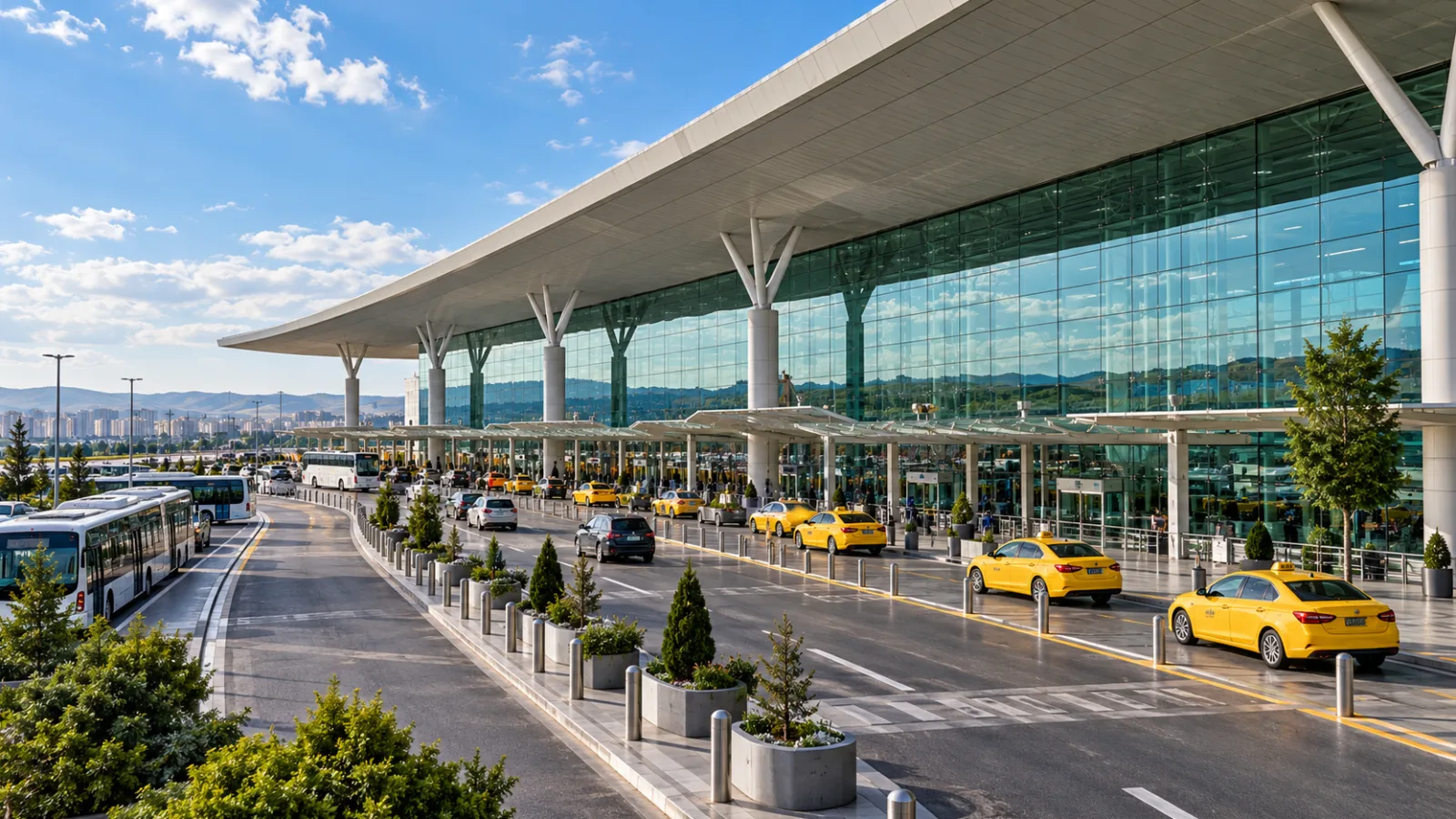
Ankara's Esenboğa Airport sits about 28 km from the centre with no direct metro link yet. Here are the real options: HAVAŞ bus, the 442 public bus, taxi and private transfer.
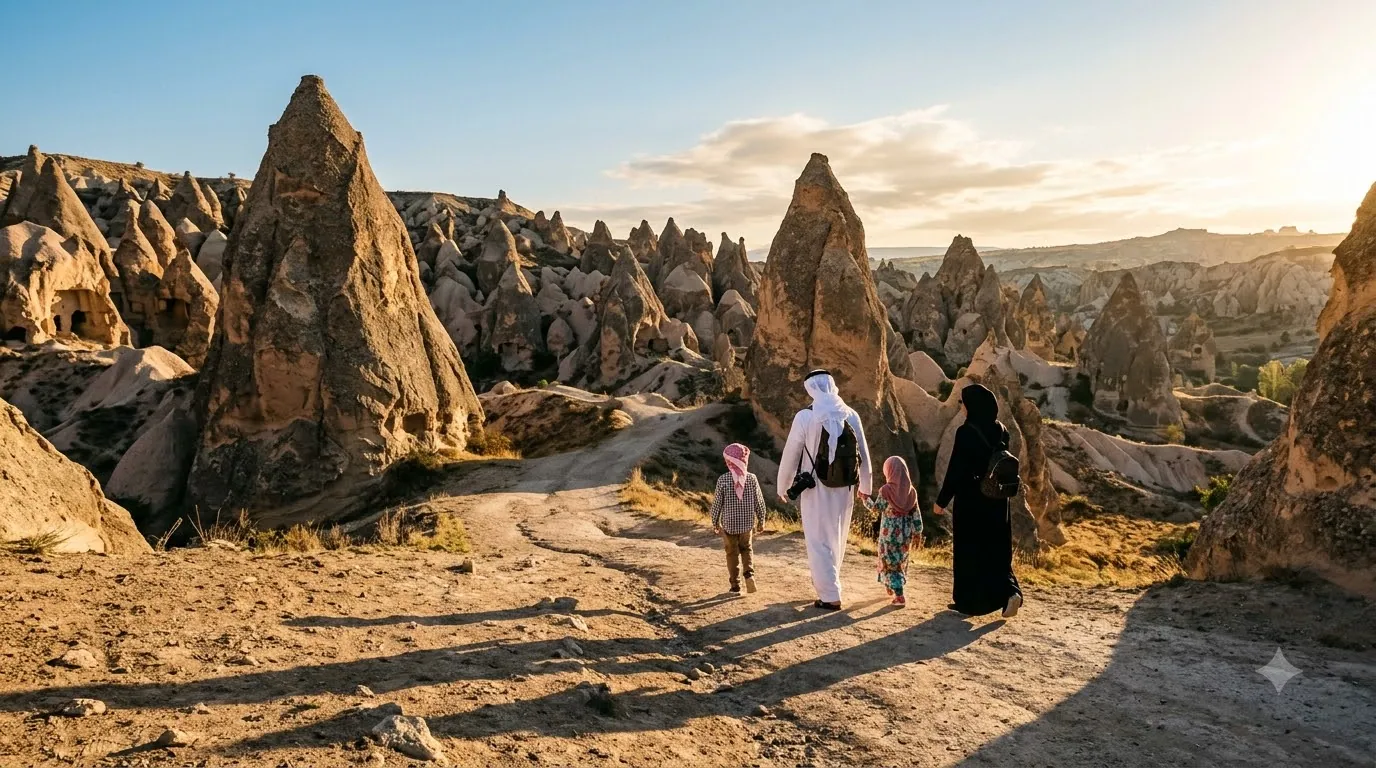
Cappadocia Turkey 5-day itinerary 2026: a detailed family plan with balloons, valleys, cave hotels, and halal food tips.
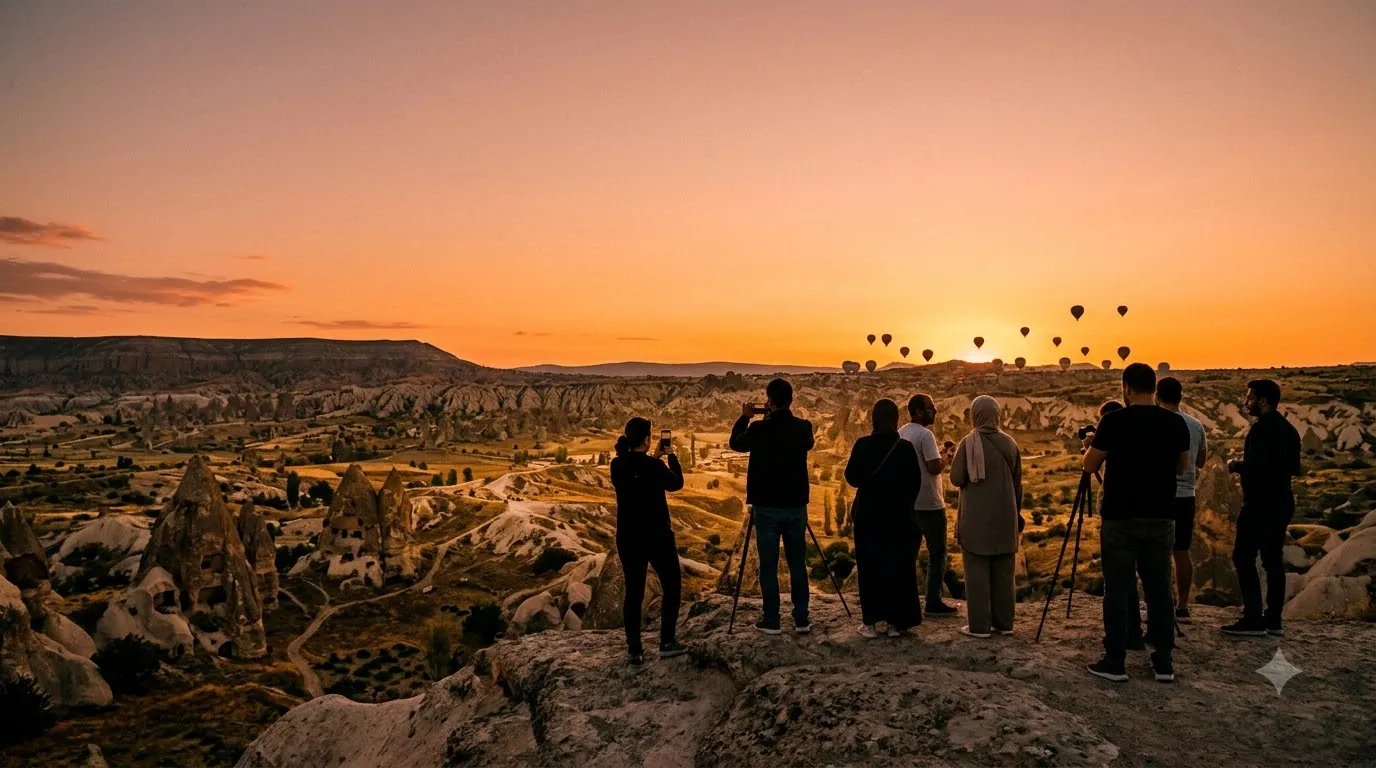
Cappadocia Turkey guide 2026: visa, hotels, tours, prices, and tips specifically for Arab visitors heading to Cappadocia.
Ready to explore Turkey?
Voyago brings together airport transfers, guided tours and car rental to help you plan the perfect trip to Turkey.