
Quick Answer for Gulf Visitors
Is Turkey open for tourism in 2026? — Yes, fully open at full capacity: every international airport, resort, and attraction operates year-round.
What does "open" mean in practice? — No tests, no quarantine, no vaccine conditions; just a valid passport and a visa per your category (Gulf citizens are exempt).
When do seasons open? — Coasts from May to October, the Black Sea from June to September, snow destinations December to March, and Istanbul all year.
Are flights available from the Gulf? — Yes; dense daily links from Riyadh, Jeddah, Doha, Dubai, and Kuwait to Istanbul, Antalya, Trabzon, and more.
What Full Openness Means in 2026
The old question "is it open?" belonged to the restrictions era; today the settled answer is yes, and boringly stable. Air, sea, and land crossings all operate, with no health conditions on arrival from any country. What regulation remains is the routine part only: a valid passport, and a visa or waiver per your nationality — fully detailed in is travel to Turkey allowed.
Openness covers the entire infrastructure: hotels run at full capacity, landmarks keep extended summer hours, and tours, cruises, and balloon flights launch daily weather permitting. Gulf numbers soar in summer around the Black Sea and the south, while the rest spread between Istanbul and Cappadocia.
What Exactly Is Open? A Sector Tour
Airports and Flights
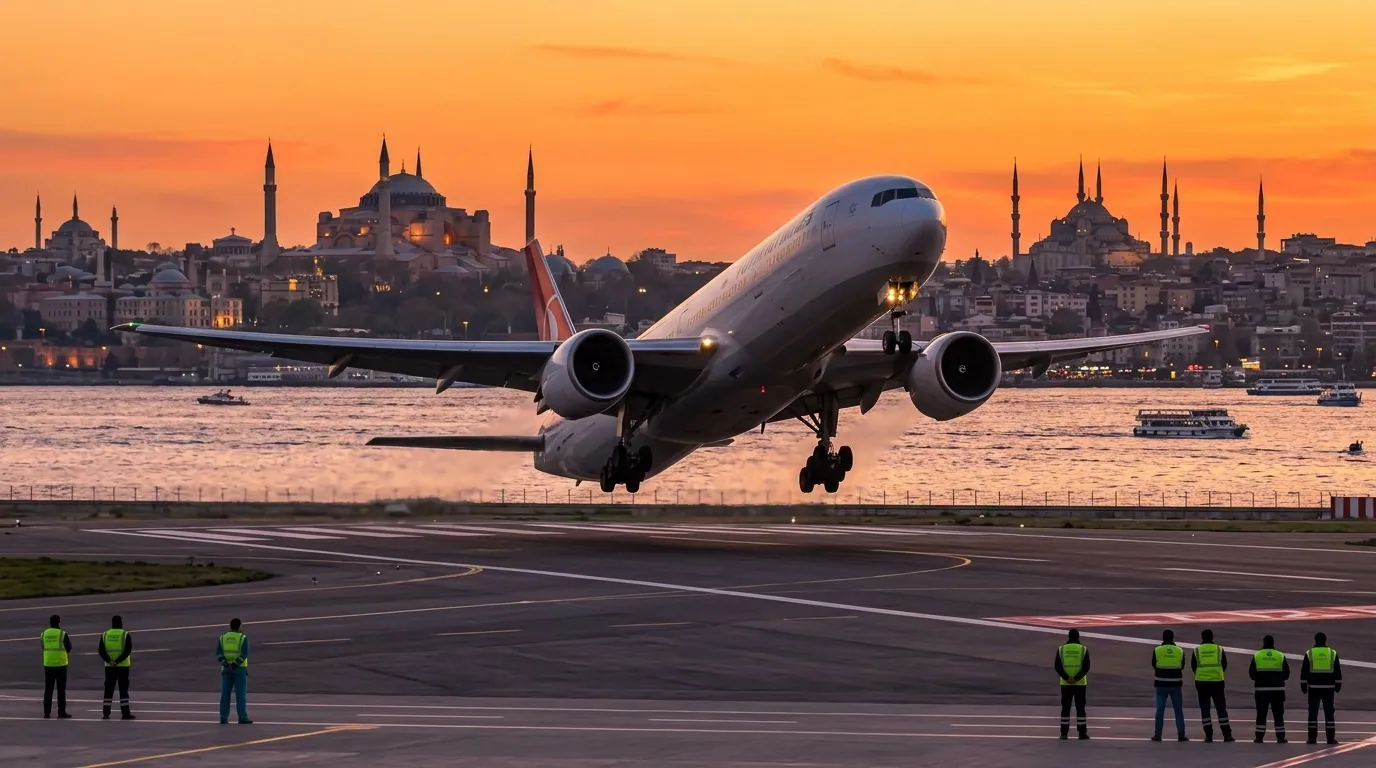
Istanbul Airport, Sabiha Gokcen, Antalya, Trabzon, Dalaman, and Bodrum receive international flights daily. The Gulf-Istanbul link is among the densest in the region, and carrier competition works in favor of fares. Arrival and transfer details are covered in the Sabiha airport transfer guide.
Landmarks and Museums
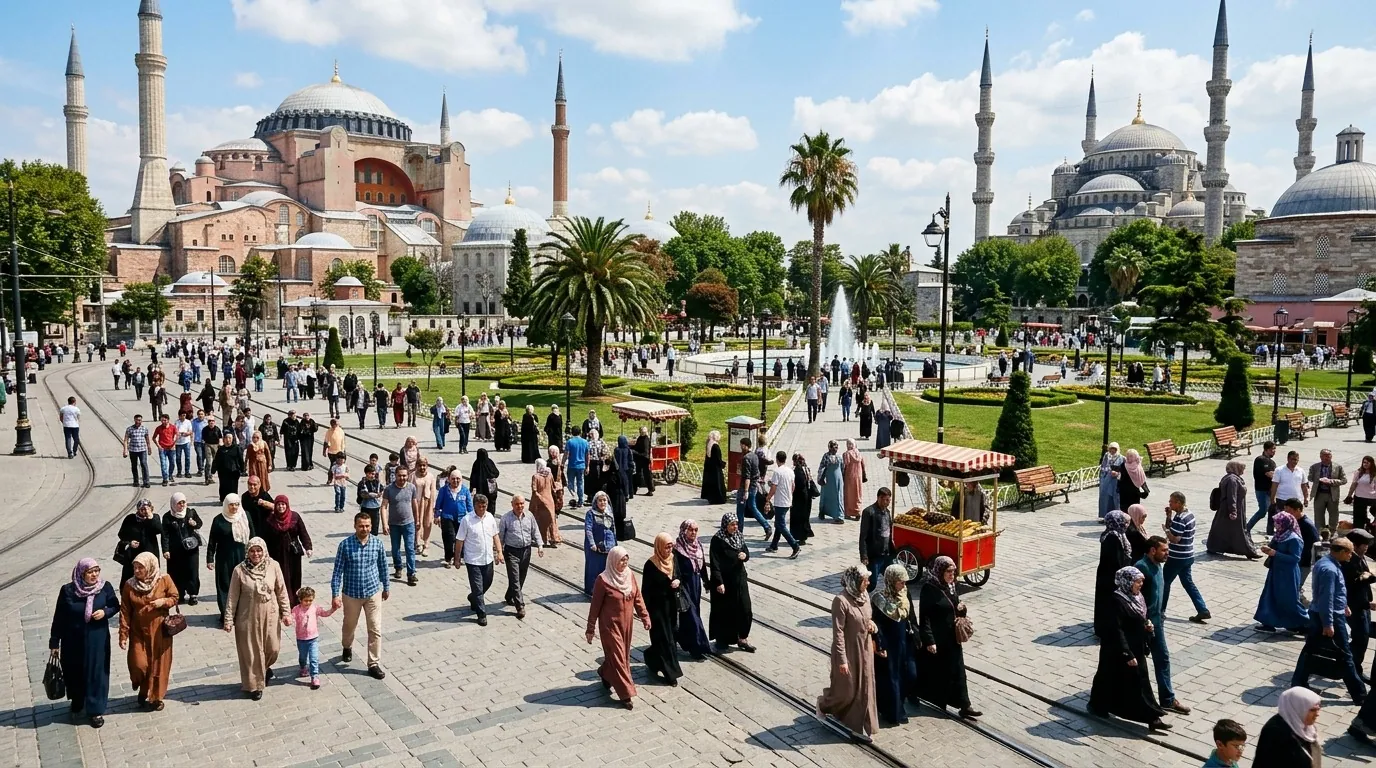
Hagia Sophia, Topkapi, Dolmabahce, and all major museums open all week with extended summer hours (usually until 19:00 or 20:00); only Fridays shorten some museum hours. Natural landmarks (Sumela, Uzungol, Pamukkale) have narrower seasons but run fully within them.
Resorts and Coasts
The swimming season effectively opens mid-May, peaks July-August, and tapers through October. The south (Antalya, Bodrum, Marmaris) holds the longest season, while the Black Sea is an air-and-nature destination rather than a beach one.
Winter and Snow
The Uludag ski season (December-March) is open for skiing and family snow play, winter Cappadocia drapes its valleys in beautiful snow, and Erzurum offers the longest slopes.
Comparison of Season Openings Across Destinations
| Destination | Main season | Caution | Note |
|---|---|---|---|
| Istanbul | All year | July-August crowds | Best in April-May and September-October |
| Antalya and the south | May-October | August peak is packed | Warm seas into October |
| Trabzon and the Black Sea | June-September | Rain off-season | Constantly mild weather |
| Cappadocia | April-June, September-October | Very cold winter | Magical snow for the hardy |
| Uludag skiing | December-March | Book Christmas early | Near Bursa and Istanbul |
Is Any Restriction Left for Gulf Visitors?
The only real constraint is purely procedural: passport validity of 150 days, and the visa for non-citizens. There is no visitor cap, no closed zones, and no internal travel permits whatsoever; movement between Turkish cities is completely free by domestic flight, coach, train, or car. Gulf residents of eligible nationalities complete their papers via the e-visa, others via the application centers, and Kuwait has its own visa center guide.
Practical Tips for Gulf Visitors
"Open" does not mean "empty"; book the southern coast and the Black Sea two to three months ahead for summer. Track weather for outdoor openings via the Turkish meteorological service — rain can shuffle a mountain day but never closes anything permanently. Domestic flights are cheap when booked early, so use the openness to blend two regions. For deeper planning, continue with the complete Turkey guide, the travel overview, and the Cappadocia guide.
Practical Info for Gulf Visitors
| Item | Details | Note |
|---|---|---|
| Health restrictions | None whatsoever | No test, no quarantine |
| Summer landmark hours | Usually until 19:00-20:00 | Fridays shorter |
| Gulf flight frequency | Dense daily services | Book early for peak |
| Domestic flights | Freely available | Early fares are low |
| Currency | Turkish lira | About 40 lira per dollar |
| Prayer | Mosques open to visitors | Flexible group arrangements |
| Emergencies | 112 | Free |
| Best booking window | 2-3 months before peak | Large price gaps |
FAQ (12 Questions)
- Is Turkey open for tourism right now with no conditions?
Yes; every crossing operates, there are no health conditions at all, and the only requirements are passport validity and a visa or waiver by nationality.
- Are any regions inside Turkey closed?
No; movement is completely free across all provinces, and the only thing that ever "closes" is a mountain road temporarily due to snow or fog.
- Are hotels running with full services?
Yes; restaurants, pools, and internal facilities all operate, and all-inclusive properties have restored their full programs including kids' activities.
- When does the swimming season actually open?
Mid-May on the Antalya coast, with the best water from July to September, and swimming stays pleasant into mid-October in the south.
- Do hot-air balloons fly all year?
Yes, strictly weather permitting; flights cancel with wind or fog and are rebooked the same or next day, with the highest launch rates in spring and autumn.
- Can I travel in winter or is everything shut?
Winter is a full season of its own: Uludag for skiing, snowy Cappadocia, and Istanbul for shopping and museums with thinner crowds and lower prices.
- Are direct flights available from every Gulf capital?
Yes, from Riyadh, Jeddah, Dammam, Kuwait, Manama, Doha, Dubai, and Abu Dhabi to Istanbul and Antalya at minimum, and to Trabzon from most in summer.
- Do my children need tests or special papers?
No; children enter on their own passports exactly like adults, with no age or health requirements added in 2026.
- Which peak periods demand early booking?
July-August overall, the last ten nights of Ramadan, the Eid holidays, and the year-end holidays for snow destinations; two to three months ahead is the safe rule.
- Is religious comfort good for Gulf families?
Yes; mosques stand in every district, halal food is the prevailing standard, prayer times are respected in major hotels, and inland cities keep modest atmospheres.
- Can I extend my trip easily after arrival?
Yes within your waiver or visa limits; going beyond ninety days requires a residence permit, but inside the limits it is merely extended tickets and bookings.
- Where do I follow the latest openness news if anything changes?
The official references are the visa portal, the foreign ministry, and the tourism board, with link details in the official visa website guide.
The 2026 Open Season in Turkey
International Airports and Flights
All three Istanbul airports (IST, SAW, YST) run at full capacity with 24-hour operations, served by all major airlines. Antalya airport handles seasonal flights from Europe and the Gulf in summer, Izmir and Dalaman work through the tourist season, and Trabzon serves the northeast. The new Black Sea airport (Rize-Artvin Airport) runs at full capacity and serves the eastern region. No flight limits or capacity caps exist, so pre-booking guarantees the best prices.
Resorts and Hotels
All major resorts run at full capacity, including Oludeniz (Fethiye), Kemer, and the Palandoken ski resort in winter, and the Mediterranean beach resorts in summer. Hotels from 3-5 stars are available in all regions, and occupancy hits 95% in July and August. Pre-booking six weeks ahead is necessary in high season. Boutique hotels in Cappadocia and the stone houses of Avanos offer a unique experience.
Sights and Gardens
All major sights are open to the public, including Hagia Sophia, the Blue Mosque, Topkapi Palace and the Hagia Irene Museum. Zoos and botanical gardens operate in every city. Archaeological sites at Ephesus, Hierapolis and Aspendos are open 8am to 7pm in summer. Entry is free on specific days for local residents, but visitors pay the standard tickets.
Restaurants and Nightlife
Restaurants run at full capacity, from small local places to fine-dining restaurants. Istanbul nightlife is vibrant, especially in Taksim, Balat and Kadikoy. Bosphorus bars and Galata cafes are full of tourists and locals. Halal restaurants are available in tourist areas, and some major hotels offer special halal menus for Gulf families.
Internal Transport
Internal flights between major cities are abundant (Turkish Airlines, Pegasus, AJet). High-speed trains connect Istanbul to Ankara and Konya. Inter-city buses are regular and comfortable (Kamil Koç is a leading operator). Car rental is available to Gulf residents with international driving licences, from $40 daily. Taxis and local apps are available in every major city.
Extra Details on Full Readiness
Customs and Health Procedures
Turkish customs is strict on prohibited items. Personal medicines in small quantities are allowed with a prescription. Alcohol is officially prohibited for Muslims but tourists can buy it. Cigarettes are limited to specific quantities. Prohibited items include drugs, weapons and pornographic content. Customs take random samples, so carry only what you need.
Credit Cards and Currency
Visa and Mastercard are accepted in most hotels, major restaurants and shops. American Express is less accepted. The Turkish lira (TL) is the official currency and can be withdrawn from ATMs easily. Airport exchange rates are lower than the city, so city exchange is better. Some small shops accept euros and dollars but at a bad rate.
Internet and Mobile Networks
Main mobile networks: Turkcell, Vodafone and Türk Telekom. Wi-Fi networks are available in hotels, cafes and restaurants. Tourist SIM cards are available at airports and authorised shops, costing $20-30 with a 10-20 GB package for a month. eSIM for modern phones is available and activates instantly.
Safety Tips
Turkey is one of the safest destinations for tourists. Violent crime is rare, and petty theft in crowded areas is the main risk. Carry a secure shoulder bag and do not leave luggage unattended. Police are friendly and cooperative, and tourist police offices exist in major areas. In emergencies call 112 (ambulance) or 155 (police).
Dealing with Street Vendors
In tourist areas, vendors may follow you with offers for services or products. Politely decline and walk away; do not stop to extend the conversation. Street vendors usually do not sell good products. Buy from fixed known shops for better quality and fair prices.
Smart Shopping
Shopping in the Grand Bazaar requires bargaining always, and the initial price is usually double the fair price. Compare prices between several shops before buying. Turkish leather products are high quality. Handmade carpets are expensive but authentic. Turkish silver and jewellery are good but check the carat. Gold is at a global price plus workmanship.
Conclusion
Turkey in 2026 stands open on every door: working airports, landmarks on full hours, seasons laid out from Uludag's snows to Antalya's waters, and nothing between you and the trip but a valid passport. The next step is simple: pick your season and destination, then book your accommodation, arrange a private transfer from the airport, and choose the tours that turn your days into an organized program.
Sources
Related travel guides
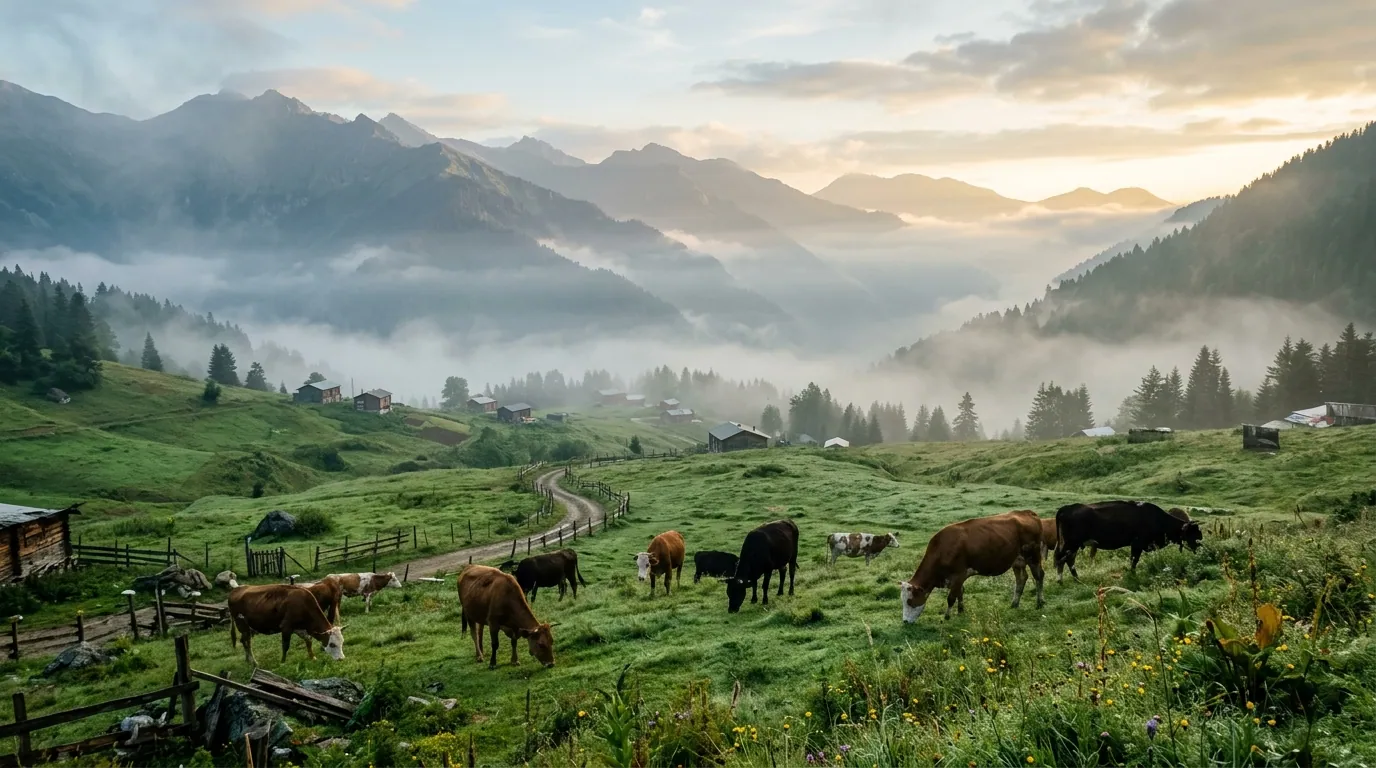
Ayder highlands 5-day itinerary 2026: a day-by-day plan for Arab families covering thermal pools, valleys, and Trabzon.
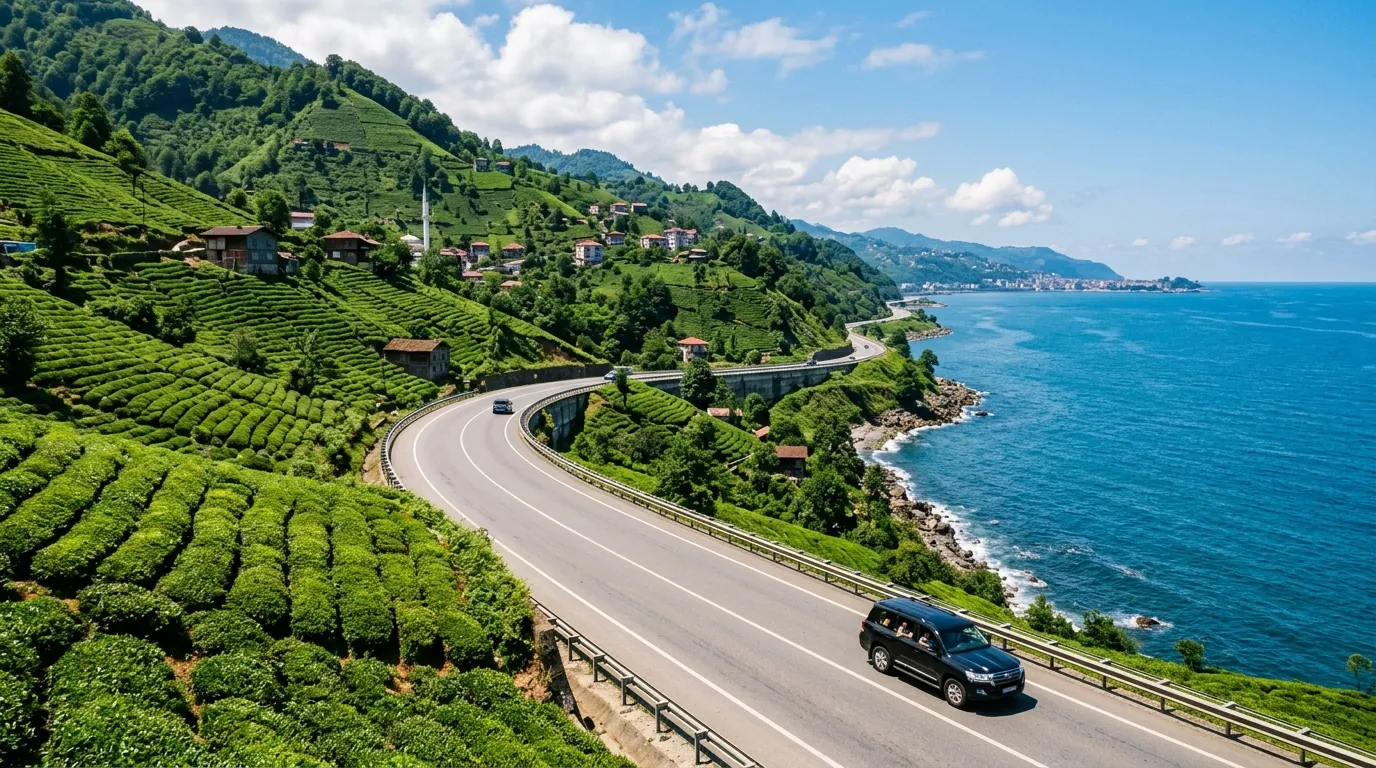
Ayder Trabzon distance 5-day itinerary 2026: a day-by-day plan for Arab families covering the transfer route.
Ayder Turkey weather 2026: monthly averages, rain patterns, best months to visit, and packing tips for Gulf families.
Ready to explore Turkey?
Voyago brings together hotels, tours and transfers to help you plan the perfect trip to Turkey.