
Quick Answer for Gulf Visitors
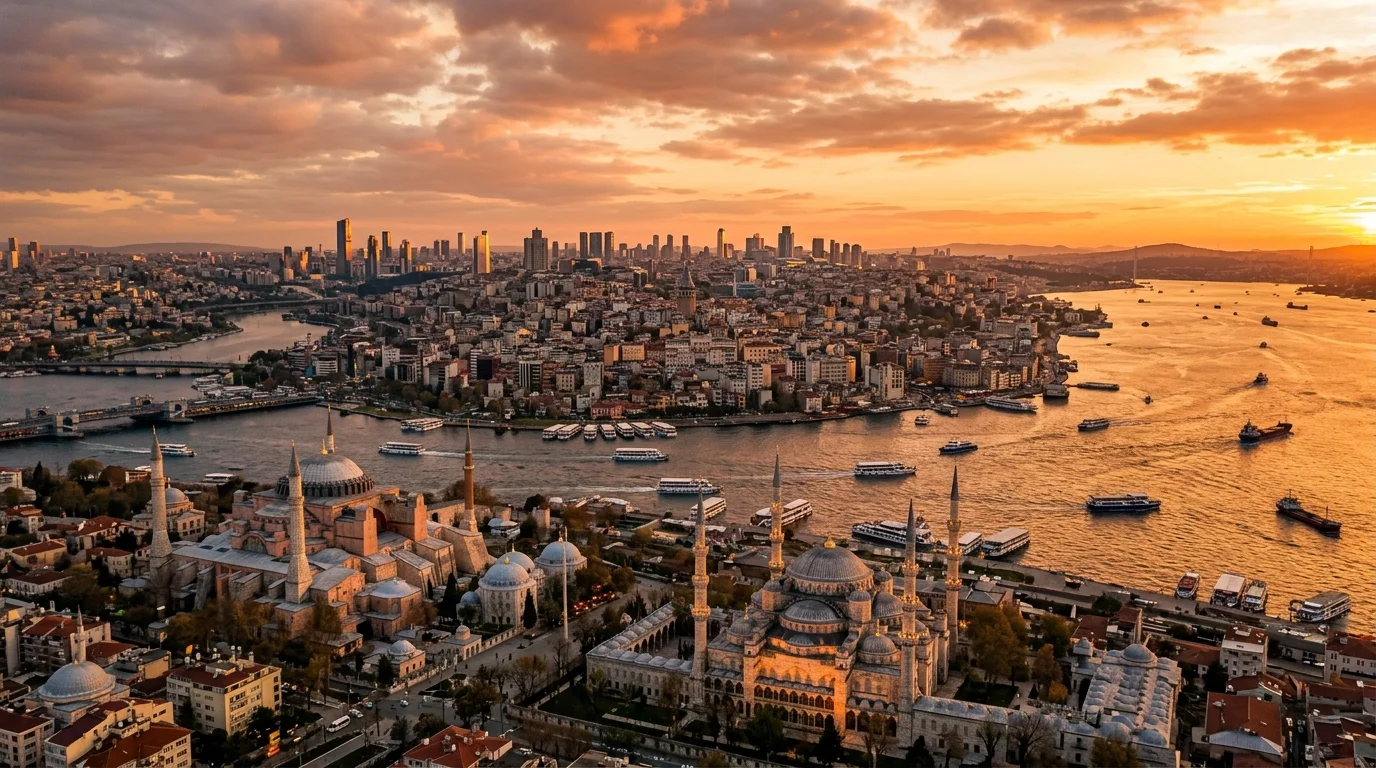
What makes Istanbul different from every other city? It is the only metropolis standing on two continents; you can breakfast in Europe and drink afternoon coffee in Asia after a short sail across the Bosphorus, wrapped in a fabric of mosques, palaces, and bazaars left by three empires.
How many days does a first visit need? Four full days cover the old city, a Bosphorus cruise, the Asian side, and relaxed shopping, compressible into a frantic three or stretchable to a calm week.
Where is the best place to stay? The old town for sights at your doorstep, Sirkeci for a price-and-location balance, Taksim and Beyoglu for modern dining energy, and Sisli for shopping.
Does Istanbul suit Gulf families? Emphatically yes; virtually all food is halal, mosques stand on every corner, the flight from the Gulf takes four to five hours, and the city has hosted Arab guests for decades.
Why Istanbul Is an Unmissable Destination in 2026
Istanbul served as the capital of three successive empires, Roman, Byzantine, and Ottoman, so history layered itself here in a way no other place matches: a church-turned-mosque above the city's oldest square, sultans' palaces overlooking the strait, and five-hundred-year-old covered bazaars still buzzing. That depth connects to a throbbing present of award-winning restaurants, colossal malls, and cafe life on both shores.
Gulf visitors hold an extra advantage: this is one of the world's easiest cities for their practical needs. Certified halal dining is effortless to find, prayer times fit smoothly into any plan, major hotels are accustomed to Arab families and offer connecting family rooms, and Arabic is understood in the grand bazaars and famous restaurants. The price of the whole experience remains far below rival European capitals.
If this is your first taste of Turkey, Istanbul is the ideal gateway before expanding inland; read the complete Türkiye guide and the Turkey travel guide for the bigger picture.
The Old City: The Beating Heart of History
Every visit begins in the Sultanahmet district, where Hagia Sophia and the Blue Mosque face each other across a single square that summarizes the city's whole story. Hagia Sophia is the masterpiece of Byzantine architecture that now welcomes both worshippers and visitors, and the Blue Mosque, with its six domes and famous blue tiles, presents Ottoman architecture at its most majestic; both open to visitors outside prayer times.
Minutes away, Topkapi Palace ran the Ottoman Empire for four centuries with its lavish chambers, sacred relics collections, and stunning terraces over the strait, and deserves half a day. The Basilica Cistern completes the circuit with its columns glowing underground, a spot children usually love for its mysterious atmosphere.
Budget one full day for Sultanahmet at an easy walking pace with coffee breaks, and buy palace tickets early in season. The surrounding streets hold famous hummus, kebab, and stuffed-baked-potato restaurants, though asking prices before sitting down in tourist strips is always wise.
The Grand Bazaar and the Shopping Experience
The Grand Bazaar is among the oldest and largest covered markets on earth, roughly four thousand shops under domed lanes selling carpets, leather, jewelry, gold, spices, and gifts. Haggling is part of the fun: never pay the first price, open near half, and keep smiling; gold and souvenir vendors often speak Arabic.
The fragrant Spice Bazaar sits nearby, a feast for the eyes and lens, surrounded by Turkish sweet shops where proper baklava deserves a tasting at an established house rather than the nearest doorway. Modern shopping belongs to malls like Istinye Park and Zorlu on the European side, luxury complexes mixing global brands, excellent restaurants, and children's play zones.
If your trip spans other cities, note that Istanbul's bazaars outshine the capital's shopping; for plans including government-city sightseeing, see the Ankara, capital of Türkiye guide for comparison.
The Bosphorus Cruise: The City from the Water
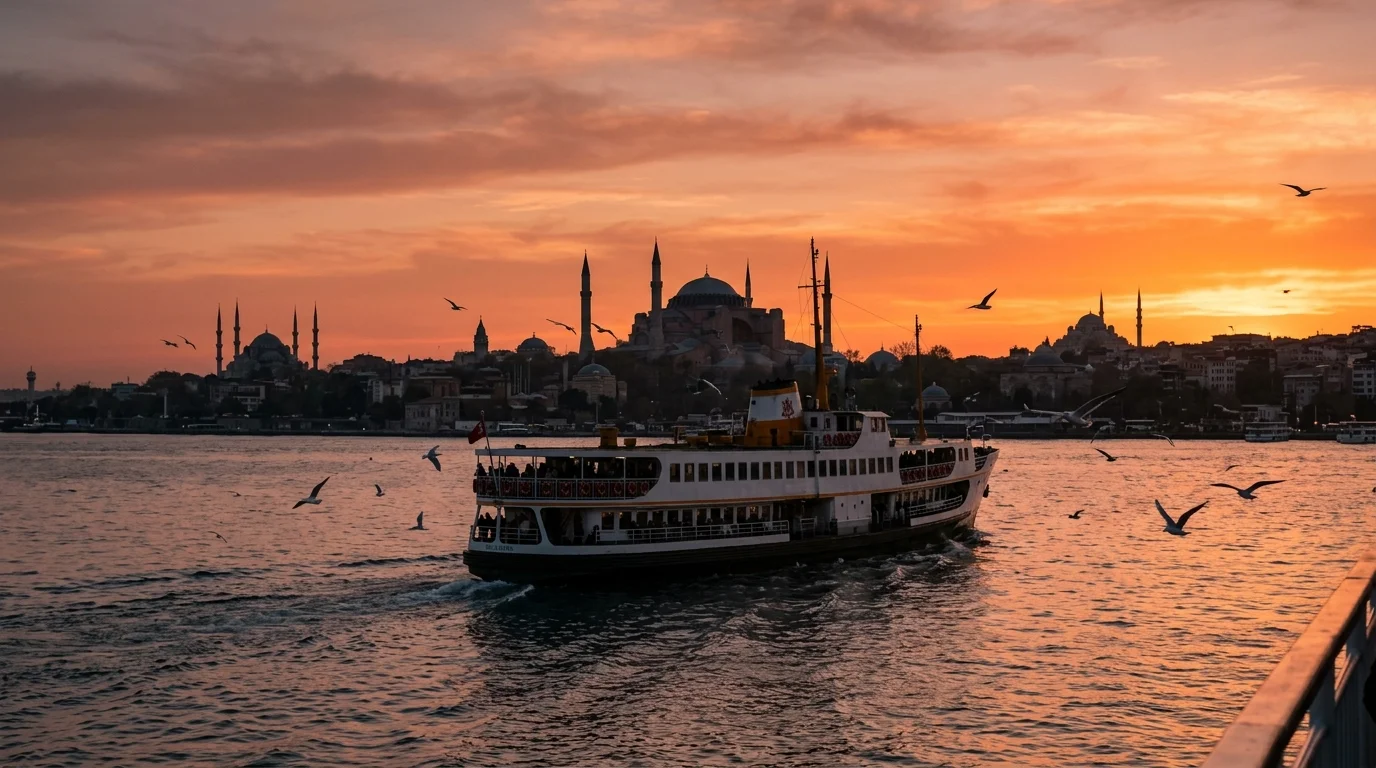
No Istanbul visit is complete without seeing it from the sea. The strait is the city's artery, lined with palaces, wooden mansions, fishing villages, and forests. Municipal passenger boats run a short round trip for a symbolic fare, and private smaller boats with lunch can be booked ahead.
The classic cruise passes the landmarks of both shores: the white Dolmabahce Palace, the legendary Maiden's Tower on its tiny rock, and the fishing village of Anadolu Kavagi with its old fortress where boats stop for the climb. Late afternoon is the most beautiful light on the hills, and the front deck seats are best for photos with a wrap for the breeze.
European Side or Asian Side: A Comparison to Help You Choose
The city splits into two shores with distinct personalities, and most first-time visitors sleep on the European side while crossing to Asia for a day:
| Criterion | European side | Asian side |
|---|---|---|
| Headline sights | Old city, bazaars, Taksim | Uskudar, Kadikoy, Camlica hill |
| Character | History, markets, energy | Calm neighborhoods, local cafes |
| Hotel options | The widest in every class | Fewer and slightly cheaper |
| Shopping | Bazaars and grand malls | Street markets and local lanes |
| Best suited for | First visits and short stays | Return visits and long stays |
Crossing between shores is a pleasure in itself on cheap municipal ferries, and you can ride the world's oldest undersea rail crossing beneath the strait. On the Asian side, do not miss tea in seaside Moda and the panoramic climb of Camlica hill.
Family Activities Children Love
Istanbul goes far beyond museums thanks to big family entertainment projects. Istanbul Aquarium ranks among Europe's largest with a long glass tunnel that dazzles children, and a fair-style amusement park sits beside it. The cable car hop between neighborhoods is a short delight, and a traditional Turkish bath in a trusted historic hamam with separate sections remains a safe family ritual.
On rainy or scorching days, the grand malls replace parks with indoor play zones, cinema halls, and wide food courts, and gaming arcades cluster around Beyoglu and Taksim. Summer families love the rose festivals and light picnics of the waterfront parks such as Gulhane and Emirgan.
Dishes You Must Not Miss in Istanbul
The Turkish breakfast alone justifies an early alarm: a small table becomes a sea of plates with white cheeses, honey, clotted cream, olives, jams, sesame simit, and tea in tulip glasses, served by dedicated breakfast houses in every district at gentle set prices. Street carts of grilled corn, chestnuts, and sesame rings keep children happy between stops.
Dinner is a world of its own: kebabs from marinated ribs to veal in tomato, the Istanbul meat-and-rice platters, the famous fish sandwich grilled on boats beside Galata bridge, and baklava as the only proper ending with Turkish tea or coffee. Nearly all of it is halal by nature, and a quick word about certification settles any doubt in upscale restaurants.
Where to Stay: The Best Areas Compared
| Area | Character | Best suited for | Practical note |
|---|---|---|---|
| Sultanahmet | Sights at your doorstep | First visits | Heritage hotels, higher prices |
| Sirkeci | Central and practical | Price-location balance | Close to the tram |
| Beyoglu and Taksim | Modern dining and night energy | Couples and young travelers | Loud in the evenings |
| Sisli | Shopping and quick access | Shopping trips | Beside the grand malls |
| Besiktas and Dolmabahce | Elegant waterfront | Comfort stays | Strait-view rooms |
Current hotel options and prices are broken down in our dedicated Istanbul hotel booking guide, with direct comparison through the hotel booking service.
Best Time to Visit Season by Season
| Period | Weather | Crowds | Practical note |
|---|---|---|---|
| March to May | Mild and blooming | Moderately high | Parks and tulips at their best |
| June to August | Hot and humid | Peak season | Plan indoor sights at midday |
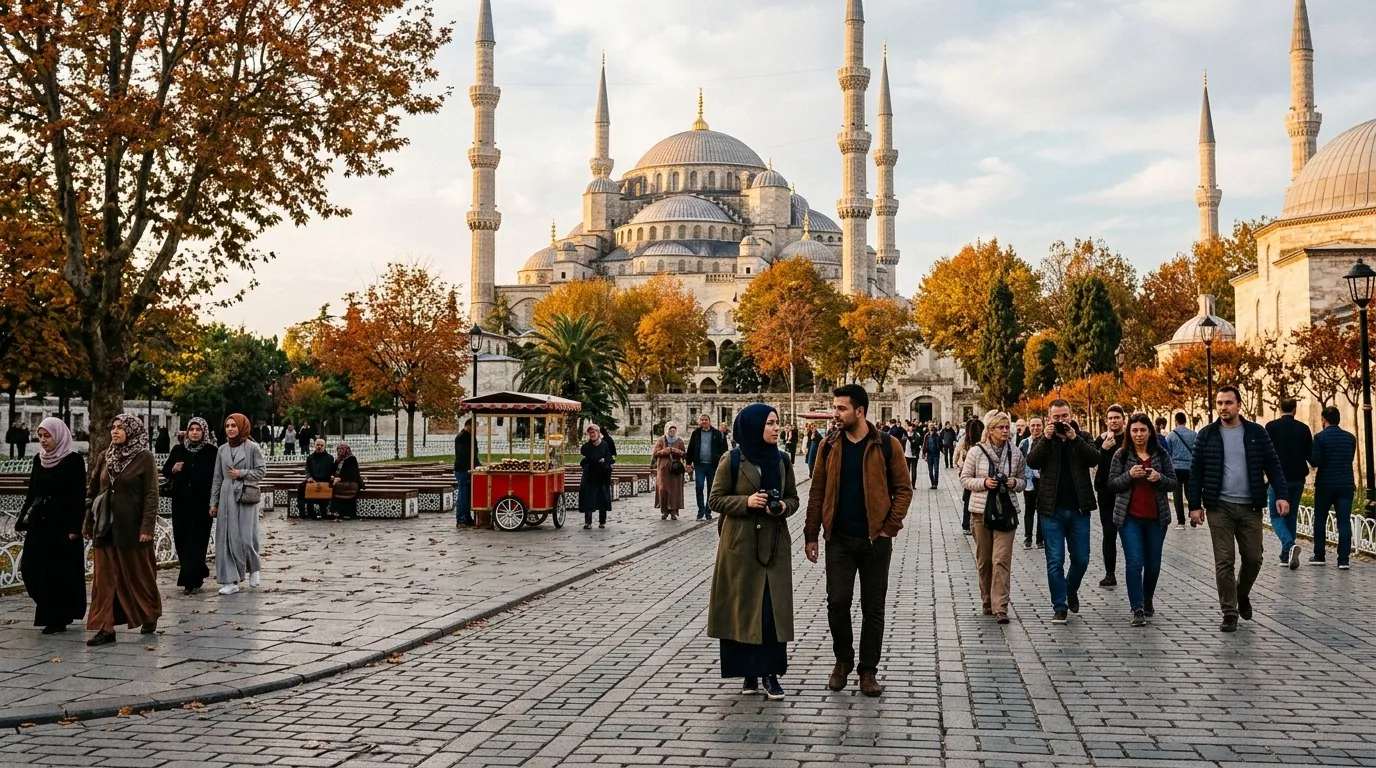
| September to November | Warm and pleasant | Falling | The year's best balance |
| December to February | Cold, occasional snow | Low | Lower prices, winter mood |
Gulf visitors favor summer despite the heat because it is the school holiday, tamed by early-morning sightseeing and evening sessions on the strait where the temperature drops noticeably after sunset.
Getting In and Around: Airports and Transport
Two airports serve the city: Istanbul Airport on the European side, the hub for global carriers and most Gulf flights, and Sabiha Gokcen on the Asian side, favored by low-cost airlines; arrivals through the second are covered in full in the Sabiha Gokcen airport transfer guide. Depending on traffic, the drive from either airport to the center runs between forty-five and ninety minutes.
Inside the city, an integrated network of metro, trams, sea buses, and ferries runs on a single rechargeable card, the cheapest and fastest way to move daily. The card is sold at airport kiosks and major stations, one balance covers a family for days, and top-up machines stand in every station. For families with luggage or seniors, a private transfer at a fixed pre-agreed price remains the smoothest airport-to-hotel start with no queues.
A Four-Day Sample Plan
Day one: all of Sultanahmet, Hagia Sophia and the Blue Mosque in the morning, Topkapi Palace in the afternoon, the cistern before sunset. Day two: the Grand Bazaar and Spice Bazaar in the morning, then the ferry to Asia for tea in Moda and the Camlica view. Day three: the full Bosphorus cruise on municipal boats, then Galata Tower and Istiklal Street up to Taksim. Day four: grand-mall shopping or the aquarium with children, and a farewell dinner on the strait.
The plan compresses to three days by dropping day four or stretches to a week with a Princes' Islands day trip or the Black Sea villages to the north; nature lovers should read where Trabzon is located for Turkey's famous green north. Ready-made versions are arranged through organized tours.
Practical Info for Gulf Visitors
| Item | Details |
|---|---|
| Currency | Turkish lira; cards accepted almost everywhere |
| Language | Turkish; English and Arabic common in tourism and grand bazaars |
| Prayer | Historic mosques in every district with ready ablution facilities |
| Halal food | The default in the city; certified restaurants are widespread |
| Internet | Instant tourist SIMs at the airport and good hotel wifi |
| Clothing | Comfortable walking wear; sports shoes essential in old-town lanes |
| Safety | Family-safe city with usual care for bags in crowds |
Before departure, check the entry requirements for your nationality; Saudis find updated details in the Turkey visa guide for Saudi citizens, and the e-visa itself is issued within minutes through the official portal.
FAQ (12 Questions)
- How many days do I need for a first Istanbul visit? Four days are ideal for the old city, the Bosphorus, the Asian side, and shopping; three cover the headline sights only.
- Which area is best for a family stay? Sirkeci and Sultanahmet for sightseeing on foot, Sisli for shopping, Beyoglu for dining and city energy.
- Is the food halal in Istanbul? Yes; meat dining is overwhelmingly halal, certified restaurants are plentiful, and seafood houses are everywhere.
- What is the best way to get around? The rechargeable travel card covers metro, trams, and ferries, cheaper and faster than cars in traffic.
- How do I get from the airport to my hotel? It depends on your airport; a fixed-price private transfer is easiest with family and luggage.
- When is the best time to visit? April to June and September to November for gentle weather, and summer for school holidays with indoor midday planning.
- Is the Bosphorus cruise worth it? Absolutely; it is the finest angle on the palaces and the city, and municipal boats run it for a symbolic fare.
- Is the Asian side worth visiting? Yes, for half a day: Uskudar, Kadikoy, and Camlica hill show the calm local face of the city.
- What should I buy in Istanbul? Baklava and sweets, chocolate, leather, textiles, and gold, with haggling expected in the Grand Bazaar.
- Is the city child-friendly? Very; aquariums, amusement parks, ferries, and family cafes make it easy with small children.
- Can I see Hagia Sophia and the Blue Mosque on the same day? They stand side by side; enter outside prayer times and allow about an hour each.
- Do I need a visa for Turkey? It depends on your passport; most Gulf passports enter with an e-visa or none, with details in the visa guides.
Conclusion
Istanbul in 2026 is more than a city; it is an experience layering imperial history over modern life on both shores of a single strait, at prices kinder than Europe's capitals and with hospitality that understands Gulf families. Base your first visit on the European side, split your days between the old city, the Bosphorus, and the far shore, and keep one day for shopping. To arrange the trip in one place, start by booking through Istanbul hotels and pre-arranging your airport transfer.
Sources
Related travel guides
Ayder highlands 5-day itinerary 2026: a day-by-day plan for Arab families covering thermal pools, valleys, and Trabzon.
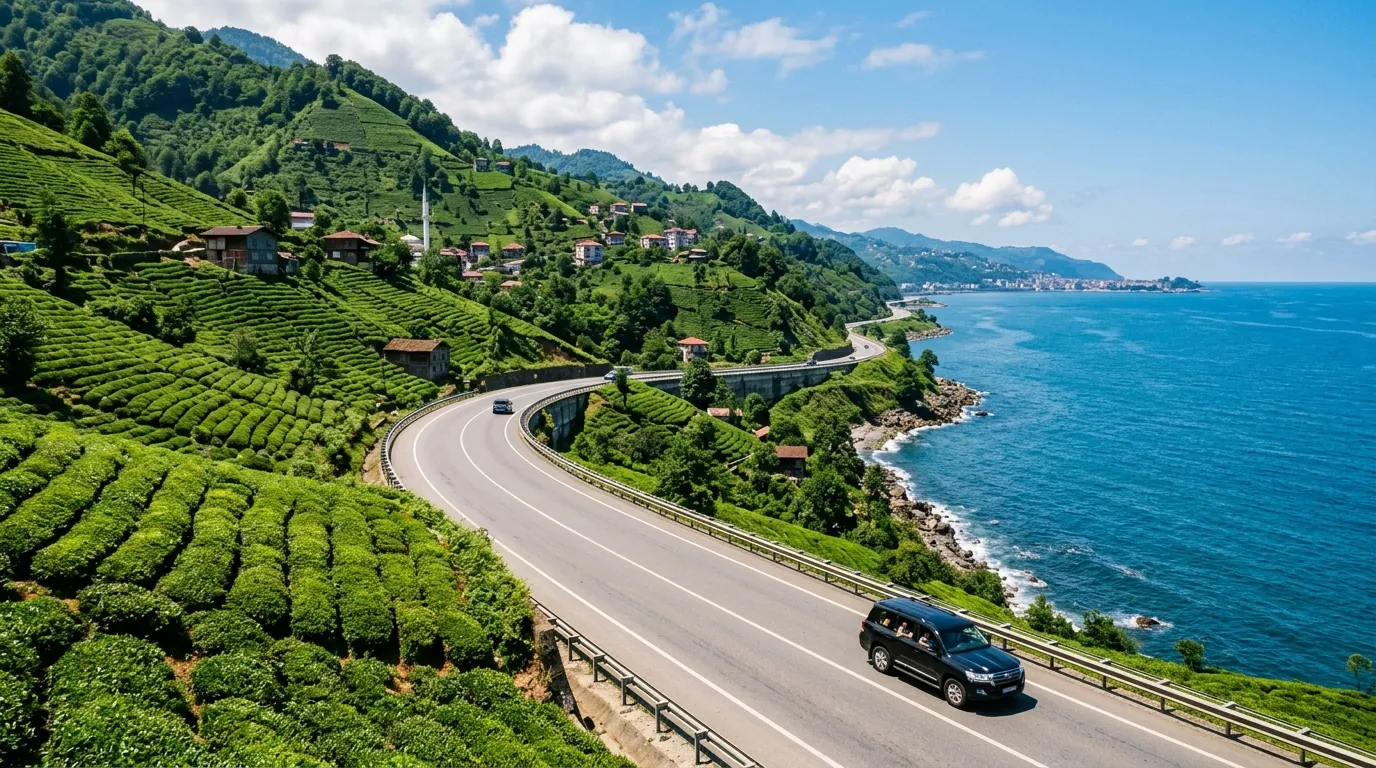
Ayder Trabzon distance 5-day itinerary 2026: a day-by-day plan for Arab families covering the transfer route.
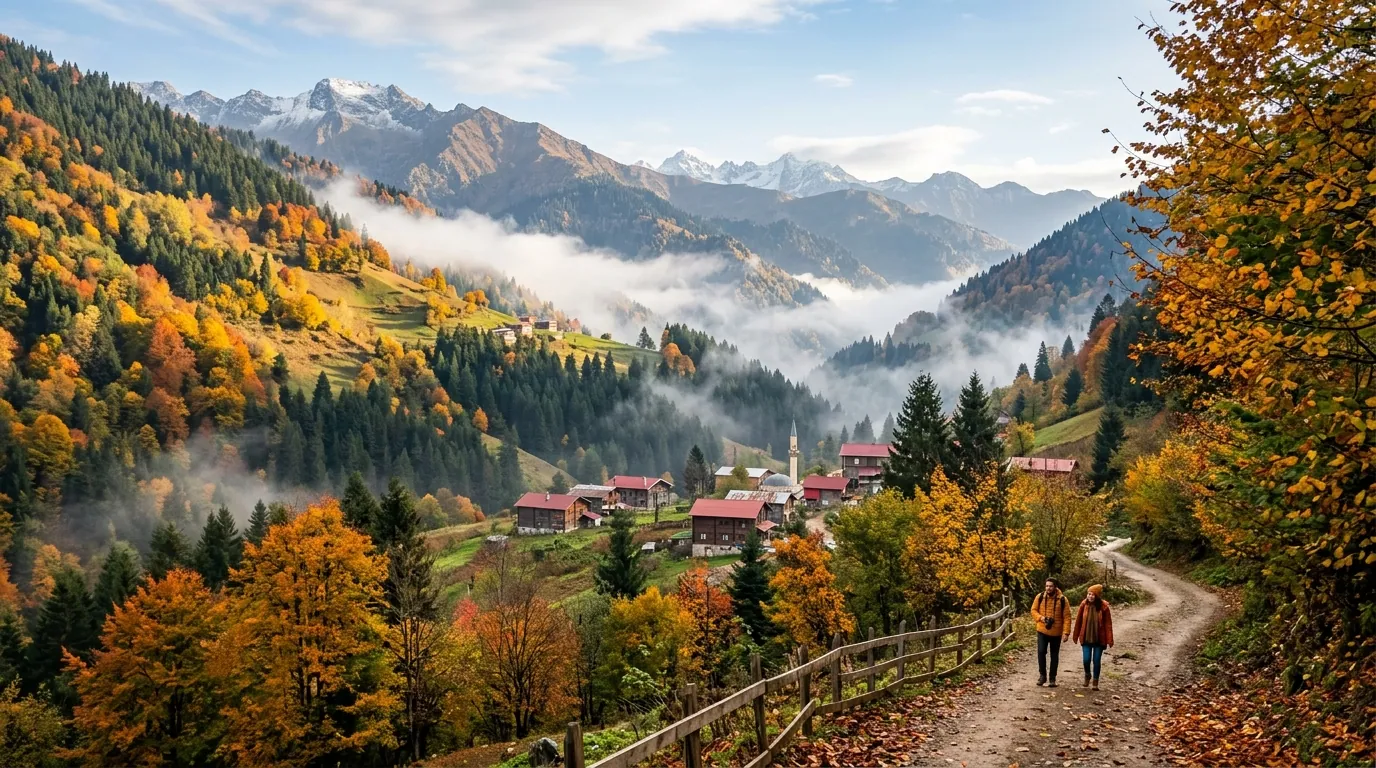
Ayder Turkey weather 2026: monthly averages, rain patterns, best months to visit, and packing tips for Gulf families.
Ready to explore Turkey?
Voyago brings together hotels, tours and transfers to help you plan the perfect trip to Turkey.