
Quick Answer for Gulf Visitors
How many countries border Turkey? — Eight: Greece and Bulgaria in the west, and Georgia, Armenia, Azerbaijan (Nakhchivan), Iran, Iraq, and Syria in the east and south, with total land borders of roughly 2,900 kilometers.
Why do the borders matter to Gulf travelers? — Borders define your road-trip options: you can combine Turkey and Georgia in one trip through the Sarp crossing, or plan an overland route, depending on each crossing's status and documents.
Where do I verify crossing status? — Through the official Turkish Ministry of Foreign Affairs portal and the detailed sections below.
Why the Border Map Is Part of Your Trip Planning
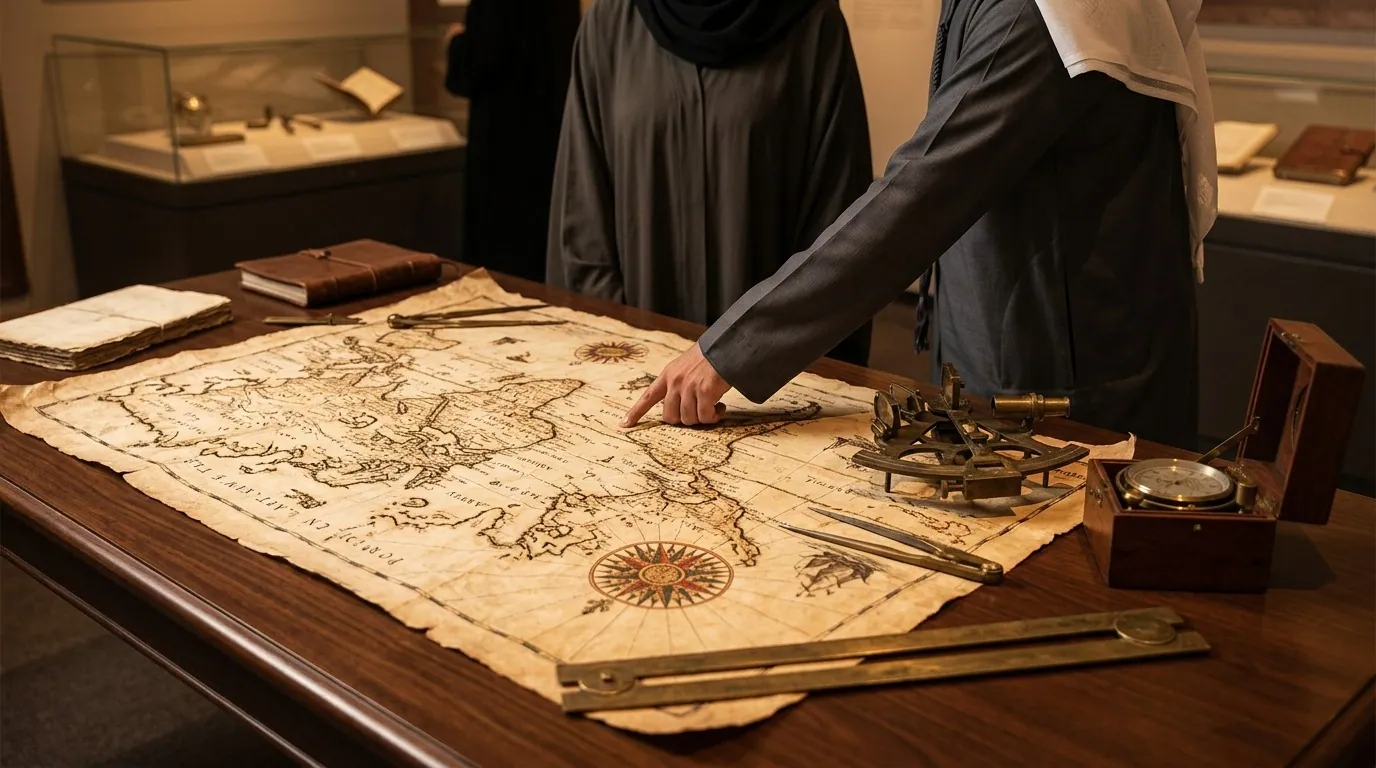
When Gulf travelers picture Turkey, they usually think of Istanbul, Antalya, and Trabzon, but the country's position on the border map opens extra possibilities: a road trip that combines Mediterranean beaches with Black Sea mountains, an itinerary pairing Trabzon with Georgia's Batumi in a single holiday, or even a full overland drive from the Gulf through Iraq into Anatolia. Understanding the neighbors and seas tells you which destinations can be merged and which borders exist for freight rather than tourists. For the wider picture, see our guides on where Turkey is located and Turkey's neighboring countries.
Borders also explain Turkey's own diversity. A country stretched across eight neighbors and four seas has blended cuisines, languages, and histories, so border provinces such as Edirne, Mardin, and Kars offer experiences unlike the big coastal cities, with gentler prices and thinner crowds. Travelers seeking the quiet, authentic Turkey usually find it at the edges of the map.
The Eight Neighbors: Who They Are and What They Mean for You
| Country | Direction from Turkey | Main crossing | Meaning for travelers |
|---|---|---|---|
| Greece | West (Thrace) | Ipsala | Road trips from and to Europe |
| Bulgaria | Northwest | Kapikule | The classic road gate to Eastern Europe |
| Georgia | Northeast | Sarp | Pair Trabzon with Batumi and Tbilisi |
| Armenia | East | Currently closed | No regular tourist crossing |
| Azerbaijan (Nakhchivan) | East | Very limited | Flying via Baku is far easier |
| Iran | East | Gurbulak | The Tabriz-Tehran overland route, visa required |
| Iraq | Southeast | Ibrahim Khalil (Habur) | The overland route from the Gulf, needs preparation |
| Syria | South | Status varies | Check official sources before any plan |
The most practical note: most Gulf visitors enter Turkey by air through Istanbul, Antalya, or Trabzon, and the land crossings serve two groups: long-road enthusiasts and those arriving overland from Iraq, Iran, or Georgia. The Sarp crossing is the most useful one for Gulf tourists, sitting about three hours by car from Trabzon with Batumi immediately on the other side. Details about the northern region are in our guide to where Trabzon is located.
The Four Seas and the Straits: The Water Borders
Four seas surround Turkey: the Black Sea in the north facing Trabzon and Samsun, the small Sea of Marmara at the heart of Istanbul, the Aegean in the west with its Greek island shore, and the Mediterranean in the south with golden coasts from Antalya to Iskenderun. Two world-famous straits link them: the Bosphorus and the Dardanelles, water passages that cross the heart of Istanbul and the Gallipoli peninsula, which means Turkish borders are not only lines on land but sea lanes where passenger ferries hop between continents. Turkey's coastline exceeds 8,000 kilometers, explaining why swimming, yachting, and cruises claim such a large share of its tourism programs. For the numeric details of the country's size, see our articles on Turkey's area in square kilometers and Turkey map facts.
Comparison: Which Land Crossing Suits a Gulf Traveler?
| Criterion | Sarp (Georgia) | Kapikule (Bulgaria) | Ibrahim Khalil (Iraq) |
|---|---|---|---|
| Ease of procedures | Fast and organized | Crowded in summer | Requires patience and preparation |
| Tourist appeal | Batumi and the Caucasus | Edirne, then Europe | The road to Zakho and Erbil |
| Time from nearest Turkish city | 3 hours from Trabzon | 2.5 hours from Istanbul | At the gate from Silopi |
| Best suited for | Families and photographers | European road-trip fans | Those driving from the Gulf |
| Documents | Passport + Georgian visa by nationality | Passport + Bulgarian (usually Schengen) visa | Passport and Iraqi procedures |
The table's takeaway: if your holiday is purely Turkish, the crossings do not concern you at all. If you want to add a second country smartly, the default choice is Georgia via Sarp, because the distance is short and the road from Trabzon to the crossing is one of the most beautiful Black Sea drives.
Border Provinces: Destinations for Travelers Seeking Something Different
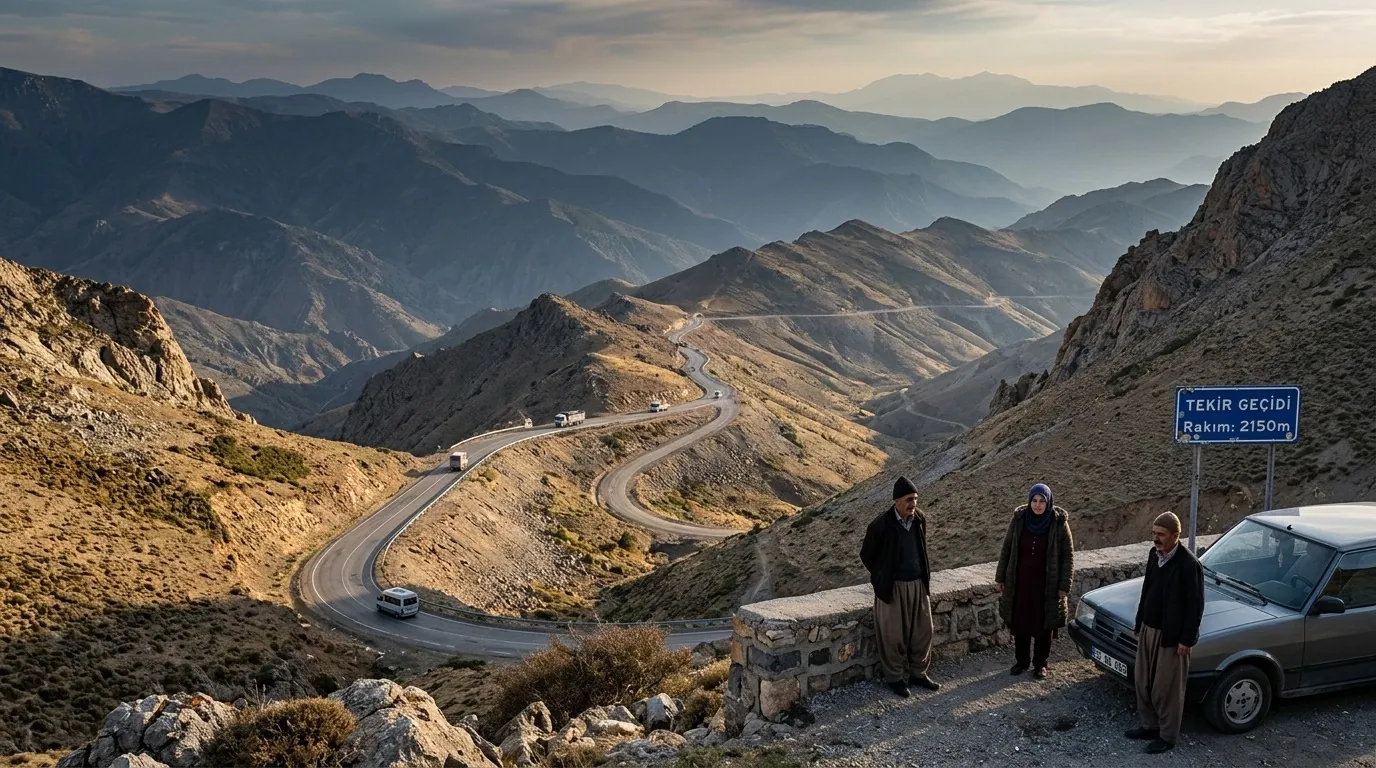
At the map's edges lie cities worth a stop: Edirne on the Greek frontier with its celebrated Ottoman mosques and gentle prices, two hours from Istanbul; stone-built Mardin overlooking the Mesopotamian plains with its Arab-Kurdish-Turkish blend; and eastern Kars near the ancient ruins of Ani on the Armenian frontier. All are less crowded and more authentic than the major coastal cities, and one trip to the southeast reshapes your entire image of Turkey: the world-listed cuisine of Gaziantep, the bazaars of Sanliurfa, and Mardin's hanging stone houses. We recommend it for travelers who have already done Istanbul and Antalya and want a different second act, provided they check the latest official guidance on the Go Turkiye portal.
Practical Info for Gulf Visitors
| Item | Details | Gulf note |
|---|---|---|
| Border documents | Passport valid 6+ months | Check the neighbor country's visa |
| Currency at crossings | Lira and the neighbor's currency | Exchange offices on both sides |
| Car insurance | External insurance mandatory | Bought at the border |
| Rental cars and exits | Usually not allowed to cross | Confirm with the rental company first |
| Emergencies | 112 inside Turkey | Keep your hotel's and embassy's numbers |
| Peak times at crossings | Weekends and summer | Ask locals before departing |
One final tip: before any overland border trip, review the latest security and health rules from official sources, as crossing regulations shift with events. Our article on travel allowances to Turkey summarizes the main entry rules.
Extra Notes for Travelers: Lessons from the Crossings and Edges
Border crossings reveal a deeper Turkey than the big cities offer, because they mix customs, shops, spontaneous markets, and local kitchens. Entering through Sarp for instance you will see Turkish tea terraces on the Turkish side, modern facilities for pedestrians and cars, organized security, and seasonal weekend crowds. On the Georgian side you reach coastal Batumi an hour beyond the crossing, where language and culture are entirely different. This instant comparison is a quick lesson in the geography of the Caucasus.
The advantage of land crossings is that they break the monotony of travel and add a human dimension: drivers swapping tips, travelers buying from small shops at the border, Turkish families bringing relatives from Georgia, Gulf visitors discovering for the first time that the trip from Istanbul to Tbilisi can be entirely by road. On the other hand, sea crossings like Aegean ferries compress time between Turkish shores and Greek islands and open travel between two NATO members without customs complications.
The final rule for crossings: log the embassies' numbers in your phone before departure, prepare external car insurance, carry a printed backup copy of your passport, and keep a small amount in both currencies. Some travelers carry a second bank card in case the first is lost, and others split the journey over two days instead of driving ten hours nonstop. Every small detail makes a difference on a border trip, just as it does in the big cities, and the comfort details on Turkish highways differ from the experience of mountain roads in the Black Sea or the southeast. Read our guide to travel to Turkey allowed and the complete guide to Turkey for further preparation.
FAQ (12 Questions)
- How many countries border Turkey?
Eight: Greece, Bulgaria, Georgia, Armenia, Azerbaijan (Nakhchivan), Iran, Iraq, and Syria, with total land borders of about 2,900 kilometers, plus four seas.
- Which is Turkey's longest land border?
The Syrian border is the longest among the neighbors, followed by Iran, but the busiest tourist crossing is the short, lively Georgian border at Sarp.
- Can I drive into Turkey from the Gulf?
Yes, via Iraq and the Ibrahim Khalil crossing, but it is a long road trip requiring preparation, insurance, and return arrangements. Most travelers prefer flying and renting a car inside Turkey.
- Is the Sarp crossing with Georgia open to Gulf tourists?
The crossing is generally open to tourists; the key check is your Georgian entry visa by nationality. Many Gulf passports enter Georgia easily, so always match the two countries' visa rules before planning.
- How far is Sarp from Trabzon?
About three hours by car northward along a beautiful coastal and mountain road, which is why the Trabzon-Batumi day trip or two-night combo is among the most popular dual destinations. Details are in our Trabzon guide.
- Is the Armenian border open?
There is no regular tourist crossing, and travel between the two countries happens by air via Tbilisi or Yerevan. Archaeological sites on the Turkish side, such as Ani, are visited from inside Turkey.
- Can I travel overland from Turkey to Europe?
Yes, via Bulgaria (Kapikule) or Greece (Ipsala). Most Gulf passports need a Schengen or Bulgarian visa, and the route can combine Istanbul with Edirne along the way.
- How do the borders affect Turkey's climate?
The stretch between neighbors and seas creates contrasting climates: a warm Mediterranean south, a rainy Black Sea north, and a dry continental plateau in the center, as detailed in our guide to Turkey temperatures year-round.
- Do rental cars need permission to cross borders?
Usually yes. Turkish rental contracts prohibit taking the car abroad unless a special arrangement and extra insurance are made, so confirm with the company before booking if Georgia is in your plan.
- Which crossing is closest to Istanbul?
Kapikule on the Bulgarian side is about two and a half hours by car, and Ipsala on the Greek side about three hours; both can be folded into a day trip to nearby Edirne.
- Do sea borders mean tourist ferry routes?
Yes. Istanbul ferries cross the Bosphorus between continents, and seasonal routes link Turkish coasts with Greek Aegean islands such as Chios and Bozcaada counterparts, using simplified passport procedures.
- Where do I find the updated official status of crossings?
Through the Turkish Ministry of Foreign Affairs, the relevant embassies, and official crossing pages a day before travel, since rules shift with seasons and regional events.
Why Borders Matter Beyond the Map
Borders are more than lines on a map: they are gateways to new cuisines, bazaars, and architectural styles. In the northwest, East Thrace touches Bulgaria and Greece, and Edirne is the textbook example of a city where Ottoman domes stand next to Balkan stone houses. In the southeast, the border with Syria and Iraq feeds cities such as Gaziantep, Şanlıurfa, and Adıyaman, where Anatolian kitchens borrow from Levantine traditions. On the east, Georgia and Armenia open through organized crossings, with Sarp between Trabzon and Batumi the most popular for Gulf travelers. The same Trabzon and Sarp route is also covered in our where is Trabzon guide, which adds practical context for first-time visitors.
Conclusion
Turkey's border map tells the story of a country bridging eight nations and four seas, and it widens the menu for Gulf travelers beyond the postcard image: a dual trip with Georgia, a European route through Bulgaria, or a different holiday in quiet border provinces like Edirne and Mardin. The golden rule: flying remains the easiest entry, and the crossings suit those who plan ahead and verify both countries' documents. Start your trip plan by choosing a suitable hotel, booking a private transfer from the airport, and picking organized tours that save you the logistics. The Voyago editorial team covers the rest in our guides.
Sources
Related travel guides
Ayder highlands 5-day itinerary 2026: a day-by-day plan for Arab families covering thermal pools, valleys, and Trabzon.
Ayder Trabzon distance 5-day itinerary 2026: a day-by-day plan for Arab families covering the transfer route.
Ayder Turkey weather 2026: monthly averages, rain patterns, best months to visit, and packing tips for Gulf families.
Ready to explore Turkey?
Voyago brings together hotels, tours and transfers to help you plan the perfect trip to Turkey.