
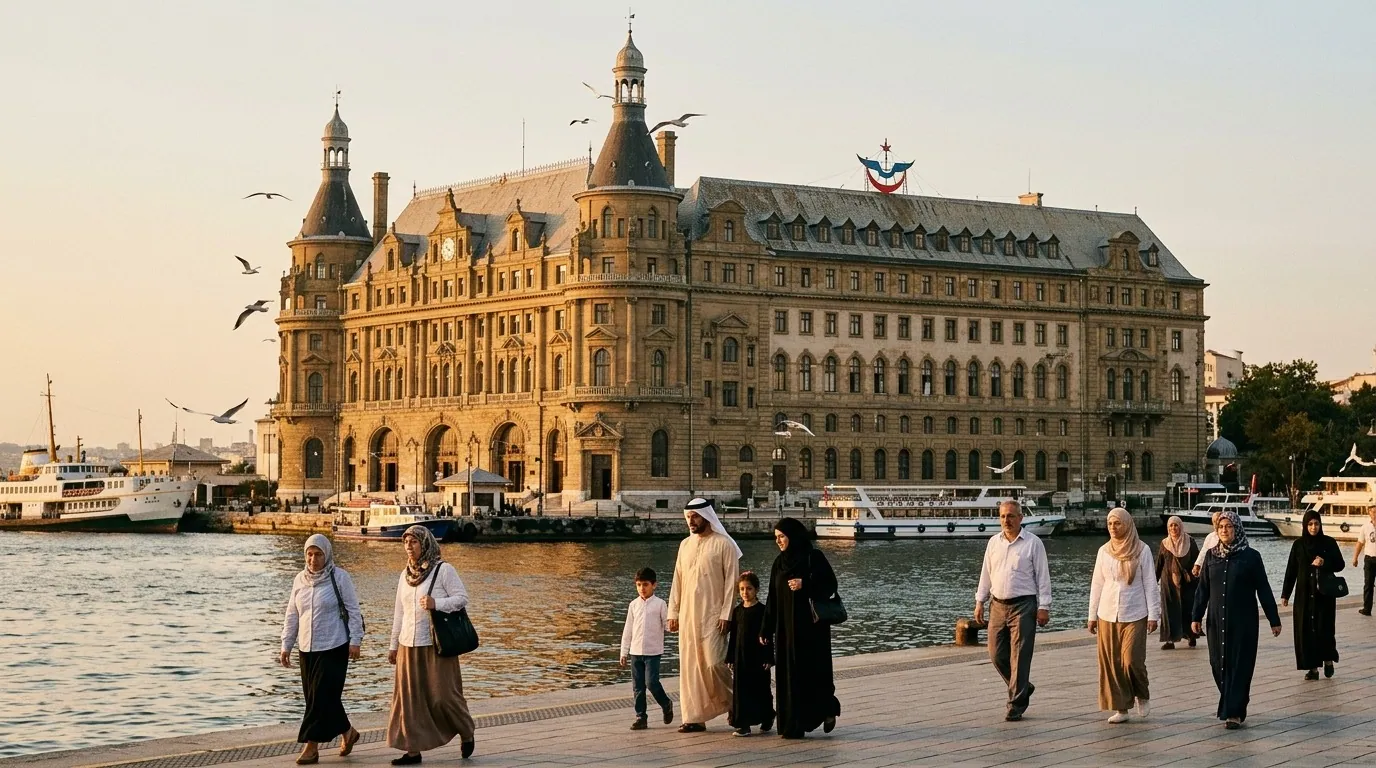
Quick Answer for Gulf Visitors
What is the origin of the name? — It derives from "Turk," the name of the Turkish people, first recorded in the eighth-century Orkhon inscriptions, combined with a suffix meaning "land of," producing Turkiye in the Turkish language.
What is the rebrand story? — In June 2022 the United Nations approved using Turkiye officially in international correspondence, following a Turkish government decision to anchor the national brand.
Does anything change for travelers? — Nothing essential: the Arabic name remains unchanged, passports and visas are the same, and the difference is mainly the new name appearing on signage, products, and official communication.
Why the Country's Name Matters to a Gulf Traveler
A country's name may look like a linguistic detail with no bearing on your trip, but it is actually a doorway into understanding the country you are visiting: a land that carried many names through history, from Anatolia and Asia Minor to the land of Rum and the Ottoman Empire, and each name opens a door onto an era you will see in museums and monuments. When you learn that the republic's own name was proclaimed in 1923 after centuries of the Ottoman state's name, it becomes clear why Turkish cities hold layers of names: Roman, Byzantine, Ottoman, and republican. Since your journey is really about this land itself, start with the complete Turkey guide and our guide to where Turkey is located.
The linguistic story is enjoyable on its own. "Turk" is an ancient word whose earliest recorded meanings relate to strength, applied to the Turkic tribes of Central Asia long before they reached Anatolia. Arabic speakers have known this land for centuries under several names, yet "Turkiye" in its Arabic form remained the most common in medieval Arabic sources up to today, which is why the 2022 decision, which targeted the Latin-script name specifically, changed nothing in Arabic.
The Official Rebrand to Turkiye in 2022
In December 2021 the Turkish presidency issued a circular requiring official institutions to use Turkiye instead of the older English name in correspondence and documents, alongside a national branding campaign. Then in June 2022 the United Nations approved Ankara's request, making Turkiye the recognized name in international forums, followed gradually by sports federations and diplomatic bodies. The stated reasons: strengthening the national brand, separating the country's name from the common English word for the festive bird, and unifying the original pronunciation.
What matters for Gulf travelers is that the change is cosmetic in practical terms. The country's official Turkish name has not changed since 1923, Arabic continues to say Turkiye as it always has, official platforms such as the Turkish government gateway and the Ministry of Foreign Affairs run on their usual domains, and bookings and tickets are issued under both names. You will notice the new name on airport facades, "Made in Turkiye" exports, and official correspondence; that is the entire difference.
Comparison: The Names of the Land Through the Eras
| Era | Dominant name | Note for travelers |
|---|---|---|
| Antiquity | Anatolia / Asia Minor | Greek name meaning "the east, sunrise" |
| Byzantine era | Byzantium, then Constantinople | Imperial capital on the Bosphorus |
| Seljuk era | Sultanate of Rum | First major Turkish state in Anatolia |
| 1299-1922 | Ottoman State | Lasted more than six centuries |
| Since 1923 | Republic of Turkiye | Current official name in Turkish |
| In Arabic sources | Turkiye / land of the Turks | Stable name across Arabic history |
Notice that names accumulate rather than erase one another: in a single city like Istanbul you meet Constantinople's walls, Ottoman monuments, and republican streets all at once, and this layering is exactly what distinguishes a cultural trip to this country.
How the Name Is Written in Major Languages
In Turkish it is Turkiye with dotted u's, in Arabic "تركيا", in Persian "تركيه", in French the historical Turquie, and in German Turkei. English long used its own spelling before the official shift to the original pronunciation. The practical benefit when researching travel: in Arabic searches use "تركيا" since it remains dominant, and you will easily find our articles such as Turkey map facts and Turkey's area, while the new name sometimes helps in English searches on official sites.
A detail Turks cite with pride: the first written record of the word "Turk" appears in the Orkhon inscriptions in present-day Mongolia, meaning the country's name carries within it a full journey from Central Asia to the Bosphorus. You can touch this story at the Museum of Anatolian Civilizations in Ankara, which we recommend in our guide to Ankara, Turkey's capital.
Practical Info for Gulf Visitors
| Item | Details | Gulf note |
|---|---|---|
| Name on tickets | Both names appear | Old bookings remain valid |
| Name in apps | Usually both forms | Search in Arabic works fine |
| Passports and stamps | Unchanged | Entry stamp in Turkish as always |
| Official websites | Same domains | Government gateway operational |
| Original pronunciation | Tur-ki-ye | Stress stays natural |
| Arabic name | تركيا | Continues unchanged |
The Name in Poetry, Literature, and the Arts: A Presence Beyond Geography
The name of Turkey is not just a line on a passport; it is a semantic field that fills literature, arts, and contemporary history. Turkish novelists use the name in their titles, poets place it in verses that speak of longing for the homeland, and singers carry it in their songs. Outside Turkey the word appeared in old Arabic and Persian poetry referring to the Anatolian land and its power, and it remains in Arab media today in its stable form. Even in medieval maps it appeared in different shapes: Turchia in Latin, Turky in Persian, Turkiye in Arabic, Turquie in French, and the variety of names explains the variety of historical accounts travelers tell when visiting Anatolia.
The name also carries an economic dimension: the national brand Turkiye is used by the state in its promotional campaigns, Made in Turkiye appears on Turkish products worldwide, and airlines use it in destination advertising. Those who search for Turkish products on online markets will notice the two labels mixed, an expected transition in a transitional phase. The important thing for travelers: do not search for an item at a high price assuming it is authentic because of the new name, but compare prices and quality as you would in any other market. For the geography and nature surrounding this ancient name, see the complete Turkey guide and our guide on where Turkey is located.
In the visual arts, Turkish, Iranian, and Kurdish artists use the name in their contemporary works, and some paintings deliberately write the name in old Arabic script, recalling historical relationships that cross political borders. In cinema, some Turkish films carry the country's name in their titles, especially works that deal with national events. All these contexts prove that the name is not merely an identification label but a cultural mark with layers, and the traveler who reads the name in its multiple meanings understands Turkey more deeply, discovering layers of meaning in every monument, inscription, and market they visit. For those who want to expand their reading, we recommend contemporary Turkish historians and the open museums in Ankara that tell this history alive.
FAQ (12 Questions)
- Why did Turkey change its official name?
To promote the national brand with the original pronunciation, to separate the country's name from a common English word for a bird, and for marketing reasons related to the country's image in global media.
- When did the United Nations adopt the new name?
In June 2022 the UN secretariat approved Turkey's request, making Turkiye the recognized name in international documents, following an internal presidential circular from December 2021.
- Did the Arabic name change?
No. The Arabic name has been stable for centuries and the decision targeted the Latin-script name in international forums, so nothing changed for Arabic speakers.
- What is the origin of the word "Turk"?
An ancient name of the Turkish people recorded in the eighth-century Orkhon inscriptions, whose earliest meanings relate to strength, later becoming the name of the entire nation.
- What does Turkiye literally mean?
"Land of the Turks": the Turkish word for Turks combined with the suffix that denotes belonging and country.
- What was the land of Turkey called in ancient times?
Anatolia, Asia Minor, and the land of Rum, while Constantinople served as the Byzantine capital before becoming Istanbul, the Ottomans' capital and the republic's largest city.
- What is the difference between Anatolia and Asia Minor?
Both usually refer to the same Asian peninsula in the country's west; Asia Minor is the old Greek term, while Anatolia comes from Greek roots meaning the east or sunrise.
- Why is Istanbul called that?
The name evolved from a Greek phrase meaning "to the city," which locals used for the capital, and it became the city's sole official name in 1930.
- Did passports and entry stamps change?
No. Entry documents, border stamps, and residence papers are unchanged, and the official Turkish name has been constant since the republic was proclaimed in 1923.
- Is my booking or ticket affected by the new name?
Not at all. Reservation systems accept both names, and a different spelling on your ticket refers to the same country; no edits to existing bookings are needed.
- Is the English name of the bird related to the country?
The bird's English name arose historically from old trade confusion between birds imported through Ottoman lands and American ones, one of the reasons behind the official distinction.
- Where do I verify official information about Turkey?
Through the Turkish government gateway, the Ministry of Foreign Affairs, and the Go Turkiye tourism portal, plus Voyago guides such as traveling to Turkey.
The Name Across the Centuries: Extra Context
The deeper story of the Turkish name travels through several distinct layers. In the sixth century, the Byzantine historian Theophylact Simocatta used "Turki" in his writings to describe the steppe peoples of Eurasia. By the eleventh century, the Seljuk Turks carried the same root into Anatolia, founding a sultanate that stretched from Khorasan to the Aegean. When the Ottomans arrived, the state called itself the "Sublime Ottoman State" while Europeans used the geographic label Turkey or Turquie to refer to the land rather than the dynasty. After 1923, the new republic adopted Türkiye Cumhuriyeti as its official name, with Atatürk insisting on the umlauted Ü to underline the local pronunciation. The 2022 decision by the Turkish government to ask international bodies to use Türkiye rather than Turkey was a cultural reassertion rather than a purely administrative change, partly because the English word Turkey also refers to the bird and carries baggage the Turkish state wished to leave behind. The official portal Go Turkiye now leads with Türkiye across all its languages.
For Gulf visitors, the practical reality is simple: the Arabic name Türkiyā remains unchanged in passports, visas, and everyday speech, and the Ministry of Foreign Affairs confirms that all travel documents are accepted regardless of spelling. For broader reading, our comprehensive Turkey guide walks through the wider context.
Conclusion
The name of Turkey is a short version of its history: a word from the Central Asian inscriptions, a land called Anatolia and Rum, an Ottoman state spanning centuries, a republic named Turkiye since 1923, and finally the 2022 international decision anchoring the original pronunciation. For Gulf travelers nothing practical has changed: the Arabic name stands, documents and bookings flow as usual, and the only difference is that you now understand what the signs mean. Browse the complete Turkey guide, then choose your hotel, book a private transfer, and explore organized tours to start your journey on a land with an ancient name.
Sources
Related travel guides
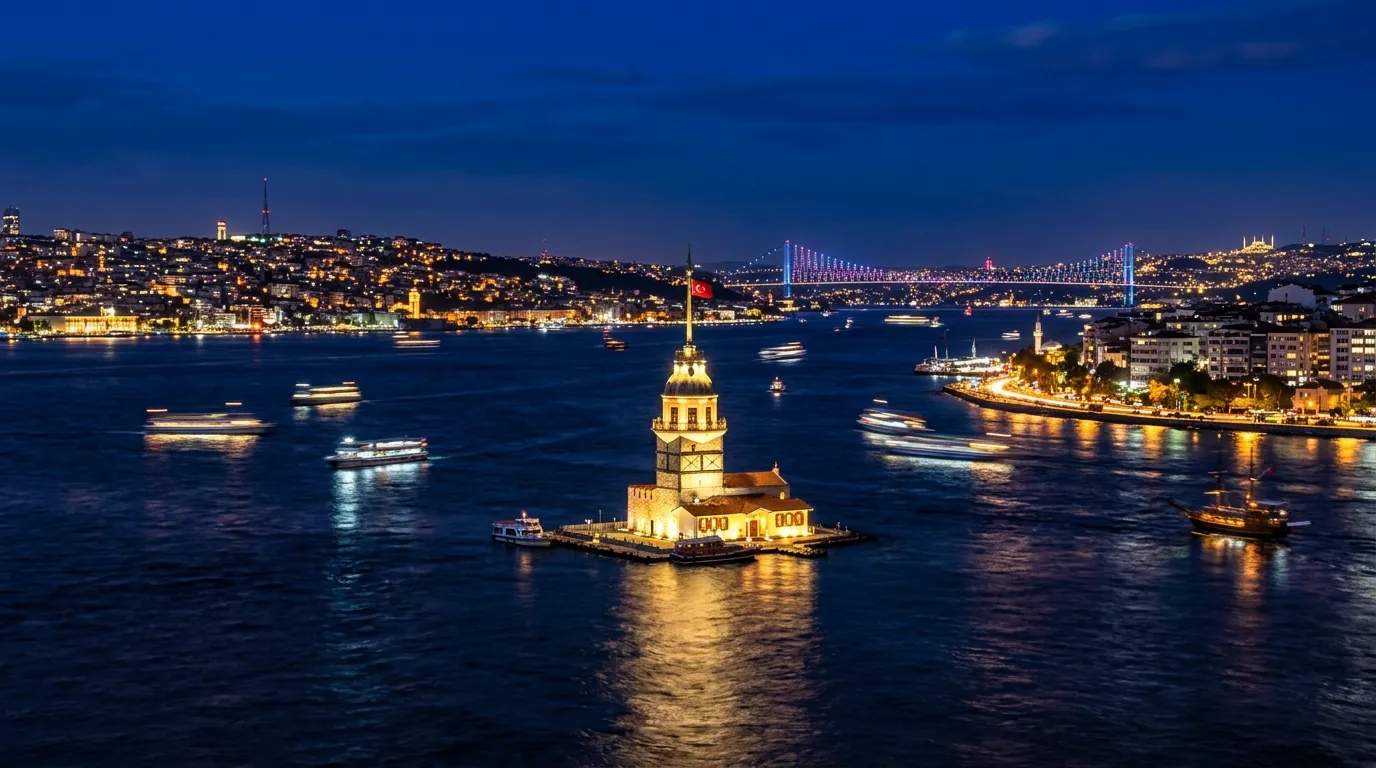
Istanbul night tour 2026: Bosphorus dinner cruises, live music, halal restaurants, family activities, night safety, and late transport for Gulf visitors.
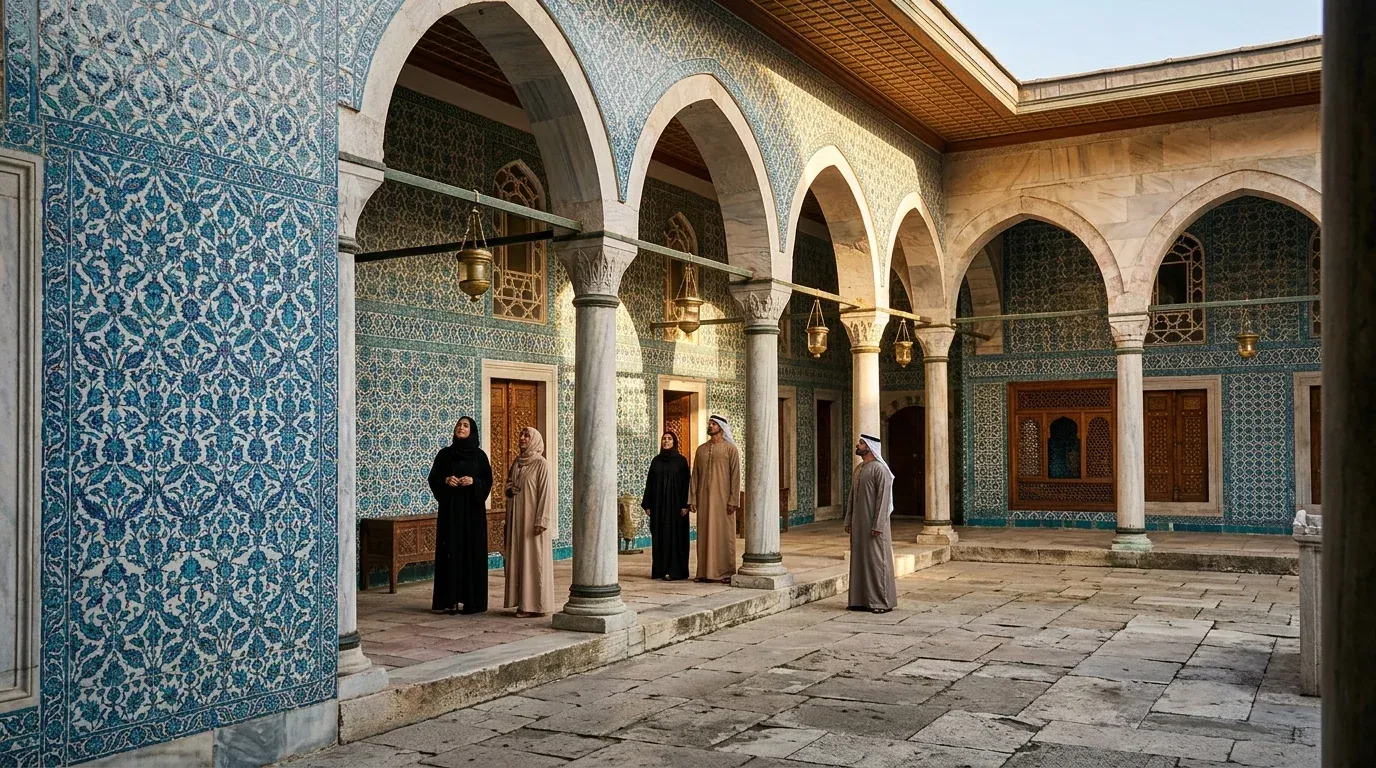
Istanbul historical sites 2026: Hagia Sophia, Topkapi, the Blue Mosque, the Grand Bazaar and more, with tickets, a 3-day plan and tips for Gulf families.
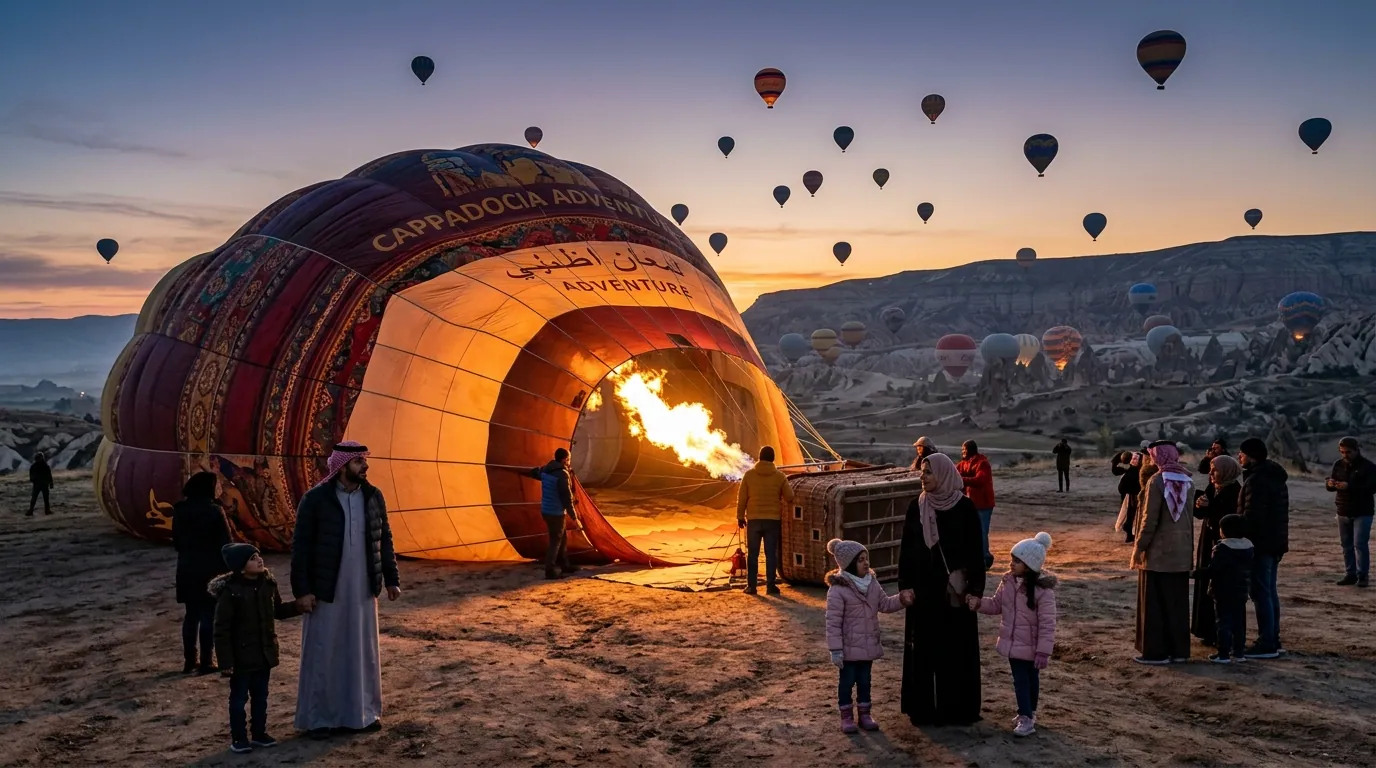
Cappadocia balloon tour 2026: prices by category, dawn takeoff, safety rules, best season for Gulf families, booking window, and cancellation policy.
Ready to explore Turkey?
Voyago brings together hotels, tours and transfers to help you plan the perfect trip to Turkey.