
Quick Answer for Gulf Visitors
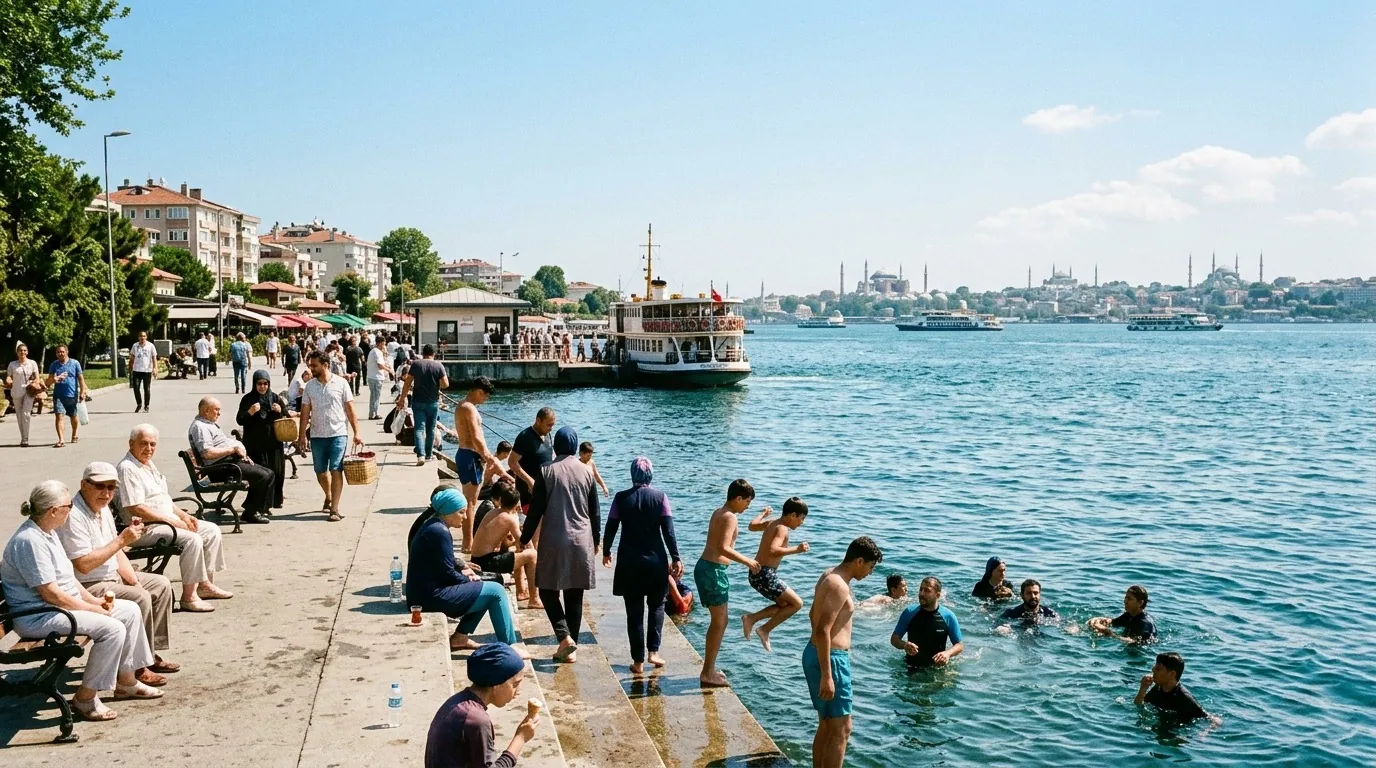
What are Turkey's average temperatures year-round? — They vary sharply by region: Istanbul 5-10 degrees in winter and 24-28 in summer, Antalya 10-16 in winter and 30-35 in summer, Trabzon 6-12 in winter and 22-26 in summer.
Which are the best months to visit? — April-May and September-October for Istanbul and Cappadocia, June-September for the northern Trabzon coast, and December-March for skiing at Uludag and Erzurum.
Where do I follow the precise forecast? — The official Turkish meteorology site publishes hourly city forecasts throughout the season.
Why Turkey's Climate Matters to Your Trip
Anyone who pictures Turkey as a single climate is mistaken; it is a mini continent where a mild Mediterranean climate on the Aegean and Mediterranean coasts meets a harsh continental climate across the central Anatolian plateau, a humid near-subtropical climate on the Black Sea coast, and a cold mountain climate on the peaks of the Taurus and Kars ranges. The result is that if you match city and month well, you find a climate kinder than your own; if you mismatch, you face scorching heat, heavy rain, or snow. Your first step in understanding Turkey's climate is its map, so see our guide on where Turkey is located and Turkey map facts to see how the regions differ.
Because Gulf families mostly visit Turkey in summer, one practical note: July and August bring intense heat in Antalya and the southern areas, while the north holds a daytime average of 24-26 degrees; if you want real cool, head to the Black Sea or the Cappadocian highlands where nights are crisp.
Monthly Averages in the Major Cities
| Month | Istanbul | Antalya | Trabzon | Cappadocia |
|---|---|---|---|---|
| January | 6C | 10C | 7C | -1C |
| February | 7C | 11C | 7C | 0C |
| March | 9C | 13C | 9C | 4C |
| April | 13C | 17C | 12C | 9C |
| May | 18C | 22C | 16C | 14C |
| June | 23C | 27C | 21C | 18C |
| July | 26C | 31C | 24C | 22C |
| August | 26C | 31C | 25C | 22C |
| September | 22C | 27C | 21C | 17C |
| October | 17C | 21C | 17C | 11C |
| November | 12C | 15C | 12C | 5C |
| December | 9C | 12C | 9C | 1C |
The figures are reference averages and shift with the year and any cold or hot surge from Europe. Rely on the latest official forecast from Turkish meteorology for any date-sensitive decision.
Comparison: Climate Regions by Family Type
| Region | Summer | Winter | Best suited for |
|---|---|---|---|
| Istanbul | 25-30C | 5-10C, windy | History lovers year-round |
| Mediterranean (Antalya) | 30-35C | 10-16C | Beaches in summer, cheaper off-season |
| Black Sea (Trabzon) | 22-26C | 6-12C with rain | Escapers from summer heat |
| Central Anatolia (Cappadocia) | 20-25C | -3 to 5C | Mild seasons |
| Eastern Anatolia | 25-30C | -10 to 0C | Adventurers in summer only |
| Southeast (Gaziantep) | 32-38C | 0-5C | Food and historical sites |
The takeaway: Gulf families who hate extreme heat and want greenery head north; those who want warm beaches head south; those who prefer a moderate historical city stay in Istanbul. For visitors planning Istanbul with an extension into Cappadocia, read our comprehensive Cappadocia guide and the year-round climate reference linked above.
Which Month for Which Activity?
| Activity | Best month | City | Reason |
|---|---|---|---|
| Swimming and snorkeling | June-September | Antalya and Bodrum | Sea above 23C |
| Balloon flights | April-October | Cappadocia | Mostly clear skies |
| Valley walks | May-September | Cappadocia | Dry and thermally comfortable |
| Surfing | October-April | Alanya and Antalya | Seasonal strong winds |
| Skiing | December-March | Uludag and Erzurum | Sufficient snow |
| Photography | April-May and September-October | Istanbul | Soft light and clear skies |
| Heritage visits | March-May and September-November | Turkey-wide | Excellent moderation |
| Boat trips | May-October | Istanbul and Aegean | Calm seas and moderate winds |
What to Pack for Each Season?
For summer: light cotton clothes, sun protection, hat, sunglasses, a light jacket for coastal evenings, and a thinner one for the mountains. For autumn and winter: extra layers, a rain jacket for the north, waterproof shoes, and a wool scarf. For the northern summer you will not need fur even if you are coming from Gulf heat, since the temperature is mild at night. For residents of inland cities like Ankara and Cappadocia in winter: a heavy coat and gloves. The golden rule from travelers' experience is layers rather than a single heavy coat, since the weather can change during a day between the mountain, the plain, and the coast. Reviewing the official entry rules in our travel to Turkey allowed guide frees you from any administrative surprise.
Practical Info for Gulf Visitors
| Item | Details | Gulf note |
|---|---|---|
| Time zone | UTC+3 all year | Same as Saudi time |
| Summer | June-August | Coastal heat and cool mountains |
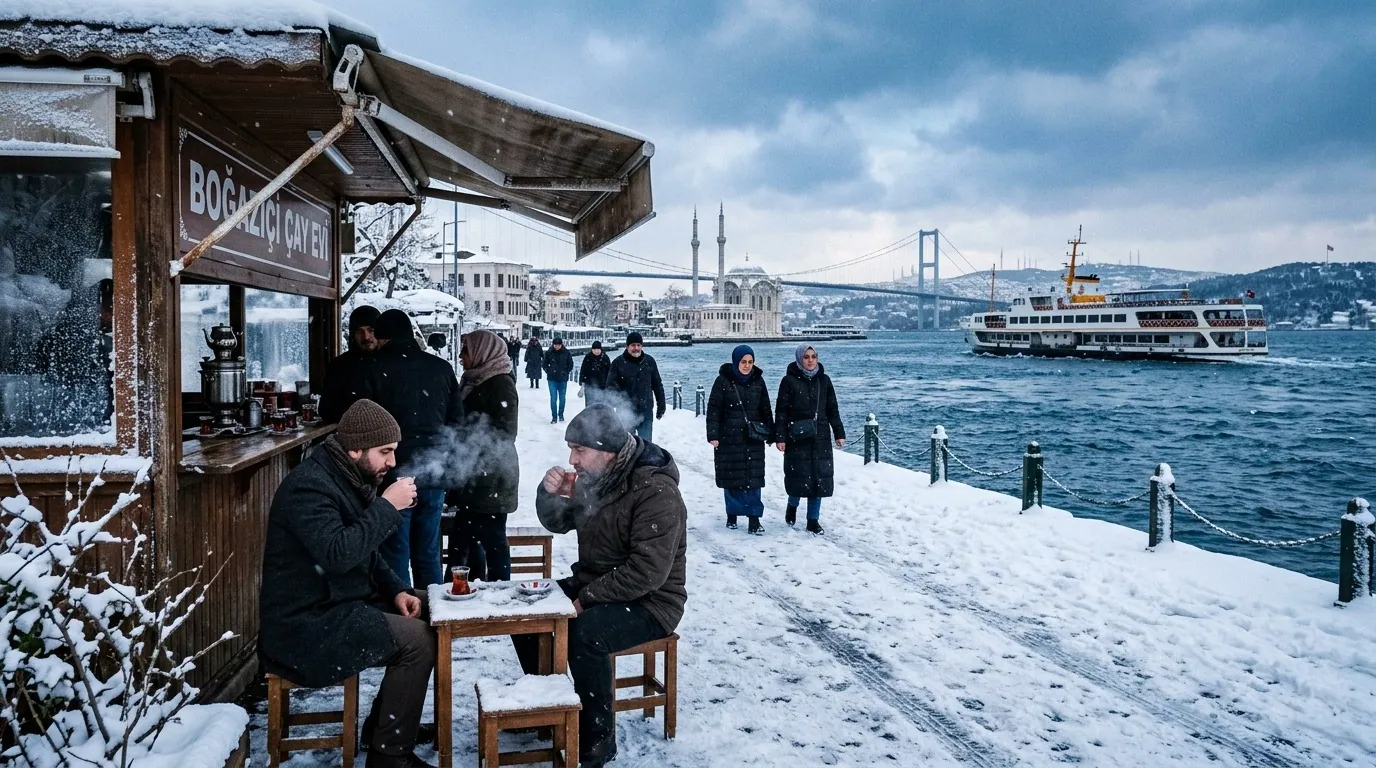
| Winter | December-February | Mild coastal, cold inland |
| Northern rain | 80-120 days per year | Umbrella and jacket always |
| Snow | December-March in the mountains | Book ski resorts early |
| Humidity | High on coasts in summer | Cotton clothes and plenty of water |
Extra Seasonal Tips: What Can Surprise You in Each Season?
Turkey's climate is fairly predictable, but a few seasonal phenomena deserve attention. In spring, short rains fall on the Aegean in April, and Istanbul sometimes warms a bit slowly, but it is a great opportunity to see the green spaces of its parks. In summer, exceptional heat waves in Anatolia can hit 40 degrees in the shade, so staying in shade or near the sea is wise at peak hours. The highlands in Cappadocia and Trabzon stay 5-8 degrees cooler than the plains, providing a natural refuge on hot days.
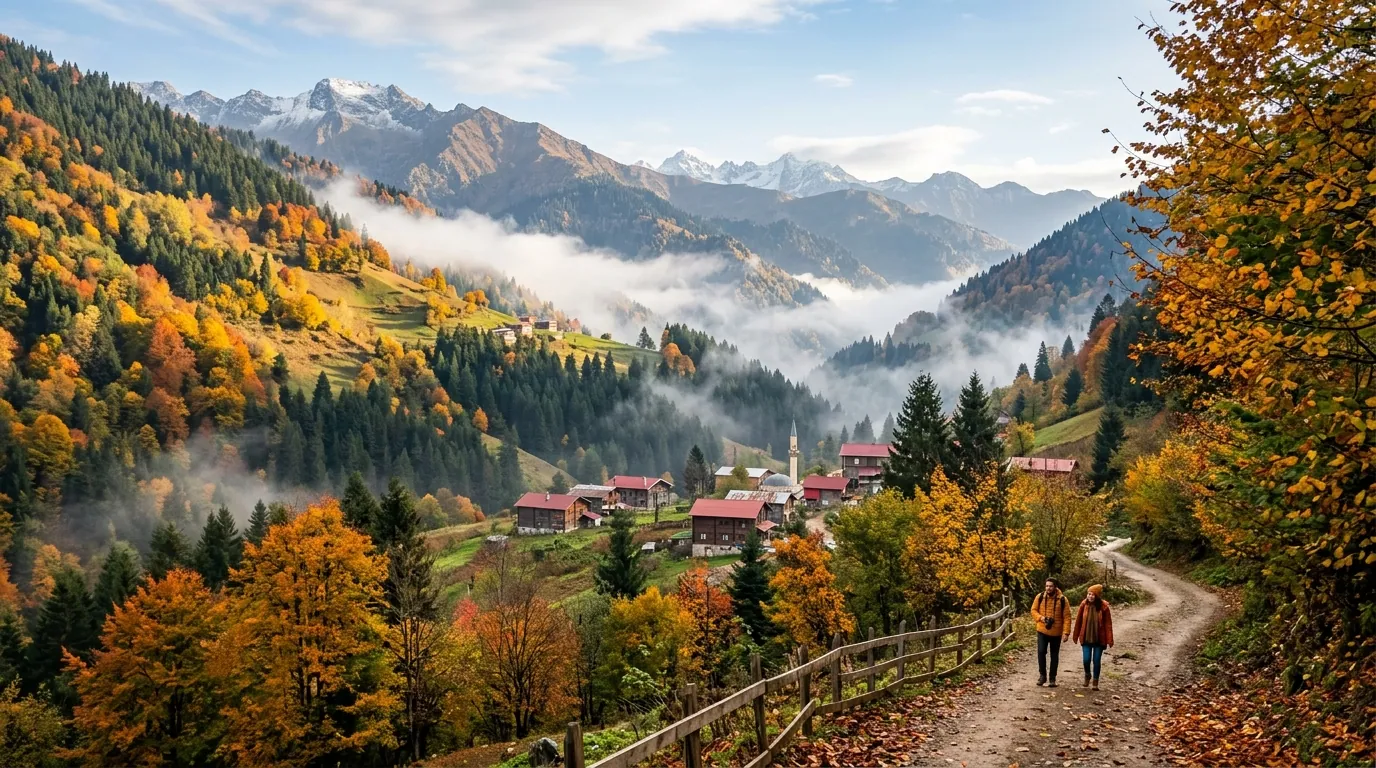
In autumn, leaves in the north turn red and orange between October and early November, a wonderful time for visitors who prefer quiet away from the summer crowds. Rain increases gradually, but the daytime remains mostly sunny, and evenings grow cooler. In winter, snow falls on the Uludag, Erzurum, and Kars highlands, turning these areas into ski resorts that Gulf tourists seeking a different winter experience can use. Snow sometimes reaches Istanbul, but it is usually light and melts quickly.
Additional advice for shoulder-season travel: book hotels with cancellation flexibility, prepare clothes for all seasons since the weather can shift between seasons in a single day, and carry a small umbrella or rain jacket. Check the Turkish meteorology bulletin a day before travel. For those planning their first trip, we recommend reading the complete Turkey guide, the Cappadocia guide, and the Trabzon guide for destination details, plus the Istanbul hotel booking guide for a comfortable stay.
FAQ (12 Questions)
- What is the average temperature in Istanbul in summer?
About 25-30 degrees by day and 18-22 at night, peaking in late July and August with moderate humidity; sea breezes soften the air along the waterfront.
- How hot does Antalya get in summer?
About 30-35 degrees by day in July and August, with high humidity near the sea; staying in an all-inclusive hotel by the beach helps you avoid going out at midday.
- Is Trabzon suitable for Gulf families in summer?
Yes, from June to September, with daytime averages of 22-26 degrees, the best escape from Gulf heat, and occasional rain that cools the air further.
- What about winter in Istanbul and Cappadocia?
Istanbul is mild at 5-10 degrees with occasional light snow, while Cappadocia is cold from -3 to 5 degrees with snow filling the valleys for stunning scenes; details are in our Cappadocia guide.
- Can I visit Turkey in winter?
Yes; it is one of the quietest and cheapest periods, landmarks are less crowded, the best winter cities are Istanbul and Bursa, and skiing at Uludag and Erzurum runs from December to March.
- What is the best month for photography in Istanbul?
April and May when the light balances and tulips bloom, plus September when the sky is clear and the temperature moderate; both suit long walking tours.
- When does it rain heavily in Istanbul?
Between October and March, peaking in December and January, with scattered showers that do not ruin the trip but cool the air, so a small umbrella or rain jacket is essential.
- Does Cappadocia's temperature differ from Istanbul?
Yes, Cappadocia is higher and more continental: winters are very cold with freezing nights, summers are mild at 20-25 degrees by day and crisp at night, with a wide daily thermal range.
- Where do I find the best summer weather in Turkey?
Trabzon and the northern coast between June and September, then the western Aegean coast where sea breezes blow softly, while Antalya is hot but the sea is warm.
- Is there a defined tourist season in Turkey?
Practically April to October, peaking in July and August in the south and in April and September in Istanbul and Cappadocia; for accommodation tactics see our Istanbul hotel booking guide.
- How do I track weather daily while traveling?
Through the Turkish meteorology app and global weather apps; real-time updates are useful for mountain trips in Cappadocia and Trabzon.
- Can I ride a balloon in winter?
Theoretically possible but rare due to weather, so the safe season is April to October, peaking in May, June, and September when skies are clear.
Climate Deep Dive by Activity
For beach lovers the southern coast (Antalya, Muğla, Mersin) shines between May and October with daytime temperatures of 24 to 34°C and sea temperatures of 22 to 28°C, ideal for Gulf families who want an all-inclusive seaside stay. For nature and hiking, the Black Sea coast in summer (June to August) brings mild 18-25°C weather with morning mist, while Cappadocia is best in spring and autumn when temperatures sit between 10 and 22°C and balloon rides are less crowded. For culture, Istanbul and the Marmara coast are best in spring and autumn (12-24°C), aligning with cultural festivals such as the Tulip Festival in April and the film and music festivals later. Pamukkale and the inland archaeological sites also work between April and October, but avoid midday heat. Some regions see extremes: southeast Anatolia can hit 45°C in summer, while eastern Anatolia drops below -30°C in winter, so the Turkish Meteorology MGM bulletin is a must a week before you fly.
Packing Smart by Season: A Gulf Family Guide
In winter (December to February), a medium-weight coat, a wool sweater, gloves, and a hat are essentials. The Black Sea coast, Bursa, and Ankara get noticeably colder, while Istanbul and Antalya stay milder. Waterproof shoes and a lip balm help with the wind chill. In summer (June to August), light cotton layers, a hat, sunglasses, and sunscreen are the basics; carry a small water bottle and a scarf for women visiting conservative sites such as Hagia Sophia. Spring and autumn (March-May and September-November) call for layered outfits that you can add or remove easily. A light cardigan and a windbreaker work for most days, though rain is common on the Black Sea coast and in Istanbul. For broader packing context, see our tourist cities 5-day itinerary.
Conclusion
Turkey's climate is a mosaic: Istanbul's year-round mildness, Antalya's warm winters and scorching summers, the north's year-round moderation, and the mountains' cold winters. A good grasp of the climate helps you choose the right city and the right time and saves you from weather surprises. Check the official forecast a week before travel, book your hotel, transfer, and tours ahead in the peak season, and read the complete guide for more destination information.
Sources
Related travel guides
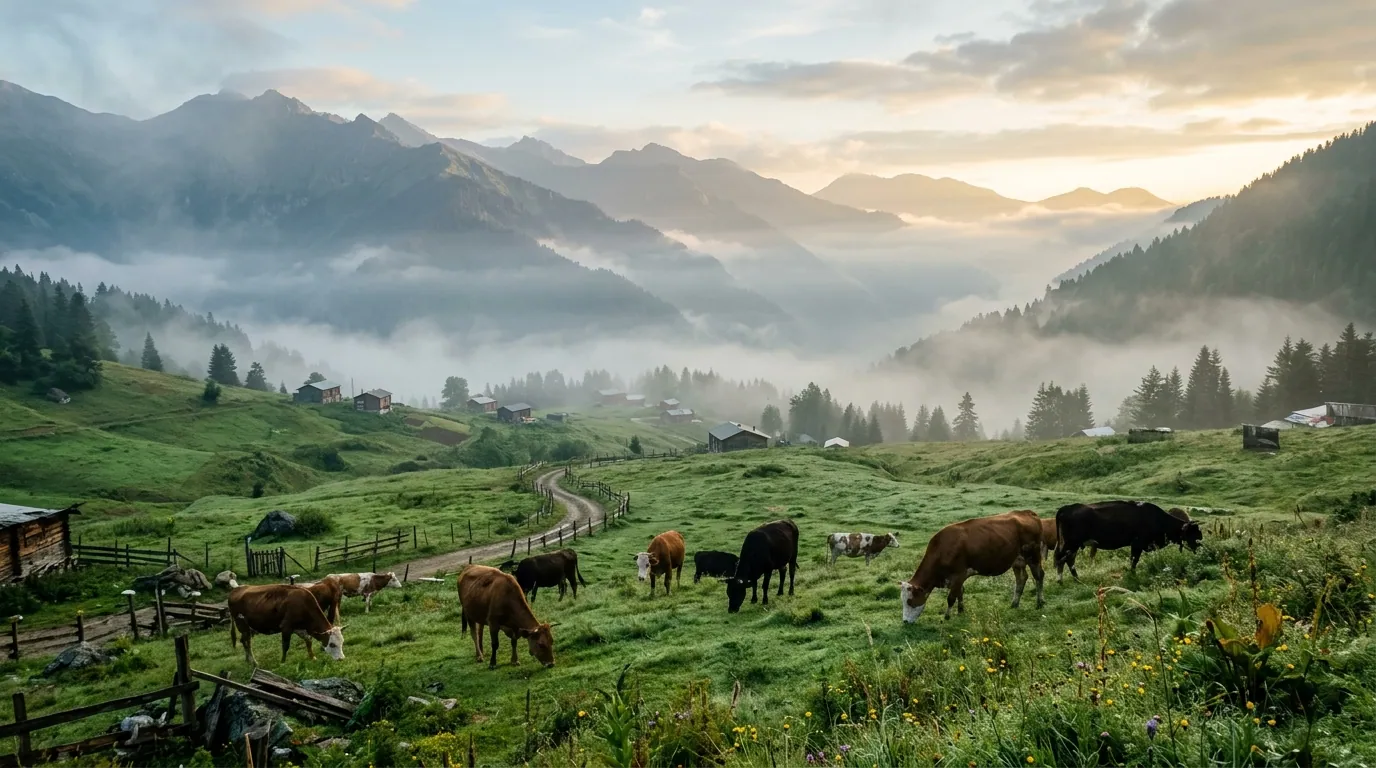
Ayder highlands 5-day itinerary 2026: a day-by-day plan for Arab families covering thermal pools, valleys, and Trabzon.
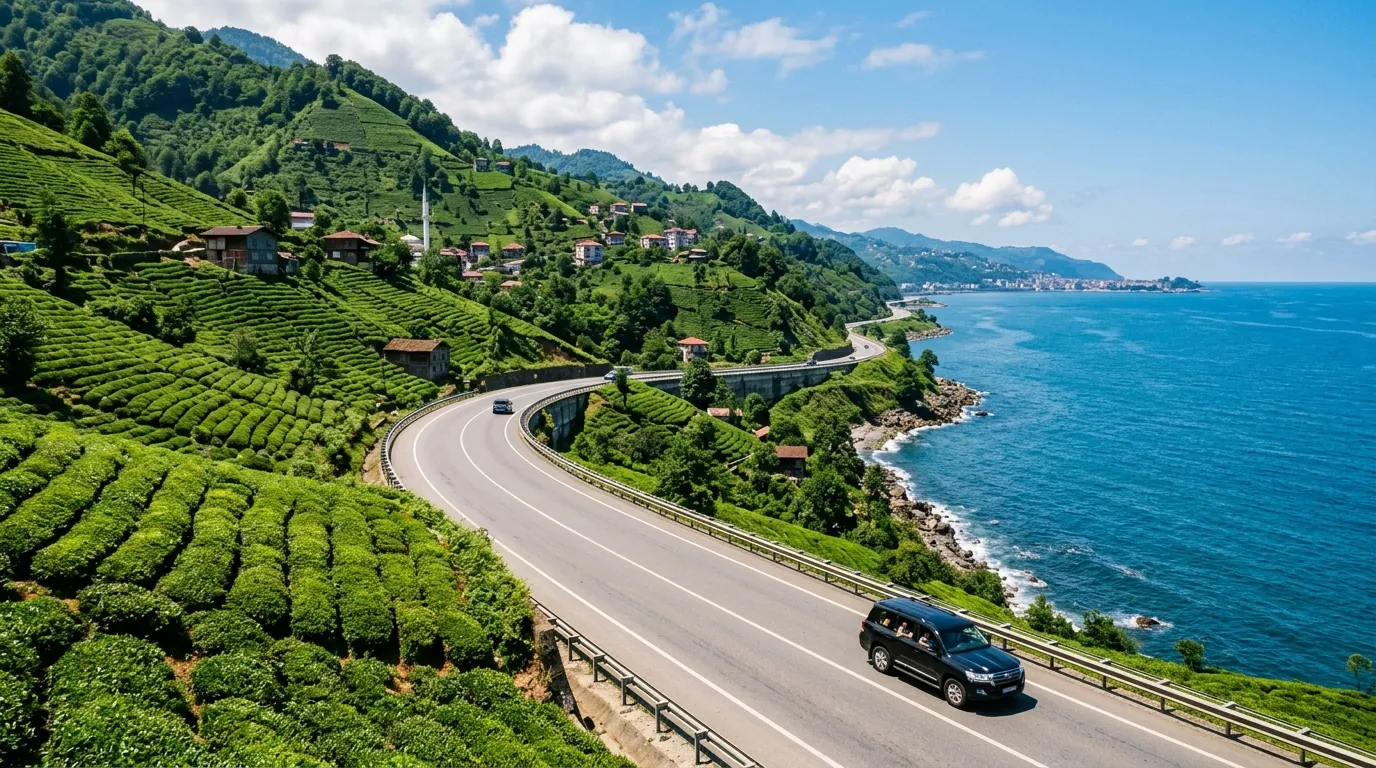
Ayder Trabzon distance 5-day itinerary 2026: a day-by-day plan for Arab families covering the transfer route.
Ayder Turkey weather 2026: monthly averages, rain patterns, best months to visit, and packing tips for Gulf families.
Ready to explore Turkey?
Voyago brings together hotels, tours and transfers to help you plan the perfect trip to Turkey.