
Quick Answer for Gulf Visitors
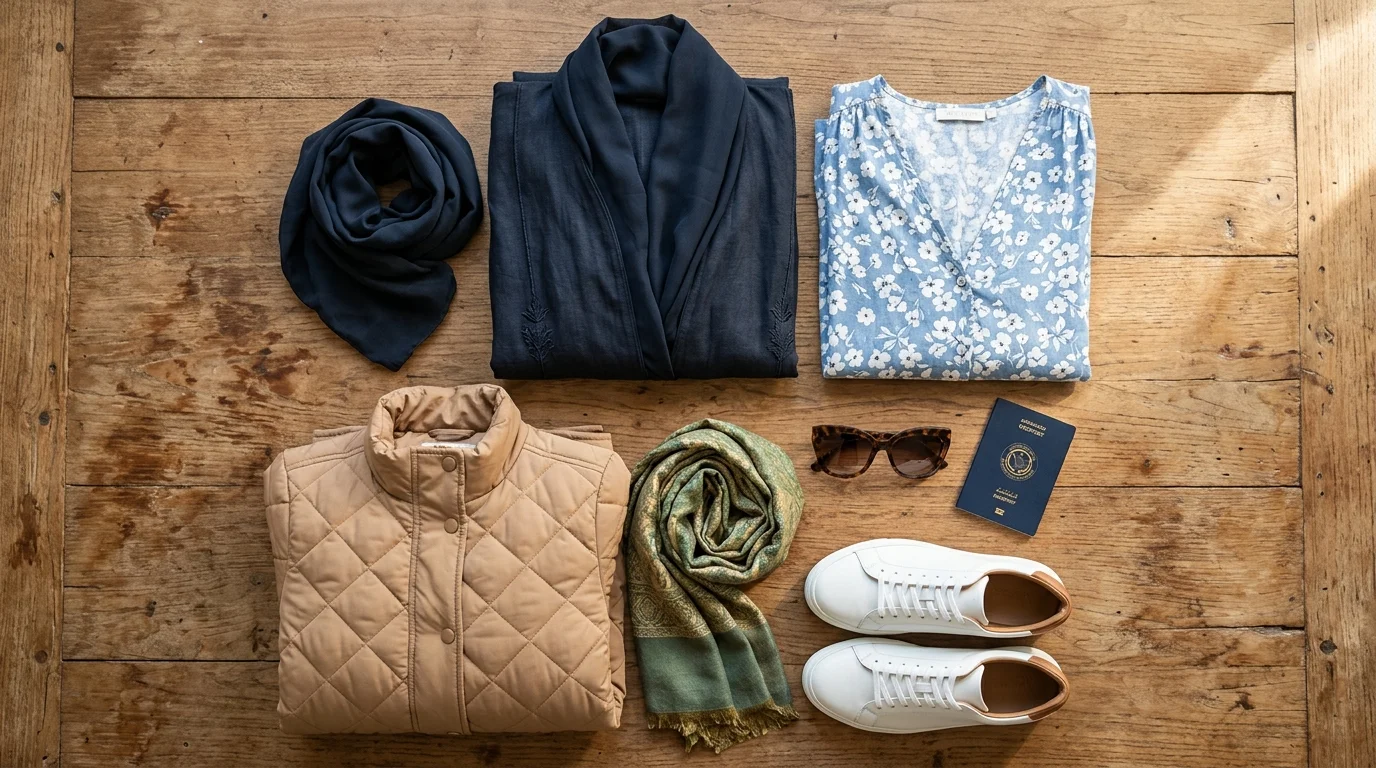
What should I wear in Turkey? The golden rule: light layers you can add or remove. The gap between midday and a mountain evening can reach ten degrees even in summer, so a light jacket is your constant companion in Istanbul, Trabzon and Cappadocia, while light cotton is enough for Antalya's coast in July.
Is modest dress acceptable everywhere? Completely. Turkey is relaxed about clothing, and modest dress for both men and women is familiar and welcomed in cities, villages and resorts alike.
What changes between cities? Climate decides: the Mediterranean coast is hot in summer and mild in winter, Istanbul is colder in winter, Cappadocia freezes at night even in summer, and the Turkish North stays mild and rainy all year. Read the month-by-month weather before you pack.
Why Gulf Visitors Need a Packing Guide for Turkey
Most Gulf families visit Turkey in climate windows entirely unlike home: escaping a fifty-degree summer into the northern mountains, or taking a winter break between Istanbul shopping and the snows of Cappadocia and Uludag. That variety inside one country means a single suitcase cannot serve every destination; a traveller in a t-shirt in Antalya at noon may need a proper coat in Trabzon by evening when the itinerary combines both. The good news is that dress in Turkey is free and easy: modest clothing faces no restrictions anywhere, elegance is appreciated in upscale venues, and the only codes worth memorising apply to specific places such as mosques and fine-dining restaurants.
Smart packing also saves money and space. Clothes are affordable in Turkey, and many visitors simply buy what they lack on arrival instead of overloading their luggage. Still, nobody wants to lose a holiday day hunting for a winter coat or proper walking shoes. This guide covers seasons, regions, modest options, mosque rules and beachwear, ending with a practical shopping list — pack once, then enjoy the trip.
Clothing by Season
Summer (June - August)
| Item | Why you pack it |
|---|---|
| Loose cotton shirts and t-shirts | Let air flow through 30-38°C coastal afternoons |
| Linen or light cotton trousers | Far cooler and smarter than heavy denim |
| Hat and sunglasses | Essential for walking tours and pool days |
| SPF 50+ sunscreen | The sun is stronger than it looks to visitors arriving from air-conditioned life |
| Light jacket | For breezy evenings and icy restaurant air-conditioning |
| Comfortable sneakers | Istanbul and Cappadocia are walking cities before they are sightseeing cities |
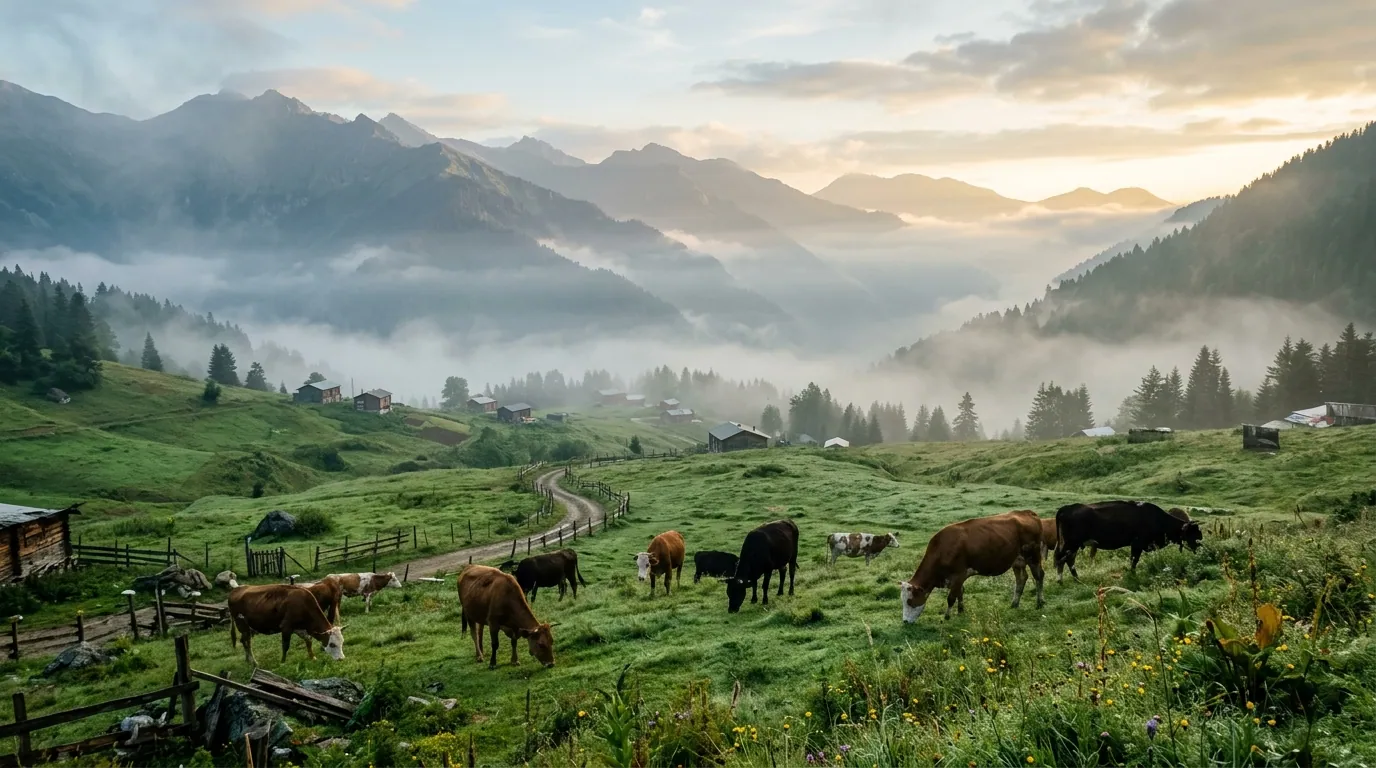
A family note: Istanbul's summer is milder than Antalya's, and the Turkish North is milder than both. If your July or August trip heads for the mountains, pack a light jacket and a simple fleece alongside the cotton — plateau nights drop below fifteen degrees.
Winter (December - February)
| Item | Why you pack it |
|---|---|
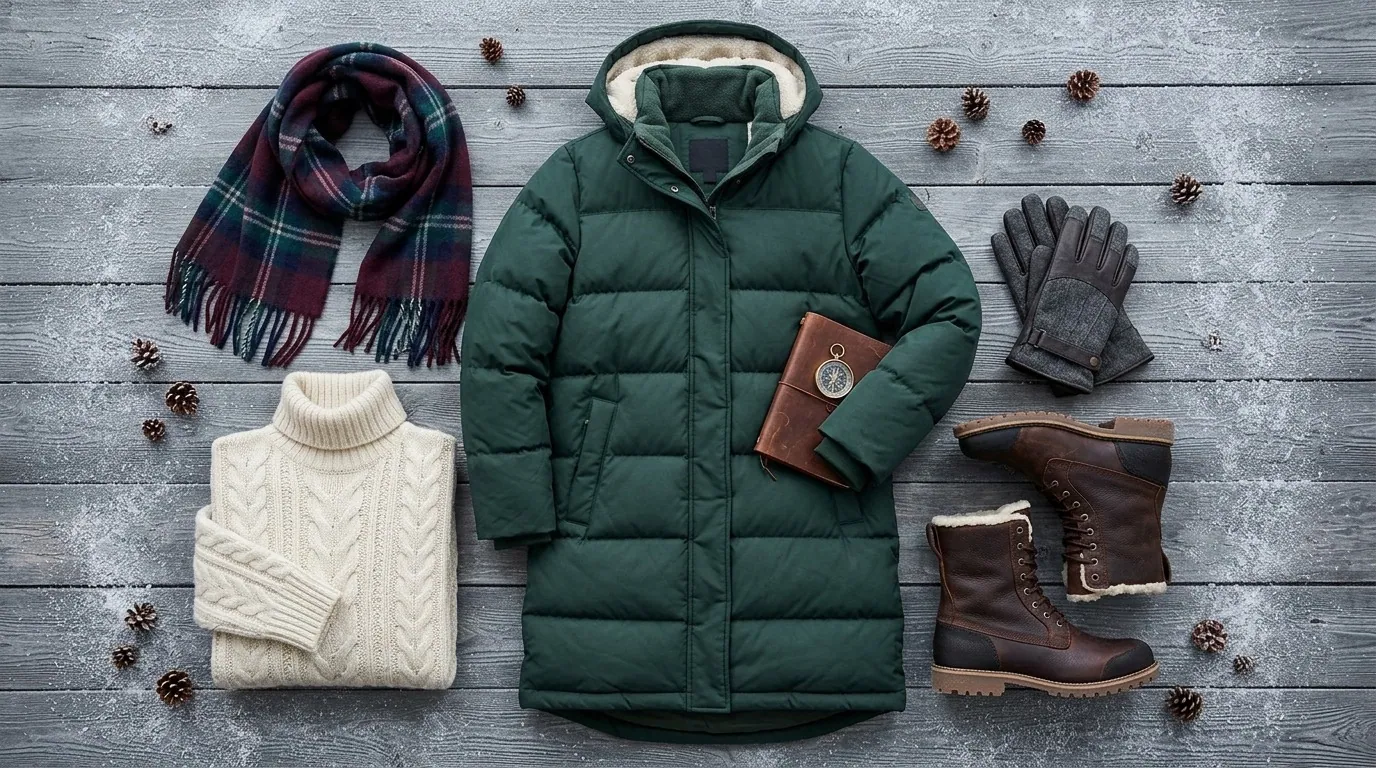
| Thick winter coat | Istanbul runs 3-9°C; Cappadocia drops below zero at night |
| Thermal base layers | The foundation of comfort in snow and mountains |
| Scarf, gloves and a woollen hat | Bosphorus wind feels colder than the announced temperature |
| Non-slip boots | Icy pavements in Istanbul and Cappadocia are deceptive |
| Ski clothing | Only for Uludag or Erzurum trips; rental is available but large sizes sell out |
Antalya and the coast are a pleasant exception: daytime sits between 15 and 17 degrees and a light coat suffices — one reason winter is a lovely, quiet season for families seeking gentle warmth without summer crowds.
Spring and Autumn (March - May, September - November)
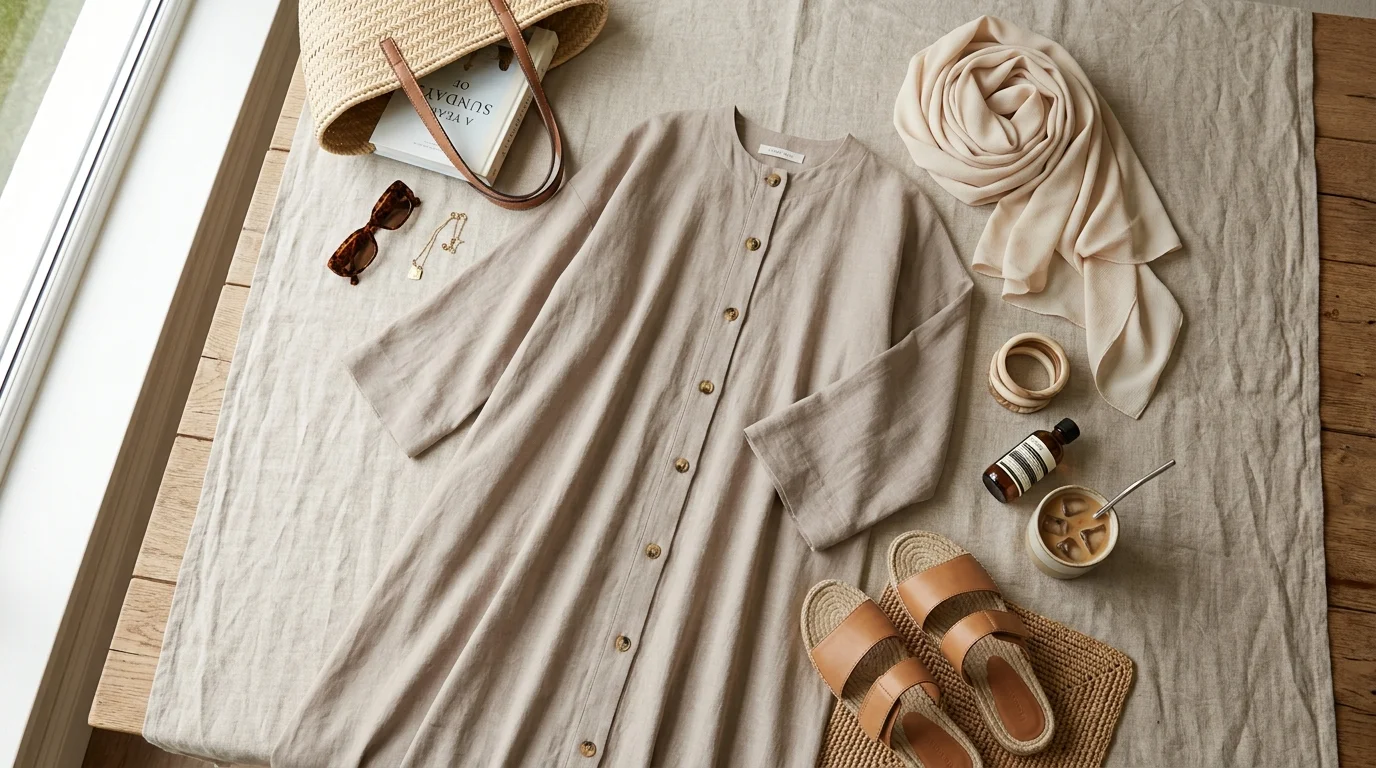
These are the best seasons and the most deceptive: pleasant days, rapidly cooling evenings, and surprise showers in Istanbul and the North. The ideal formula is three layers: light cotton, a jacket or sweater, then a packable rain shell. These months are also peak balloon season in Cappadocia and open-air touring everywhere, so comfortable closed shoes are the single most important item.
Clothing by Region: Four Different Cases
| Region | Summer | Winter | The item everyone forgets |
|---|---|---|---|
| Istanbul and Marmara | Light plus an evening jacket | Thick coat and an umbrella | The small foldable umbrella |
| Antalya and the Mediterranean | Light cotton and a hat | A light coat is enough | Swimwear even in October; the sea stays warm |
| Cappadocia and the Centre | Light days, fleece nights | Thermals, coat, snow boots | Gloves; balloon-launch mornings before sunrise are cold |
| The Turkish North: Trabzon, Uzungol, Ayder | Light layers plus fleece for plateaus | Thick coat and layers | Water-resistant shoes; rain is always possible |
The region we cover most deeply is the Turkish North, the number-one summer destination for Gulf families; the complete Turkish North travel guide details its climate, transport and areas, and the monthly Turkey weather guide gives the seasonal numbers for every city before you pack. Accommodation for these mountain destinations is browsable on the Turkish North hotels page.
Comparison: A July Suitcase for Antalya or for Trabzon?
The most common summer question among Gulf families, answered honestly:
| Comparison point | Antalya in July | Trabzon and the plateaus in July |
|---|---|---|
| Daytime temperature | 33-36°C with strong sun | 24-27°C and refreshing |
| Night-time | 25°C with humidity | 14-17°C; you will want a light fleece |
| Suitcase core | Light cotton, swimwear, sunscreen | Layers: cotton by day, fleece and jacket by evening |
| Footwear | Sandals and pool slides | Water-resistant sneakers for trails |
| The surprise item | Rain is rare; umbrella just in case | Rain is possible any day; a stroller rain cover helps |
The practical verdict: a beach-and-pool holiday means Antalya and its light suitcase; mountains and nature mean the layered northern wardrobe. Families combining both — a popular pattern of Istanbul followed by the North — should pack a cotton core wrapped in two light layers.
Modest Clothing in Turkey: Comfortable Options for Families
For women: long skirts, loose dresses, abayas and headscarves are all completely normal on Turkish streets and attract no negative attention in any city. In upscale settings — malls, grand hotels, fine restaurants — elegance is about form, not coverage; a neat scarf with a long coat is perfectly at home in Istanbul's finest venues. For long intercity journeys choose wrinkle-resistant fabrics that tolerate movement, because mountain routes involve frequent stops and steps.
For men: suits are never required for tourism; trousers with a shirt or polo covers every occasion from street to upscale restaurant. Mosques require long trousers, and on mountain tours long shorts are acceptable but full-length trousers protect better from sun and branches alike.
In family resorts with women-only sections the equation becomes pure comfort: modest swimwear or burkini is standard in women's pools and private beaches, with a long cover-up or pashmina for moving between room and pool. Choose your resort for these facilities on the family-friendly hotels page, close to the activities you care about.
Mosque Visits: A Short List That Respects the Space
| Rule | Men | Women |
|---|---|---|
| Head covering | Not required | Required; a scarf or shawl |
| Sleeves | Short acceptable, long preferred | Required; shoulders covered |
| Legs | Long trousers required | Full coverage required |
| Shoes | Removed at the carpet | Removed at the carpet |
| Covers available | — | Istanbul's major mosques hand out free scarves at the entrance |
A few courtesies complete the picture: keep voices low even outside prayer times, take photos without flash and away from worshippers, and note that the Blue Mosque, New Mosque and Bursa's Ulu Cami welcome visitors between prayers, closing briefly at prayer time. Include at least one mosque in your itinerary — Ottoman history is inseparable from the identity of these cities, and the landmark tours page schedules them around prayer times.
Beaches and Resorts: What to Wear, and Where
Public Turkish beaches are relaxed: bikinis and shorts are ordinary. Families seeking more privacy have three practical options: resorts with full women-only pool and beach sections; municipal women-only beaches in cities such as Antalya and Alanya that announce seasonal hours; and private villa and family-resort units with independent sea access. When booking, read the property description carefully — terms like women's pools, women's spa and family privacy signal exactly the service you are looking for, all filterable in the hotel search.
Shopping in Turkey: What to Buy and What It Costs
| Item | Approximate price range | Practical note |
|---|---|---|
| Cotton t-shirt | 200-500 TRY | Major malls: higher quality, higher price |
| Summer trousers | 500-1200 TRY | Bazaars welcome friendly bargaining |
| Winter coat | 1500-4000 TRY | Wait for the January sales |
| Sneakers | 1000-3000 TRY | Global brands in Istanbul's outlet malls |
| Scarves and shawls | 150-500 TRY | Also an excellent gift; silk in the Grand Bazaar |
| Mountain wool and fleeces | 300-900 TRY | Best quality and price in Trabzon and Rize |
First shopping tip: do not turn the trip into a hunt for basics. Airports and hotel shops are always the priciest, and central city markets beat tourist-district shops by a noticeable margin. Second tip on time: give one hour to Istanbul's Grand Bazaar or Trabzon's covered market — both are cultural experiences before they are bargains. And if you arrive in January with a light coat, do not worry; Turkish winter coats are good and available in every shopping centre.
Practical Info for Gulf Visitors
| Info | Detail |
|---|---|
| Official weather source | Turkish Met Service MGM, two days before you pack |
| Official tourism portal | GoTurkiye for season and event updates |
| Electricity | 220V, European two-pin plugs; a simple adapter suffices |
| Currency | Turkish lira; cards accepted almost everywhere |
| Prayer times | A mosque in every neighbourhood; a prayer-time app with local alerts |
| Clothing on the flight | Direct Gulf flights make heavy clothing unnecessary in the cabin; keep the coat in the suitcase |
| Airport transfers | A pre-booked private transfer eases late arrivals with family and luggage |
| Visa | Most Gulf nationalities via the e-visa portal; details in the Turkey visa guide for Saudis |
The Family Suitcase: Practical Organisation Before Departure
Organisation creates comfort more than quantity does. Arrange the suitcase in labelled packing cubes: one for summer cotton, one for layers and fleeces, one for underwear and socks, and shoes in plastic bags so dirt stays contained. Put one full change of clothes for each family member in your carry-on; delayed luggage is rare but it happens, and a clean set per person covers two nights until bags arrive. Keep medicines, travel documents and chargers in a single backpack that never leaves you, with photos of every passport in your email as backup.
The veterans' rule for travelling light: pack half of what you planned, then add back only a quarter. Hotel laundry is easy to find, and a missing piece bought in Turkey costs less than hauling clothes you never wear. For a complete pre-packing plan, read the steps in the travel to Turkey planning guide, then return here for the clothing layer of your preparation.
FAQ (12 Questions)
- Can I wear an abaya and scarf freely in Turkey? Yes, completely; modest dress is familiar and accepted in every city and resort without any remark.
- What is the most important item in a summer suitcase? A light jacket; the day-night gap is large in Istanbul and the mountains, and restaurant air-conditioning is strong.
- And in winter? Non-slip shoes before the coat itself; icy pavements in Istanbul and Cappadocia are the real hazard.
- Do I need ski clothing for a winter trip? Only if skiing at Uludag or Erzurum is on the programme; rental there covers nearly all sizes.
- Are shorts acceptable on Istanbul streets? For men, yes in tourist areas; long shorts are smarter in traditional neighbourhoods, and shorts are not allowed in mosques.
- What does a woman wear to a mosque without a scarf? The major mosques distribute free covers at the entrance, but keeping a light shawl in your bag is always better.
- Is a burkini allowed on public beaches? Freely in private women-only pools and beaches; on mixed public beaches, it is best to follow the local atmosphere.
- Can I buy mountain clothing in Trabzon? Yes; fleeces, woollens and hats are available in city markets at better prices than the touristic lake area.
- How many pairs of shoes does a family trip need? Two per person: comfortable sneakers for daily walking and sandals or open shoes for the coast and pool.
- Is Antalya hot enough to need special clothing? Loose cotton, a hat and SPF 50 sunscreen; dark, tight clothes are your enemy in coastal afternoons.
- Can I shop instead of packing from the Gulf? Yes, an excellent choice especially for winter wear; prices are reasonable and quality good in malls and central markets.
- What should I wear for the Cappadocia balloon? Warm layers and closed shoes; launch happens before sunrise, the coldest hour of the day, in an open basket.
Conclusion
Your Turkish suitcase is built on two rules: removable layers, and a destination that defines the climate. Cotton and a hat for the coast, fleece and a jacket for the mountains, a thick coat and snow boots for an Istanbul-Cappadocia winter — with modest dress entirely free throughout and simple mosque courtesies to observe. Check the forecast for your exact destination in your travel week, since monthly figures are averages, and you will know precisely what belongs in the case and what stays in the wardrobe.
Find your hotel in Turkey · Book a private airport transfer · Discover tours and activities
Sources
Related travel guides
Ayder highlands 5-day itinerary 2026: a day-by-day plan for Arab families covering thermal pools, valleys, and Trabzon.
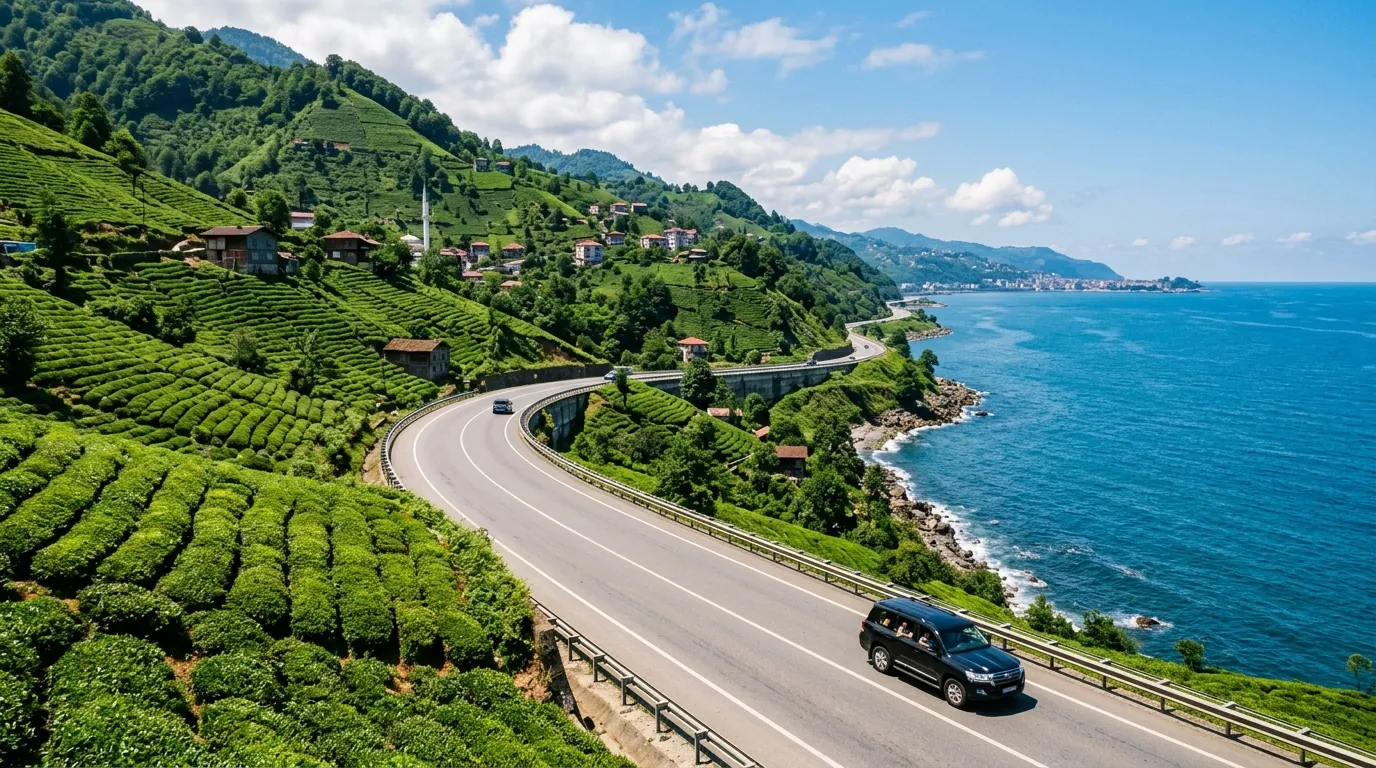
Ayder Trabzon distance 5-day itinerary 2026: a day-by-day plan for Arab families covering the transfer route.
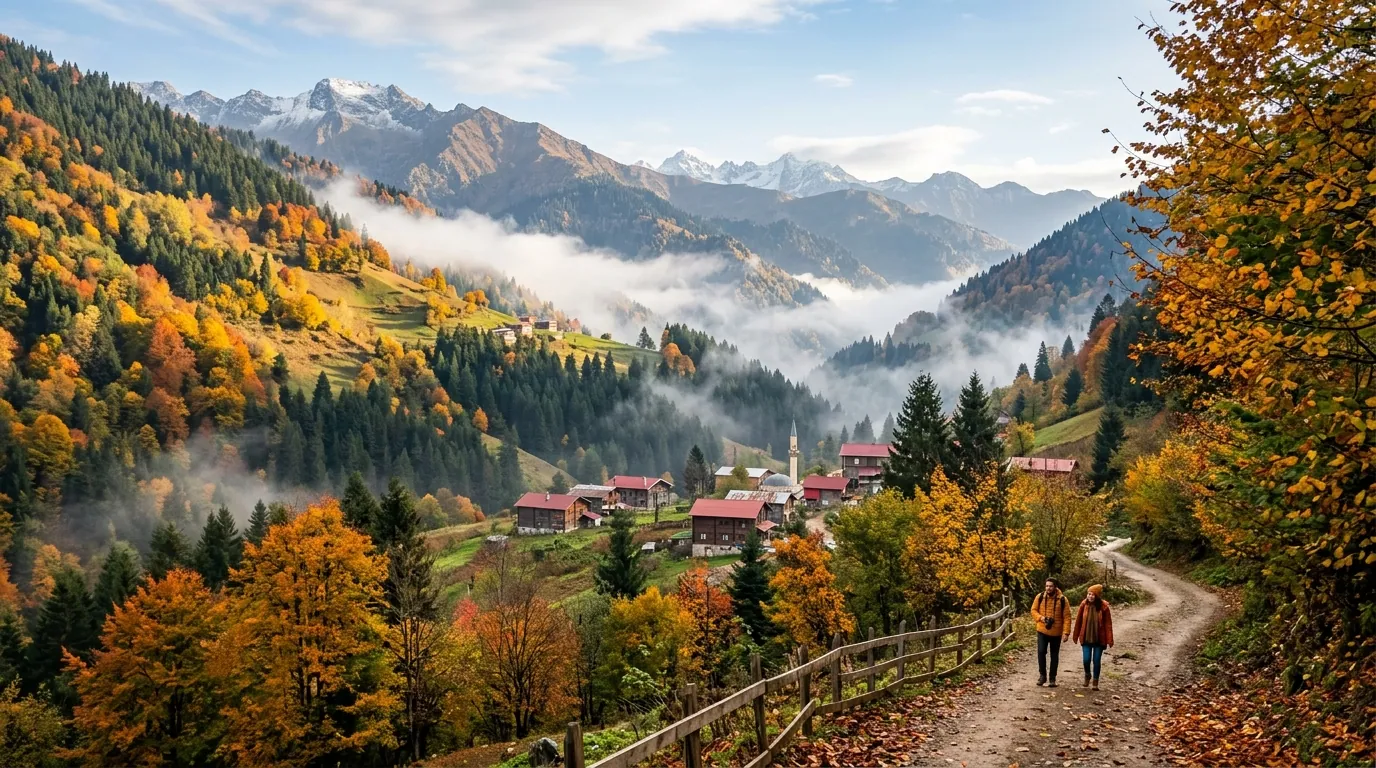
Ayder Turkey weather 2026: monthly averages, rain patterns, best months to visit, and packing tips for Gulf families.
Ready to explore Turkey?
Voyago brings together hotels, tours and transfers to help you plan the perfect trip to Turkey.