
Quick Answer for Gulf Visitors
Is Turkey a genuine wellness destination? Yes, and a first-tier one: three traditions meet in a single country, natural thermal springs used since Roman times, historic Ottoman hammams still operating, and modern hotel spas built to international standards, all at prices clearly below Europe and the Gulf.
What is the difference between hammam, spa and thermal springs? The hammam is a heritage steam-and-scrub ritual inside historic buildings; the springs are natural hot mineral waters for therapy and relaxation; the modern spa is a massage and care centre inside hotels and resorts.
Are there women-only facilities? Yes, widely: fully separate women's sections in the hammams, indoor women's pools in a number of thermal hotels and resorts, and female therapists at the major centres.
What does a reasonable session cost? A historic hammam with the scrub-and-massage package runs roughly one thousand to two and a half thousand lira, and a one-hour hotel spa massage between two and four thousand lira depending on place and city.
Three Wellness Traditions in One Country
What distinguishes Turkish wellness is that it is not a newly invented market but an inheritance of successive civilisations that cared for water and body: the Romans built cities around the springs of Hierapolis and Pamukkale, the Ottomans developed the bath culture into an architectural and social art, and the modern hotel industry added a third layer of equipped spa centres and integrated care programmes.
The practical result for the Gulf visitor: within one trip you can try a historic hammam in Istanbul in the morning, sleep in a thermal hotel in Bursa or Yalova, and finish with a hotel spa in Antalya. Each tradition has its own etiquette, prices and best use, and this guide takes them one by one. The official Turkish tourism portal lists health and thermal tourism among the sector’s core pillars, which explains the scale of investment this field has received across decades. If you are planning a first comprehensive trip, this wellness layer integrates neatly into the complete Turkey guide.
The Turkish Hammam: History and the Ritual Step by Step
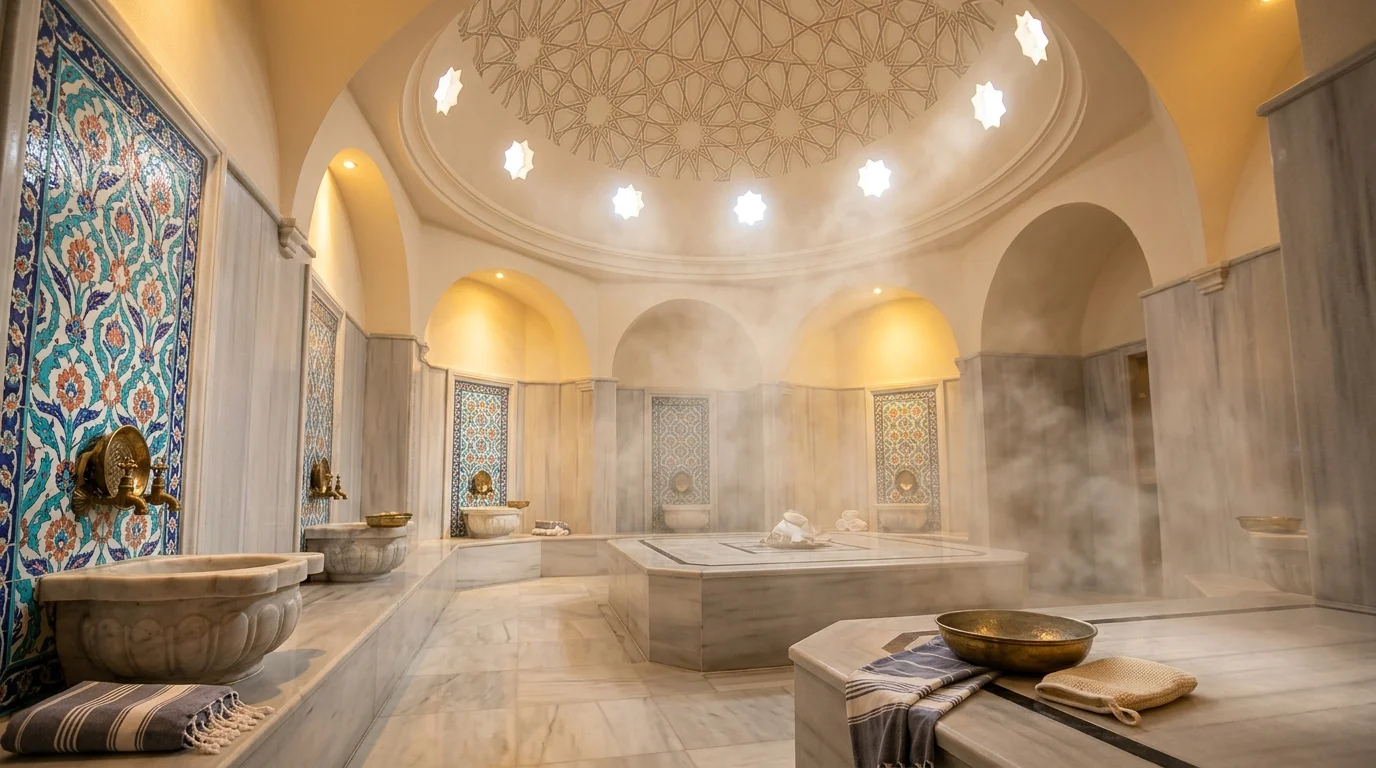
The hammam is not a steam room but a complete ritual centuries old: a stone building with a perforated dome through which threads of light fall, a heated central stone where the body lies, and a skilled attendant who masters the scrub and the foam. The great Istanbul bathhouses were designed by the architect Sinan in the sixteenth century and still run on a daily schedule.
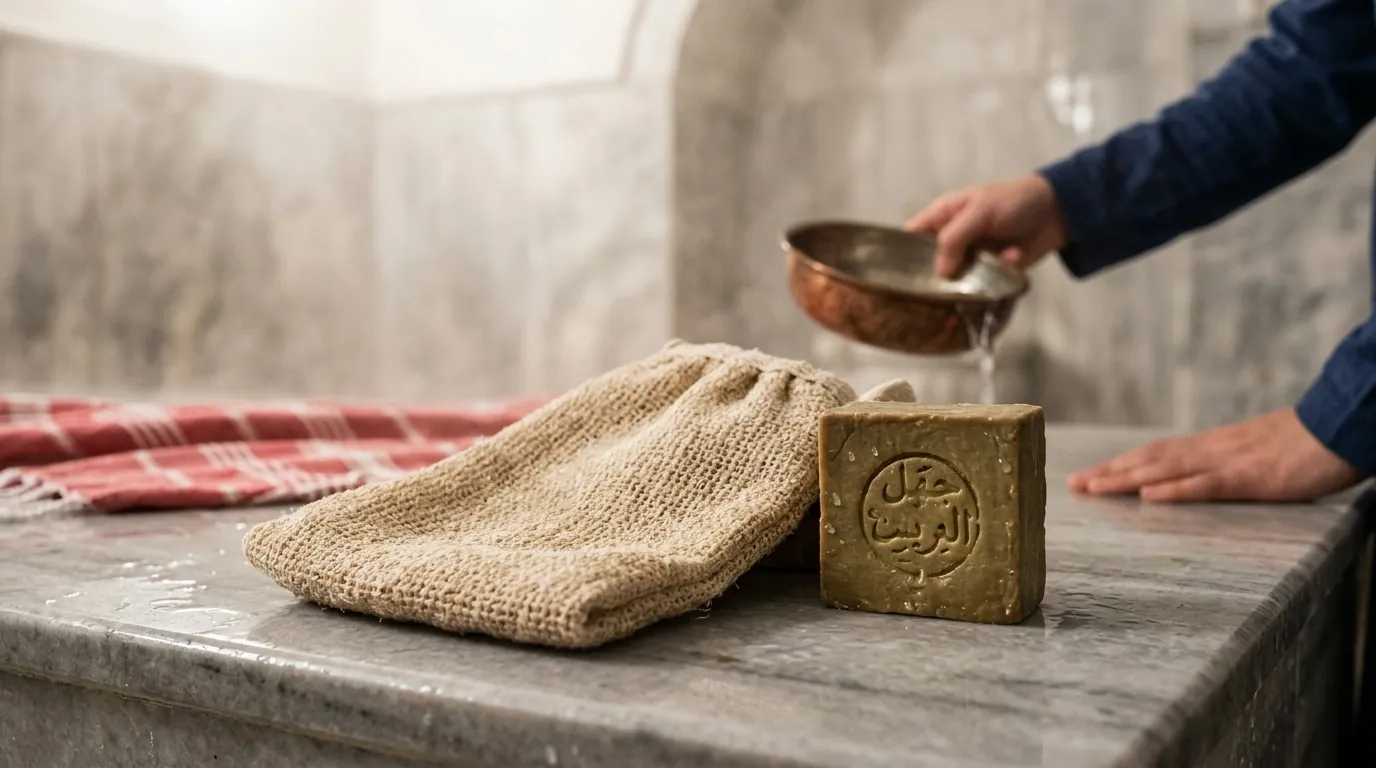
The session as it actually unfolds: you are received in a private cubicle where you undress and wrap in the cotton pestemal, then move to the hot stone for minutes while the body sweats and softens, then the exfoliation begins with the coarse kese mitt drawing out the dead skin layer, followed by the foam of olive soap with a light massage, then a warm shower, and finally relaxation on the divan with a glass of tea in the resting hall. The full session takes about an hour, and leaving afterwards feels like waking from deep sleep.
The most famous historic hammams of Istanbul:
| Hammam | Built | Character | Indicative price range |
|---|---|---|---|
| Ayasofya Hurrem Sultan | 1557 | The most luxurious, built by Sinan for Suleiman's wife | 2,000 to 5,000 lira |
| Kilic Ali Pasa | 1580 | Historic and calm near Tophane | 1,400 to 2,800 lira |
| Cemberlitas | 1584 | The most touristic, in the old-city centre | 900 to 2,000 lira |
| Suleymaniye | 1557 | The authentic local one beside the mosque | 800 to 1,800 lira |
From the privacy perspective that matters to a Gulf family: the historic hammams have fully separate men's and women's sections with independent entrances and hours; the pestemal is mandatory inside, so the body is not fully uncovered except briefly before the attendant of the same section; and private cabins for couples or families exist in a number of modern hammams on request.
Hammams Beyond Istanbul Worth the Road
Istanbul hosts the most famous names, but other cities carry remarkable hammams without tourist queues. In Bursa, the great old hammam sits amid the historic bazaars at clearly gentler prices than Istanbul; in Ankara, authentic Ottoman bathhouses operate inside the old citadel quarter that local families rely on, with the full Kizilcahamam thermal area just outside the city. In the southeast, Gaziantep and Urfa hold traditional baths in a distinct local style, covered in the southern cities files of the Turkey cities guide.
The practical rule: a local hammam in a second city gives you the same experience at a third of the price and a quarter of the crowd, with a longer scrub and a deeper family atmosphere. Try one famous one in Istanbul for the history, then rely on the local ones for the rest of your trip, and you collect both experiences.
Thermal Springs: The Regional Map
| Region | Best known for | Water temperature | Access from Istanbul |
|---|---|---|---|
| Bursa Cekirge | The Ottoman mother of springs and thermal hotels | 50 to 80 degrees | 2.5 hours by car |
| Yalova Termal | A historic forested resort | 55 to 80 degrees | 1.5 hours by ferry and car |
| Bolu Karadino and Loutas | Sweet waters between mountains and forest | 36 to 60 degrees | 3 hours by car |
| Denizli Pamukkale | The white travertines and ancient Hierapolis | About 36 degrees | 1 hour's flight plus driving |
| Ankara Kizilcahamam | The capital's nearest thermal area | 40 to 60 degrees | 1 hour from Ankara |
| Afyon Karahisar | The richest mineral waters and thermal hotels | 40 to 90 degrees | 5 hours or a domestic flight |
Pamukkale is a special case worth spelling out: its white travertine terraces and the ancient city of Hierapolis are inscribed on the UNESCO World Heritage list, so the site combines bathing in the antique pool's thermal water with a complete archaeological visit in a single day. If your aim is a pure wellness week, Bursa and Afyon offer the deeper experience with their specialised hotels, and Kizilcahamam is the practical option for anyone spending days in Ankara, as we detail in the Ankara capital guide.
Bursa or Yalova or Bolu: Which Thermal Region Suits You?
The three thermal regions near Istanbul compete for the Gulf visitor, and the choice is easy once the differences are clear. Bursa Cekirge is the most complete option: established thermal hotels across levels, plus the Ottoman city, shopping and Uludag mountain adding a full programme around the springs, best for a family wanting wellness and sightseeing together.
Yalova Termal is the closest and the softest: a historic resort inside a forest, quiet by nature, suited to a short weekend escape from Istanbul or a pure rest stay with no sightseeing at all. Bolu is the deepest nature: set between forests and valleys, its winter cold is sharp, which is precisely the attraction for anyone seeking deep cold around warm water. The rule: Bursa for the full programme, Yalova for near rest, Bolu for mountain seclusion, and all three are managed comfortably with private transfer services from Istanbul.
Medical Wellness: What the Waters Actually Do
Turkey's thermal waters vary in composition from one spring to another, and the specialised hotels publish their water analyses and mineral concentrations for interested guests. Common documented uses in therapeutic-tourism literature include muscular relaxation, easing joint and rheumatic pain and some skin conditions, with general agreement that short repeated sessions beat one long soak, and that drinking mineral water follows each source's own instructions.
The scientific boundaries deserve honesty: these waters support health and comfort and do not replace medical treatment, and anyone on heart or blood-pressure medication or with acute skin conditions should consult a doctor before a long water programme. The guaranteed benefit for every visitor is deeper sleep and reduced stress after two days of sessions, which alone justifies the trip for many families that return from Turkey with deeper sleep, a lighter body and clear mental calm.
Modern Spas and Women-Only Facilities
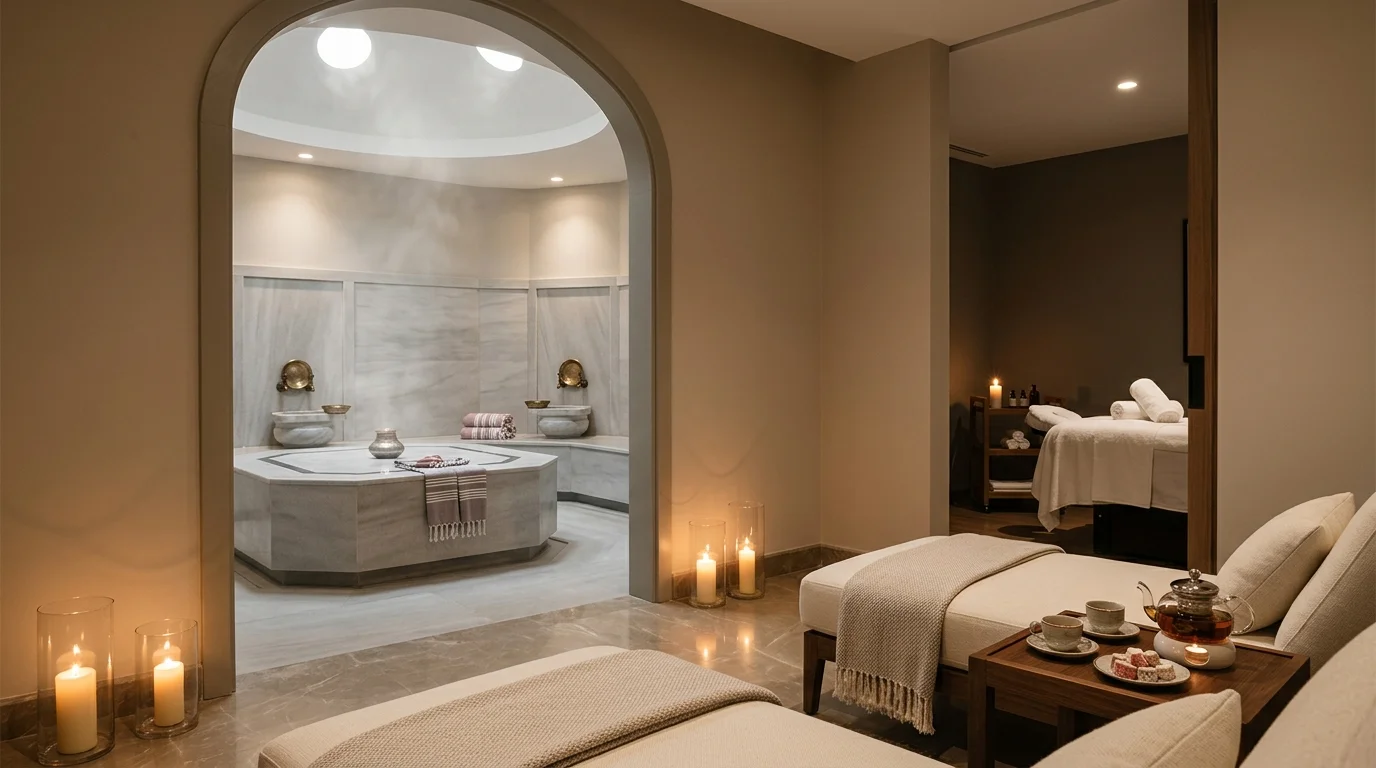
The third wellness layer in Turkey is the spa centres of the grand hotels and resorts: indoor pools, jacuzzis, saunas and massage rooms with professional therapists, and integrated programmes from exfoliation to facial care. In Istanbul the most luxurious cluster along the Bosphorus shore, and the details of choosing a stay near them are in the Istanbul hotel booking guide; in Antalya and Bodrum the spa becomes part of the all-inclusive resort itself.
Three pieces of practical information make the difference for Gulf families. First, a large number of family resorts offer private indoor women's pools with full supervision, some holding certifications that respect privacy, so ask for them when booking, before paying. Second, massage at reputable centres is performed by a female therapist for women and a male therapist for men by default, and stating your preference at booking removes any ambiguity. Third, women-only hours at pools and historic hammams are announced in advance, so plan your schedule around them rather than being surprised by them.
Massage Types: A Quick Comparison
| Type | Usual length | Indicative price range | Who it suits |
|---|---|---|---|
| Hammam scrub and foam | 45 to 60 minutes | 800 to 2,500 lira | Everyone's first experience |
| Classic Swedish massage | 60 minutes | 2,000 to 3,500 lira | General relaxation |
| Deep tissue | 60 minutes | 2,500 to 4,000 lira | Chronic muscle pain |
| Hot stone | 90 minutes | 3,000 to 4,500 lira | Deep stress |
| Aromatherapy | 60 minutes | 2,000 to 3,500 lira | Sensory relaxation |
| Safe maternity massage | 60 minutes | 2,000 to 3,000 lira | Pregnancy after the fourth month |
Prices are indicative and vary by city, level and season, with hotel spas generally well above independent centres. The rule: book your first session mid-trip rather than on day one, since a body tired from flying and transfers benefits more after two quiet days. Avoid booking two sessions in one day; deep massage tires the muscle when repeated, and a day's gap between sessions raises their benefit.
Ready Four-Day Wellness Plans
The couple's plan from Istanbul: two days in the city between a historic hammam, a hotel massage and Bosphorus walks, then two nights in Yalova or Bursa at a thermal hotel with consecutive water sessions. A complete short trip with no domestic flights.
The family thermal plan: two nights in Bursa Cekirge at a child-friendly thermal hotel, a full day in the Ottoman city and the cable car, and a final night in Istanbul with a light tour and shopping. Children enjoy the family thermal pool while the parents alternate their sessions.
The deep wellness week: four nights in Afyon or Bursa with a daily water programme, then three nights at an Antalya resort with spa and sea swimming to close the week in full refresh, the transition handled through internal flights and pre-arranged transfers. This is the formula Gulf families call the full recharge week and repeat every winter.
Practical Info for Gulf Visitors
This practical summary gathers what a family needs before booking: privacy rules, ages, reservations and health contraindications in one quick table, sparing you the search through each venue's website.
| Item | Detail |
|---|---|
| Booking | Book sessions two days ahead in season; pre-booking is cheaper than walk-in |
| Clothing | The pestemal is provided at the hammam; spa wear at the centres |
| Women's hours | Announced in advance on the venues' sites; plan around them |
| Therapist | Female for women and male for men by default; state your request at booking |
| Minimum age | Many modern spas are sixteen-plus; historic hammams are family venues |
| Pregnancy | Dedicated safe sessions after the fourth month with trained therapists |
| Thermal waters | Consult your doctor for blood pressure, heart conditions or pregnancy before long sessions |
| Tipping | Not expected at spas; a small rounding at historic hammams |
FAQ (12 Questions)
- Is the Turkish hammam suitable for conservative families? Yes; sections are fully separate and the pestemal is mandatory, and some hammams offer private family cabins on request.
- How long does a full hammam session take? About an hour plus the rest afterwards; luxury packages reach ninety minutes.
- Which historic hammam is best for a first try? Cemberlitas for its location among the sights, Ayasofya Hurrem Sultan for luxury, Kilic Ali Pasa for historic calm.
- Is the massage by a therapist of the same gender? At reputable centres yes, by default; request it explicitly at booking.
- Are there private women's pools? Yes, at many thermal hotels and family resorts, some with documented certification.
- What is the difference between Bursa and Yalova? Bursa is a full programme of city, mountain and shopping; Yalova is quiet forest rest close to Istanbul.
- Are thermal waters medically beneficial? Known for muscle relaxation, joints and skin, but those with heart, blood-pressure or pregnancy conditions should consult a doctor first.
- Are children allowed in spas? In historic hammams yes with parents; many modern spas are sixteen-plus.
- What does a day at a thermal hotel cost? Outside the room itself, water sessions are usually included; private sessions run one to three thousand lira.
- Do famous hammams need advance booking? Yes, in season and holidays; the historic buildings have limited capacity by nature.
- Can a wellness trip combine two cities? Easily: Istanbul then Bursa by car, or Istanbul then Antalya by air for sea after the waters.
- What is the best season for a wellness trip? Spring and autumn are ideal, winter is the richest thermal season, and summer pairs best with the Antalya resorts.
Conclusion
Wellness in Turkey is not an add-on to a trip but a destination in itself: a hammam centuries old, mineral springs beneath specialised hotels, and hotel spas at world standards, all with the privacy and women's sections that respect the Gulf family. Choose your tradition first, the hammam for heritage, the springs for therapy, the spa for luxury, then build your trip around it and arrange transfers in advance so the trip becomes relaxation from the first kilometre. On a first trip, start with one historic hammam in Istanbul and two sessions at your hotel, then widen the wellness circle on later trips toward the springs and specialised resorts; each tradition has its devotees, its way of restoring energy and its best season, the springs shine in winter, the hammam works year-round and the coastal resorts peak between May and October.
Search thermal hotels and spa resorts · Arrange private transfers between thermal cities · Discover tours with wellness sessions
Sources
Related travel guides
Ayder highlands 5-day itinerary 2026: a day-by-day plan for Arab families covering thermal pools, valleys, and Trabzon.
Ayder Trabzon distance 5-day itinerary 2026: a day-by-day plan for Arab families covering the transfer route.
Ayder Turkey weather 2026: monthly averages, rain patterns, best months to visit, and packing tips for Gulf families.
Ready to explore Turkey?
Voyago brings together hotels, tours and transfers to help you plan the perfect trip to Turkey.