
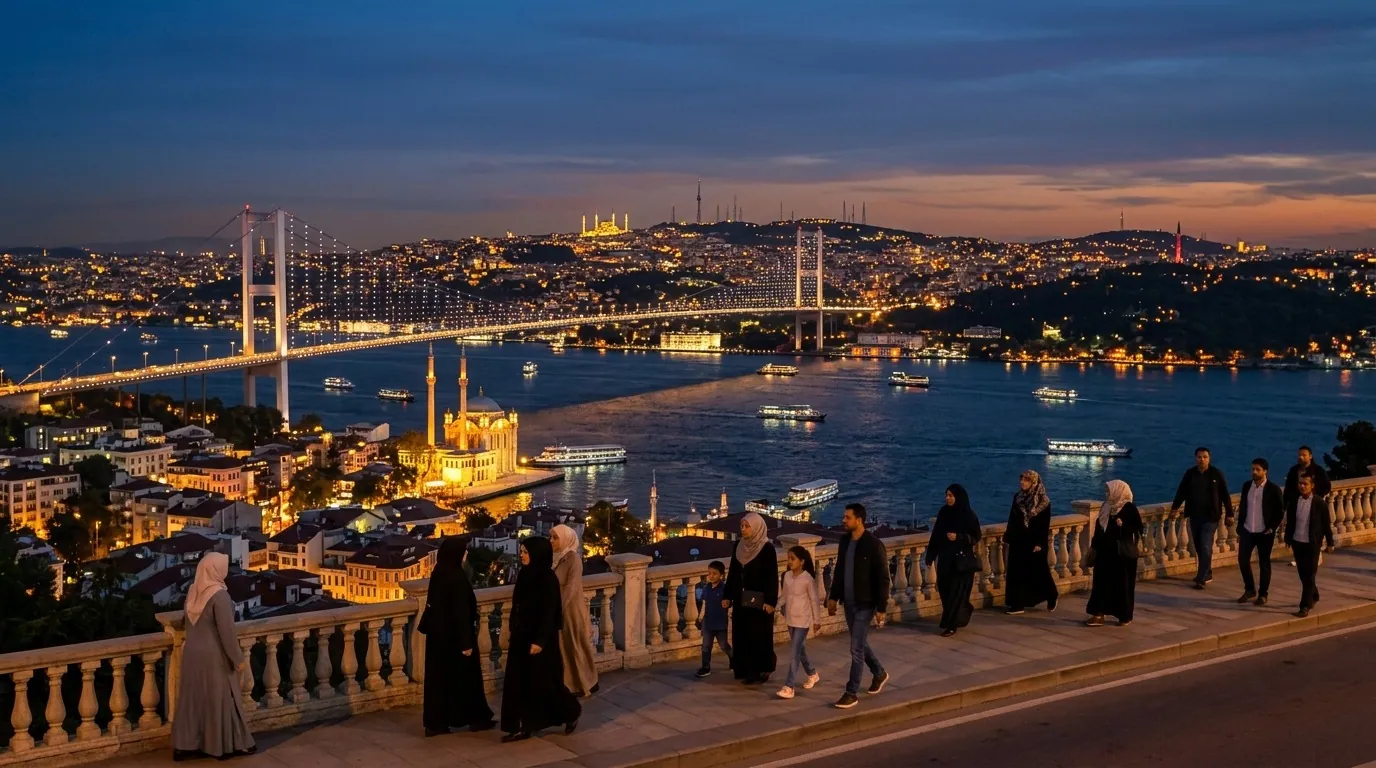
Quick Answer for Gulf Visitors
What kind of state is Turkey in 2026? — A unitary presidential republic since 2018, with its capital in Ankara and its largest city Istanbul. It sits across Europe and Asia, anchored in NATO and a G20 economy.
Is Turkey safe for Gulf families? — Yes: it ranks among the safer large countries for visitors, halal food is widely available, mosques are everywhere, and the cultural distance between the Gulf and Turkey is smaller than between the Gulf and Europe.
What currency and language? — The Turkish lira, increasingly card-accepted; the language is Turkish, with English in tourist areas and Arabic widely understood in the hospitality industry.
Turkey at a Glance
Turkey is the most common non-Gulf destination for visitors from the Gulf, and the reason is structural: it sits a four-hour flight away, shares broad cultural reference points, and offers year-round tourism across a remarkable range of landscapes. Understanding the state in 2026 helps visitors plan with confidence: where to go, what to expect, and how the country differs from the Gulf on the dimensions that matter for travelers.
The country stretches from the Aegean coast to the Iranian border, from the Black Sea to the Mediterranean, and the geography shapes both the climate choices and the trip decisions you make. For a quick orientation to travel logistics and routes, our Turkey travel overview covers the practical layer.
The Basic Facts in One Table
| Item | Detail |
|---|---|
| Form of state | Unitary presidential republic (since 2018) |
| Capital | Ankara (since 13 October 1923) |
| Largest city | Istanbul (~16 million) |
| Population | roughly 85-86 million (latest TUIK) |
| Area | 783,562 sq km |
| Currency | Turkish lira (TL) |
| Language | Turkish (official); Kurdish, Arabic, English in cities |
| Religion | predominantly Muslim (~99%); secular constitution |
| Continent | mostly Asia; small European part in Thrace |
| Time zone | UTC+3, identical to the Gulf |
For population and area in detail, our Turkey population facts guide and Turkey area size guide cover the numbers from primary sources, and the Ankara capital guide places the capital in the broader national story.
From Empire to Republic: Why 1923 Matters
The Turkish Republic was proclaimed on 29 October 1923, with Ankara chosen as the capital on 13 October that year. The choice was strategic: Istanbul sat exposed on the Bosphorus, and the new leadership wanted a central Anatolian seat. The move shaped every subsequent decision about administration, defense, and identity. Modern Turkey operates within a constitutional framework established at the founding and updated periodically; the 2017-2018 transition to a presidential system was the most recent large structural change.
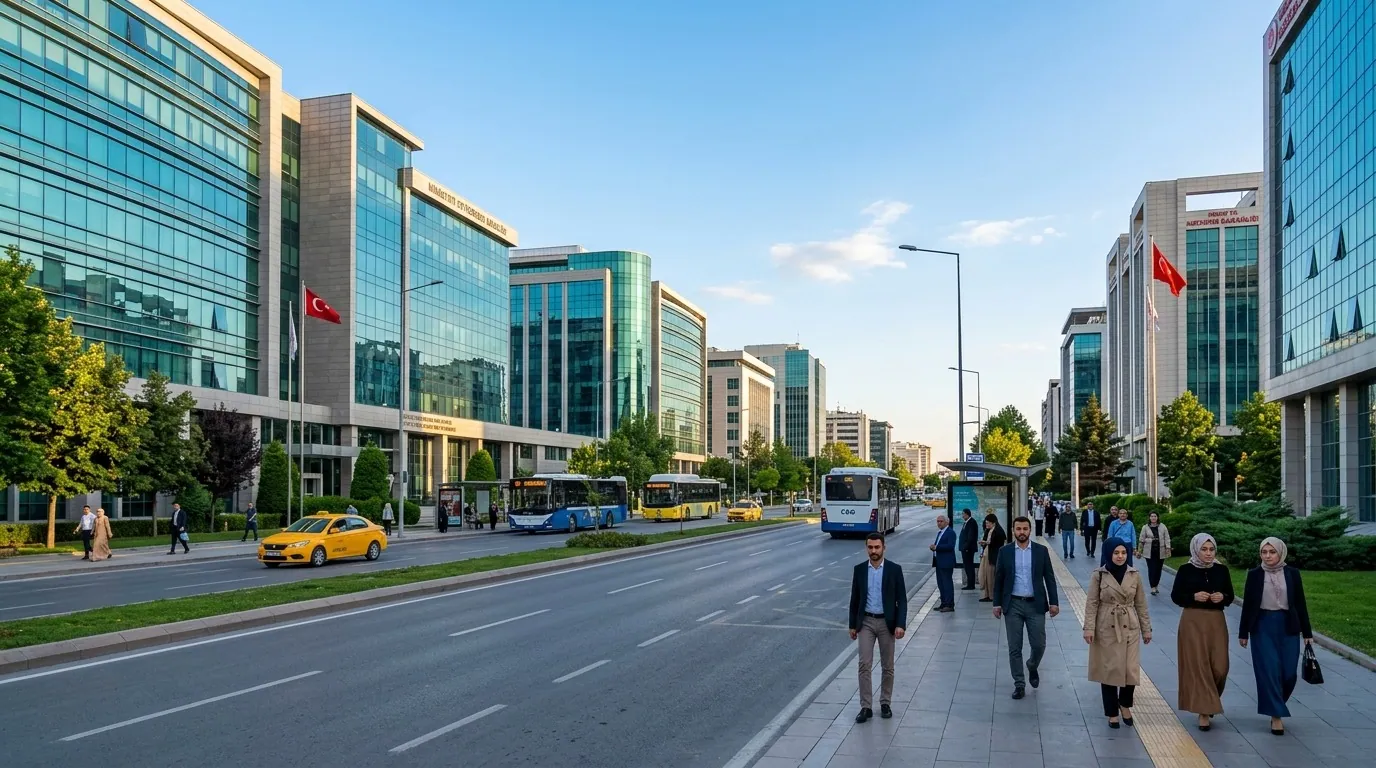
The deeper point for visitors is cultural: Turkey is a modernizing republic, not a monarchy and not a theocracy. Laws reflect secular republican tradition, daily life shows Muslim-majority culture, and the state apparatus is professional and modern. Gulf visitors find the rhythm familiar and the institutions modern, which is part of why Turkey feels both close and different.
Government and Economy
Turkey is a G20 economy and a NATO member. Its economy is large and industrial: automotive, white goods, textiles, agriculture, and a sizable tourism sector. The currency has seen volatility in recent years, which actually works in the visitor's favor in pricing terms. Inflation cooled significantly through 2024-2025 and the lira stabilized at broadly exchangeable levels.
Gulf ties are well established. Trade and investment flows between Turkey and Gulf states continue to grow, and several bilateral agreements simplify visits, residency, and business travel. For practical visitor matters, our visa for Saudi citizens guide and the visa for UAE citizens guide walk through the current rules in detail.
The Seven Regions: Which Suits Your Family
Turkey is officially divided into seven geographic regions: Marmara (Istanbul, Bursa), Aegean (Izmir, Bodrum), Mediterranean (Antalya, Mersin), Black Sea (Trabzon, Rize), Central Anatolia (Ankara, Cappadocia), Eastern Anatolia, and Southeastern Anatolia (Gaziantep, Sanliurfa). Each has a distinct climate, cuisine, and rhythm.
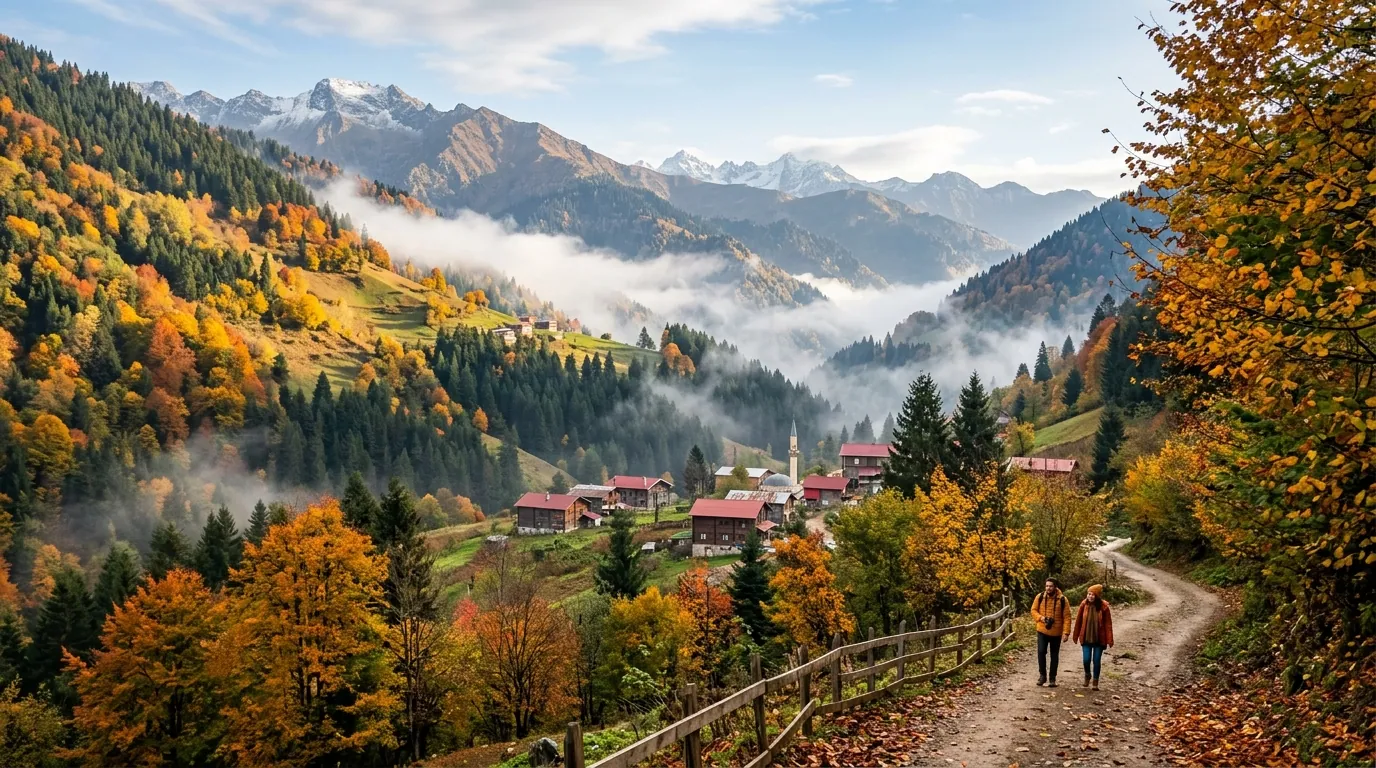
For Gulf families the practical first-visit covers two or three regions: Marmara for Istanbul, the Mediterranean for Antalya and the south coast, and often Central Anatolia for Cappadocia. The Black Sea is a quieter option once you have done the headline cities; our Trabzon location guide explains the basics.
Why Geography Matters for Your Trip
Turkey is roughly rectangular in plan if you squint, and this shape makes trip planning different from island destinations. Drive times between major points are real: Istanbul to Cappadocia is 8-10 hours by road or 80 minutes by air, Antalya to Pamukkale is 4-5 hours by car, and the south coast from Antalya to Fethiye takes 5-6 hours even on a fast road. A first-timer covering the country in one week will fly between regions rather than drive.
Climate also varies dramatically with geography. The Aegean and Mediterranean coasts are hot and dry in summer, mild and rainy in winter. Central Anatolia has hot dry summers and cold snowy winters. The Black Sea is the only Turkish region with year-round rainfall, and the east has a continental climate with extreme temperature swings. Our Turkey travel overview walks through the seasonal planning choices for each region.
Cultural Touchstones Gulf Visitors Notice
Three cultural details consistently surprise Gulf visitors. First, the call to prayer (ezan) is audible in every Turkish city, and the prayer rhythm is more relaxed than in some Gulf states; the architecture of mosques is Ottoman-influenced and recognizable. Second, hospitality is strong but expressed in Turkish style: tea offered frequently, shoes removed at the door, conversation paced and respectful. Third, the seaside and forest are deeply valued by Turks themselves; popular destinations are crowded with domestic visitors in August, and quieter in shoulder seasons.
For practical visitor matters, our visa for Saudi citizens guide and the visa for UAE citizens guide walk through the current rules in detail, and the Trabzon location guide explains the Black Sea region as a quieter Gulf-friendly option.
Comparison: Turkey vs the Gulf States at a Glance
| Indicator | Turkey | UAE | Saudi Arabia | Qatar | Kuwait |
|---|---|---|---|---|---|
| Population (M) | 85-86 | ~10 | ~36 | ~3 | ~4.5 |
| Area (sq km, thousands) | 783 | 84 | 2,150 | 12 | 18 |
| Time zone | UTC+3 | UTC+4 | UTC+3 | UTC+3 | UTC+3 |
| Currency | Turkish lira | dirham | riyal | riyal | dinar |
| Religion (state majority) | Muslim | Muslim | Muslim | Muslim | Muslim |
| Visa for Gulf | usually free | usually free | usually free | usually free | usually free |
The honest summary: Turkey is larger in territory than the Gulf states combined except for Saudi Arabia, has many times the population, and shares time zone with most of them. Cultural familiarity is high; the visitor usually feels at home within a day.
Official Holidays and What They Mean for Your Trip
Turkey observes religious and national holidays that affect your travel. Eid al-Fitr and Eid al-Adha (Hijri calendar) shift each year; hotels and flights in tourist zones fill early and prices rise 20-40% during the Eid weeks. National holidays (Republic Day on 29 October, Atatürk Commemoration on 10 November, plus others) are mostly one-day observances with little tourist impact.
The practical rule: check the Hijri calendar for the year of your trip and avoid Eid weeks unless you specifically want the celebratory atmosphere — which is genuine and very family-friendly, but also expensive and crowded.
Language and Communication
Turkish is the official language and uses the Latin alphabet, which Gulf visitors who learned English in school find accessible for short encounters. English fluency is strong in hotels, restaurants, malls, and tourist sites, and Arabic is understood in the hospitality industry in Istanbul and the south coast. Translation apps work very well for the gaps; menus, signs, and museum texts increasingly include English.
A few Turkish phrases earn disproportionate goodwill: merhaba (hello), tesekkurler (thank you), lutfen (please), evet (yes), hayir (no). Children learn these quickly and use them with enthusiasm.
Safety, Health, and Practical Matters
Turkey is one of the safer large countries for visitors, and Gulf families routinely travel with children of all ages. Routine hospital and clinic care is high quality in cities; the country has robust private hospitals with English-speaking staff. Tap water is generally not recommended; bottled water is universal. Insurance for international visitors is widely available and inexpensive.
Crime against tourists is rare; standard city caution applies as anywhere. The political environment is stable and routine; demonstrations are uncommon in tourist areas and rarely target visitors. Our Turkey travel overview covers the practical layer of arrivals, currency, and stays.
Common Misconceptions Gulf Visitors Bring
A few preconceptions lead visitors to plan the wrong trip. First, Turkey is not a small country: the drive from Istanbul to the Iranian border takes more than 24 hours, and the country spans multiple climate zones. Second, Istanbul is not the capital: Ankara is, and it has been since 1923, which surprises visitors who assume the largest city is also the political center. Third, Turkey is not a theocracy despite the Muslim majority: the constitution is secular, public life is republican, and women work across every profession, though the social rhythm is more conservative than the Gulf in some coastal cities and more liberal in others.
Fourth, Turkish is not Arabic and not Persian; it is its own language family and uses the Latin alphabet, which is a great advantage for English-educated visitors. Fifth, the official language name has changed: since 2022 the country uses "Turkiye" in international documents, though "Turkey" remains universal in conversation. Sixth, the currency, while it has had volatile years, has stabilized and is now widely usable in cities with normal exchange practices.
Practical Info for Gulf Visitors
| Item | Detail |
|---|---|
| Capital and largest city | Ankara (capital); Istanbul (largest) |
| Currency | Turkish lira; cards nearly universal |
| Time zone | UTC+3, same as the Gulf |
| Visa | most GCC citizens enter visa-free; confirm at the official portal |
| Government portal | turkiye.gov.tr for services |
FAQ (12 Questions)
- What is the official name of Turkey in 2026? — The Republic of Turkiye (Türkiye Cumhuriyeti), adopted in 2022 as the international English name.
- Is Turkey a democracy? — A unitary republic with regular elections at the national and local level; the current system is presidential.
- What is the population? — Roughly 85-86 million, the largest in its region by a clear margin; see our population facts guide.
- What is the area? — 783,562 sq km; the largest country in the region by area after Russia.
- Is Turkey in Europe or Asia? — Both, the Bosphorus being the dividing line; the larger share is in Asia (Anatolia).
- What is the capital? — Ankara, since 1923; Istanbul is the largest city and economic center.
- Is Turkey Muslim-majority? — Yes, with a strong secular republican tradition; the constitution guarantees religious freedom.
- What is the time zone? — UTC+3, identical to the Gulf, no jet lag.
- What is the currency? — The Turkish lira; cards are nearly universal in cities, and ATMs are everywhere.
- Do Gulf citizens need a visa? — Most enter visa-free; check the official portal before flying.
- Is Turkey safe for families? — Yes, among the safer large countries for visitors; standard city caution applies.
- How large is the economy? — G20 member, one of the world's 20 largest economies; major in industry, agriculture, and tourism.
Conclusion
Turkey in 2026 is a modern unitary republic with a familiar cultural rhythm for Gulf families, a G20 economy, and a tourism infrastructure that is among the most developed globally. The state's defining traits for a visitor are the secular constitutional order, the high level of services, the currency advantage, and the shared time zone. Plan around Eid weeks, take normal city precautions, and the country will meet the expectations of any first-time Gulf visitor. Compare hotels across Turkey and pair your stay with guided tours for days you want depth.
Related Articles
- Turkey travel overview
- Turkey population facts
- Turkey area size facts
- Capital of Turkey Ankara
- Visa for Saudi citizens
- Where is Trabzon
Sources
Related travel guides
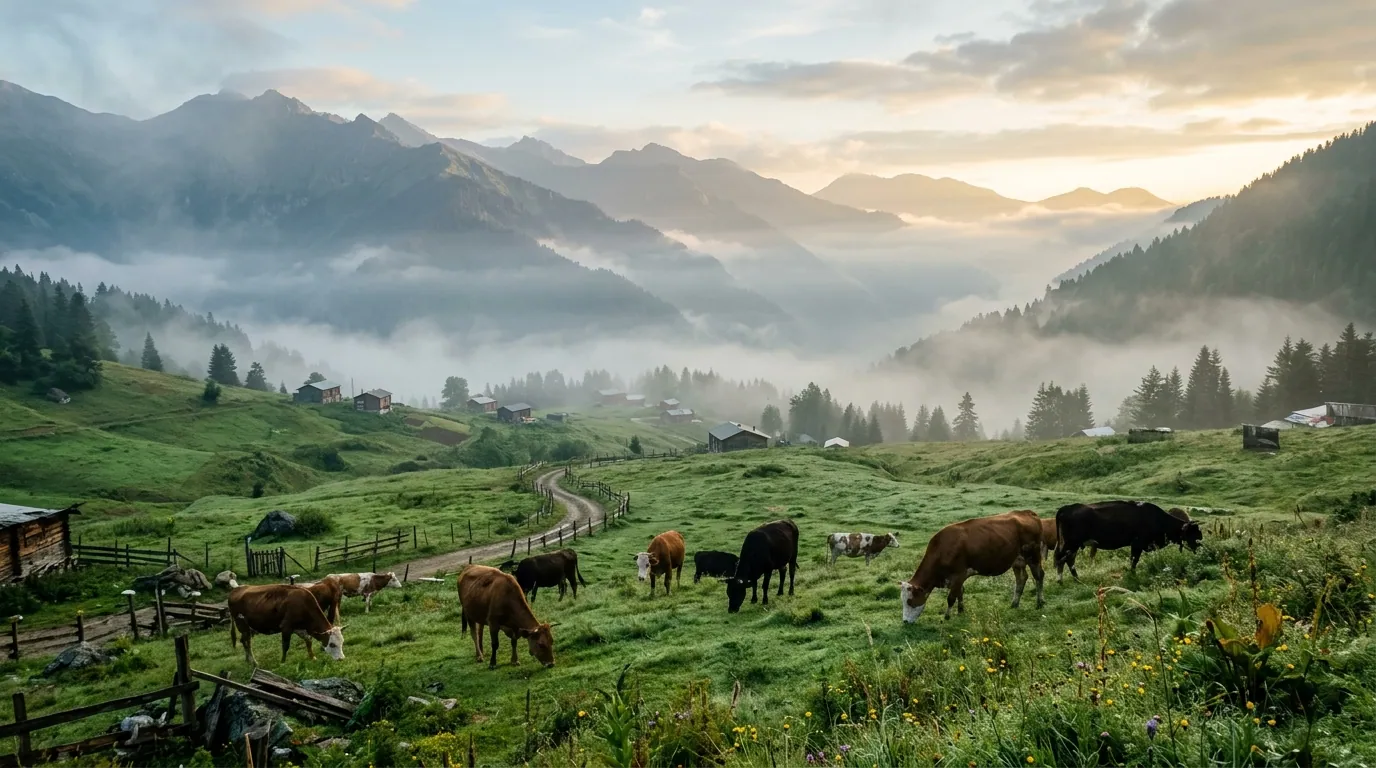
Ayder highlands 5-day itinerary 2026: a day-by-day plan for Arab families covering thermal pools, valleys, and Trabzon.
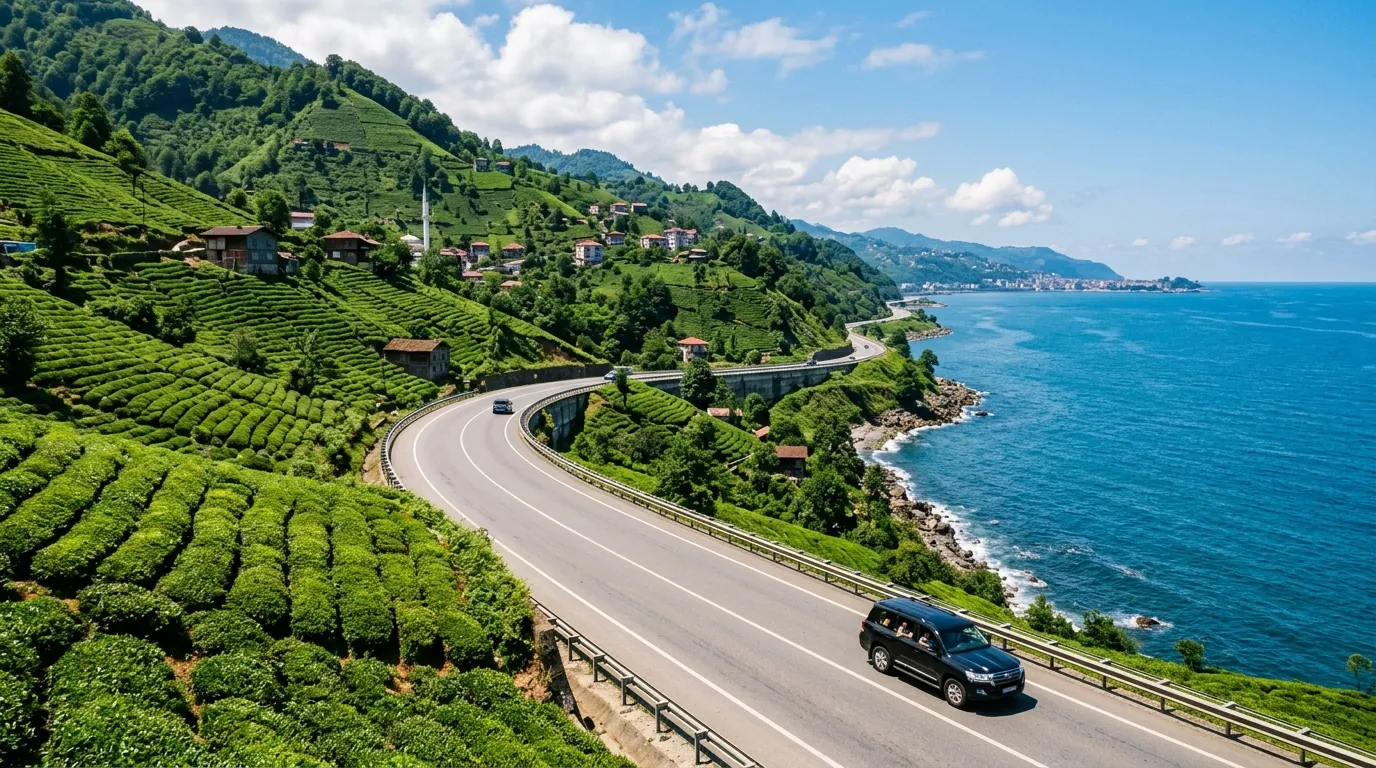
Ayder Trabzon distance 5-day itinerary 2026: a day-by-day plan for Arab families covering the transfer route.
Ayder Turkey weather 2026: monthly averages, rain patterns, best months to visit, and packing tips for Gulf families.
Ready to explore Turkey?
Voyago brings together hotels, tours and transfers to help you plan the perfect trip to Turkey.