
Quick Answer for Gulf Visitors
What does the Turkey map look like? — Turkey is a transcontinental country covering 783,562 km², divided into seven geographical regions, washed by four seas, with Ankara as its administrative capital and Istanbul as its largest city.
Why does the map matter to Gulf travelers? — Reading the map correctly saves you thousands of kilometers. Turkey is bigger than most visitors assume, and understanding the regions and distances helps you build a realistic itinerary that does not evaporate in airports and highways.
Where can I find the full details? — In the sections below: a simple guide to the map, a table of the seven regions, intercity distances, flight times from the Gulf, and practical tips for choosing your base.
Why Understanding the Map Matters Before You Book
Many Gulf travelers start planning from hotel photos and prices, then discover mid-trip that they have drawn a route crossing the country from its far west to its far east in five days. The problem is not ambition; it is geography. Turkey stretches roughly 1,600 kilometers from the Greek border in the west to the Iranian border in the east, and more than 600 kilometers of mountains and plateaus separate its northern and southern coasts. When you look at the map properly and grasp its real divisions, your trip turns from an exhausting race into a relaxed stay in one or two regions.
The first key is the seas. Turkey faces the Black Sea in the north, the Sea of Marmara between the continents, the Aegean in the west, and the Mediterranean in the south, and each sea creates a completely different destination in weather, scenery, and hotel style. The second key is the continents: a small slice of the country sits in European Thrace while the vast Anatolian landmass lies in Asia, and the Bosphorus strait crosses between them in the heart of Istanbul. The third key is the capital: Ankara sits near the center as the administrative hub, while Istanbul remains the undisputed economic and tourist capital. For broader geography, read our guide on where Turkey is located.
How to Read the Turkey Map Step by Step
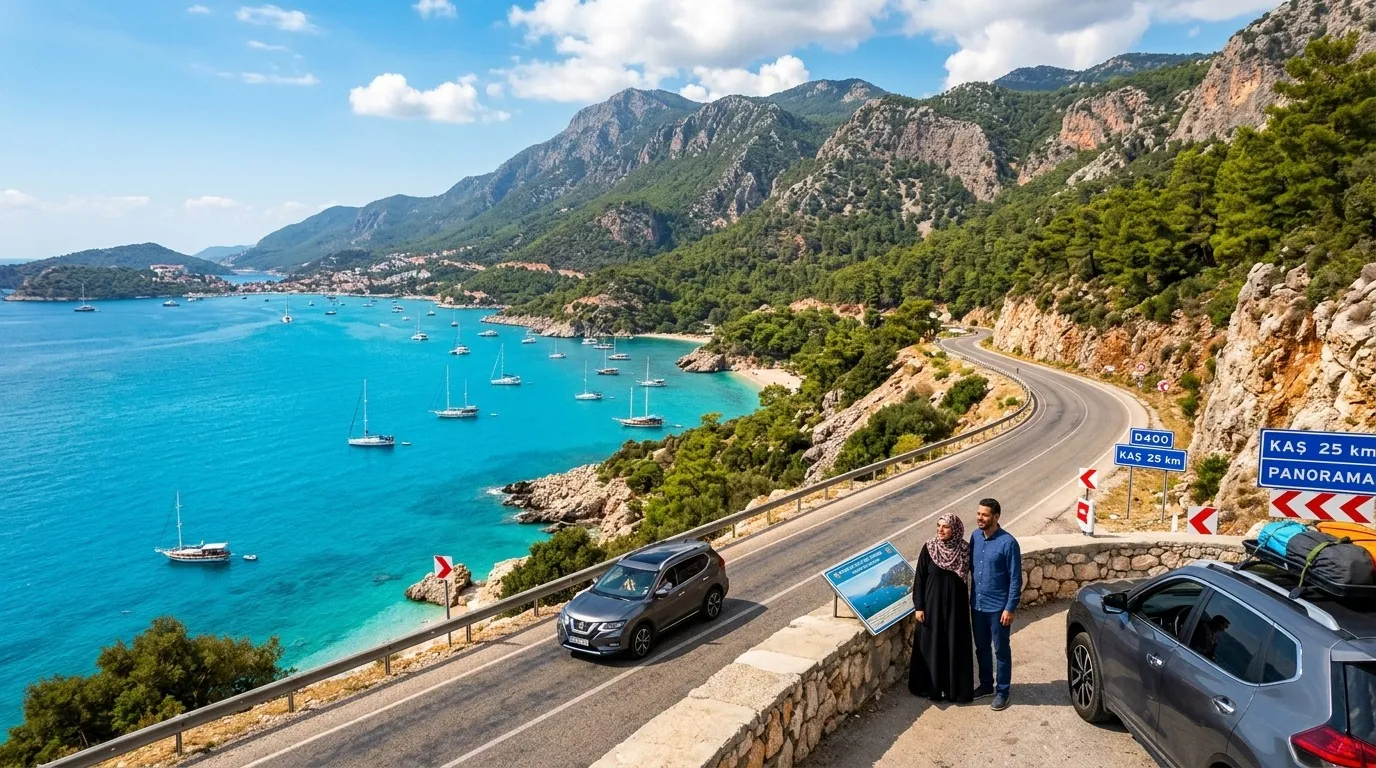
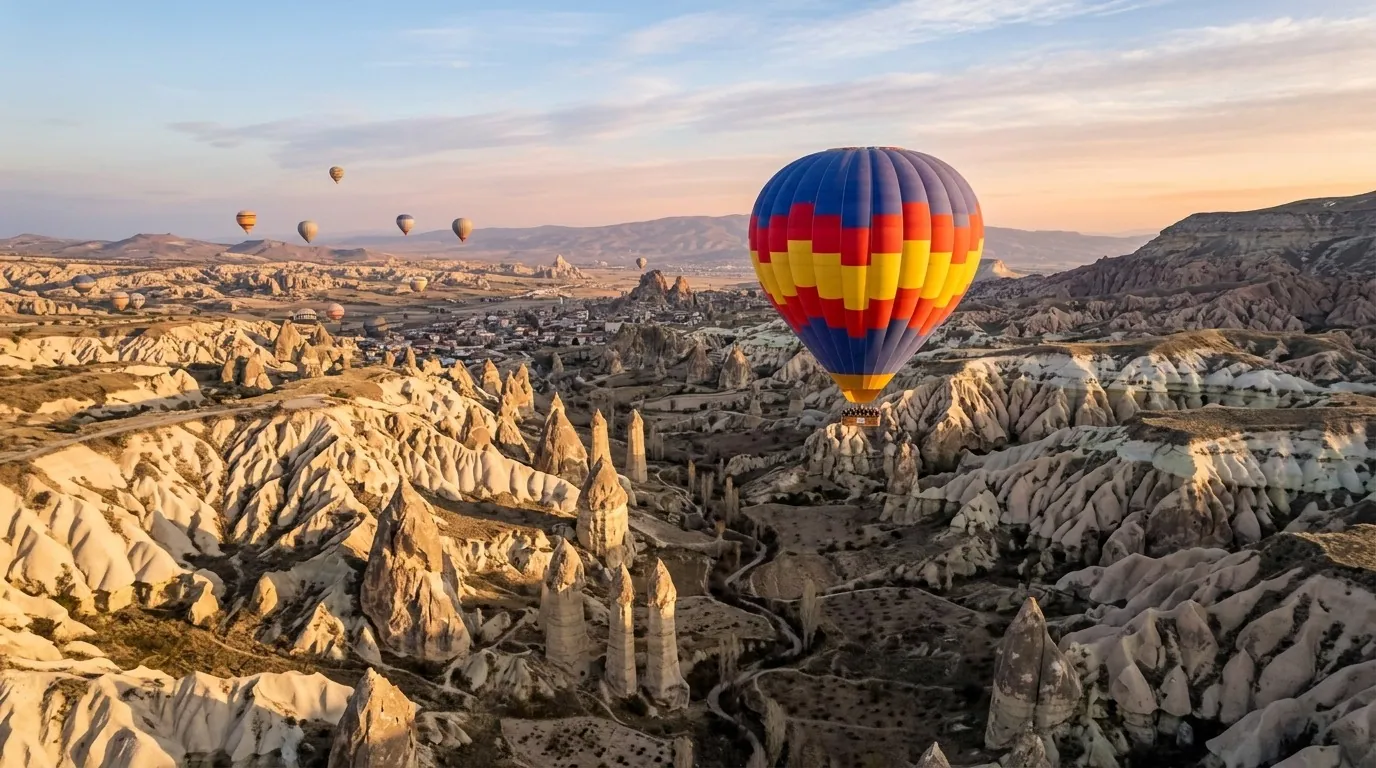
Start in the north: there you will find the green, rainy Black Sea strip home to Trabzon, Rize, and Samsun, the region that feels closest to Caucasus nature and is famous for its hospitality toward Gulf families. Move down to the west, where the Aegean coast holds Izmir, Bodrum, and Fethiye with their clear bays and coves. In the far southwest, the Mediterranean coast runs from Antalya through Alanya and Marmaris, the heart of family-friendly all-inclusive resorts. In the center spreads the Anatolian plateau with Ankara and Cappadocia, whose rock cities and sunrise balloons need no introduction. The east is another world entirely: the giant Lake Van, Mount Ararat, and southeastern cities rich in cuisine and gentle on the wallet.
When using map applications, switch the interface to Arabic so city and street names appear in a familiar script, and download offline maps, especially if you plan to drive through mountain areas. Note that some city names appear in two spellings in apps, such as Trabzon and Trebizond variants; do not worry. Postal codes are not essential in Turkey; a district, street name, and building number are enough for any address. Also, most coastal cities display bilingual Turkish and English signage in tourist zones, while inland cities lean more heavily on your digital map.
Comparison: Which of the Seven Regions Suits Your Family?
Administratively Turkey is divided into 81 provinces, but geographers group them into seven regions, each with a distinct travel personality. The table below compares them from a Gulf visitor's perspective:
| Region | Key cities | General character | Best suited for |
|---|---|---|---|
| Marmara | Istanbul, Bursa | History, shopping, world city | Families and first-time visitors |
| Aegean | Izmir, Bodrum, Fethiye | Coasts and quiet resorts | Couples and sea lovers |
| Mediterranean | Antalya, Alanya, Marmaris | Beaches and all-inclusive hotels | Gulf families |
| Central Anatolia | Ankara, Cappadocia | Rock landscapes and culture | Photographers and explorers |
| Black Sea | Trabzon, Rize, Ordu | Green mountains and cool summers | Escapers from Gulf heat |
| Eastern Anatolia | Van, Erzurum, Agri | Lakes, peaks, raw nature | Adventurers |
| Southeastern Anatolia | Gaziantep, Sanliurfa, Mardin | Cuisine and ancient sites | History and food lovers |
The practical rule: choose one region for a five-day trip, or two neighboring regions connected by a domestic flight for a seven-day trip. Trying to combine three distant regions in one week means spending half your holiday in airports, the most common mistake among first-time visitors. Since the northern cities deserve full attention, review our comprehensive Trabzon guide, and if your trip focuses on the center, see our Cappadocia guide.
Distances and Flight Times: The Numbers You Actually Need
The most repeated question from Gulf travelers is how far one city is from another. This table removes the guesswork between the most popular destinations:
| Route | Road distance | Domestic flight |
|---|---|---|
| Istanbul - Ankara | 450 km | 1h 10m |
| Istanbul - Antalya | 700 km | 1h 20m |
| Istanbul - Cappadocia | 730 km | 1h 25m |
| Istanbul - Izmir | 480 km | 1h 05m |
| Istanbul - Trabzon | 1,000 km | 1h 45m |
| Antalya - Trabzon | 1,100 km | usually one stop |
Reaching Turkey from the Gulf is easier than you might think: about four and a half hours from Riyadh and Jeddah to Istanbul, four hours from Dubai, and three and a half to four hours from Kuwait and Doha, with multiple daily direct flights operated by several carriers including Turkish Airlines. Travelers short on time can fly directly into Antalya or Trabzon from selected Gulf capitals during the peak season, skipping the Istanbul connection and starting the holiday on day one. Official entry requirements are published by the Turkish Ministry of Foreign Affairs, and city-by-city population figures are covered in our article on Turkey's population.
Practical Info for Gulf Visitors
| Item | Details | Gulf note |
|---|---|---|
| Currency | Turkish lira (TRY) | Cards widely accepted |
| Time zone | UTC+3 | Nearly identical to Saudi time |
| Electricity | 220V, Type C/F plugs | Same as Europe and most of the Gulf |
| Language | Turkish | English common in tourist areas |
| Emergency | 112 | Single number for all services |
| Maps | Major apps support Arabic | Download offline regions before travel |
| Domestic flights | 50+ airports | Tickets from USD 25-60 when booked early |
Quick tips: save a screenshot of your hotel's location map before departure; use the BiTaksi app for taxis in Istanbul; and remember that famous tourist districts are written in Arabic across hotel directories and booking sites. If Istanbul is your first stop, review our Istanbul hotel booking guide, and if you are coming in summer, head north as we explain in our guide to Turkey temperatures year-round. For the full country picture before drawing your map, read the complete Turkey guide and get acquainted with Ankara, the Turkish capital.
Extra Tips for Gulf Visitors: Small Details That Matter
After choosing your region and route, a handful of small daily habits can transform a good trip into an unforgettable one. First, water: drink regularly because dehydration sneaks up in the summer heat, and carry a small refillable bottle during outdoor tours. Second, your phone: enable international roaming or buy a local SIM, since prepaid cards from Turkcell and Vodafone are available at airports and work at reasonable rates, and eSIM options through Airalo and Holafly exist too. Third, currency: exchange part of your budget into Turkish lira before leaving the hotel, because many small bazaar vendors prefer cash over cards, and you can follow the official rate on the Turkish Central Bank site. Fourth, clothing: always pack a light jacket, because evenings in Anatolia or Cappadocia grow cool even in summer, and Istanbul in winter requires extra layers. Fifth, photography: respect no-photography signs in museums and places of worship, respect worshippers' privacy, and ask before photographing people in the streets. Sixth, shopping: shop the local bazaars instead of big malls, since the Grand Bazaar in Istanbul and Antalya's covered markets offer the same products at lower prices with acceptable quality, and remember that haggling is expected. Seventh, security: keep digital copies of your passport and travel insurance on a cloud account, and know your embassy's number in Ankara in case of need. Eighth, halal food: most restaurants in Turkey are halal, and the seafood in the north is generally prepared in line with religious rules, so skip alcohol if you want to respect the local taste. Ninth, night transport: use BiTaksi in Istanbul instead of regular taxis for transparent pricing. Tenth, luggage: use a small wheeled suitcase for the cobbled streets of old Istanbul. These small details are what turn a holiday from good into unforgettable. For more organizational advice, see our complete guide to traveling in Turkey which brings everything together.
FAQ (12 Questions)
- Where is Turkey on the world map?
Turkey sits at the junction of Europe and Asia, bordering eight countries and four seas, which makes it a bridge between East and West. The larger portion lies in Asia (Anatolia) and a small portion in Europe (Thrace).
- How many regions does Turkey have?
Seven main geographical regions: Marmara, Aegean, Mediterranean, Central Anatolia, Black Sea, Eastern Anatolia, and Southeastern Anatolia, each with a different tourist character as shown in the comparison table above.
- Is Istanbul the capital of Turkey?
No. Ankara has been the capital since 1923 and lies near the center of the country. Istanbul is the largest city and the economic and tourist hub; you can explore the difference in our guide to Ankara, Turkey's capital.
- Which part of Turkey is closest to the Gulf?
In a straight line, the southeast and east, such as Gaziantep, Mardin, and Sanliurfa. However, most direct flights from the Gulf serve Istanbul and Antalya, plus Trabzon in summer.
- How long is the flight from Riyadh to Istanbul?
Around four and a half hours nonstop, about four hours from Dubai, and three and a half to four hours from Kuwait and Doha. Current schedules are listed on the Turkish Airlines website.
- What is the distance between Istanbul and Trabzon?
About 1,000 kilometers by road, or a domestic flight of one hour and forty-five minutes, which is why most travelers fly rather than drive, as explained in our Trabzon guide.
- Is Turkey suitable for a road trip between cities?
Yes. Highways between major cities are excellent and driving is orderly, but distances are significant: budget 100-120 kilometers per hour on highways and less in the mountainous north and east.
- Are Turkey maps available in Arabic?
Yes. Major map applications support Arabic for city and street names, the official Go Turkiye portal publishes visitor information, and downloading your region before departure is recommended.
- Which region is best for Gulf families?
The Mediterranean (Antalya and Alanya) for all-inclusive resorts and beaches, Marmara (Istanbul and Bursa) for history and shopping, and the Black Sea in July and August for cool greenery away from the Gulf heat.
- What is the longest distance inside Turkey?
Roughly 1,900 kilometers by road from Edirne in the far west to the far east, equal to two full days of continuous driving, which is why travelers rely on domestic flights to cross the country.
- Do I need a visa to visit Turkey?
Most Gulf passports receive visa-free entry or an e-visa. Always verify the official conditions on the e-visa website before booking flights.
- How do I plan a realistic five-day itinerary?
Pick one region with a maximum of two bases: for example, three nights in Istanbul and two in Cappadocia with a domestic flight, or four nights in Antalya with a day trip to Pamukkale by car.
Conclusion
The Turkey map is not a cold piece of geography; it is the first planning tool of your trip. Seven regions and four different coastal worlds mean distances need realistic math, or your holiday dissolves into airport transfers. Start by choosing the sea that matches your mood, then settle on one region or two neighbors connected by a domestic flight booked weeks ahead. To turn the map into a booked program, browse hotels across Turkey, reserve a private airport transfer, and pick guided tours that suit your family; the Voyago editorial team covers the rest in our guides.
Sources
Related travel guides
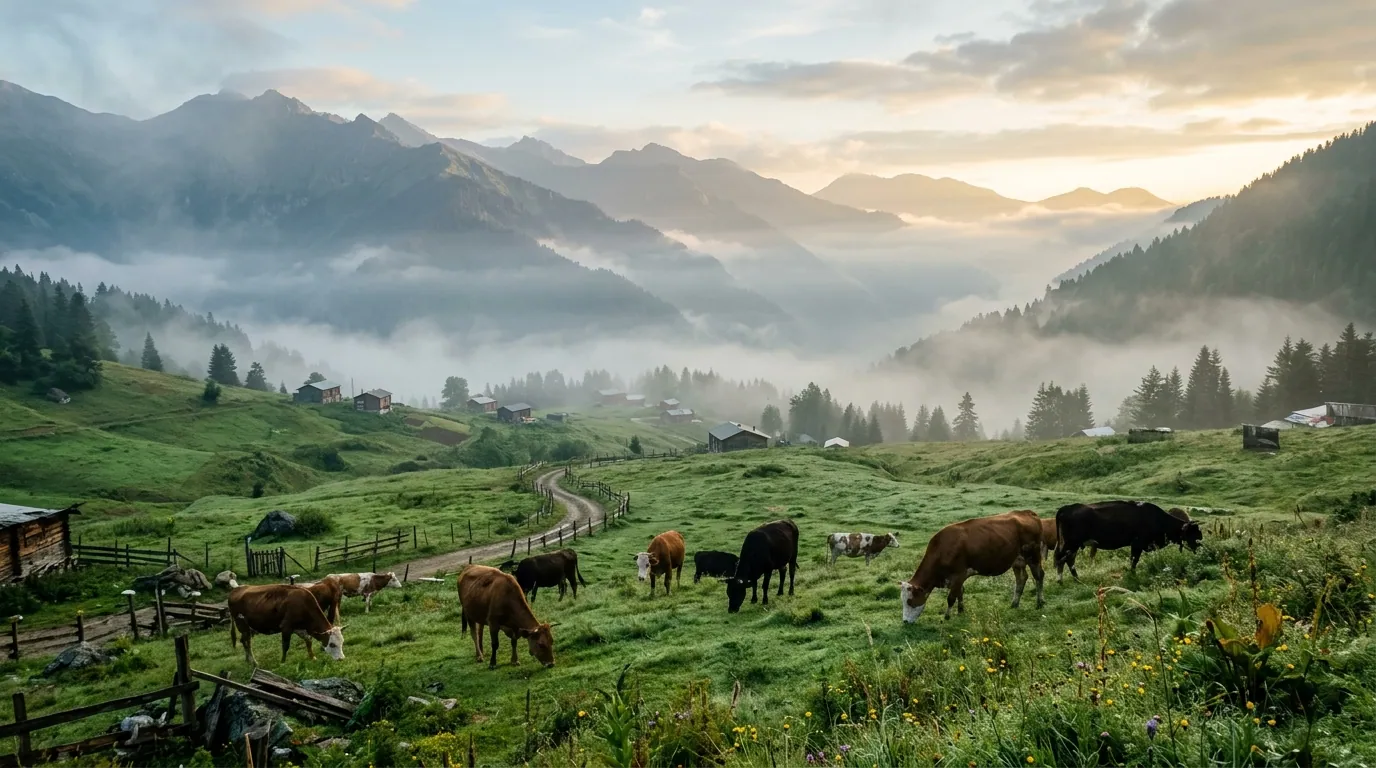
Ayder highlands 5-day itinerary 2026: a day-by-day plan for Arab families covering thermal pools, valleys, and Trabzon.
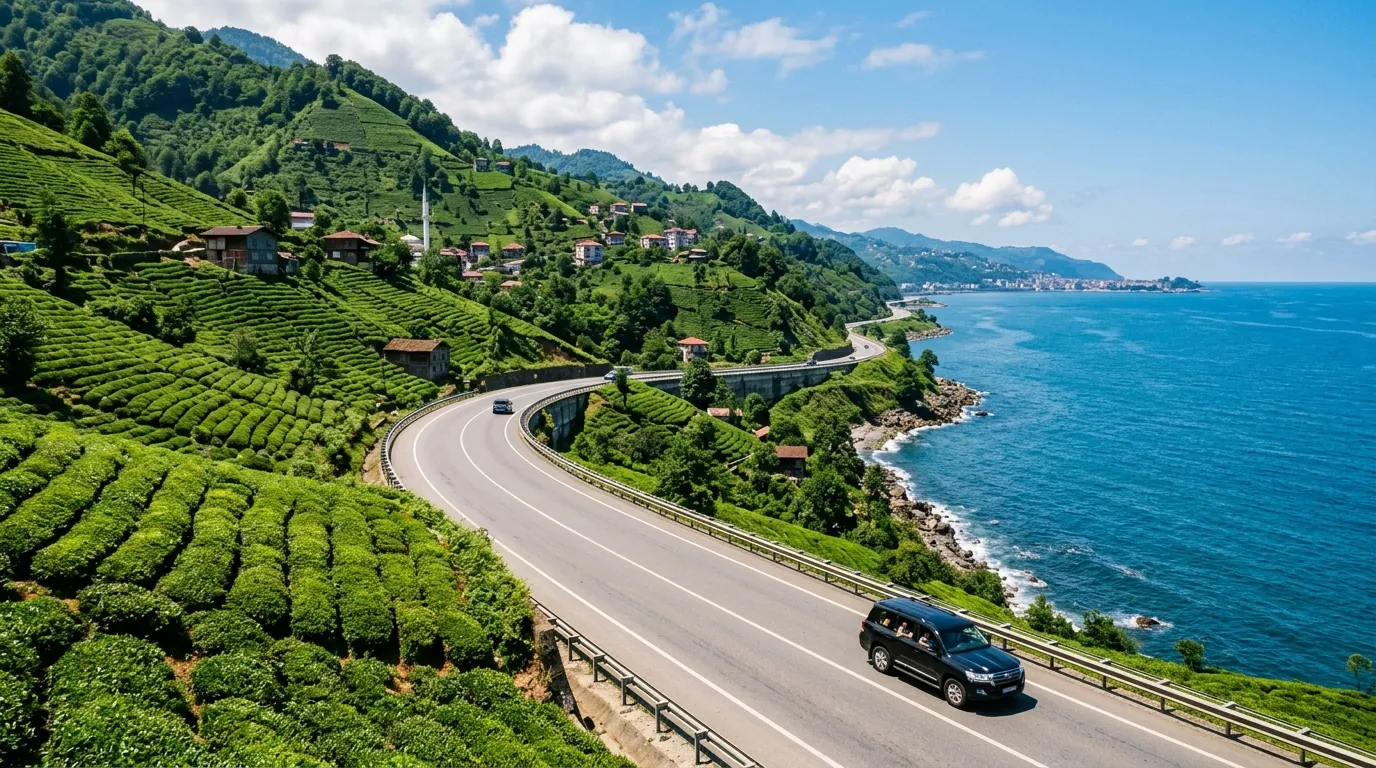
Ayder Trabzon distance 5-day itinerary 2026: a day-by-day plan for Arab families covering the transfer route.
Ayder Turkey weather 2026: monthly averages, rain patterns, best months to visit, and packing tips for Gulf families.
Ready to explore Turkey?
Voyago brings together hotels, tours and transfers to help you plan the perfect trip to Turkey.