
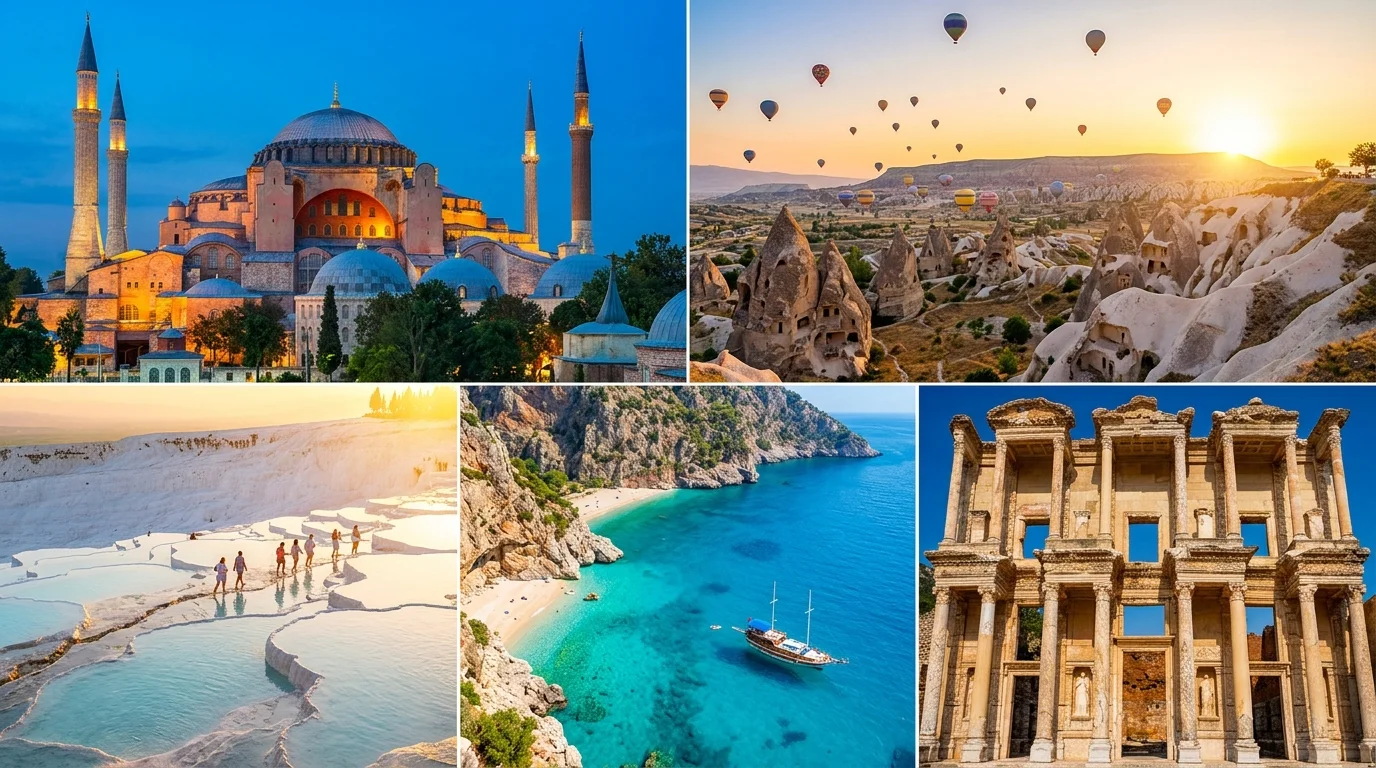
Quick Answer for Gulf Visitors
Is Turkey a practical destination for Gulf families in 2026? Yes, and it is the easiest among nearby options: an e-visa issued within minutes for most GCC nationalities, direct flights from every Gulf capital to Istanbul, Antalya and Trabzon, and halal food that is the rule rather than the exception in every city.
How many days do you need? Five days for a single city, and seven to ten days to combine Istanbul with Cappadocia, Antalya or Trabzon without rushing.
When is the best time to visit? April-May and September-October: mild weather and lower prices than the summer peak, while July and August suit travellers focused purely on beaches and pools.
Where should a first visit start? Three nights in Istanbul, then a domestic flight to Cappadocia or Antalya; this formula works best for families on their first trip.
Why Turkey Is the Top Choice for Gulf Families in 2026
Turkey combines three rare advantages in a single destination: geographic proximity of no more than four flying hours from the Gulf, natural diversity that carries you from Mediterranean beaches to the snowy peaks of Uludag and the volcanic valleys of Cappadocia, and a tourism infrastructure built around the Muslim family, from mosques in every district to halal restaurants and resorts with complete family facilities.
The economics also favour the Gulf visitor: prices in Turkish lira remain generally lower than comparable European destinations, and competition among properties means a Turkish four-star property often delivers what five stars deliver elsewhere. According to figures from the official Turkish tourism portal, Turkey welcomes millions of Arab visitors every year, which has pushed major hotels to hire Arabic-speaking staff and adapt menus to Gulf tastes.
If you are planning your first trip, our guide on travelling to Turkey this season summarises the latest practical updates and answers the questions first-timers ask about weather, dress and useful apps before booking.
Visa and Entry: Practical Steps for GCC Nationals
The basic rule: most citizens of the Gulf Cooperation Council states obtain the Turkish e-visa through the official portal within minutes, with no embassy appointment or interview. You need a passport valid for at least six months, a return ticket or hotel booking, and payment of the fee by bank card. The visa is typically issued as a thirty-day single-entry permit.
Practical steps that save time: apply at least a week before travel rather than the night before your flight, keep both a digital and a paper copy of the visa, and make sure the name on your ticket matches your passport exactly. Some Gulf nationalities enjoy easier arrangements than others; the full country-by-country details are covered in the Turkey visa guide for Saudi citizens, and reading the complete Turkey visa guide for Gulf visitors before applying is strongly recommended.
When to Visit Turkey: Comparing the Travel Seasons
| Period | Istanbul weather | Crowds | Price level | Best for |
|---|---|---|---|---|
| March to May | Mild, 15-25C | Medium | Medium | Sights, walking, cultural trips |
| June to August | Hot, 28-33C | Peak | Highest | Beaches and pool resorts |
| September to October | Pleasant, 20-28C | Medium to low | Medium | Best overall balance |
| November to February | Cold, 6-12C | Very low | Lowest | Skiing, thermal springs, shopping |
Gulf families generally prefer two windows: summer, when school holidays are long and the heat is acceptable on the coast, and October, for a cultural trip without crowds or peak pricing. Travellers visiting during Ramadan will find a special atmosphere in Istanbul, from communal iftar tables near the grand mosques to late sahur evenings in the old city, with noticeably thinner morning crowds. Eid al-Fitr and the mid-year school break form a second Gulf peak when prices climb, so booking two months ahead is a practical requirement. Weather in Trabzon and Cappadocia differs clearly from Istanbul and Antalya, so check the Turkish State Meteorological Service forecast before fixing your dates.
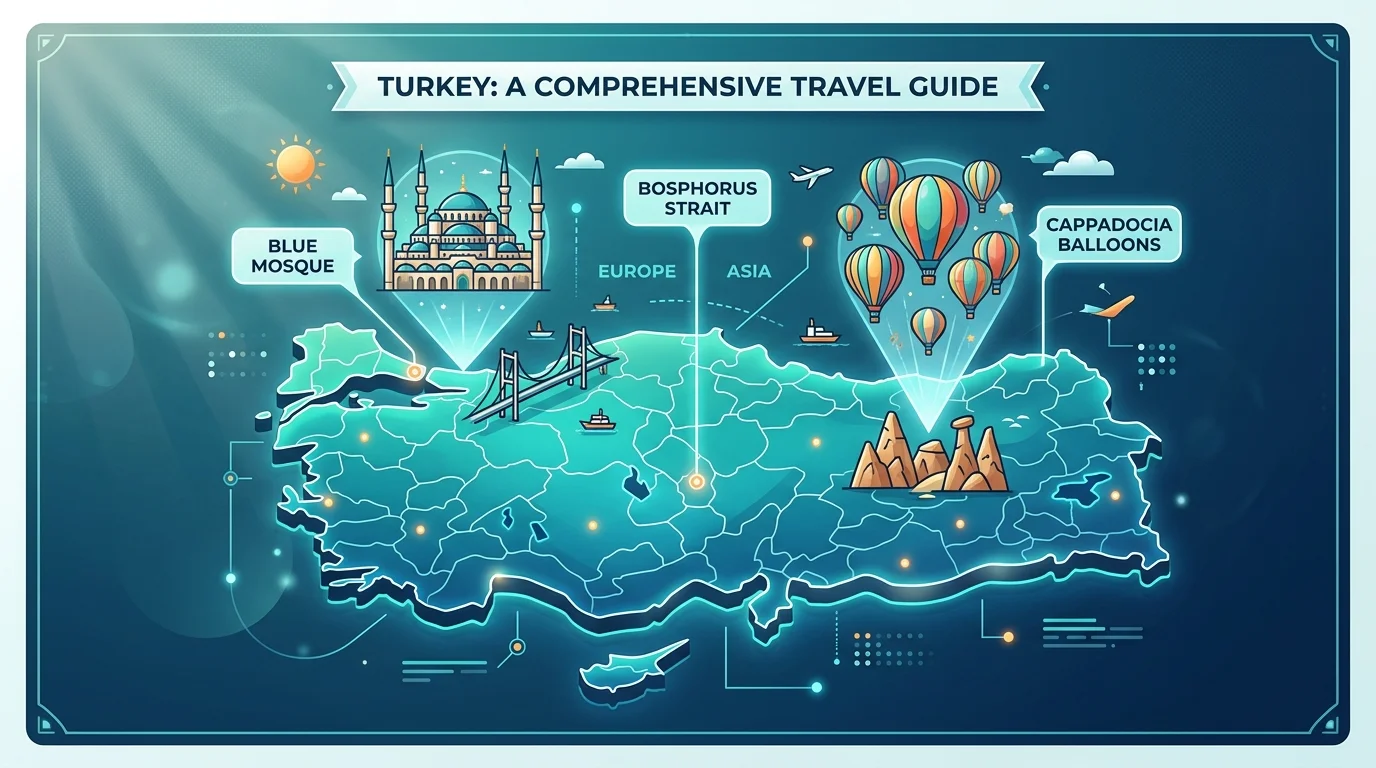
Turkey's Major Cities: A Full Comparison Before You Book
| City | What it offers | Suggested stay | Best for | Trip from Istanbul |
|---|---|---|---|---|
| Istanbul | History, the Bosphorus, shopping | Three to four nights | Everyone's first visit | Main hub |
| Antalya | Mediterranean beaches and family resorts | Four to seven nights | Families and beach lovers | 1h 15m by air |
| Trabzon | Green mountains and highland nature | Three to four nights | Escaping summer heat | 1h 40m by air |
| Cappadocia | Balloons, valleys, cave hotels | Two to three nights | Couples and photographers | 1h 15m by air |
| Bursa | Uludag, thermal springs, Ottoman heritage | Two nights | Short breaks from Istanbul | 2h 30m by car |
| The capital Ankara | Museums and Anatolian civilisations | One to two nights | Quiet history lovers | 4h 30m by fast train |
Each city has its own character: Istanbul cannot be exhausted in one visit, Antalya is the resort capital where a family can happily spend a full week inside one compound, and Trabzon is the cool-summer destination Gulf travellers choose to escape the Gulf heat, with full details in the complete Trabzon guide. Ankara is less famous among tourists, yet as the state capital its Museum of Anatolian Civilisations deserves a stop, as we explain in the Ankara capital guide.
Istanbul or Antalya or Trabzon: Where Do You Start?
Istanbul is the ideal first stop: the old city, the strait and the bazaars compress the soul of Turkey into one square kilometre, and reaching it from the Gulf is direct and easy. Its only drawback is that it is a loud, urban city; travellers seeking pure rest after a long working year will find it in the resorts rather than on the streets.
Antalya suits those whose trip is about relaxation: a week in a Lara or Belek resort with pools, food and children's activities, plus light day trips to waterfalls and ancient cities. Trabzon is the summer choice par excellence: its air stays fresh even in August, and the green landscape from Uzungol to the Ayder highlands gives the family the feeling of a complete mountain journey; its geography is explained simply in where is Trabzon located.
The practical rule: a first trip always starts in Istanbul, and later trips alternate between the sea in Antalya, the mountains in Trabzon and the unique experience of Cappadocia.
Where to Stay: From Halal Resorts to Cave Hotels
Accommodation options in Turkey are wider than most visitors expect, and the key is matching the property type to the purpose of your trip. In Antalya and Bodrum, all-inclusive resorts dominate, where the family spends entire days without leaving the compound; several hold certifications that respect the privacy of Muslim families, from indoor women-only pools to documented halal kitchens. In Istanbul the choice shifts to location: the old city for the sights, Beyoglu for shopping and city life, and the Bosphorus shores for views; the complete step-by-step process is in the Istanbul hotel booking guide.
Cappadocia offers a category of its own: cave hotels carved into the rock, with rooms that stay warm in winter and cool in summer, many with terraces overlooking the valleys and the dawn balloon launches. In Bursa and Sapanja, wooden cabins and mountain houses suit extended family trips. To compare all these options live with your dates and current prices, start from the Turkey accommodation booking page.
Getting Between Cities: Plane, Train or Private Car?
| Option | Network | Cost | Family comfort | When to choose it |
|---|---|---|---|---|
| Domestic flights | All major cities | Medium | Excellent | Long distances such as Trabzon and Antalya |
| High-speed train | Istanbul, Ankara, Konya | Low | Very good | Relaxing Anatolia trips without airports |
| Luxury coaches | Nearly all cities | Lowest | Moderate | Short hops and tight budgets |
| Private car with driver | Fully flexible | Medium to high | Best with children | Private transfers and multi-city touring |
Istanbul's main gateway is Istanbul Airport on the European side, while Sabiha Gokcen serves the Asian side, and the choice between them determines your route into the city; we detail the arrival options in the Sabiha Gokcen transfer guide. With a family and luggage, the decision usually favours a pre-booked private car: a fixed price known before you fly, a driver waiting in arrivals, and the option of a child seat, details that set the mood of the first hour of your trip.
Money and Currency: Smart Exchange Rules
The official currency is the Turkish lira, and the best practice is to exchange in instalments rather than one large amount, since rates differ noticeably between offices. The golden rule: change only the minimum at the airport, use licensed exchange offices in the city centre or the widespread ATMs, and compare two banks before a large amount. International cards are accepted in hotels, restaurants and major stores, but cash remains essential in the traditional bazaars and some transport. Full details on exchange rates and trip budgeting are covered in the Turkish currency guide.
Halal Food and Smart Shopping

Food in Turkey is halal by default, and the practical question is not availability but selection: from the famous Turkish street breakfast of cheese, honey and simit, to Bursa grills and Iskender kebab, and from Gaziantep baklava to kunefe served hot with cheese. For the complete map of Turkish cuisine and the dishes you should not miss, see the complete Turkish cuisine guide.
For shopping, the Grand Bazaar in Istanbul is an essential experience for authentic items and gifts, but bargaining is expected and acceptable at stalls, not in official stores. Modern malls such as Istinye Park and Zorlu use fixed prices and documented tax invoices. Request an original certificate with any expensive carpet or leather item.
One practical point on major purchases: non-resident visitors can claim a VAT refund on goods bought from stores enrolled in the refund scheme, provided you keep the invoices, request the refund form at payment and complete the process at the airport before departure. Carpets, leather and expensive clothing are usually covered, while small daily purchases are not worth the effort. Ask for the tax-free sign at the cashier before buying, and plan to reach the airport two hours early if you intend to claim.
Three Ready-Made Family Itineraries
The classic ten-day week: three nights in Istanbul for the old city, the Bosphorus and shopping, then a domestic flight to Cappadocia for two nights with a dawn balloon flight, then four nights in an Antalya Lara resort for sea and rest before flying home. This plan covers history, nature and relaxation in one balanced trip.
The five-day family plan: two days in Istanbul for the essential sights and a Bosphorus cruise, then two days in Bursa and Uludag by private car or the fast ferry-and-train combo, and a final day for shopping in Istanbul before departure. Suited to short holidays and families who prefer a single base.
The seven-day summer mountain plan: four days in Trabzon covering Uzungol, the Ayder highland and the Hidirnebi area, then three days in Uzungol or Sapanja for nature and rest. This is the choice for families fleeing the Gulf heat in July and August; intercity moves are comfortable through intercity transfer services, and organised day trips are available in the daily tours list.
Practical Info for Gulf Visitors
| Item | Detail |
|---|---|
| Currency | Turkish lira; cards accepted in cities, cash essential in bazaars |
| Time difference | Aligned with Saudi time or one hour behind, depending on summer time |
| Language | Turkish officially; English understood in tourist areas, Arabic in popular districts |
| Prayer | Mosques in every district; prayer times precise in phone apps |
| Dress | Modest in cities and mosques; more freedom at coastal resorts |
| SIM cards | Sold at the airport with reasonable tourist packages; hotel wifi generally good |
| Emergencies | 112 for all emergencies across Turkey |
| Useful apps | Ride-hailing, transit and food apps work in English |
FAQ (12 Questions)
- Is Turkey safe for Gulf families in 2026? Yes. Major tourist zones have a strong security presence and professional services, and Gulf visitors are among the largest visitor groups each season.
- How much does a ten-day trip cost for a family of four? Between four and eight thousand dollars including mid-range and above hotels, domestic flights and tours, depending on season and property level.
- Do I need a visa if I am from the Gulf? Usually yes, but it is an e-visa issued within minutes through the official portal; details differ by nationality.
- What is the best month to visit? May and September offer the best balance of weather and prices, and October is excellent for cultural trips.
- Is food halal across Turkey? Meat in Turkish restaurants is overwhelmingly halal, and the large resorts document their sources.
- Should I base my trip in one city or several? With small children choose one base with day trips; with children over ten, moving between two cities is enjoyable and manageable.
- How long is the flight from Riyadh, Jeddah or Dubai? Between three and a half and four and a half hours direct to Istanbul.
- Is it true the Cappadocia balloon is not guaranteed? Balloons launch according to wind conditions, so book two or three nights to secure at least one launch opportunity.
- Do I need to rent a car? Not in Istanbul or Antalya, where transport and tours cover your needs; a car becomes useful in Trabzon and the mountain regions.
- What is the difference between Istanbul's two airports? Istanbul Airport is the larger and serves most international flights; Sabiha Gokcen sits on the Asian side, closer to Kadikoy and Uskudar.
- Is paying with a Gulf card easy? Yes in hotels and major stores, sometimes with a small conversion fee; keep cash for bazaars and transit.
- What if a family member falls ill? Private hospitals in major cities are of good standard and some provide interpreters; travel insurance is recommended before departure.
Conclusion
Turkey in 2026 remains the most complete destination for the Gulf family: close, easy to enter, varied between sea, mountain and history, and comfortable for Muslim families in food and privacy. Start by defining the purpose of your trip, then choose the city and the property around it, and book your internal transfers and key tours before the peak season.
Search accommodation across Turkey's cities · Book your private transfers between airports and cities · Discover daily tours and trips
Sources
Related travel guides
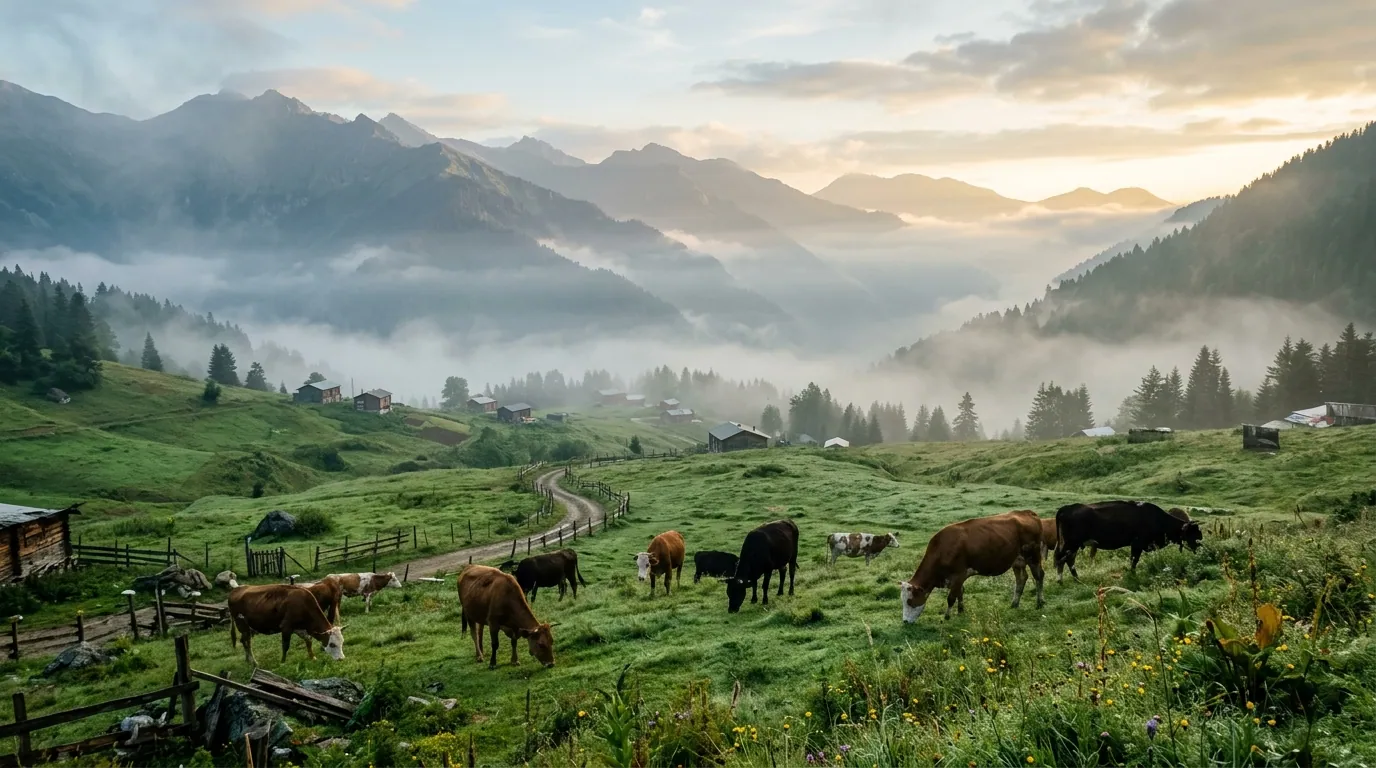
Ayder highlands 5-day itinerary 2026: a day-by-day plan for Arab families covering thermal pools, valleys, and Trabzon.
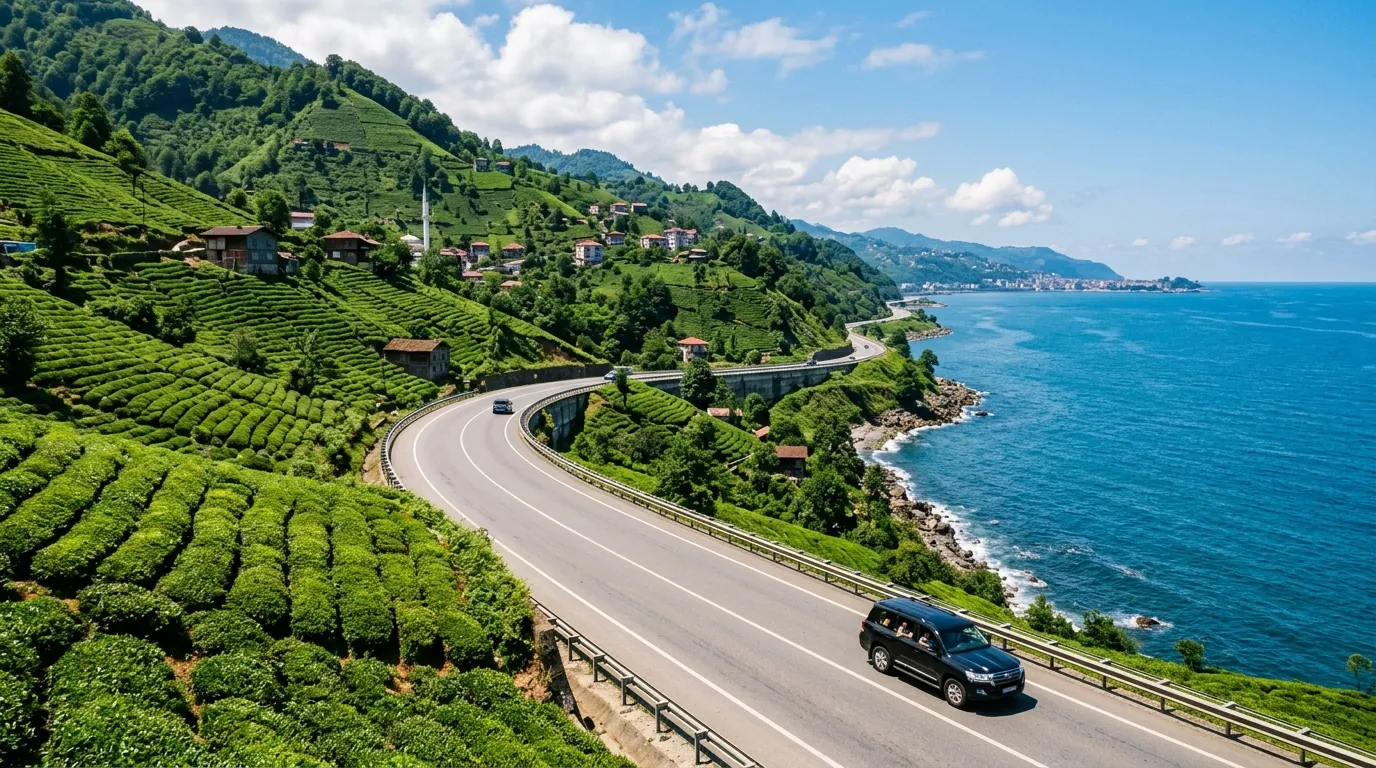
Ayder Trabzon distance 5-day itinerary 2026: a day-by-day plan for Arab families covering the transfer route.
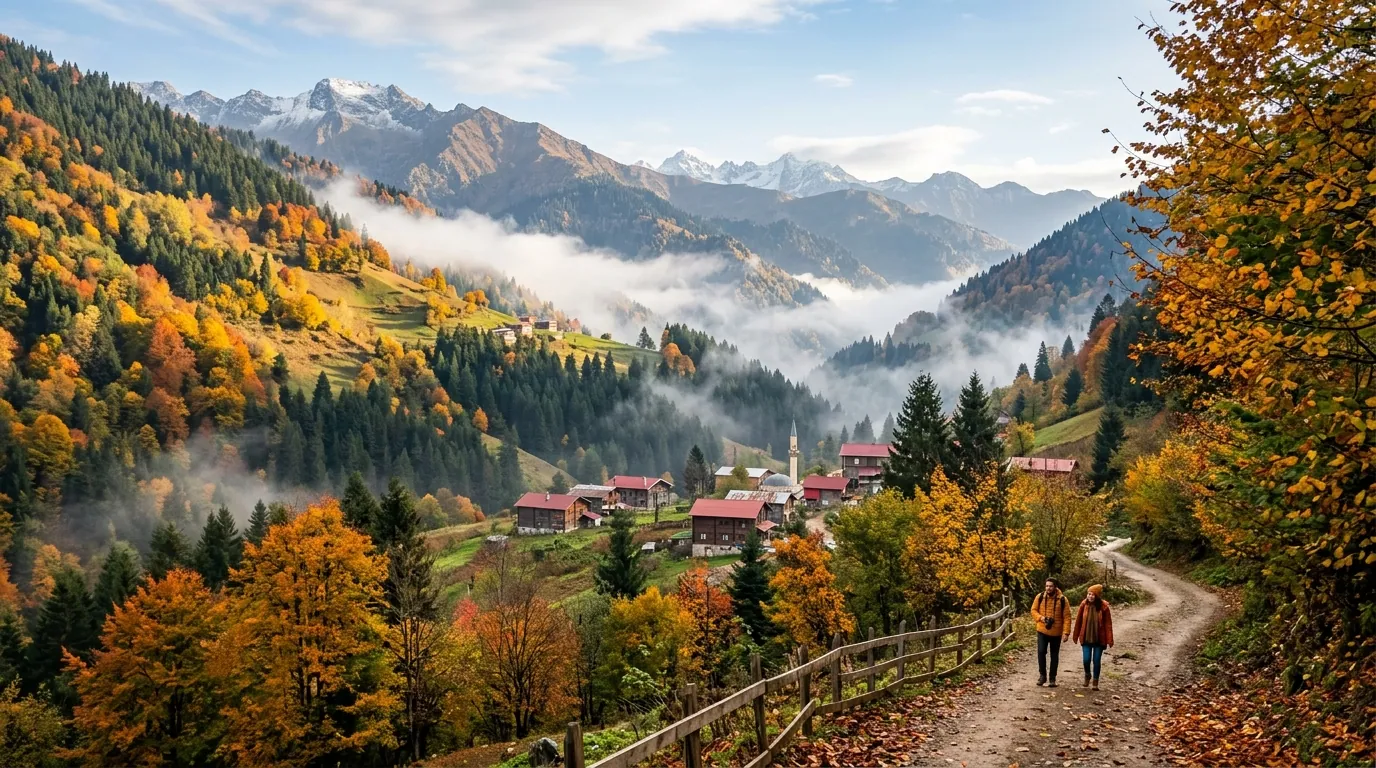
Ayder Turkey weather 2026: monthly averages, rain patterns, best months to visit, and packing tips for Gulf families.
Ready to explore Turkey?
Voyago brings together hotels, tours and transfers to help you plan the perfect trip to Turkey.