
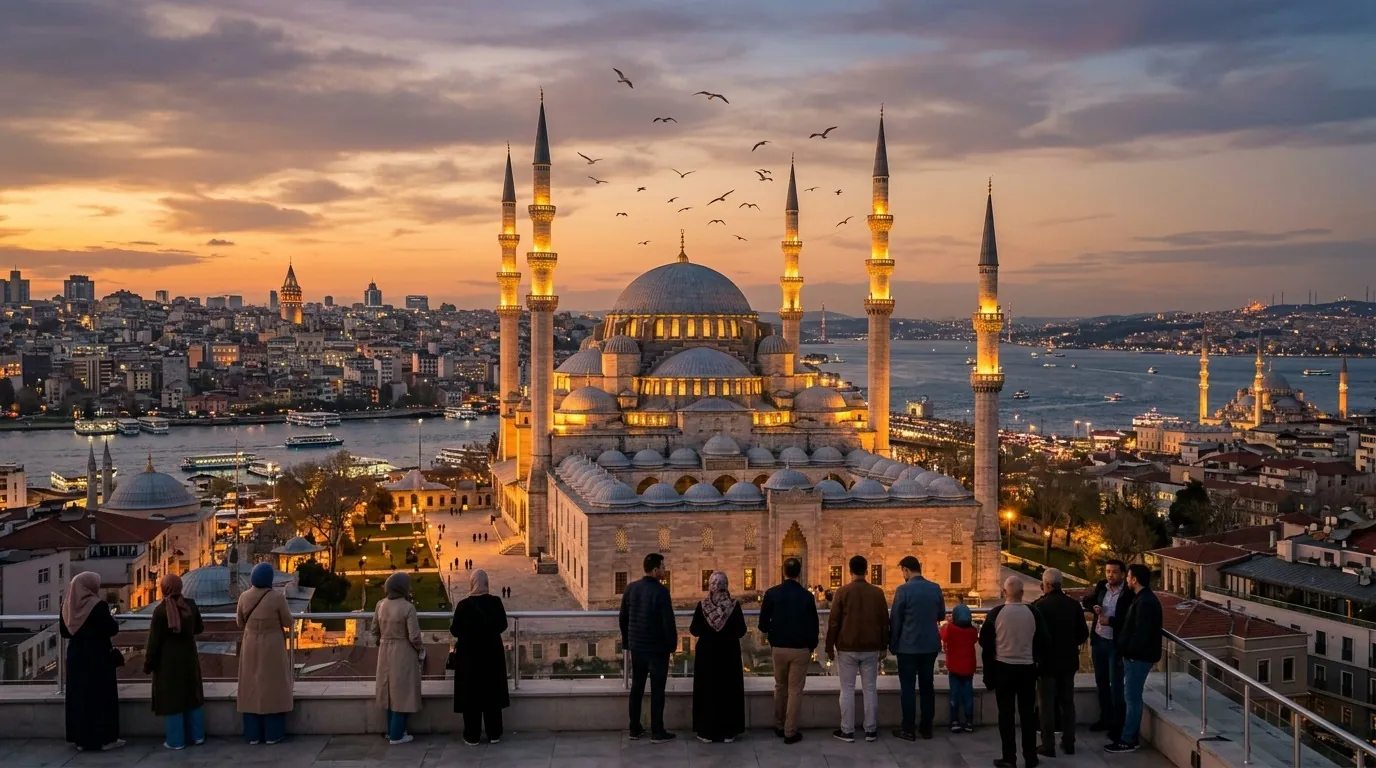
Quick Answer for Gulf Visitors
Is Turkey officially a Muslim country? — It does not define itself religiously; a secular republic since 1923, yet an overwhelming majority of its people are Muslim (over 98 percent in official records), and Islam is visible daily in mosques, the call to prayer, and society.
Will a Muslim traveler find what they need? — Abundantly: mosques in every neighborhood, halal food as the default rather than the exception, the adhan announced openly, Friday prayers as a half-day rhythm, and Ramadan celebrated publicly in every city.
Will a Gulf visitor feel out of place? — No; the country is conservative by nature outside specific nightlife districts of the big cities, modest dress is comfortable, and religious respect is plain in daily dealings.
Turkey and Identity: a Secular State with a Muslim Society
The question sounds simple and the answer is finer than one word. The constitution defines the country as a secular republic since its modern founding in 1923: no state religion, civil laws, and the headscarf — once contested for decades — has been free in universities and public jobs for about two decades. Yet on the ground its society is overwhelmingly Muslim: official records classify over 98 percent of the population as Muslim, the adhan rises from hundreds of thousands of mosques five times daily, and prayer times stamp the rhythm of the day in cities and villages.
The practical takeaway for travelers: Turkey is not a religious state institutionally, but it is a Muslim country in society and culture, with everything that implies — halal food, conservative atmospheres, and open mosques. For deeper context read Turkey population facts and the complete Turkey guide.
Numbers and Faiths: the Religious Map
According to the Turkish Statistical Institute, Muslims form the vast majority, alongside historic Christian minorities (Armenian, Syriac, Greek) and a Jewish community centered in Istanbul, plus Alevi communities within the Islamic frame with their own rites. In the southeast (Mardin, Urfa, Diyarbakir) you find dense Sunni Arab presence and even living Arabic dialects, while the western coast and resort cities are more diverse and relaxed. Practically: every city you visit has mosques ready to receive you, and all tourist regions are used to Gulf visitors and their needs.
Comparison: Turkey vs Gulf Countries in Religious Life
| Criterion | Turkey | Gulf countries |
|---|---|---|
| State religion | none official (secular) | Islam official |
| Legal system | civil codes | Sharia in varying degrees |
| Mosques | hundreds of thousands | dense and modern |
| Public adhan | in every city | everywhere |
| Halal food | the prevailing default | fully the norm |
| Ramadan in public | openly lived | intensely lived |
| Alcohol | sold in licensed outlets | mostly prohibited |
| Modest dress | comfortable and common | the full norm |
The differences exist but pose no shock for Gulf visitors; you meet them in details like alcohol availability in large supermarkets and specific nightlife quarters, not in any lack of religious respect or prayer ease.
Mosques and Prayer: What the Traveler Finds
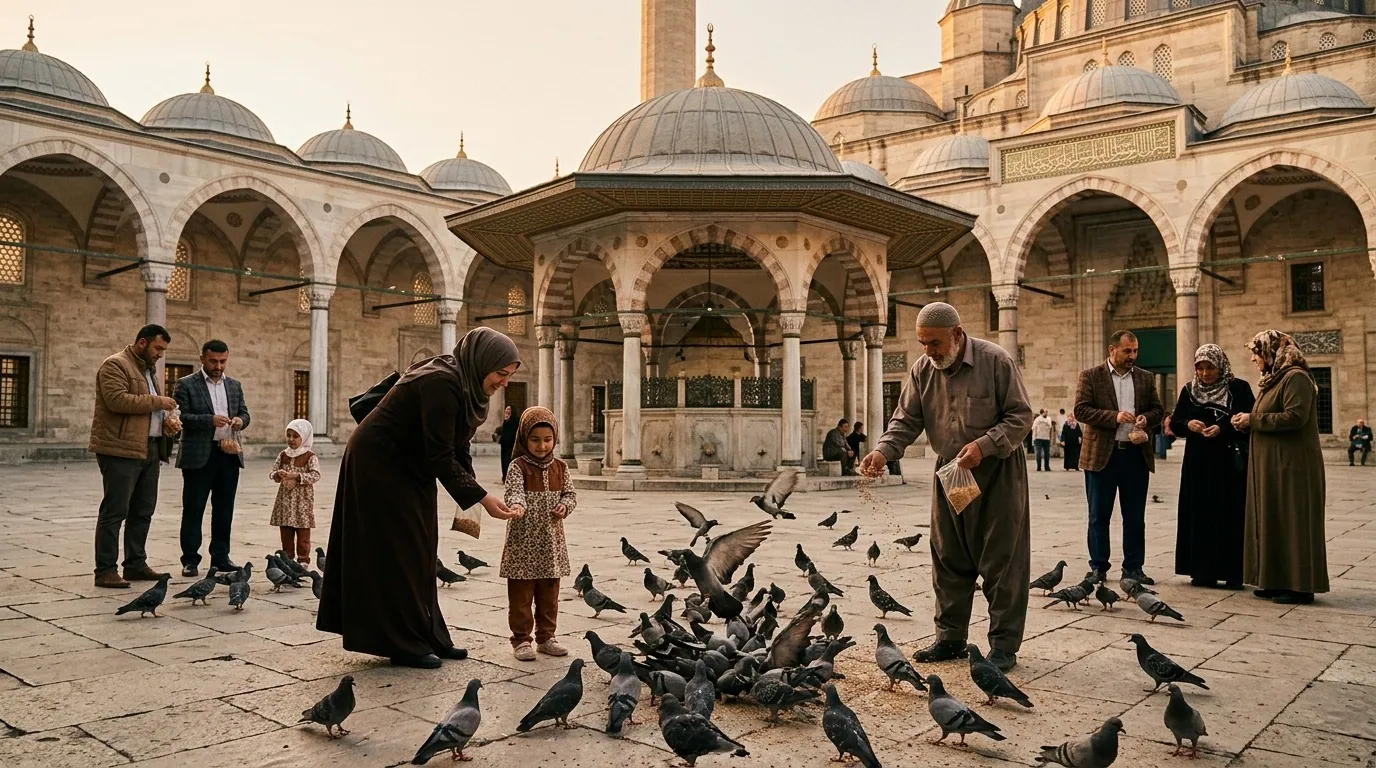
Mosques stand in every neighborhood and alley, in cities, villages, and along highways, most open for the five prayers, air-conditioned and carpeted. The great mosques (Sultanahmet and Suleymaniye in Istanbul, Trabzon's central mosque, Konya's grand complexes) welcome visitors outside prayer times with simple etiquette: modest dress and shoes off, with designated sections for women. You do not need a travel prayer rug inside the country; carpet is always present, apps give the prayer times, and nearly all major hotels have prayer rooms or a marked qibla direction — often a printed arrow in the nightstand.
Halal Food: the Default, Not the Hunt
The situation in Turkey is remarkably easy: practically the entire cuisine is halal by nature, meat is slaughtered Islamically by both custom and regulation, and pork never entered Turkish cuisine — it appears only in certain foreign chains and clearly marked outlets. Even upscale tourist restaurants run on a halal base. The only caveat: some large international hotels in Istanbul and Antalya serve alcohol in their restaurants; anyone concerned can sit in family sections or choose alcohol-free hotels, which are plentiful. Food culture notes appear across every city guide on this site; for restaurants, start with halal food in Turkey and the Istanbul halal restaurant guide.
Ramadan in Turkey: Familiar Gulf Atmospheres
Turkish Ramadan feels very close to the Gulf's spirit: public iftar tables in the squares, the traditional iftar cannon in some cities, fresh bread before sunset, Ramadan series, and bazaars busy until suhoor. Mosques fill for tarawih, especially in Konya, Istanbul, and the southeast. Restaurants in tourist zones stay open during the day out of respect for non-fasting guests, but general life quiets at noon and surges after iftar. Major hotels prepare special iftar and suhoor on request — vital in those years when Gulf summer holidays overlap with Ramadan.
Dress and Customs: What to Wear and How to Act
The golden rule: modest dress is comfortable and accepted everywhere, while extreme exposure draws looks in interior cities even if unremarkable in certain resort strips. Veiled women live completely normally across the country; the headscarf has been free in universities and public employment for years. For your visit: ordinary modest clothing suffices, with a light head covering in the bag useful for mosque entries. Public manners are calm and respectful; tea is offered everywhere, generosity is a rule, and the salaam greeting opens hearts instantly, especially in the countryside and the southeast.
Practical Info for Gulf Visitors
| Item | Details |
|---|---|
| Mosques | in every neighborhood; open for the five prayers |
| Prayer times | on apps; they shift earlier in summer |
| Qibla in hotels | printed arrow in most rooms |
| Food | halal by default across Turkish cuisine |
| Ramadan | public and easy; hotels cooperate |
| Friday | half-day pause; streets revive after prayers |
| Dress | modest and comfortable everywhere |
| Nightlife districts | exist in big cities and are easy to avoid |
| Pork | rare, only in clearly marked foreign chains |
| Insurance and travel | details in travel tips |
Places Where Turkish Islamic Identity Concentrates
If your trip follows the Islamic thread, start with Istanbul: Sultanahmet, Suleymaniye, Hagia Sophia (a mosque today), and the shrine of Abu Ayyub al-Ansari. Then Konya: the city of Mevlana Rumi with his shrine and museum of Sufi heritage. Then the southeast: Urfa, the city of Abraham, and Mardin with its Arabic-flavored mosques. Trabzon and Cappadocia hold beautiful Ottoman mosques amid the very tourist sights — religious identity is not separate from tourism here but one fabric, as you can see in the Cappadocia guide and the Ankara capital guide.
Questions Gulf Travelers Ask Before Booking
Will I find an Arabic-speaking imam? In big cities yes, and across the southeast frequently; in villages, gestures and a smile cover the basics. Are there Arabic khutbas? In expatriate mosques of Istanbul, Antalya, and Trabzon, full Arabic services run regularly. Can I fast Mondays and Thursdays while traveling? Easily; hotels prepare early suhoor on request. Do airports sell Qurans and prayer beads? Yes, Turkish airport bookshops keep a permanent Islamic corner.
The Ottoman Legacy in Architecture and Museums
Islam in Turkey is not only a practice but a permanent visual scene: Ottoman domes and minarets draw the skyline of nearly every city, from Mimar Sinan's Suleymaniye in Istanbul to the living neighborhood mosques of Trabzon, Amasya, and Konya. The museums themselves preserve manuscripts, carpets, oil lamps, and illuminated Qurans; Topkapi Palace displays sacred relics and mantles, and the Mevlana museum in Konya condenses the whole Sufi tradition into one building. Even the spice bazaars and grand covered markets were originally endowed foundations feeding the neighboring mosques — shopping itself walks inside living Islamic architectural history.
Minorities and Coexistence: Context Worth Knowing
Alongside the dominant Islamic identity, religious minorities lived on this land for centuries: Armenians of Istanbul and Antalya, the Syriacs of Mardin and Midyat with their living churches today, and Sephardic Jewish communities of the Bosphorus towns. Gulf visitors touch this coexistence most directly in the southeast, where monastery and mosque share the same hill in a single frame that explains the whole country. Respecting this fabric is part of visit etiquette: both mosques and churches receive guests quietly, and sacred sites are visited with modest dress, low voices, and photographs without mockery.
Prayer Times Across Cities: the Time Difference
| City | July fajr (approx) | July maghrib (approx) | Note |
|---|---|---|---|
| Istanbul (west) | 3:40 | 20:30 | very long summer days |
| Ankara (center) | 3:30 | 20:15 | minutes off Istanbul |
| Trabzon (east) | 3:20 | 20:00 | twenty minutes earlier than the west |
| Urfa and Mardin (southeast) | 3:25 | 19:50 | hotter, shorter-feeling nights |
Differences between cities run from a few minutes to twenty; the practical rule is one: follow a prayer-time app set to your current location, since combining cities in a single day — as on Black Sea routes — calls for attention to dhuhr and asr in particular.
Tips for Families with Children in a Mixed Setting
Gulf families with small children find Turkey easy: restaurants are all family-style, hotel pools offer separated sections or women's hours, and public parks are safe and clean. Mind three details: some Antalya and Bodrum beaches are mixed with liberal swimwear, so choose designated family beaches or hotel beach sections; street cafes in certain big-city zones may serve shisha and late noise, so ask for hotels in quiet residential districts; and tea and sweets are offered to children everywhere with warmth, so expect — and enjoy — the extra hospitality.
FAQ (12 Questions)
- Is Turkey officially an Islamic state? — No; its constitution is secular with no state religion, yet over 98 percent of the population is Muslim and daily life carries an Islamic character.
- Are the laws civil or religious? — Civil almost entirely; marriage is civil before the state and family matters sit before civil courts.
- Is halal food hard to find? — Not at all; Turkish cuisine is halal at its root and pork is nearly absent except in clearly marked foreign outlets.
- Is the headscarf free there? — Completely free in universities, jobs, and everywhere, for more than two decades.
- How does society receive Ramadan? — Openly and enthusiastically; communal tables, adhan, packed tarawih prayers, and markets alive until suhoor.
- Are mosques open to non-Turkish visitors? — Yes, with modest dress, shoes off, and visits outside prayer times.
- Are there areas where commitment is difficult? — Only specific nightlife districts of major cities; choosing accommodation away from them is effortless.
- Is alcohol widespread in restaurants? — Available in international hotels and some tourist spots; the vast majority of restaurants are free of it and family sections exist.
- Which city has the strongest Islamic atmosphere? — Konya for the Sufi character, Urfa and Mardin for the Arab-Islamic feel, Istanbul for the grand historic mosques.
- Can I visit with my conservative family confidently? — Yes; thousands of Gulf families do so yearly across Trabzon, Ordu, Rize, Istanbul, and Antalya.
- Do Turkish baths have women's sections? — Yes; historic hammams run full women's hours or dedicated days, and hotel spas offer private in-suite baths.
- Is the fajr adhan announced fully in cities? — Yes, in virtually every city and village, broadcast over speakers by law and custom.
Conclusion
Turkey is not an Islamic state by constitutional definition, but it is a Muslim country in society and culture: abundant mosques, inherently halal food, an openly lived Ramadan, and comfortable modesty. For Gulf visitors it is among the easiest destinations in spirit — museums, mountains, and bazaars brushing shoulders with grand mosques in a single frame. Prepare your religious and practical questions from this page, and set out reassured.
Sources
Related travel guides
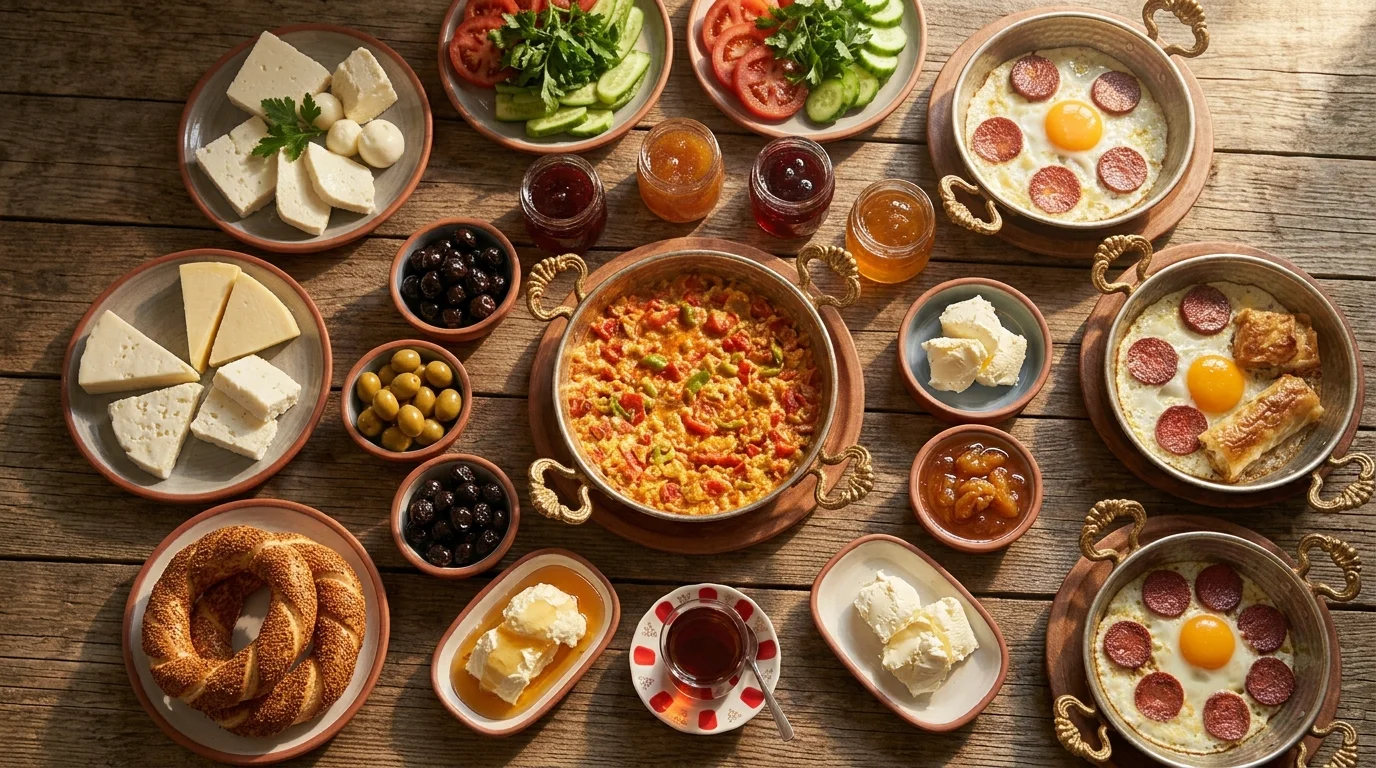
Restaurant meat in Istanbul is halal by default; alcohol is the real question. 12 family-friendly picks for kebab, fish and Ottoman food, from 150 lira.
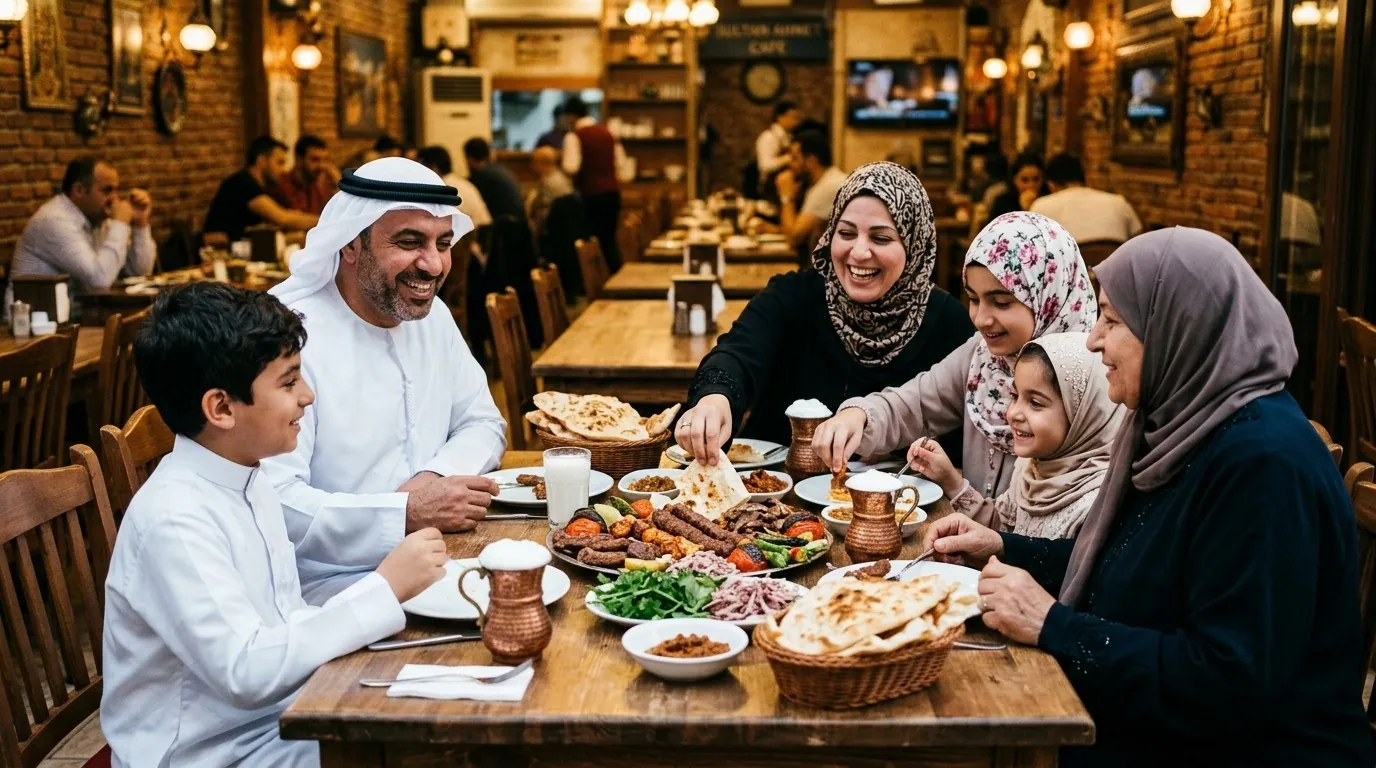
Mostly yes: restaurant meat in Turkey is halal-slaughtered by default. The one exception to watch, the question to ask, and the best halal food by city.
Turkey became 'Türkiye' at the UN in June 2022: the word's Anatolian origins, past names of the land, and whether it changes your ticket or passport.
Ready to explore Turkey?
Voyago brings together airport transfers, guided tours and car rental to help you plan the perfect trip to Turkey.