
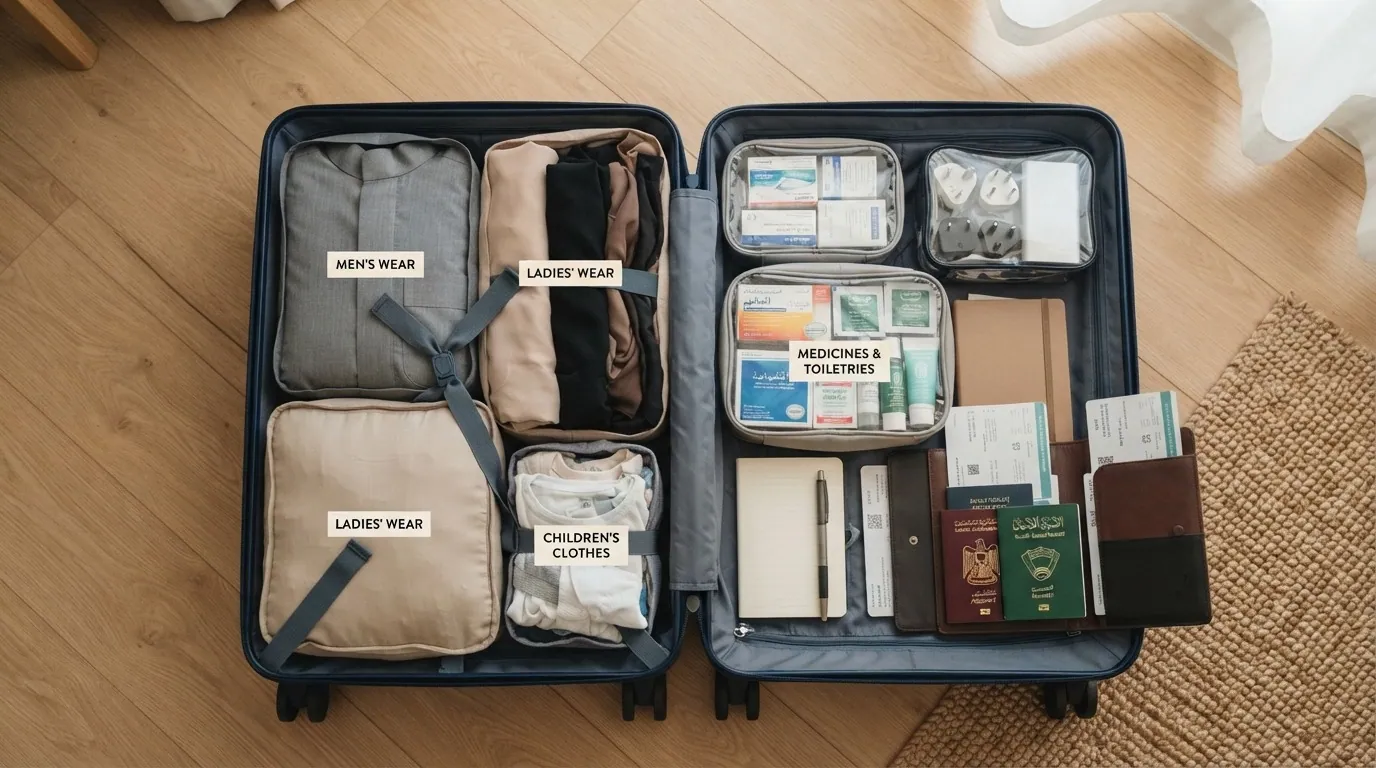
Quick Answer for Gulf Visitors
What is the single most important tip before traveling to Turkey? Choose one or two cities only and keep your hotel central — proximity to the sights saves more time and money than any discounted booking. Then arrange airport transfer in advance.
What is the biggest mistake Gulf visitors make? Overloading the program: three cities in a week means airports and zero rest. Mistake number two: exchanging all your money at the airport at the worst rate.
Do I need special preparation? An e-visa for some nationalities (minutes), an eSIM, and three apps: maps, translation, and prayer times. That is practically all.
Why This List Exists
Turkey is one of the easiest destinations for Gulf travelers: close, with no time difference, halal food by default, and locals used to Arab guests. But "easy" does not mean "detail-free" — inflation moves prices monthly, seasons swing hotel rates, and some local customs (bargaining, tipping) differ from ours. Here are 15 field-tested tips across three phases — before booking, on arrival, and in daily life — followed by five common mistakes we watch repeat every season. Follow them and you will save yourself hours of confusion and hundreds of lira.
Before Booking: 5 Foundational Tips
1. Pick the timing before the destination. May–June and September–October are the sweet spot: mild weather and lower prices than the July–August peak. November–March is up to 50% cheaper but cold and wet in the north. Season details in the best time to visit guide.
2. A central 3-star beats a distant 5-star. In Istanbul stay between Sultanahmet and Beyazit or around Taksim; in Trabzon near Meydan; in Cappadocia inside Goreme. Every kilometer you move out, you pay back in time and taxis. Browse hotel options and check the location on the map before the price.
3. Arrange the visa yourself. GCC nationalities enter visa-free for up to 90 days in any 180-day period; eligible other nationalities get an e-visa via evisa.gov.tr in minutes, at lower fees than middlemen — updated details in the visa guide.
4. Book domestic flights early. If your plan is Istanbul + Cappadocia or + Trabzon, early booking can halve the fare. Book a morning flight too: it absorbs delays and gives you a full day.
5. Cheap travel insurance saves you dearly. It costs a token and covers the tourist clinics that otherwise want cash. Add scanned copies of the family's passports to your email.
On Arrival: 5 Tips That Rescue Day One
6. Pre-book a private airport transfer. Taxi queues after a night flight with children are unforgettable — for the wrong reasons. A private transfer has a fixed price and a driver waiting with your name sign; for a family, one large car beats two taxis.
7. SIM card: eSIM or the airport kiosk. Turkcell, Vodafone or Mobile — a tourist bundle of 10–20 GB covers the week. eSIM is cheaper if your phone supports it; buy it before you fly.
8. Exchange the minimum at the airport. Airport rates are always the weakest. Change just enough for day one, then use licensed exchange offices downtown (Beyazit in Istanbul, for example). More in the Turkish lira guide.
9. Buy the transit card immediately. The Istanbulkart from an airport kiosk or any metro station works on metro, tram, bus and ferry, and saves you the per-ride math. The metro from both Istanbul airports accepts it directly.
10. Make arrival day a light day. Do not schedule sights on day one; a proper sleep, a walk around the neighborhood, an early dinner. Day one is for acclimatizing, not achieving.
In Daily Life: 5 Golden Tips
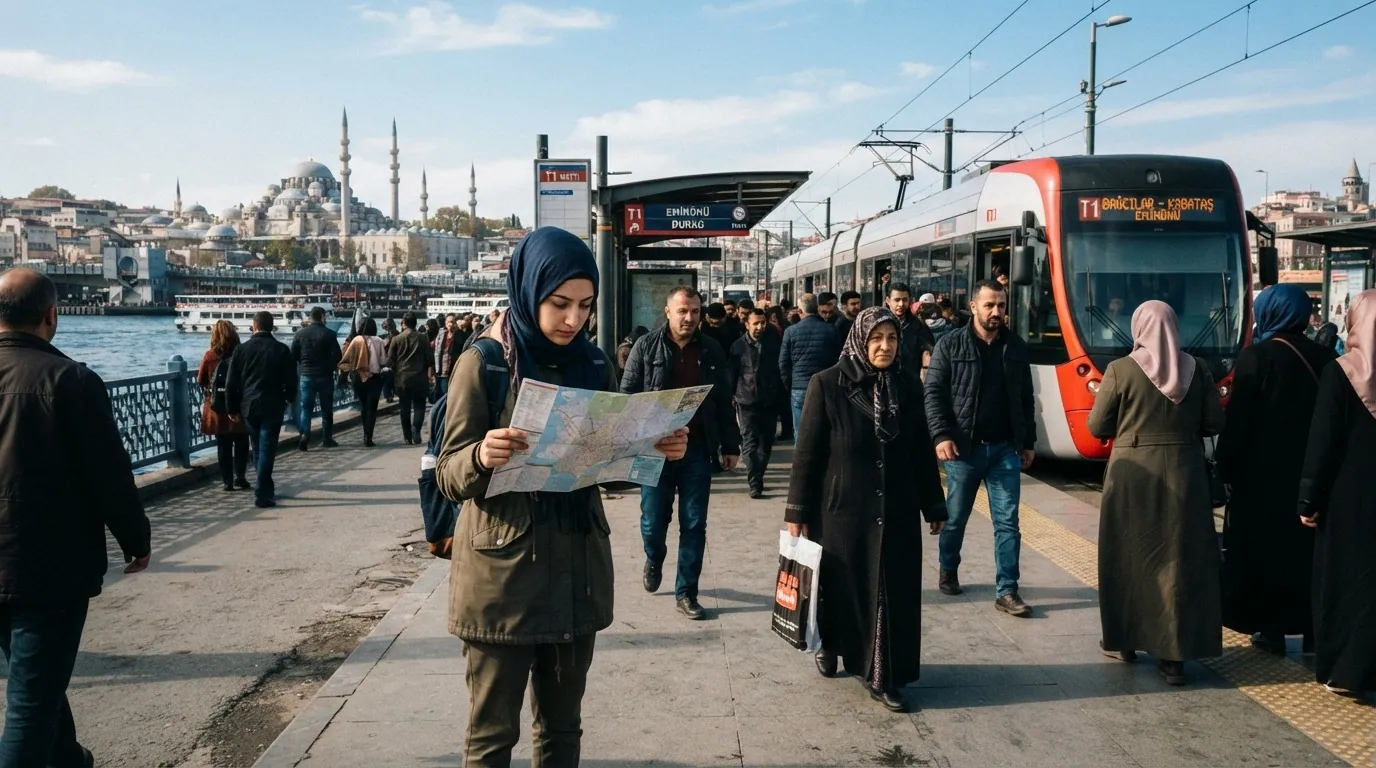
11. Halal food is the default — but ask in very touristy strips. Neighborhood restaurants are halal by assumption; in the wine-serving streets (Beyoglu/Nisantasi) the picture changes. Look for a halal sign or simply ask — "is the food halal?" is perfectly understood.
12. Bargaining is expected in the bazaar, impossible in malls. Start at half the quoted price in the Grand Bazaar and smile; sellers expect it and enjoy it. Malls and fixed shops have final prices.
13. Dress in layers, always. Even in summer, Istanbul evenings and the highlands run cool (16–20°C). For mosque visits: head covers for women are available at entrances, and modest dress for everyone. The detailed Turkey clothing guide covers every season.
14. Watch the weather daily. Especially in the north (Trabzon and Uzungol): rain arrives unannounced and can close plateau roads. The official source is MGM; global weather apps are generally accurate in major cities.
15. Learn ten Turkish words. "Hello / thank you / how much? / halal? / the bill" — five phrases open doors and soften prices. Turks love the attempt, and a warm "cok yasa" works magic.
Common Mistakes to Avoid
| Mistake | The fix |
|---|---|
| Stuffing 3 cities into a week | Two cities maximum; see the 5-day plan |
| A distant hotel "for the price gap" | The gap dissolves into daily taxis |
| Exchanging everything at the airport | A little there, the rest downtown |
| Relying on taxis only | Metro and tram beat rush-hour traffic and cost less |
| Leaving the balloon ride unbooked | Sunrise baskets sell out before the season |
| Traveling without a daily budget | Set a daily spending cap from the costs guide |
Practical Info for Gulf Visitors
| Item | Detail |
|---|---|
| Time zone | GMT+3 (exactly like Saudi Arabia) |
| Currency | Lira; check the live rate daily (it moves often) |
| Electricity | 220V, European two-pin plug |
| Emergencies | 112 (police/ambulance/fire) |
| Language | Turkish; English common in tourism, Arabic in major hotels |
| Internet | Free in malls and hotels; eSIM for everywhere else |
| Friday | Old bazaars quiet down around midday |
By Budget: What Does a Family Spend per Day?
The figures below are realistic 2026 ranges for a Gulf family of four in Istanbul or Trabzon — they inflate in the summer peak and soften off-season:
| Expense | Budget | Mid-range | Comfortable |
|---|---|---|---|
| Hotel per night | 2,000-4,000 TRY | 5,000-10,000 TRY | 12,000-30,000 TRY |
| Meals per person/day | 300-500 TRY | 600-1,000 TRY | 1,500-3,000 TRY |
| Local transport | 100-200 TRY | 300-600 TRY | 1,500-3,000 TRY with driver |
| Tours and activities | 500-1,500 TRY | 2,000-4,000 TRY | 5,000-10,000 TRY |
The full table in dollars and riyals lives in the Turkey travel costs guide; compare hotels and tours yourself before booking — the gap between two neighboring locations can reach a third of the price. Also note the city split: in Trabzon and Ayder the same tiers run 20-30% below Istanbul, and midweek Sunday-to-Thursday nights often unlock discounts of up to a quarter at resort hotels.
Comparison: Havaist Bus vs Metro vs Private Transfer from Istanbul Airport
| Option | Approximate cost | Time to Taksim | Best for |
|---|---|---|---|
| Havaist bus | 130-200 TRY per person | 60-90 min | solo travelers with light bags |
| M11 then M2 metro | 80-120 TRY per person | 60-75 min | daytime light travelers |
| Private transfer | 1,500-2,500 TRY per car | 45-60 min | families and night arrivals |
| Taxi | 1,200-2,000 TRY | 45-70 min in traffic | emergencies only |
Family math settles the debate: four Havaist seats approach 800 TRY once you add waiting and luggage hauling, while a fixed-price private transfer meets you in arrivals and ends the story — at that point the private option is an economic decision, not a luxury. The metro remains the cheapest choice for individuals traveling by day.
Quick Comparison: Airport SIM vs eSIM
| Option | Approximate price | Advantage | Drawback |
|---|---|---|---|
| eSIM bought before flying | 80-150 SAR | works the moment you land | needs a recent phone |
| Airport kiosk | roughly 200-300 SAR | local Turkish number | queues and doubled prices |
| Gulf carrier roaming | varies | zero setup | priciest over long use |
If your phone is a recent model, buy an eSIM before flying and halve your connectivity budget, keeping your home SIM roaming as an emergency backup. Istanbul airports also offer free terminal Wi-Fi, enough to arrange your first ride to the hotel before activating any SIM.
When Should You Postpone Your Trip?
Three windows deserve a second thought before booking tickets: the August peak with its heat, crowds and top prices; major Turkish public holidays, when inland hotels fill and tour prices jump; and late March in the north, where rain flips plateau programs upside down. If school holidays pin your dates, aim for the last two weeks of August, after Turkish families return home — the weather is at its best and the crowds visibly thinner. Full seasonal detail in the best time to visit guide.
Small Scams and Street-Smart Warnings
- The dropped shoe brush: if a shoe-shiner waves a fallen brush at you, do not pick it up; gratitude converts into an overpriced shine you never asked for.
- Seafood menus: in Bosphorus fish restaurants confirm the per-kilo price of the catch before ordering; verbally quoted prices and final bills sometimes drift apart.
- The taxi meter: always ask for the meter; if the driver refuses, step out and take the next cab. Ride-hailing apps such as Uber and BiTaksi remove the negotiation entirely.
- ATMs: use machines inside bank branches rather than isolated street units, and always decline the terminal's offer to charge you in your home currency — paying in lira is cheaper than dynamic currency conversion.
With Kids: Field Tips
- Strollers: metro stations and malls are easy, but the cobblestones and stairs of Sultanahmet fight back — a front baby carrier beats a stroller in the Old City.
- Tickets: children under 6 usually ride the metro, tram and ferry for free, and museum discounts commonly cover under-12s.
- Play zones: one hour in a mall play area (Cevahir, Mall of Istanbul) after a long sightseeing morning buys you a quiet hour of shopping — a fair trade in the August heat.
- Minor health: pack basic fever and cold medicine; pharmacies (marked with a red cross) sit on every commercial street.
Turkish Phrases That Save the Day
| English | Turkish | Pronunciation |
|---|---|---|
| How much? | Ne kadar? | neh ka-dar |
| Is it halal? | Helal mi? | he-lal mee |
| The bill, please | Hesap lutfen | he-sap loot-fen |
| Thank you | Tesekkurler | te-shek-kur-ler |
| No, thank you | Hayir tesekkurler | ha-yir te-shek-kur-ler |
| Where is the mosque? | Cami nerede? | ja-mee ne-re-de |
Turkish is written almost exactly as it sounds, so a small table like this carries you through a full day without a translator — and the attempt itself warms every interaction.
Health and Pharmacies
- Pharmacies open until 19:00-22:00 in every district; each area runs one on-duty pharmacy for nights and Sundays, and its address is posted on every pharmacy door.
- Painkillers, cold remedies and stomach medication are sold without a prescription; antibiotics are not.
- A private clinic visit for tourists costs roughly 1,500-3,000 lira and expects payment on the spot — exactly what travel insurance reimburses, so keep every receipt.
- Tap water is treated, but the local and visitor habit is bottled water, which costs pennies in supermarkets.
A Word on Safety
Violent crime against tourists is very rare in Turkey; the realistic risks are crowds, heat and traffic. Keep bags zipped in busy bazaars, cross at marked crossings, and do not let children wander the bazaar aisles alone — the level of alertness required is no higher than in any large Arab capital.
FAQ (12 Questions)
- Do I need a visa for Turkey? GCC nationalities: no, for up to 90 days in any 180-day period; other passports vary — see the visa guide.
- Best apps for the trip? Google Maps, Google Translate (point it at menus!), prayer times, and the city transit app.
- Is tap water drinkable? Treated and safe, but the local and visitor habit is bottled water — very cheap in supermarkets.
- How much should I tip? Optional; rounding up the bill at simple restaurants and 5–10% at fine ones is enough.
- Is English enough? In tourist areas yes; ten Turkish words double the warmth.
- Are the bazaars safe? Yes, and pickpocketing is rare — standard crowd awareness applies.
- What should I buy in Turkey? Chocolate and nuts, prayer beads and textiles, perfumes and oud — and the bazaar for souvenirs.
- Can I pay in riyals directly? Practically no; cards and lira. A few Arab-district shops accept them at punishing rates.
- Turkish coffee and tea — how much? Tea 30–60 lira and coffee 80–150 in local cafes; a tempting daily ritual.
- Do restaurants open for suhoor in Ramadan? Some in tourist areas do, and hotels arrange suhoor — Ramadan details shift year to year.
- Should I rent a car? Not inside Istanbul; in the northern and coastal routes yes — with a driver if possible, as mountain roads take experience.
- What if I get lost? Ask at the nearest cafe — the Turkish cafe is the neighborhood's information desk, and the young staff usually speak English.
Conclusion
Turkey rewards one hour of preparation: a self-arranged visa, a booked transfer, a transit card, and two cities instead of five — plus layered clothing and a smiling bargain. The fifteen tips above distill dozens of successful Gulf trips; apply the core ones (timing, central hotel, pre-booked transfer) and you will dodge 90% of the trip's pitfalls and come home with the best of memories.
Sources
Related travel guides
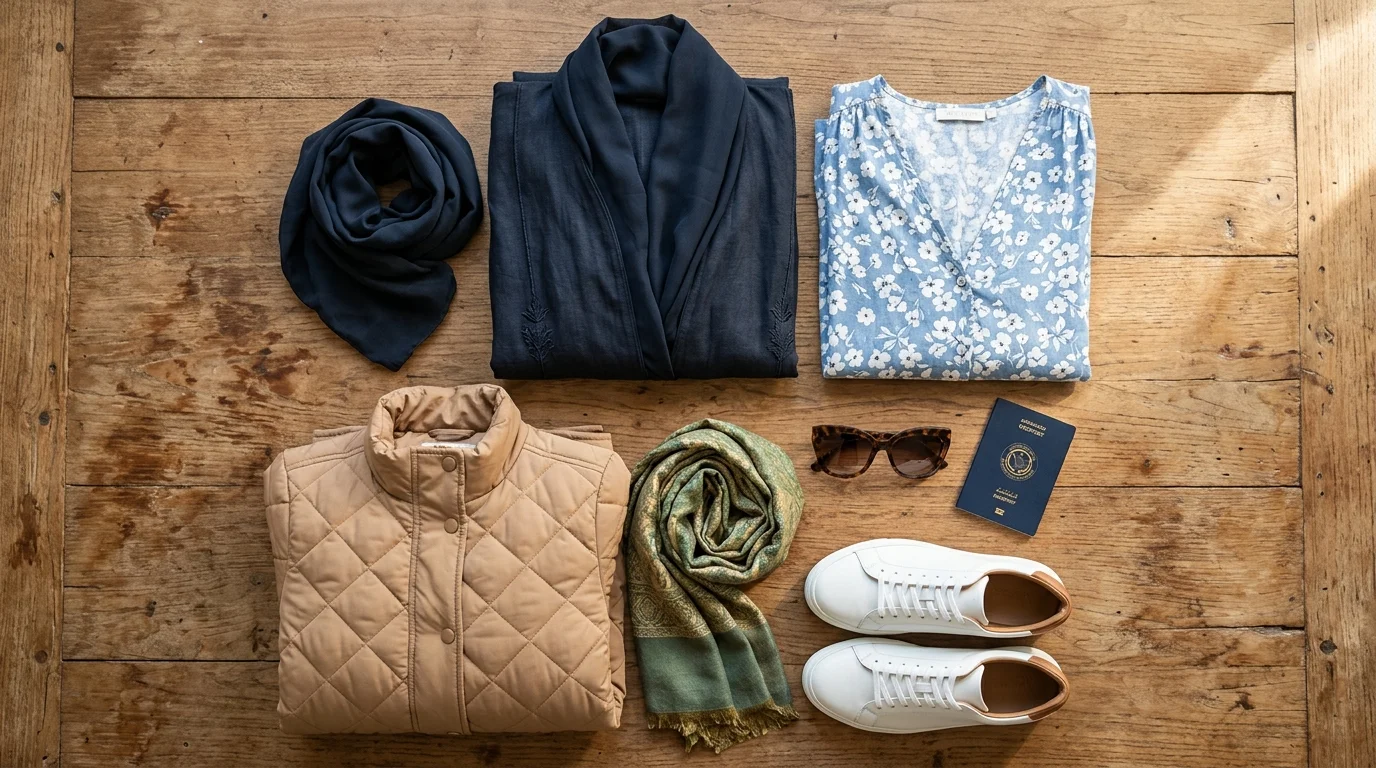
What to wear in Turkey in 2026: seasonal outfits for Istanbul, Antalya, Cappadocia and Trabzon, plus modest wear, mosque rules and beachwear for Gulf families.
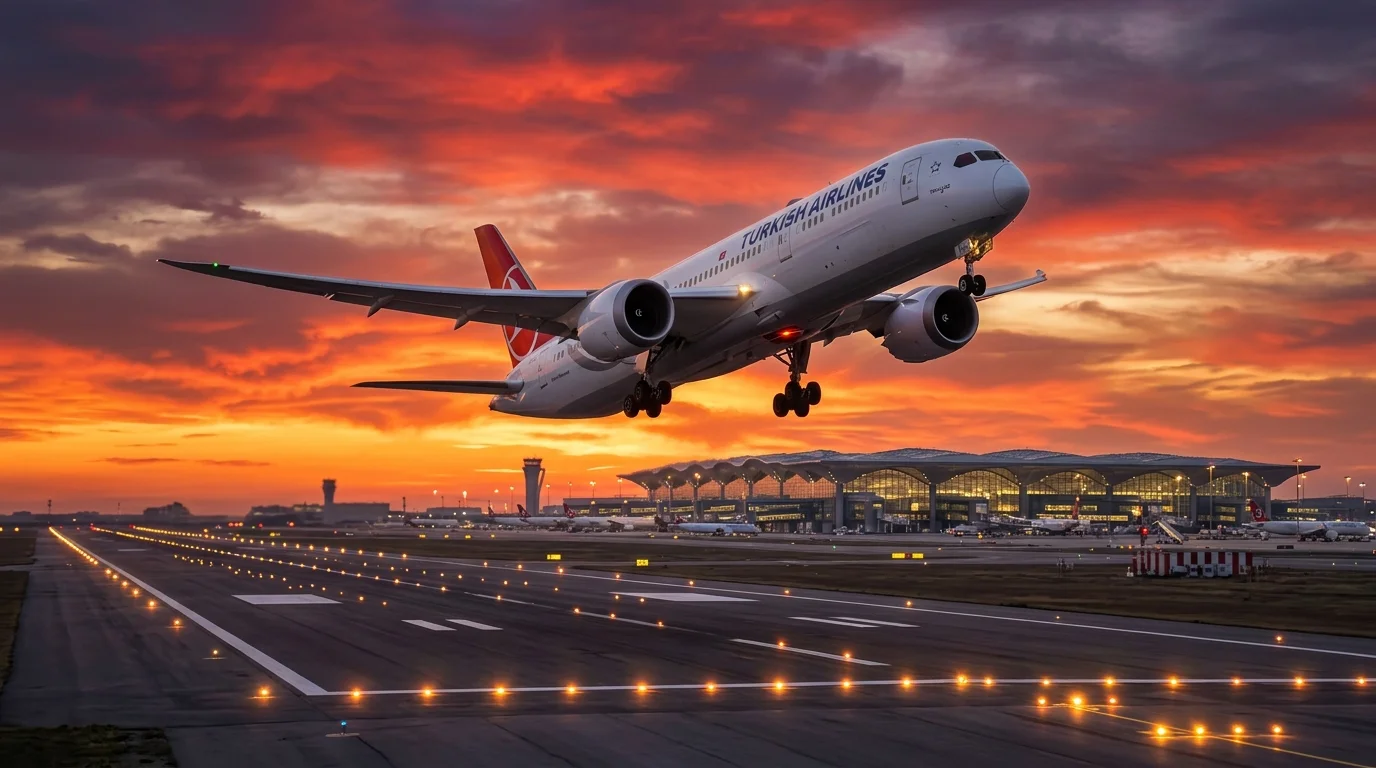
Complete 2026 THY guide for Gulf travellers: direct routes from Riyadh, Jeddah, Dubai, Doha and Kuwait, baggage rules, stopover programme and family booking tips.
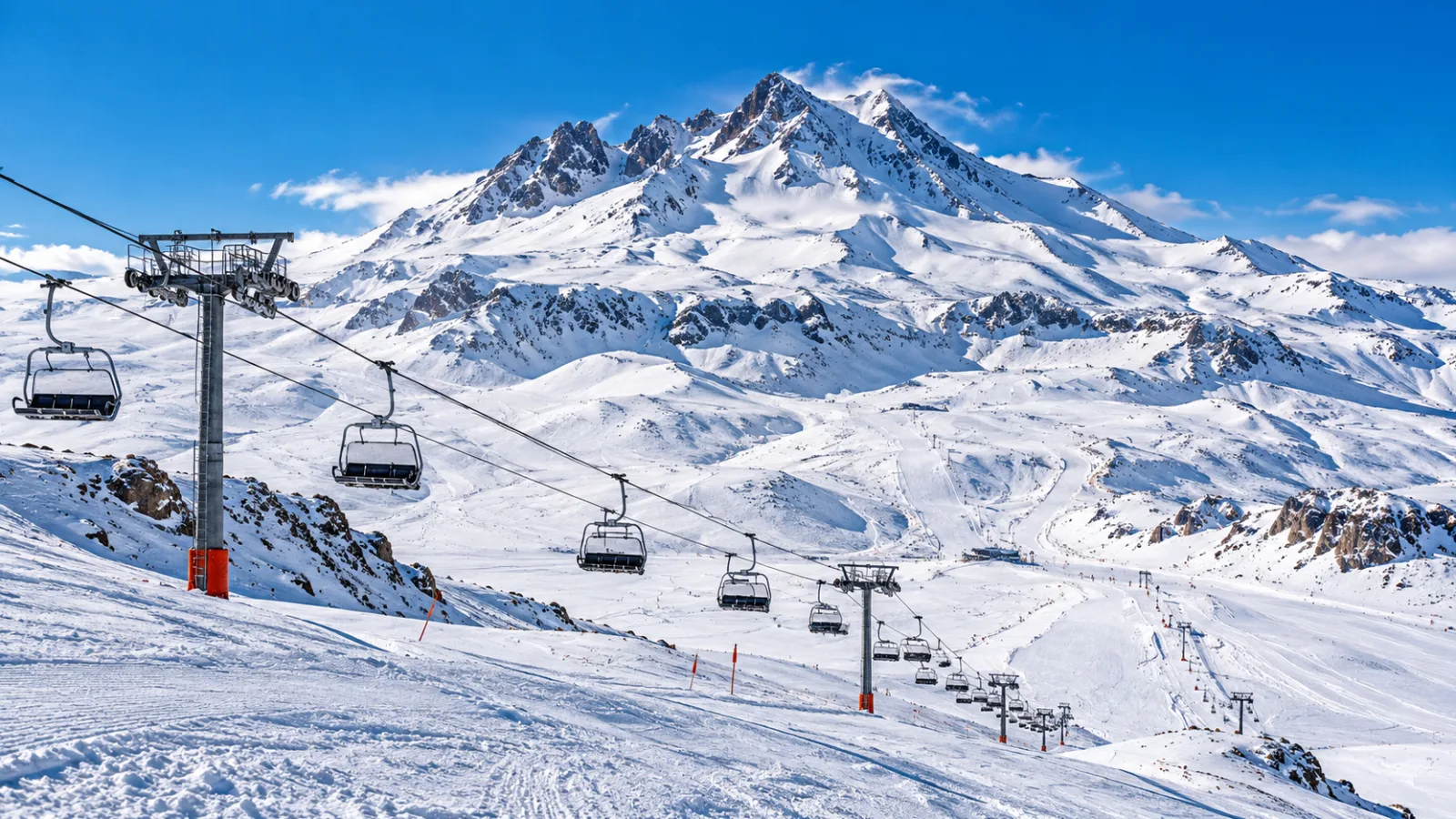
Erciyes is one of Turkey's biggest and highest ski areas, near Kayseri and within reach of Cappadocia — season timing, elevation and what to expect.
Ready to explore Turkey?
Voyago brings together airport transfers, guided tours and car rental to help you plan the perfect trip to Turkey.