
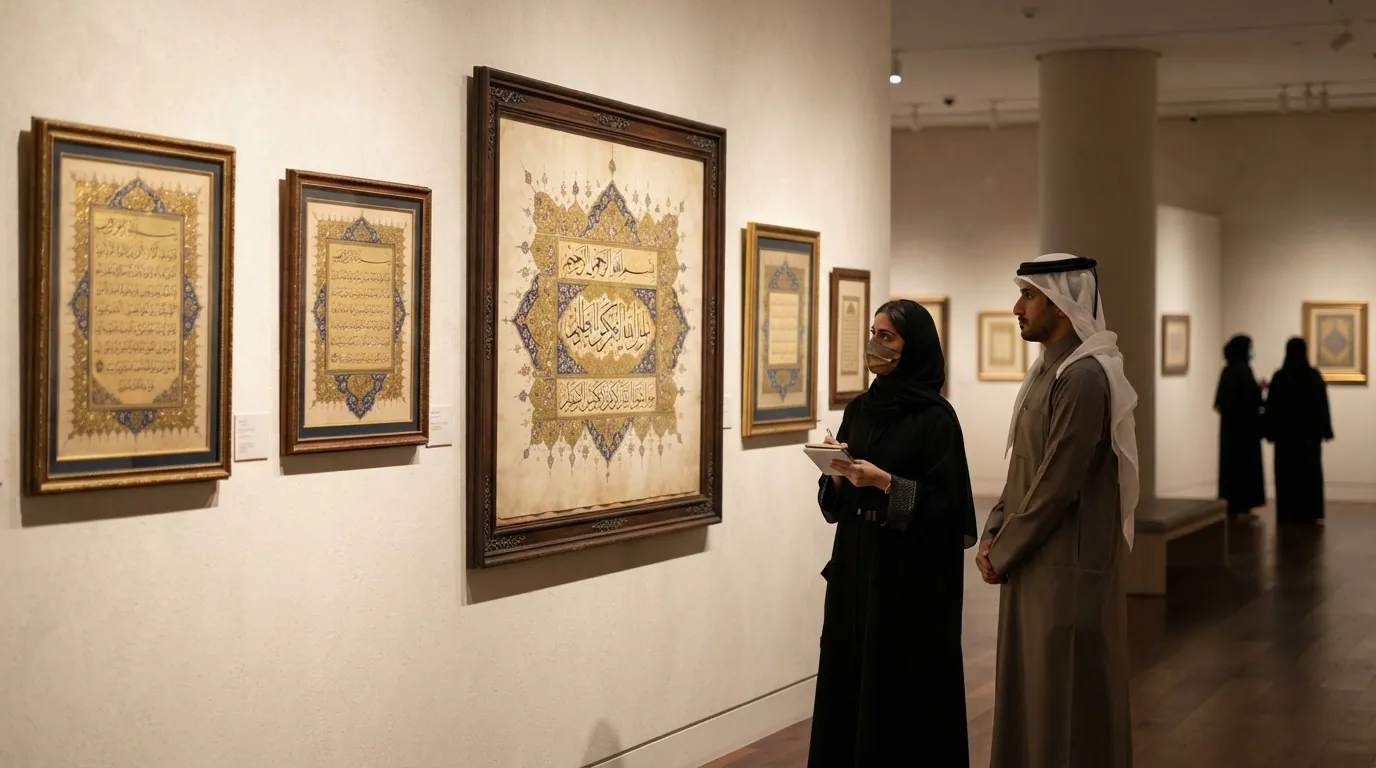
Quick Answer for Gulf Visitors
Why do Gulf visitors care about Turkish names? Because you will find them on hotel and cafe signs, in the signatures of tour guides and drivers, and on street and neighborhood plates. A name reveals origin, culture and personality.
Are they all Islamic? Most are Arabic or Persian in origin, entering Ottoman Turkish, with many purely Turkish names whose meanings rhyme with Arabic.
Which names will you meet most often? For guides: Mehmet, Ahmet, Ali, Yusuf, Fatma, Zeynep. For places: Sultan, Badr, Nur, Omar. You will find them in every city.
The Origins of Turkish Names: Arabic, Persian, Ancient Turkish
Turkish names blend three main streams: Arabic and Islamic names that came with the Ottoman conquest, Persian from the Ottoman court, and ancient Turkish from pre-Islamic Anatolia. Each added a layer of meaning: Arabic brought the religious and spiritual, Persian added poetry and gentleness, ancient Turkish preserved nature and strength. Today the average Turk picks a name from this mix without distinction, so you can hear an Arabic name in a child in Kadikoy and an ancient Turkish one in Konya.
40 Beautiful Boy Names and Their Meanings
| Name | Origin | Meaning |
|---|---|---|
| Ahmet | Arabic | Most praised, from hamd |
| Mehmet | Arabic | The glorified, name of the Prophet |
| Ali | Arabic | The high, the noble |
| Yusuf | Arabic | God increases |
| Omar | Arabic | The long-lived, the second caliph |
| Khaled | Arabic | The eternal, the lasting |
| Sultan | Arabic | Sultan, ruler |
| Murad | Arabic | The desired |
| Arslan | Turkish | The lion |
| Berat | Turkish | The blessing |
| Kaan | Turkish | The ruling prince |
| Ilkay | Turkish | New moon |
| Emre | Arabic/Turkish | Emir |
| Osman | Arabic | founder of the Ottoman dynasty |
| Tuncay | Turkish | Born at dawn |
| Deniz | Turkish | The sea |
| Erkan | Turkish | The army |
| Isik | Turkish | The inner light |
| Badr | Arabic | The full moon |
| Farid | Arabic | The unique, the distinguished |
| Mazen | Arabic | The gazelle |
| Raid | Arabic | The pioneer, the leader |
| Tuncai | Turkish | The eaglet |
| Baris | Turkish | Peace, reconciliation |
| Samed | Arabic | The self-sufficient |
| Alper | Turkish | The hero |
| Yamur | Turkish | The rain |
| Dogan | Turkish | The falcon |
| Sinan | Arabic | Spearhead, the Ottoman architect's name |
| Hakan | Turkish | The strong ruler |
| Anwar | Arabic | The radiant |
| Ilker | Turkish | The advance |
| Ugur | Turkish | The gifted |
| Yigit | Turkish | The brave |
| Sezgin | Turkish | The one you love |
| Can | Persian/Turkish | The soul, beloved |
| Yalgin | Turkish | The warrior |
| Tufan | Arabic/Turkish | The flood |
| Janer | Turkish | My brother, friend |
| Doruk | Turkish | The peak, summit |
40 Beautiful Girl Names and Their Meanings
| Name | Origin | Meaning |
|---|---|---|
| Fatma | Arabic | The one who weans from falsehood |
| Zeynep | Arabic | Fragrant tree |
| Maryam | Arabic/Hebrew | Our Lady Mary |
| Aisha | Arabic | Living, the Prophet's wife |
| Khadija | Arabic | Eloquent, early-born |
| Nur | Arabic | The light |
| Ilknur | Turkish | First morning light |
| Zehra | Arabic | The flower |
| Leyla | Arabic | Night, the poet's name |
| Shirin | Persian | The sweet, honey |
| Lale | Persian | The poppy |
| Suzan | Persian | The lily |
| Sara | Hebrew/Aramaic | The princess |
| Elif | Turkish | The first letter of the Turkish alphabet |
| Ayla | Turkish | The crescent |
| Bergul | Turkish | Like the moon |
| Melek | Arabic | The angel |
| Amal | Arabic | The hope |
| Yasmin | Persian | Jasmine |
| Reyhan | Arabic | Basil |
| Defne | Turkish | Nature (laurel) |
| Esber | Persian | Narcissus |
| Hazal | Arabic | Autumn |
| Bahar | Persian | Spring |
| Irem | Turkish | Precious, rare |
| Gul | Persian | The rose |
| Marwa | Arabic | The white stone |
| Salma | Arabic | Safe, peace |
| Eylul | Turkish | September |
| Nilufer | Persian | Water lily |
| Seran | Kurdish | Beautiful |
| Cemre | Arabic | The beautiful |
| Derya | Persian | The sea |
| Pijj | Persian | Ruby |
| Jizm | Persian | The eye |
| Pelin | Turkish | Wormwood, a herb |
| Berin | Turkish | The distinguished |
| Selin | Greek/Turkish | Moonlight |
| Tekin | Turkish | Roots, origin |
| Ajiga | Persian/Turkish | Musical rhythm |
Names You Will Encounter as a Gulf Visitor
In hotels and airports you will see these names on most staff signatures, all warmly received:
- Hotel reception: Mehmet, Ahmet, Yusuf, Fatih, Ilker
- Tour guide: Fatma, Zeynep, Pijj, Cemre, Ayla
- Private transfer driver: Ramadan, Hussein, Hakan, Baris
- Turkish teacher for Arabs: Aisha, Maryam, Salma, Nur
How to Choose a Name for Your Coming Child
- Pleasant to Arabic ears: pick a name that is easy to pronounce in Arabic without distortion.
- Bright meaning: avoid negative or sad meanings.
- Easy in documents: short or familiar names reduce booking and registry mistakes.
- Check the meaning in Turkish: some names share letters with Arabic but differ in meaning.
Turkish Names in the Daily Life of a Gulf Family
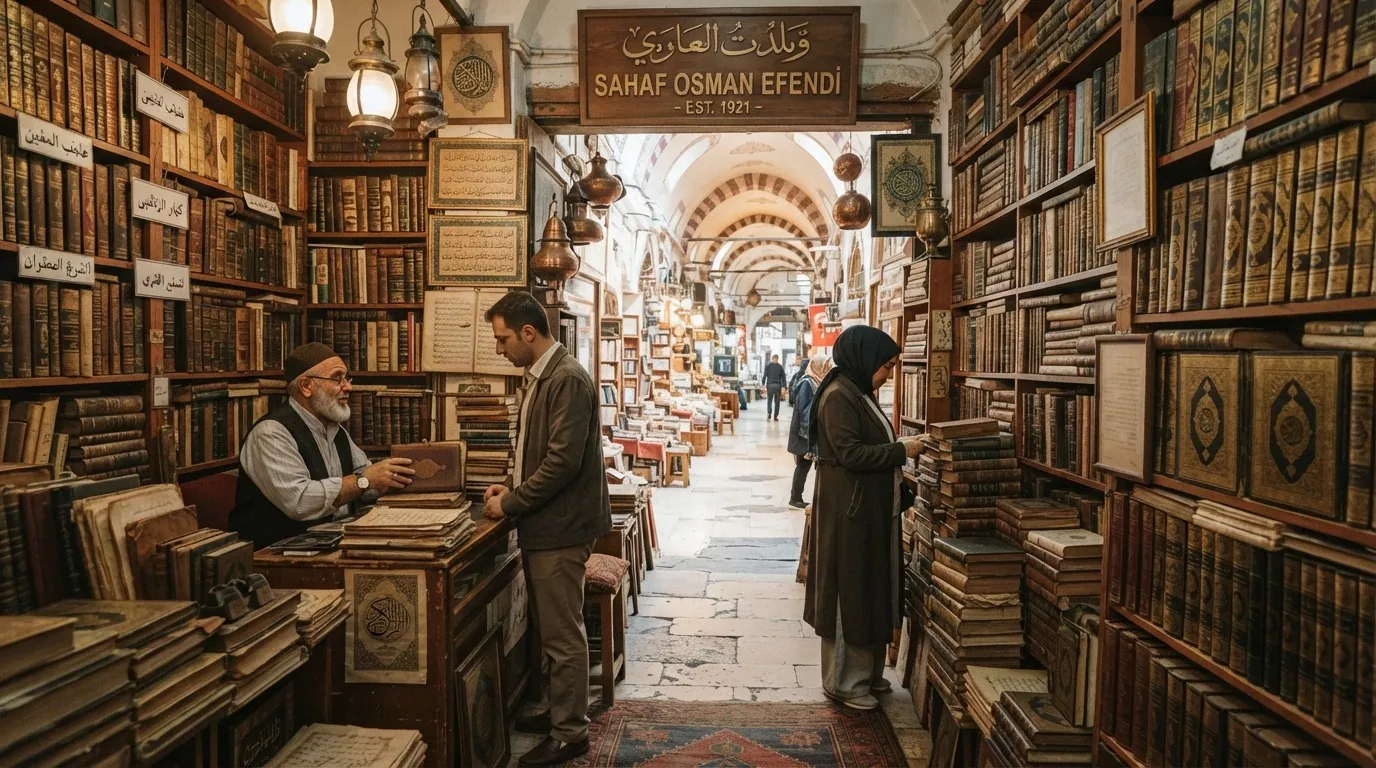
Turkish names are a daily tool in the life of a Gulf traveler. When you check in at an Istanbul hotel as "Mohammed," the receptionist memorizes the Arabic name and greets you as "Mohammed Bey," turning the stay personal. When you book a private transfer, the driver holds a sign with your name that is easy to spot among Arab and foreign travelers. This cultural closeness makes everyday interaction in Turkey warmer than in any European destination, where your name needs a longer linguistic bridge.
Turkish Drama Names: A Cultural Bridge with the Gulf
Turkish drama over the last two decades introduced Gulf audiences to hundreds of Turkish names long before their feet touched Istanbul or Trabzon. Names like Kıvanç, Beren, Nur, and Muhand have become part of the vocabulary of Gulf households, and when a Turkish family travels to the Gulf they carry the names of their favorite drama heroes. The crossover creates a unique moment: the Turkish Nur and the Arabic Nur are the same word with the same meaning, and a friendship appears automatically.
Turkish Language Curricula and Names
Teaching Turkish to Arabs in many Istanbul centers uses names as a natural entry point. The teacher shows a Turkish name with its meaning, the student looks up the meaning in Arabic, and vocabulary plus grammar is learned in a human rather than mechanical context. With many Gulf students at Turkish universities, name lists are printed with the same letter-by-letter precision as the passport, and the system does not accept a difference between "Muhammed" and "Mohammed." These details build smooth integration into Turkish society within months.
A Deeper Cultural View: Why Names Matter So Much
Your name appears on a boarding pass, on the welcome board at the hotel, on the dinner seating chart, and on the tour guide's roster. Names in Turkey are repeated many times a day, and every repetition builds a relationship between you and the people who read them. That is why Turks appreciate when a visitor pronounces their name correctly.
A Turkish Name in Your Home After the Trip
After the trip, you will find yourself using a Turkish name every week: you call "Hasan Bey" at the tour desk, ask about "Nur Hanım" at the Istanbul hotel, and tell your child "tomorrow we eat at Fatih's." These names turn from words into memories, and from memories into lasting bonds with Turkey.
Turkish Names in the Details of Your Trip
Knowing names has a direct practical payoff on the road. Your hotel booking carries your name exactly as in your passport's Latin spelling, so double-check the special Turkish characters (ş, ç, ğ, ı) when booking and at check-in — one mismatched letter can stall your registration.
You will also meet names on every sign around you: restaurants called Kısmet (fortune) or Balık (fish), hotels named Doğan or Yılmaz, and tours led by a Fatih or an Ozan. A small name vocabulary lets you read half the signage in any bazaar before anyone introduces themselves.
Turkish drama has already made names like Kıvanç, Beren, and Nur familiar in Gulf households long before arrival; mention to the receptionist that you know what his name means and watch the welcome double. When addressing people, "Bey" means Mr. and "Hanım" means Ms. — say "Mehmet Bey" and "Fatma Hanım" — a courtesy Turks genuinely appreciate from Arab visitors, and one that consistently earns warmer service at hotel desks, restaurants, and guided tours alike.
What the City Names You Visit Mean
Names are not only for people: the city names of Turkey themselves are Greek and ancient Turkish stories, and knowing them adds a layer of enjoyment to every sign you read:
| City | Origin | Meaning |
|---|---|---|
| Istanbul | popular Greek | "to the city" — locals simply called it The City |
| Ankara | ancient Greek | "the anchor," from Ancyra |
| Trabzon | Greek | "the table," after its flat clifftop above the coast |
| Antalya | Greek | "city of Attalos," after the king who founded it |
| Bursa | from King Prusias, its ancient founder | the first Ottoman capital |
| Konya | from ancient Iconium | capital of the Seljuks of Rum |
| Izmir | from ancient Smyrna | the bride of the Aegean |
Turkish Family Surnames: Yilmaz, Kaya, Demir
Until 1934 Turks carried no family surnames; the Surname Law of that year let every family pick one that captured its values. The result is that today's most common surnames have transparent meanings: Yilmaz means the fearless one, Kaya the rock, Demir iron, Sahin the falcon, Celik steel, Yildiz the star, and Aydin the enlightened. You will meet these surnames on pharmacy and bakery signs, on taxi plates, and on guide badges, because Turks sign their businesses with the family name. In daily address, however, the first name is enough — "Osman Bey" and "Nur Hanım" — while the surname stays for paperwork and shopfronts.
Names, Passports and Bookings: Practical Rules
Before you travel, make sure your name appears in every booking exactly as printed in your passport's Latin spelling. Hotels and airlines compare letter by letter, and a single mismatch between Mohammed and Muhammed can stall check-in or boarding. Turkish special characters are written in simplified Latin form on international tickets and signboards, so expect the friendly Dogan on your tour manifest to appear with plain English letters at the airport arrivals board — same person, simpler spelling.
When applying through the official e-visa portal, type your name letter for letter as in the passport, in Latin characters and never in Arabic script, because the system matches machine-readable data. Families should carry translated, certified birth certificates for children and a marriage certificate when surnames differ between passports, as some hotels request them at registration. When booking a private transfer, spell your name as in the passport so the driver finds you quickly, and expect the same spelling on tour lists each morning. One minute of checking at booking time saves long explanations at the counter later.
Practical Info for Gulf Visitors
| Item | Detail |
|---|---|
| Official name list | TÜİK — publishes the annual count |
| Top 10 names yearly | Yusuf and Zeynep usually lead |
| Tone of welcome | People in Turkey love to hear their names pronounced correctly |
| Honorific culture | bey (sir) and hanım (madam) for an elegant touch |
| Official tourism portal | GoTürkiye — for cultural context |
| More culture | The full Turkey guide |
| Passport name rules | Exact match with the e-visa system at evisa.gov.tr |
Comparison of the Three Streams of Turkish Names
Each stream of Turkish names carries its own flavor, and reading them helps you understand the people you meet:
| Stream | Daily presence | Flavor | Example | Cultural note |
|---|---|---|---|---|
| Arabic-Islamic | Most common | Spiritual and devotional | Mehmet, Fatma, Yusuf | Strong in both cities and rural areas |
| Persian-Ottoman | Common in refined circles | Poetic and graceful | Shirin, Lale, Bahar | Strong presence in girls' names |
| Ancient Turkish | Medium presence | Nature and strength | Arslan, Deniz, Tuncay | Resurging in recent years |
FAQ (12 Questions)
- What is the most popular Turkish boy name? Yusuf.
- And for girls? Zeynep.
- Are all Turkish names Islamic? Most are, but there are ancient Turkish and Persian ones too.
- What is the oldest Turkish name? Altay, Küçük, Tomris — pre-Islamic names.
- Are secular names accepted? Yes, in the larger cities.
- How do I pronounce special characters? ı (no dot, ı), i (with dot), ü (rounded), ş (sh), ç (ch), ğ (silent, lengthens the previous vowel).
- Which names do Turks like to hear from Gulf visitors? Mehmet, Ahmet and Ali are received warmly.
- Do names have hidden meanings? Some — "Nur" is the same in Arabic and Persian.
- Are any names disliked? Very few, most are lovely.
- Famous district names? Sultanahmet, Eyup, Bebek.
- What was the conqueror of Constantinople called? Mehmed the Conqueror.
- Do Gulf-origin names appear in Turkey? Rarely, but many Arabic and Persian names are shared.
Conclusion
Turkish names are a window on the culture of a country that welcomes the Gulf warmly. Know Mehmet, Yusuf, Fatma and Zeynep before your trip, and you will find that Turkish people in turn receive your name with warmth. A Turkish name is more than a word — it is a calling card and a mirror of history.
Discover Turkey · Understand the culture · A family trip · transfers · tours
Sources
Related travel guides
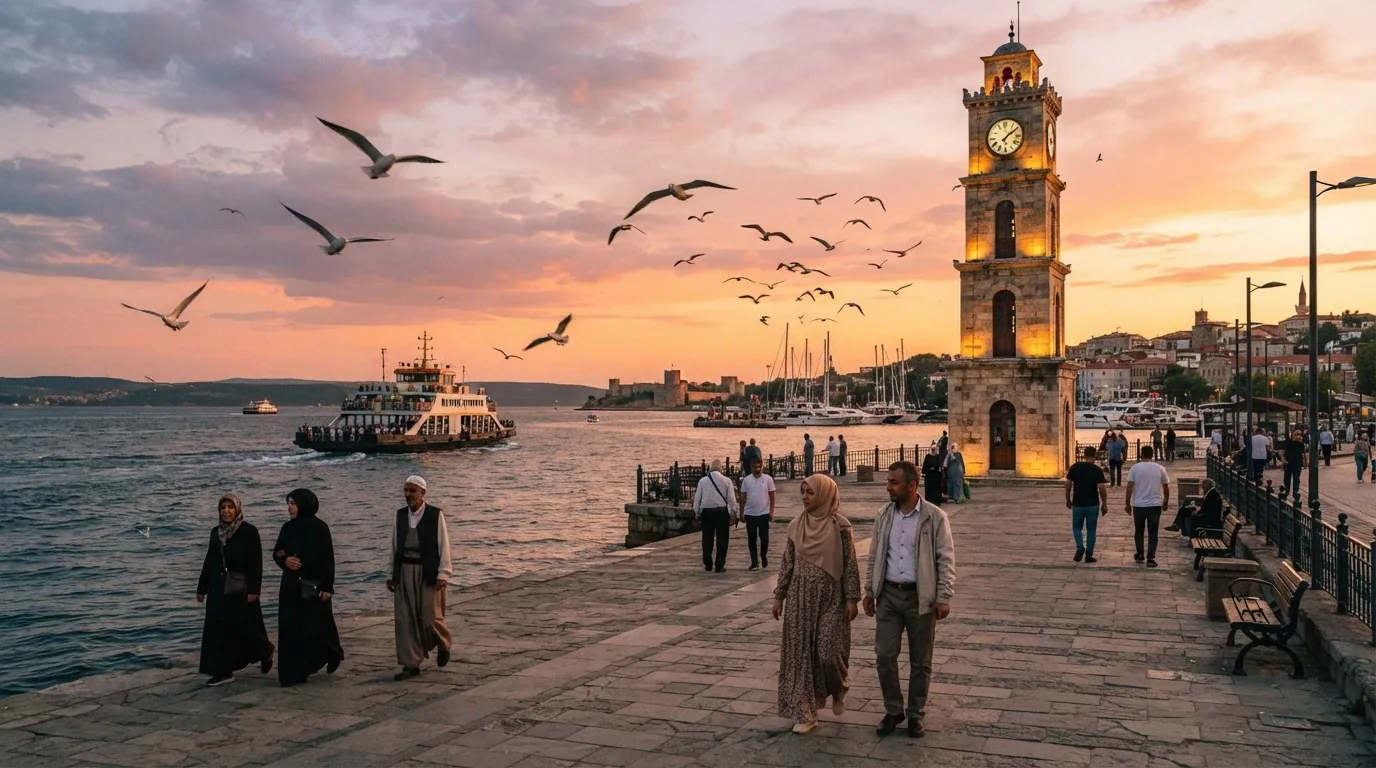
The Turkish flag explained for Gulf visitors: crescent and star symbolism, the red field, Ottoman roots, the 1936 flag law, the blood-pool legend and key facts.
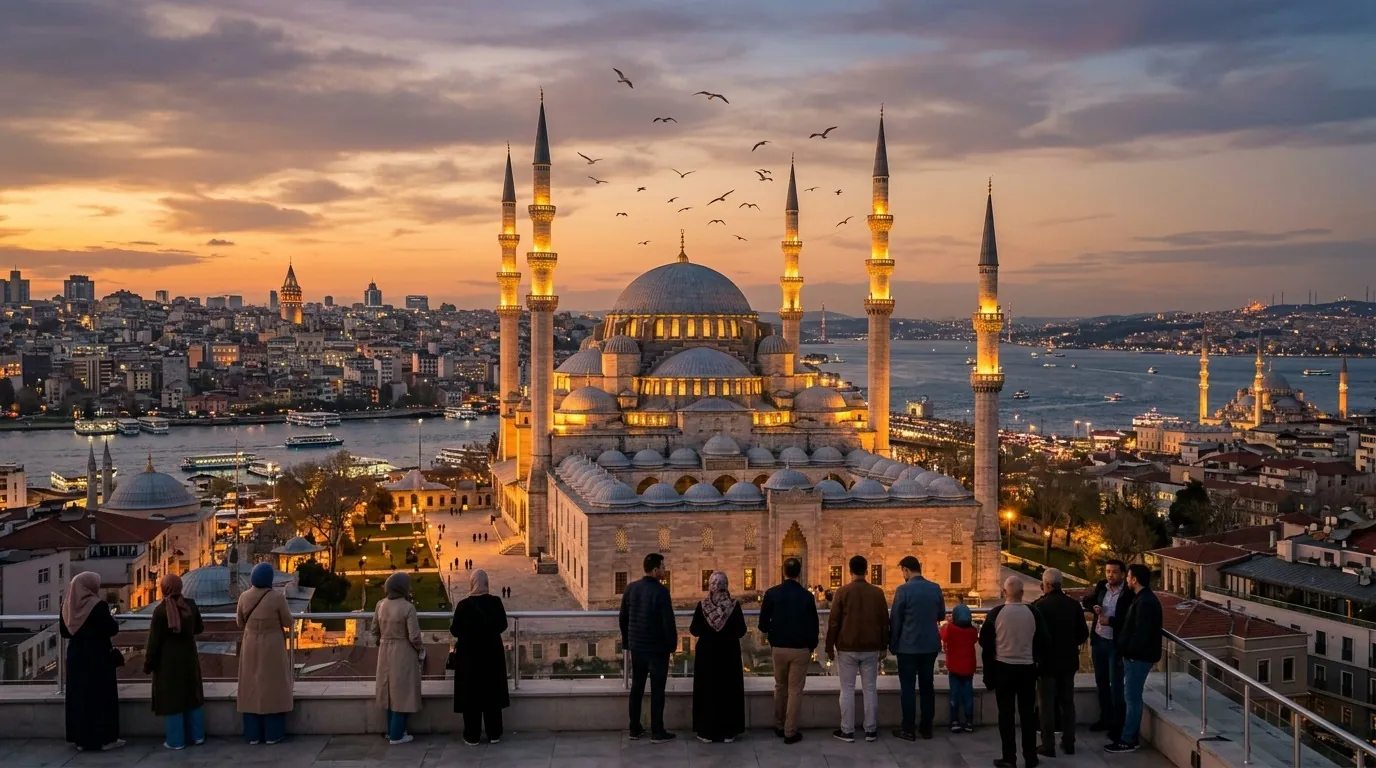
Over 98% of Turks are Muslim, yet Turkey has been a secular republic since 1923. What that means for visitors: halal food, mosques, Ramadan and what to wear.
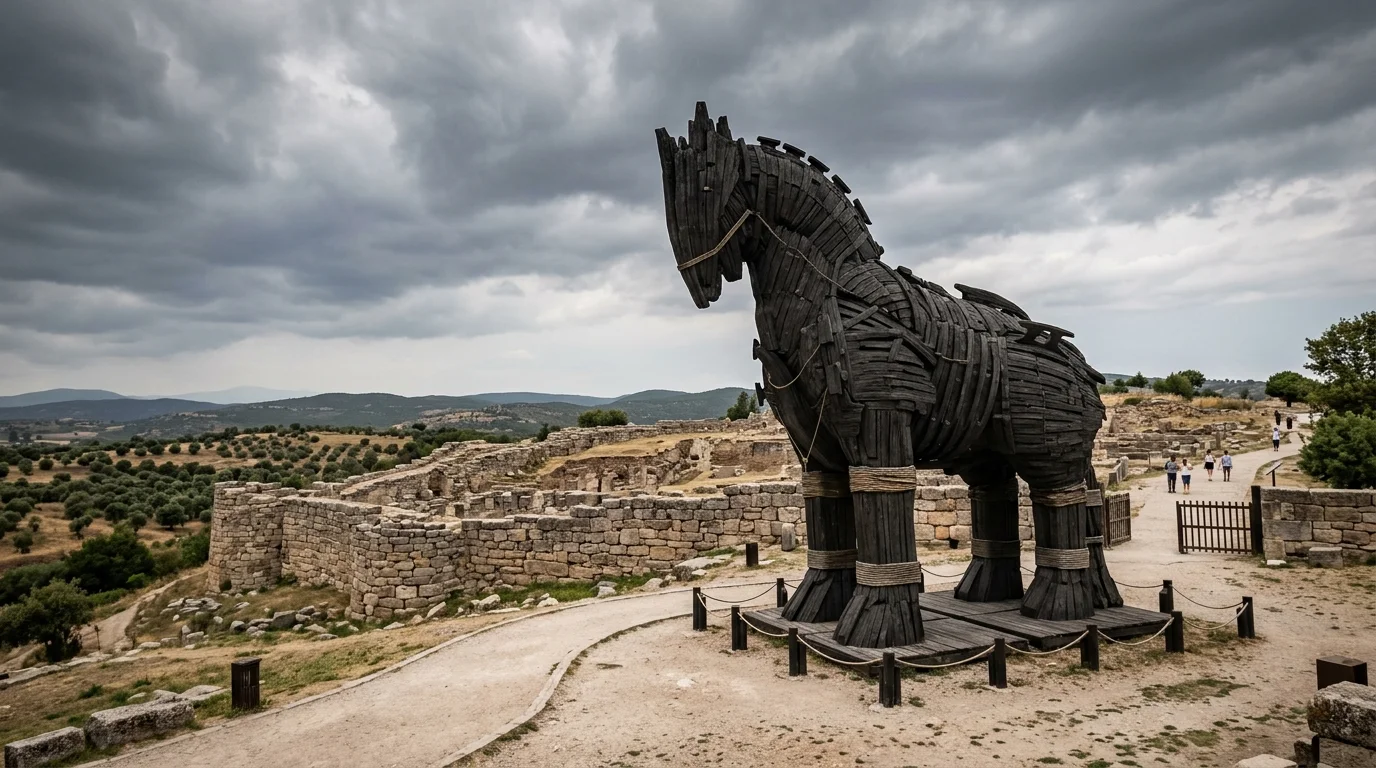
Çanakkale and Troy 2026: the ancient city and its museum, the Gallipoli battlefields and Martyrs' Memorial, Assos and Bozcaada, with access and stay tips for Gulf families.
Ready to explore Turkey?
Voyago brings together airport transfers, guided tours and car rental to help you plan the perfect trip to Turkey.