
Quick Answer for Gulf Visitors
What is the best way to travel between Turkish cities? Domestic flights for long hops such as Istanbul–Trabzon or Istanbul–Antalya, luxury intercity buses for medium distances such as Istanbul–Bursa, and the high-speed train for the Istanbul–Ankara–Konya corridor.
Do I need to rent a car? Inside the big cities, no; the metro, taxis and ride apps cover most needs. In the mountain countryside around Trabzon and Uzungol, a car with a driver remains the most comfortable option for families.
How much does getting around cost? A domestic flight starts from $25, the Istanbul–Bursa bus from $12, and the Istanbul–Ankara train from $15. A full week of transport for a family of four usually totals $150–400.
The Big Picture: How to Move Around Turkey
Turkey is a vast country stretching from Istanbul in the northwest to the borders of Georgia and Iran, and the distance between its far west and far east exceeds 1,700 kilometres. That is why no single mode of transport is ideal for every trip; the right choice depends on distance, available time and family size. The practical rule travel planners recommend: above 500 kilometres choose flying, between 150 and 500 kilometres consider the bus or train, and inside cities use the metro and ride apps. If this is your first trip, start with the step-by-step Turkey travel guide, and for the layout of cities and regions see the comprehensive Turkey guide.
The beauty of Turkey for visitors is that competition keeps prices low: at least three domestic airlines compete on every major route, dozens of bus companies serve every terminal, and ride apps undercut traditional taxi fares. The only downside is the sheer number of options, which can overwhelm first-time planners — this guide is designed to settle those decisions for you on every popular route.
| Mode | Best For | Average Cost Per Person | Typical Duration |
|---|---|---|---|
| Domestic flight | Distances above 500 km | $25–60 | 1–2 hours |
| Luxury bus | 150–500 km | $10–25 | 3–8 hours |
| YHT high-speed train | Istanbul–Ankara–Konya corridor | $15–30 | 4.5–6 hours |
| Car with driver | Families and mountain areas | $60–150 per route | Flexible |
| Ferry | Bosphorus crossings and Marmara islands | $0.5–3 | 20–90 minutes |
Domestic Flights: Fastest and Surprisingly Affordable
Turkish Airlines, Pegasus and AJet operate a dense network linking Istanbul with more than fifty domestic cities, from Trabzon and Rize in the north to Antalya and Dalaman in the south. Fares between cities usually start from $25 in economy if you book early, and can double during the summer season and Eid holidays. Checked baggage is generally included with Turkish Airlines but sold separately on low-cost carriers, a difference that quietly erodes the apparent saving on the base fare.
One practical point: Istanbul's main airport on the European side and Sabiha Gokcen on the Asian side are more than an hour's drive apart. If your next destination is Bursa or the road to the Black Sea, check the Sabiha Gokcen airport transfer guide before booking your domestic ticket, because arriving at the wrong airport can waste half a day of your trip.
Three more details help you avoid surprises. First, carry the same passport you entered with, since the ticket name must match it exactly and changes require a call to customer service. Second, arriving 1.5–2 hours before a domestic flight is enough off-peak, but allow three hours in summer when security lines grow. Third, early-morning departures suffer fewer delays than afternoon ones — important if you have an international flight later the same day. Families hauling heavy winter luggage to Uludag or the Black Sea should weigh their bags before the airport, because excess-weight fees on low-cost carriers can equal the ticket price itself.
Intercity Buses: The Comfortable Economy Option
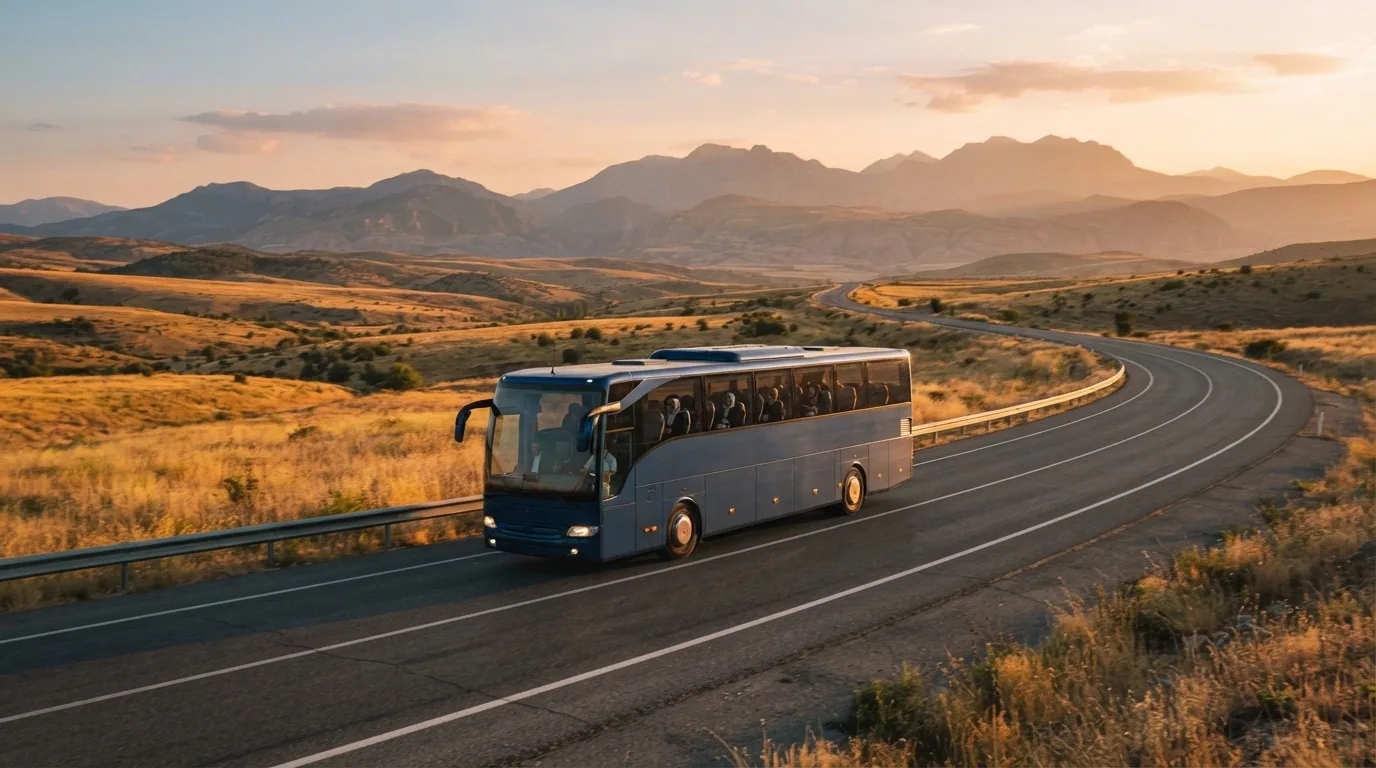
The Turkish intercity bus is not merely cheap; it is an experience that rivals premium economy: wide reclining seats, free Wi-Fi on most routes, drinks and snacks served by an attendant, and a comfort stop every two to three hours. Companies such as Metro Turizm and FlixBus cover every major city with departures roughly every hour on the main corridors.
For Gulf families the bus remains an excellent choice for medium distances: Istanbul–Bursa takes about three hours and costs from $12 per person, and Antalya–Fethiye about four hours from $10. Book front-row or family-section seats where available, and request adjacent seats early because buses fill up on weekends and Turkish school holidays.
Two notes before you book: bus terminals are central but may still be a drive from your hotel, so add transfer time to your planning — a pre-booked private transfer to the terminal takes the strain out of heavy luggage. Second, online booking is usually cheaper than the terminal counter and lets you pick upper-deck seats, the favourite for scenic mountain roads between the southern and northern cities.
Trains and Ferries: The Scenic Options
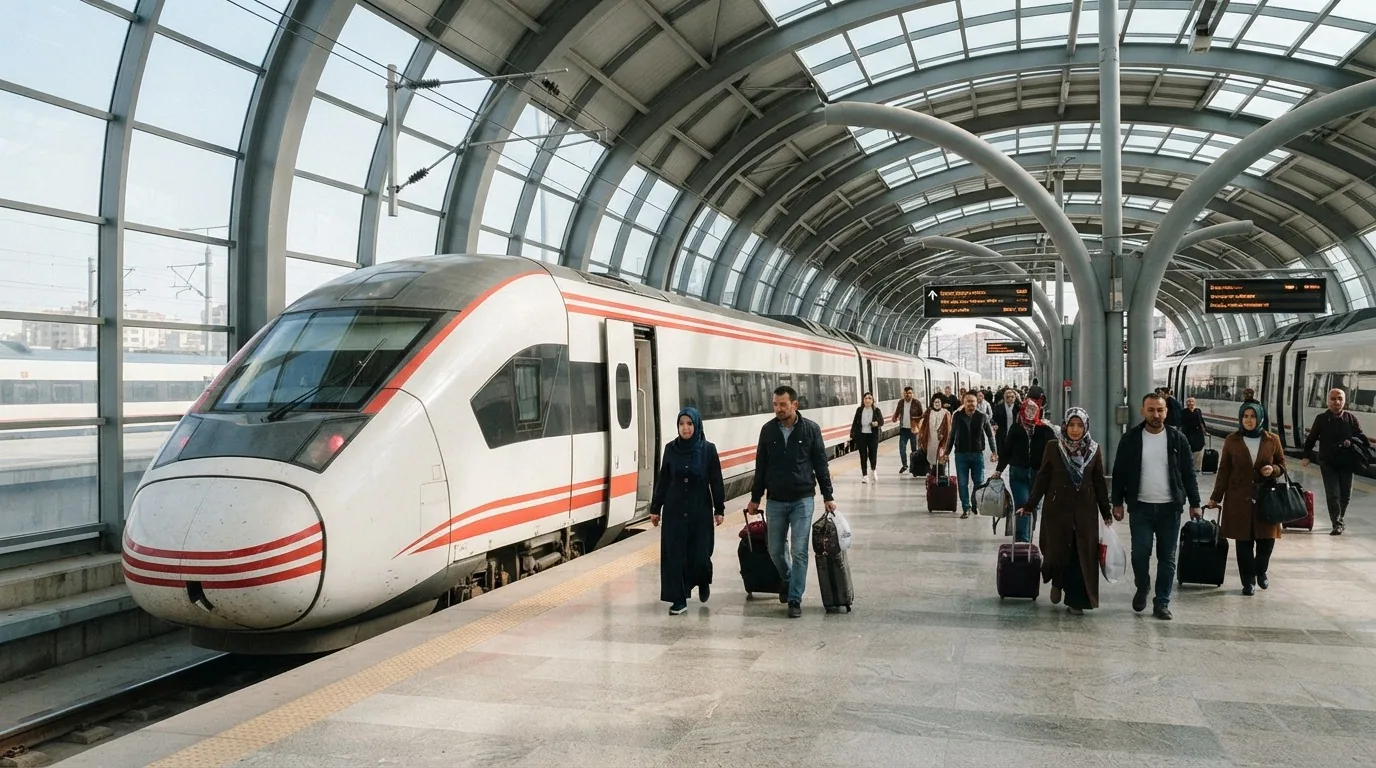
The YHT high-speed train links Istanbul with Ankara in about four and a half hours, and with Eskisehir and Konya in five to six. Tickets start from $15, seats are comfortable with a café car, and the views across Anatolia keep children entertained. If your itinerary includes the capital, read the Ankara, the capital of Turkey guide to plan a full day there before returning by train.
Ferries, meanwhile, are one of Istanbul's daily pleasures: crossing the Bosphorus between Europe and Asia on the municipal ferry costs under a dollar with an Istanbulkart, and the historic Princes' Islands trip is an unforgettable full day for pocket change. The sea route from Istanbul to Bursa via Yalova combines scenery with time saved compared with the bus alone. For mountain lovers, the eastern train across the Black Sea highlands remains one of the region's most beautiful rail journeys — slow, but worth a full day in your schedule rather than a dash between two appointments.
Plane vs Bus vs Train: A Practical Comparison
| Criterion | Domestic Flight | Luxury Bus | High-Speed Train |
|---|---|---|---|
| Speed | Fastest by far | Moderate | Moderate |
| Cost for two adults, two children | $100–240 | $40–100 | $60–120 |
| Luggage flexibility | Weight limits | Usually two bags each | Relatively generous |
| Suitability for small children | Excellent for long hops | Good but tiring over hours | Very good, room to move |
| Station access | Extra transfer needed | Usually city centres | City centres |
| Calm and privacy | Moderate | Moderate | Usually highest |
The practical verdict: above 500 kilometres flying wins on time, below that the bus wins on money, and the Ankara–Konya corridor is the train's kingdom. For families with heavy luggage who want complete comfort, the private car with driver remains the option that combines flexibility and privacy without restrictions.
A worked example: a family of four landing in Istanbul in the morning and planning Bursa plus Trabzon in seven days does best with a bus or private service to Bursa for two nights, an early morning domestic flight from Istanbul to Trabzon, a driver-with-car for three days around Uzungol and Ayder, then a flight back to Istanbul a full day before the international departure. With this rhythm the family never spends more than three consecutive hours on the road — the quiet secret of successful trips with children.
Getting Around Inside Cities
Istanbul has one of Europe's densest transit networks: metro, metrobus, trams and ferries all connect with the Istanbulkart, which you buy from kiosks at airports and stations. Antalya, Trabzon and Izmir are smaller and their trams, municipal buses and taxis cover them easily. Ride-hailing apps such as BiTaksi and Uber operate in the major cities, usually cheaper than street taxis, with in-app payment and no haggling.
A tip for families: avoid taxis between tourist districts at the summer rush and use the metro wherever it runs, because it is faster and cooler. If you arrive late at night with children and luggage, a pre-booked private airport-to-hotel transfer saves half an hour of waiting; you can compare hotels near metro lines before confirming your booking.
In Antalya, Izmir and Trabzon life is simpler: a tram line or municipal buses cover the waterfront and tourist zones, and ride apps are available at fair prices. In small towns such as Sapanca and Uzungol the metro and apps fade out, and private transfers or a family car for the day take over. The rule: settle the next day's plan each evening, and fix your return option before you set out, especially in mountain areas where evening transport grows scarce.
Planning a Multi-City Route: A One-Week Model
Most Gulf families choose one of three ready-made routes. The classic: five nights in Istanbul plus two cities by train or bus, such as Bursa and Eskisehir. The beach route: two nights in Istanbul then Antalya or Bodrum by domestic flight, with a private car between resorts. The northern route: two nights in Istanbul then Trabzon and Uzungol by flight and driver. The key in all three is booking the domestic leg at least a week before arrival and building in a rest day between stages so the trip never becomes an exhausting race. Because distances between destinations can surprise anyone unused to the region's maps, reading about Turkey's area and geography helps you estimate each leg realistically before locking bookings.
Practical Info for Gulf Visitors
A quick table summarising what you need to know before moving around Turkish cities:
| Item | Details |
|---|---|
| Transit card | Istanbulkart from kiosks, chargeable for the whole family |
| Language with drivers | Ride apps remove the language barrier automatically |
| Payment | Cards accepted in apps and at train stations |
| Prayer facilities | Mosques and prayer rooms at major airports and terminals |
| Times to avoid | Rush hours 8–9 am and 5–7 pm in big cities |
| Bus frequency | Departures every hour on main corridors |
| Safety | Public transport is generally safe day and night |
Keep photos of the family's passports and booking confirmations on your phone for each leg, and turn on trip notifications in the operator's app so schedule changes reach you instantly. These small habits save serious time whenever a departure shifts unexpectedly.
FAQ (12 Questions)
- Do I need a visa for domestic travel? No; a domestic flight works like any local journey and your passport or even a Turkish ID card suffices. Your tourist stay covers movement in all provinces, with no internal border checks.
- Is flying always cheaper than the bus? Not always; on short hops the bus is far cheaper, but above 500 kilometres an early-bird flight approaches bus prices while saving a full day of time and hotel cost.
- How do I book train tickets? Through the official Republic State Railways website or app by credit card; sales usually open 15–30 days ahead and seats sell out over Turkish holidays.
- Are buses comfortable for children? Yes, seats are wide and routes stop for breaks, though for children under three the train or plane may be easier thanks to room to move about.
- Are Uber and local ride apps available? Uber runs in Istanbul, Ankara and Izmir, and the local BiTaksi app covers more cities; all show the fare before you confirm.
- Can I drive a self-hired car? Yes, with full documents and a translated licence, though foreign drivers mostly prefer a car with driver in big cities because of traffic and parking.
- What is the cheapest way from Istanbul to Trabzon? Usually an early flight; fares start from $30 and take 1 h 45 min, versus an 18-hour bus ride that suits few families.
- Are there sleeper night trains? Yes, from Istanbul toward Ankara, Karaman and Kars, with private compartments for families — enjoyable, but far slower than flying.
- Does the metro run 24 hours? The Istanbul metro runs until about midnight, as do trams and most buses, with a limited night network on main corridors.
- How do I transfer between Istanbul's airports? Official transfer buses or a private service; allow one to two hours depending on traffic, and never book a connection tighter than four hours.
- Are ferries suitable for strollers and luggage? Yes, all municipal and intercontinental ferries have low-entry ramps and space for strollers, bicycles and suitcases.
- Do I need a local SIM for transport? Recommended; apps and maps need data, tourist SIM packages are sold at the airport, and Wi-Fi is free on most buses and trains.
Conclusion
Transport in Turkey in 2026 is broader and cheaper than most Gulf visitors expect: a dense domestic flight network, luxury buses, a fast train on the Ankara corridor, and ferries that turn commuting into sightseeing. The golden rule is simple — fly the long legs, bus the medium ones, use the metro and apps inside cities, and take a driver-with-car for mountain countryside and family comfort. Plan your routes at least a week before booking, pre-book private transfers in high season, and you will move around Turkey with the confidence of a family that knows its way.
Sources
- Official Turkish government gateway — official information on public transport services.
- Turkish Airlines — domestic timetables and fares straight from the source.
- Istanbul Airport — transfer options between the airport and city centres.
- Go Türkiye — the official guide to destinations and how to reach them.
Related travel guides
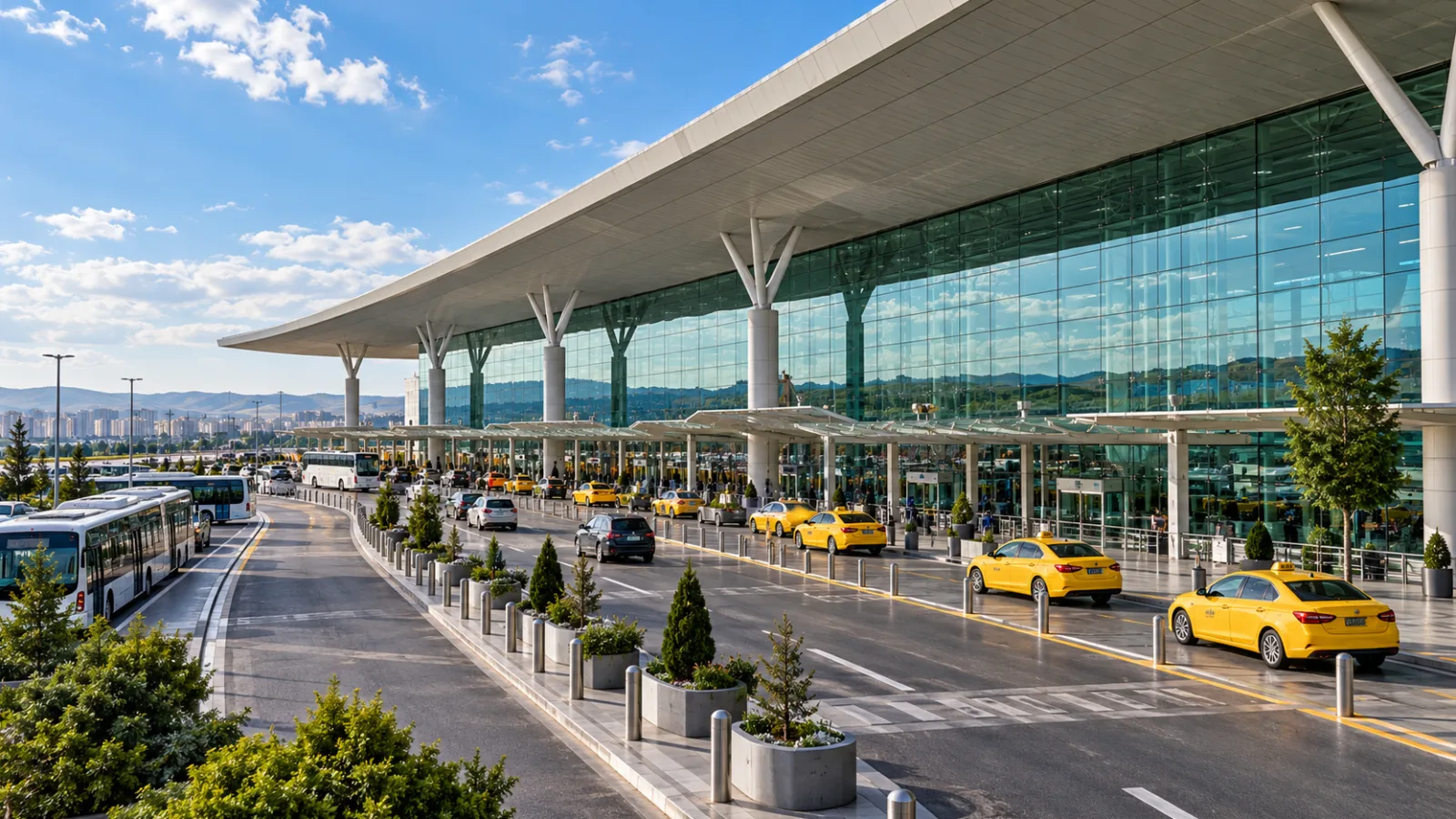
Ankara's Esenboğa Airport sits about 28 km from the centre with no direct metro link yet. Here are the real options: HAVAŞ bus, the 442 public bus, taxi and private transfer.
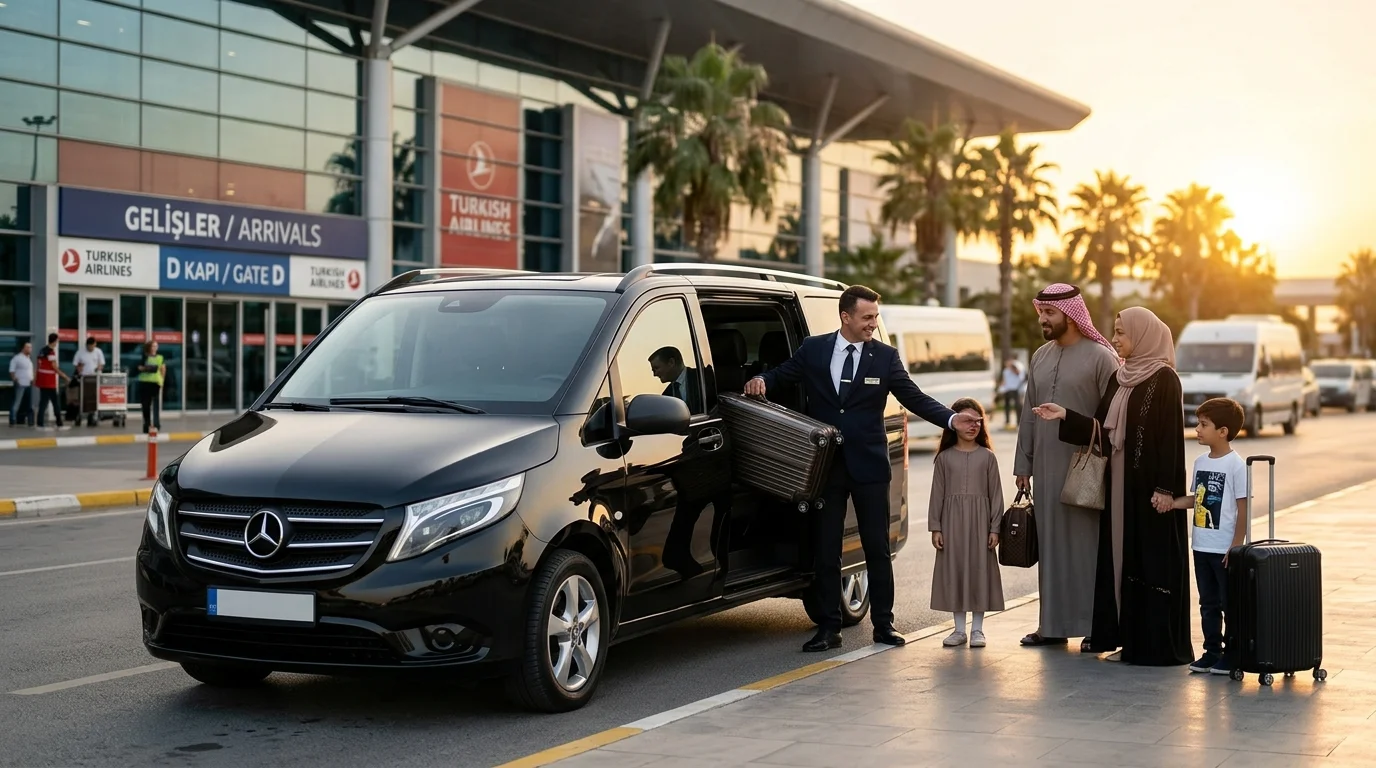
Full 2026 Antalya airport (AYT) transfer guide: private car, shuttle, taxi options. Distances to Lara, Belek, Konyaalti, Side, Alanya hotels, prices.
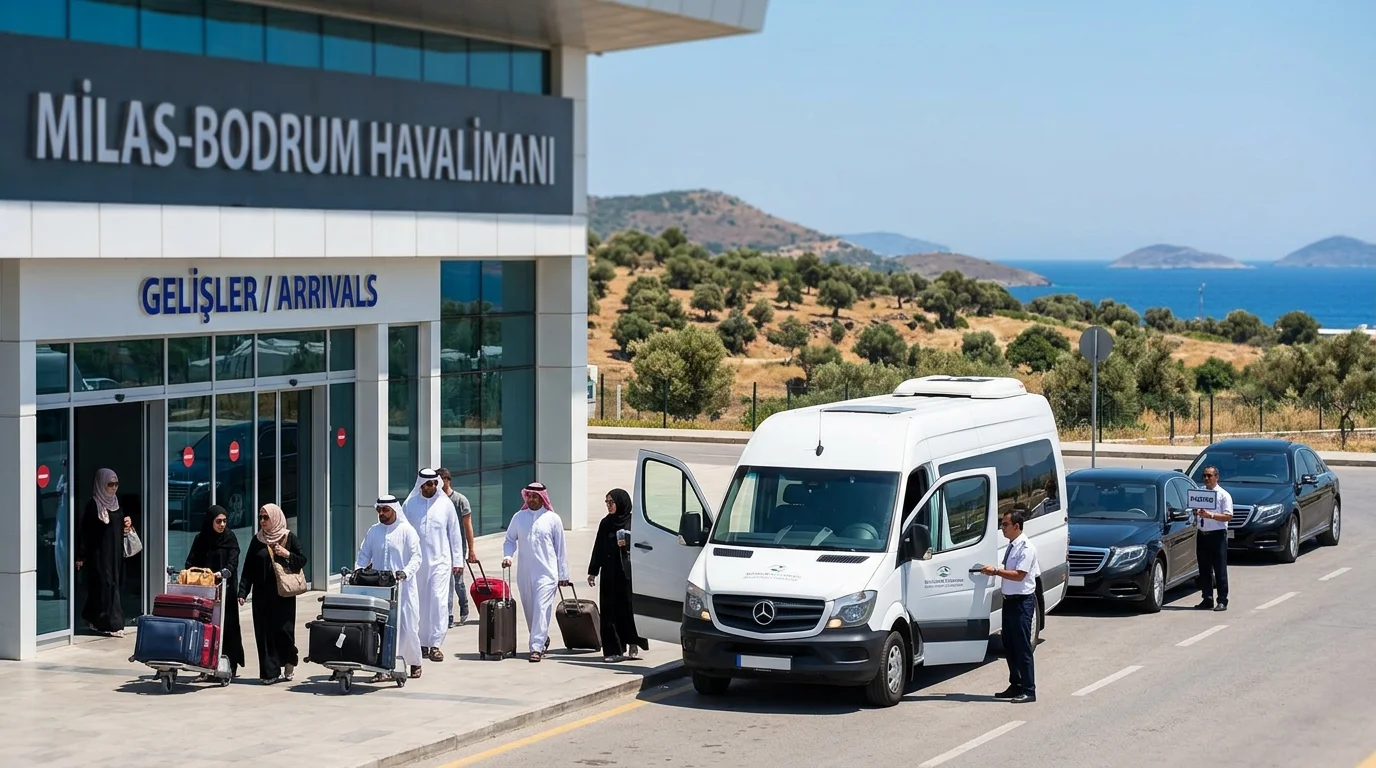
2026 Milas-Bodrum (BJV) transfer guide: private car, HAVAS, taxi. Prices to Bodrum center, Yalikavak and Turgutreis, and the best pick for Gulf families.
Ready to explore Turkey?
Voyago brings together airport transfers, guided tours and car rental to help you plan the perfect trip to Turkey.