

Quick Answer for Gulf Visitors
What is Turkey's travel status in 2026? — Fully open: no health restrictions, easy entry for Gulf citizens under the waiver, and a clear path for residents via the e-visa.
Which regions matter most? — Istanbul for history and shopping, the Black Sea (Trabzon) for nature, the south (Antalya and Bodrum) for coasts, and Cappadocia for the once-in-a-lifetime experience.
When should I travel? — Summer for families tied to school holidays, May and September for great weather with fewer crowds, and winter for snow towns and shopping.
What does it cost? — Roughly $80-150 per person per day at mid-range, excluding flights.
Entry Status in Brief
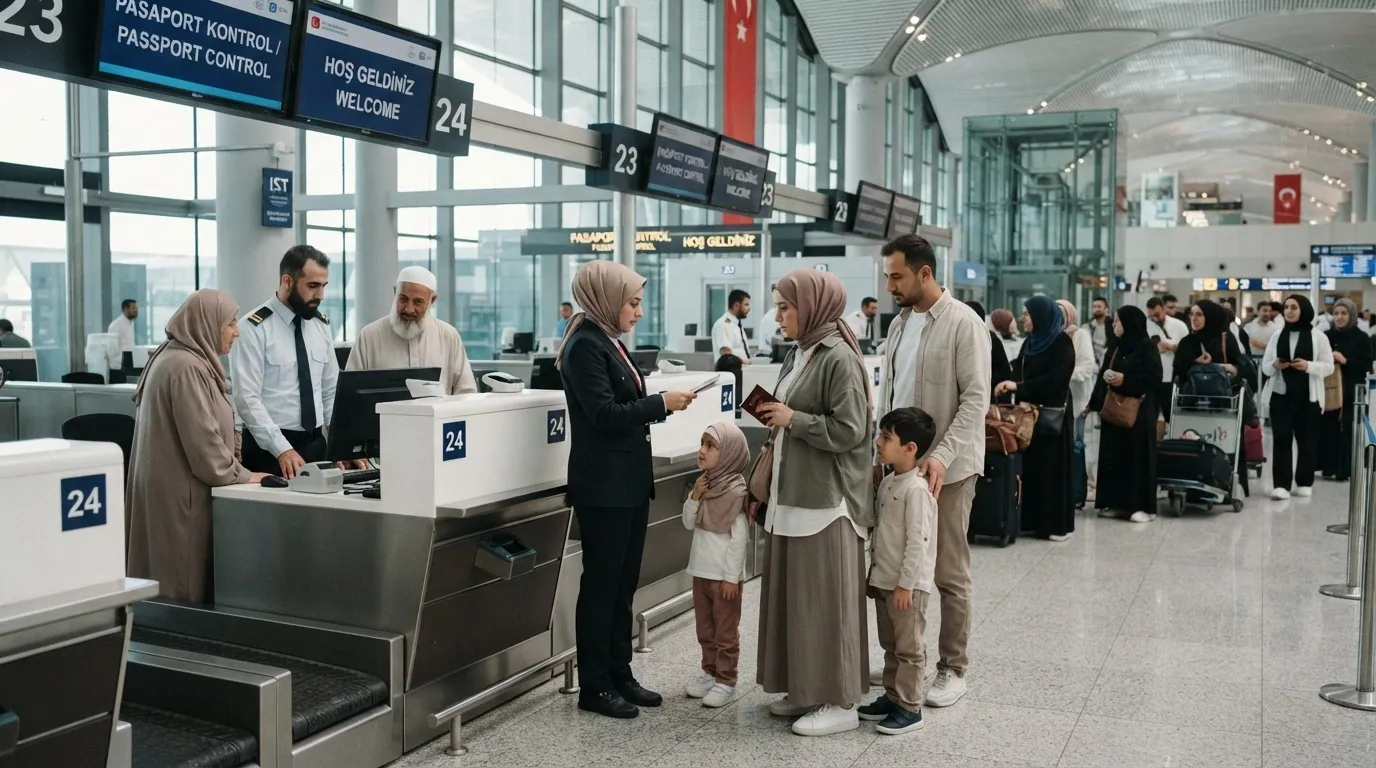
Travel is open from every country with no health conditions. GCC citizens enter visa-free for up to ninety days with a passport valid at least 150 days; eligible-nationality residents obtain an e-visa from the official portal within minutes, and everyone else applies through visa centers. The complete rule breakdown is in is travel to Turkey allowed, and the document checklist in Turkey travel requirements.
The Region Map: Where to Go and Why
Istanbul and the Marmara
The main gateway and a city that never exhausts: Hagia Sophia, the Blue Mosque, and the Grand Bazaar on the old side; the strait, Galata, and Taksim on the others. It suits every season and every traveler type, and it is the best first stop for first-time visitors. Accommodation details live in the Istanbul accommodation booking guide.
The Black Sea: Trabzon, Uzungol, Ayder
The beloved cool-summer destination for Gulf travelers: permanent green, mountain lakes, and air that rarely tops 28 degrees. Ideal for families escaping August heat, and it deserves five comfortable days as laid out in the Trabzon 5-day plan, with its location explained in where Trabzon is.
The South: Antalya, Bodrum, Marmaris
Long Mediterranean and Aegean coastlines: all-inclusive resorts, family beaches, and calm nightlife. The season runs May to October, and winter stays pleasant for walking and shopping without swimming.
Cappadocia and the Interior
Balloons over fairy valleys, cave hotels, and an experience unlike anywhere else. It works all year with spring and autumn preferred — the full companion is the Cappadocia guide.
Comparison of the Four Regions for Choosing
| Criteria | Istanbul | Black Sea | The South | Cappadocia |
|---|---|---|---|---|
| Best season | All year | June-September | May-October | April-June, September-October |
| Character | History and city | Nature and mountains | Coast and relaxation | Unique experience |
| Family suitability | Excellent | Excellent | Excellent | Good |
| Average daily cost | Highest | Lowest | Mid to high | Middle |
| Ideal stay length | 4-5 days | 5 days | 5-7 days | 2-3 days |
| Direct Gulf flights | Dense | Available | Dense | Usually via Istanbul |
The Seasons: A Full Turkish Year
Spring (April-May) brings Istanbul's tulips and ideal walking weather at pre-peak prices. Summer (June-August) is the Gulf family peak: the Black Sea catches those fleeing heat while the south stays full through mid-August. Autumn (September-October) is maximum quality: warm seas, thinner crowds, and gradually softening prices. Winter (November-February) belongs to shopping and snow trips to Uludag, Erzurum, and snowy Cappadocia, with lodging rates at their annual floor.
2026 Costs at a Glance
The Turkish lira keeps the trip within reach of every budget: one dollar equals roughly 40 lira. Mid-range lodging runs $70-140 per family room per night, a good local restaurant meal costs $10-20 per person, Istanbul trams and ferries cost pocket change with the transit card, and full-day tours run $40-90 per person. A family of four realistically spends $350-600 per day in comfort or $150-250 in budget mode.
Practical Tips for Gulf Visitors
Match the destination to the season, not the fame: August heat can spoil walkable Istanbul while giving the Black Sea its best days. Book domestic flights early; the gap between early and late fares is large. Never squeeze four cities into ten days — the one-destination-per-five-days rule protects the trip. For those comparing Turkey with regional neighbors: the flight is shorter (3-5 hours), the variety higher, and the cost usually lower. Expand further with the complete Turkey guide and the travel to Turkey overview; number lovers can read Turkey's area, Turkey population facts, and Ankara the capital.
Practical Info for Gulf Visitors
| Item | Details | Note |
|---|---|---|
| Entry status | Open, no health rules | Visa by category |
| Currency | Turkish lira | About 40 lira per dollar |
| Time difference | Same as Gulf or one hour behind | No fatigue |
| Language | Turkish, English at sites | Arabic in tourist zones |
| Flight from Gulf | 3-5 hours | Dense daily services |
| Halal food | Widely available | The prevailing standard |
| Emergencies | 112 | Free |
| Best booking window | 2-3 months for peak | Far better prices |
FAQ (12 Questions)
- What is the overall travel situation for Turkey in 2026?
Open and stable; no health conditions at entry, the only regulation being the usual passport and visa rules, with hotel and airline capacity running at full.
- Which region should a first-time visitor start with?
Istanbul; it is the natural flight gateway and combines history, shopping, and food, with short domestic trips branching from it.
- Where do I escape the summer heat?
The Black Sea; Trabzon, Uzungol, and Ayder deliver a 20-28 degree summer in permanent green — the favorite July-August choice for Gulf families.
- Can I combine two regions in one trip?
Yes, by domestic flight: Istanbul with Trabzon or with Antalya works excellently in 8-10 days, while three regions need two weeks.
- When is the cheapest time to travel?
November-February except the year-end holidays; lodging halves and flights drop clearly, in exchange for cold, wet weather in the north.
- Is Turkey suitable for a honeymoon?
Strongly yes: Cappadocia with its balloons and cave hotels is the first choice, Antalya's resorts the second, and Istanbul adds a historic touch.
- What works best with small children?
The south with its all-inclusive resorts and pools, or Istanbul for its ease and services; the Black Sea is excellent but mountain roads tire families with infants.
- How many days do I really need?
Five days for one well-done destination, ten for two; anyone attempting the whole country in a week returns with few photos and a memory of airports.
- Do I need a multiple-entry visa for domestic hops?
No; domestic flights are not exits, so your visa or waiver suffices for a single continuous stay.
- What is the best intercity transport?
Domestic flights for long distances (one-two hours), luxury coaches for medium ones, and the high-speed train linking Istanbul, Ankara, and Eskisehir.
- Does English suffice?
At tourist sites and hotels, yes; beyond them a translation app helps, and Arabic is understood in the old-side bazaars and famous Gulf-frequented areas.
- Where do I find each region's details?
In the dedicated platform guides: the Cappadocia guide, the Trabzon guide, and the complete Trabzon companion cover the essentials.
Extra Detail on Destinations and Seasons
Istanbul: The Beating Heart
Istanbul is the gateway for 90% of visitors, with everything from sights and markets to restaurants and hotels. The core sights: Hagia Sophia, the Blue Mosque, Topkapi Palace, the Bosphorus, the Grand Bazaar, Galata Tower, Istiklal Street. The tourist season runs April to October, peaking in June and September. Summer prices are 30-50% higher, and hotels need booking six weeks ahead.
Cappadocia: Natural Wonders
Cappadocia is one hour by air from Istanbul, famous for its chimney rock formations and sunrise hot air balloons. Best visited in April-May and September-October, because summer is hot and winter is very cold. Cave hotel stays start from $80 per night for two, and the balloon ride costs $150-250 per person and needs pre-booking; it is calmer with light winds.
Antalya: Beaches and Sea
Antalya on the Mediterranean combines sandy beaches, clear waters and historic sites like Aspendos and Side. The season runs May to October, peaking in July and August. All-inclusive hotels run $100-300 per night by category. From Istanbul, an internal flight (1 hour), night bus (10 hours) or private car (8 hours). Prices at the coast are lower than the city centre.
Bodrum and the Aegean Coast
Bodrum is an upmarket Aegean destination famous for nightlife and beaches. The season runs June-September, with peak prices very high in July and August. From Istanbul, internal flight (1 hour) or bus (12 hours). For Gulf residents seeking calm, Bodrum alternatives include Kusadasi, Dikili and Cesme.
Eastern Side: Trabzon and Surroundings
Trabzon in the northeast is a favourite for Gulf families, combining mountains and sea. Sumela Monastery, Uzungol and Ayder are the most famous sights. From Istanbul, internal flight (1.5 hours) or long-distance bus. Prices are 30-40% below Istanbul. The season runs May to October, with warm sea in summer. The food is green and healthy, and the seafood is fresh.
Extra Detail on Different Regions
Mediterranean Coast
The southern coast of Turkey runs from Antalya to Mersin, warm from May to October. Antalya is the tourist capital and offers all-inclusive resorts and luxury hotels. Alanya, Side, Belek and Kemer are smaller coastal towns offering a quieter experience. The cuisine relies on olive oil, fresh herbs and seafood.
Aegean Sea
The western coast includes Bodrum, Kusadasi, Dikili and Cesme. Bodrum is the upscale destination, and the rest is quieter and less expensive. The weather is hot and dry in summer. A wonderful mix of beaches and ancient cities. The cuisine is famous for olive oil and fresh seafood.
Central Anatolia
Ankara is the capital of the country, Cappadocia is the natural wonder, and Konya is the Sufi heritage. The region is cooler and drier. Cappadocia attracts the most tourists because of balloons and rock formations. The food relies on grilled meats and grains.
Black Sea
The Black Sea is in the north, and Trabzon, Rize, Sinop and Samsun are the main cities. The region is green and rainy, famous for tea, salmon and nuts. The weather is mild in summer and rainy in other seasons. Gulf families love the region for natural beauty and quiet.
Southeast
Gaziantep, Sanliurfa, Diyarbakir and Mardin are the main destinations. The region is rich in historical and cultural heritage and unique cuisine. Gaziantep is famous for sweets and nuts. Mardin is a beautiful stone city with views over the Mesopotamian plain. For cultural and culinary tourism, the region is worth visiting.
Extra Details on Turkey as a Tourist Destination
Important Statistics on Turkey
- Annual tourists 50+ million
- International airports 50+ airports
- Archaeological sites 40+ UNESCO-registered
- 5-star hotels 1500+ hotels
- Halal restaurants 2000+ restaurants
- Arabic-speaking doctors in major cities
Cities Worth Visiting
- Istanbul: the world's first city in visitor numbers
- Antalya: the beach tourism capital
- Bodrum: the nightlife capital
- Cappadocia: natural wonders
- Trabzon: a paradise for Gulf families
- Mardin: a cultural treasure in the east
- Gaziantep: the capital of Turkish cuisine
Types of Tourism in Turkey
- Cultural tourism: historic sights and museums
- Beach tourism: Mediterranean and Aegean beaches
- Nature tourism: Cappadocia, Trabzon, highlands
- Medical tourism: treatment in Turkish hospitals
- Shopping tourism: bazaars and malls
- Religious tourism: Mecca and Konya
- Business tourism: exhibitions and conferences
Tips for Gulf Travellers
- Most major hotels offer halal meals
- Prayer is available in hotels and airports
- Arabic is understood in tourist areas
- Mosques are open to Muslims at all times
- Families are welcome everywhere
- Markets are full of halal products
The Turkish Cuisine Experience
- Turkish breakfast (Kahvalti) is traditional and rich
- Halal meat in all restaurants
- Fresh fruits and vegetables year-round
- Turkish sweets famous worldwide
- Turkish tea is essential hospitality
- Turkish coffee is a cultural experience
Conclusion
Turkey in 2026 is a whole basket of trips inside one country: easy entry, four major regions with distinct personalities, and a year that spreads its seasons generously. Start from your procedural status, then choose your region by season rather than fame. Once the first decision is made, the execution tools are ready: accommodation matching your budget, private transfers that spare you the waiting, and tours that turn each day into an organized experience.
Sources
Related travel guides
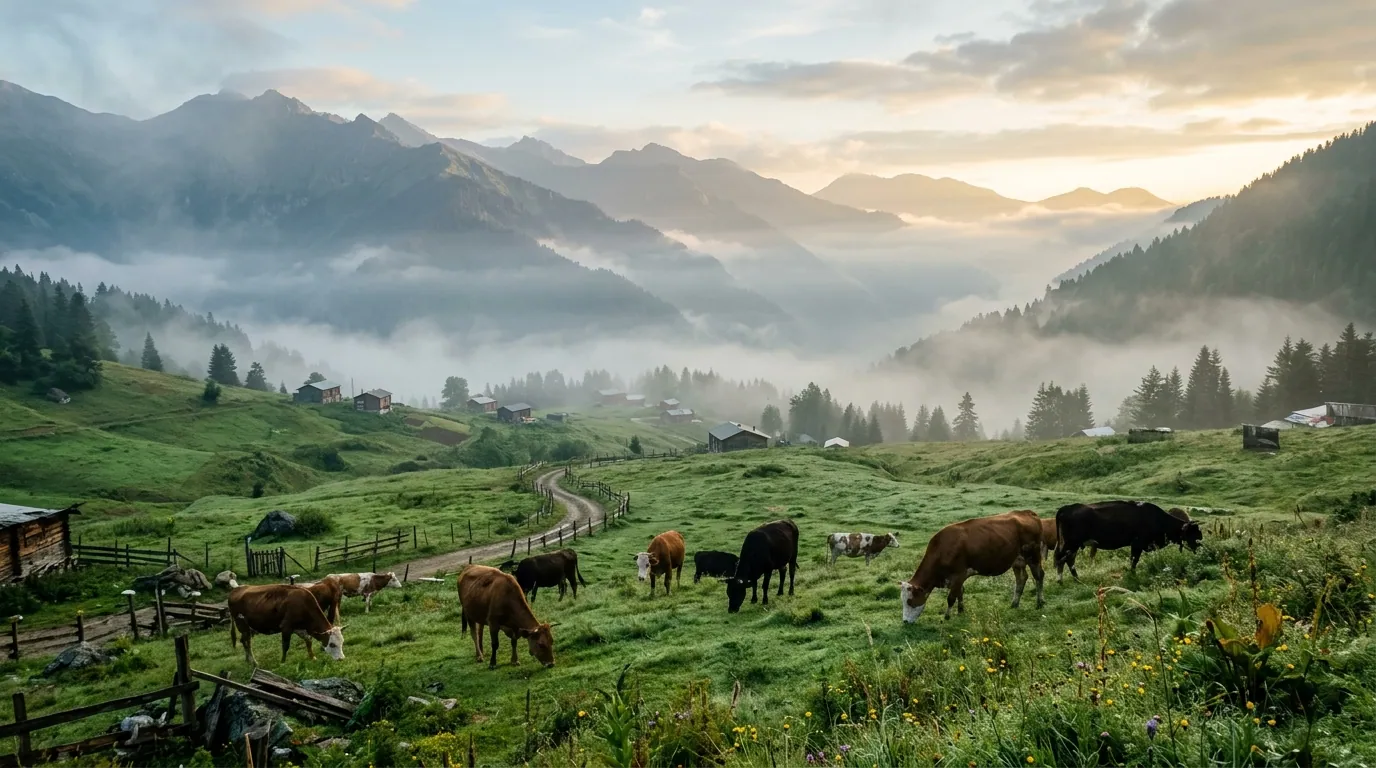
Ayder highlands 5-day itinerary 2026: a day-by-day plan for Arab families covering thermal pools, valleys, and Trabzon.
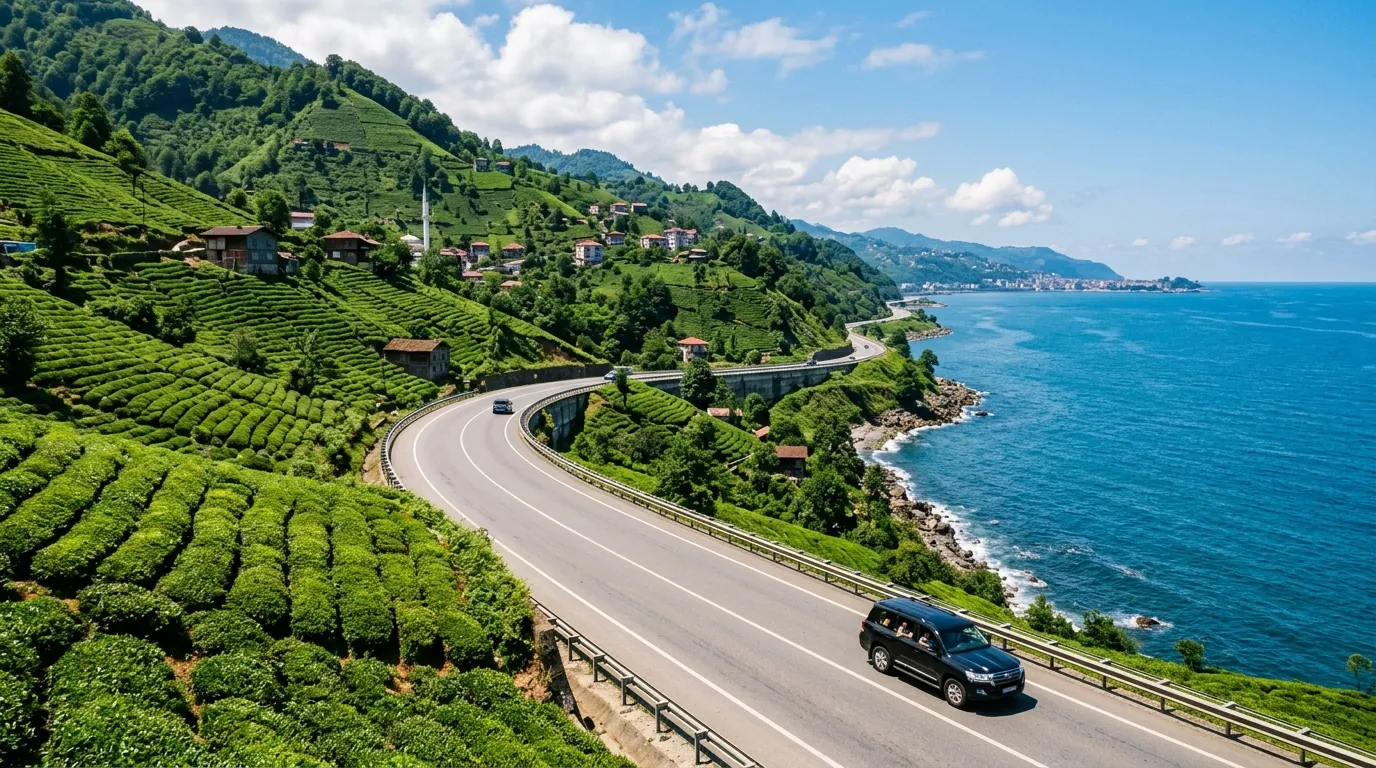
Ayder Trabzon distance 5-day itinerary 2026: a day-by-day plan for Arab families covering the transfer route.
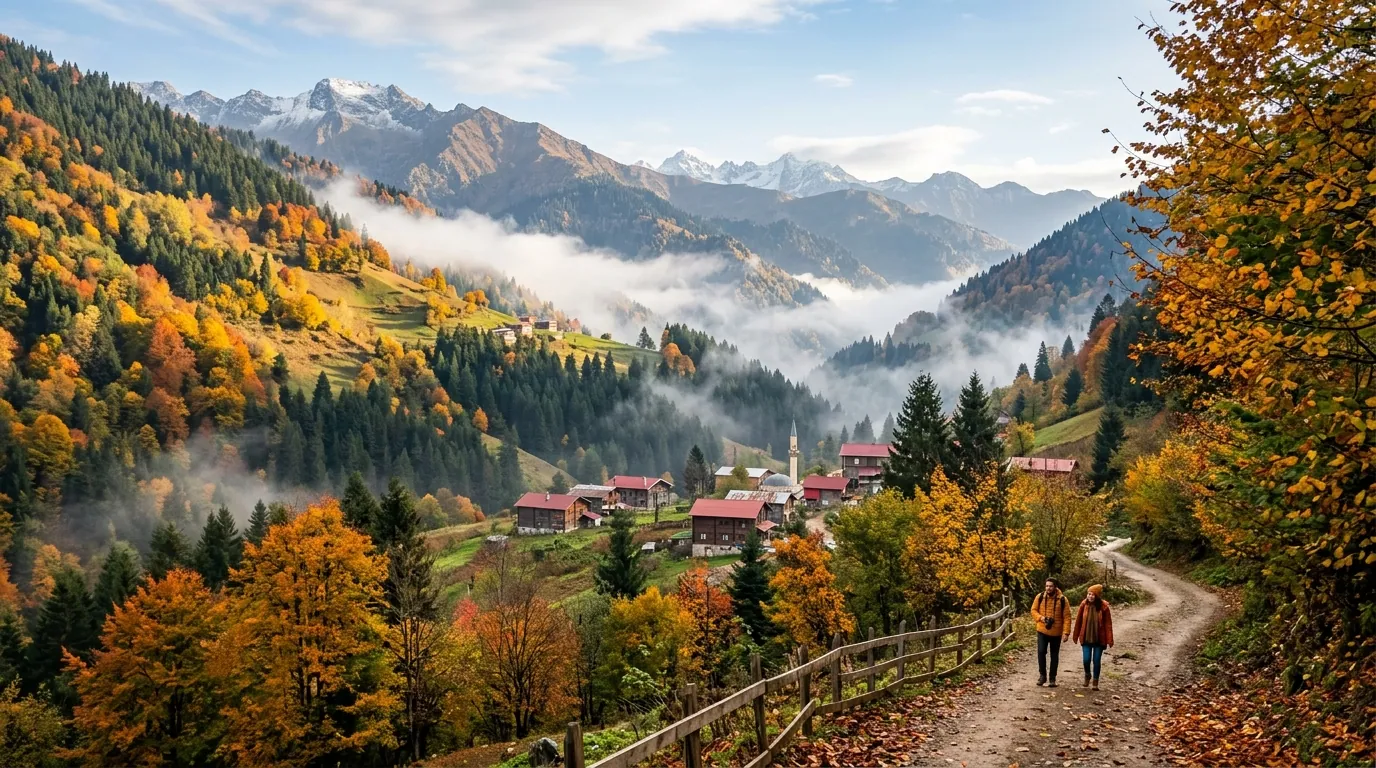
Ayder Turkey weather 2026: monthly averages, rain patterns, best months to visit, and packing tips for Gulf families.
Ready to explore Turkey?
Voyago brings together hotels, tours and transfers to help you plan the perfect trip to Turkey.