
Quick Answer for Gulf Visitors
How many regions in Turkey? Seven official geographic regions: Marmara, Aegean, Mediterranean, Black Sea, Central Anatolia, Eastern Anatolia, and Southeastern Anatolia.
Which is the most visited? Marmara first thanks to Istanbul, then the Mediterranean thanks to Antalya, then the Black Sea thanks to Trabzon.
Which is the cheapest? Eastern and Southeastern Anatolia, usually 25-40% cheaper than Istanbul and Antalya in hotels and restaurants.
Why Is Turkey Divided Into Seven Regions?
The official geographic division of Turkey into seven regions was shaped by Turkish geographer Sırrı Erinç in 1941 and is still used in curricula and official statistics. The division does not follow administrative province borders but groups neighbouring provinces by shared climate and nature. The result is that each region has a "spirit" different from its neighbour; in a single day you can move from a Mediterranean beach to a snow-capped peak, and the distance between Mardin in the southeast and Kars in the northeast is roughly twice the distance from Riyadh to Jeddah.
Marmara: The Beating Heart of Turkey
Location: Northwestern Turkey around the Sea of Marmara; includes Istanbul, Bursa, Edirne, Tekirdag, and Yalova.
Climate: Transitional between Mediterranean and continental; summer 26-30°C, winter 4-8°C with light snow on higher ground.
Main cities: Istanbul (16 million), Bursa (3 million), Kocaeli (2 million), Edirne (450,000).
Top sights: Hagia Sophia, the Blue Mosque, Topkapi Palace, the Grand Bazaar, the Green Mosque in Bursa, the Selimiye Mosque in Edirne (Sinan's masterpiece), and the nine Princes' Islands.
Signature food: Bursa-style kofte, Iskender kebab (sliced meat on bread with yogurt in Istanbul), Turkish pilaf with rice.
Best season: April-June and September-October to avoid summer heat and holiday crowds.
Rough budget: Hotels 70-180 USD, meals 12-25 USD per person, local transport 5-15 USD a day.
Best for Gulf travellers: First visits, shopping, family tours, wellness retreats in Yalova.
Suggested length: 4-7 days for Istanbul, or 7-10 days adding Bursa and the Princes' Islands.
The Aegean: Ancient Greece on the Turkish Shore
Location: Western Turkey along the Aegean Sea; includes Izmir, Aydin, Denizli, and Manisa.
Climate: Typical Mediterranean; hot dry summer 30-36°C, mild winter 8-14°C.
Main cities: Izmir (4.5 million), Aydin (1.1 million), Denizli (1.05 million), Manisa (1.5 million).
Top sights: Ephesus (Celsus Library and the Great Theatre), Pergamon (the Hellenistic library), Hierapolis, Pamukkale (the white travertines), Aphrodisias (the complete Roman theatre), the old city of Aydin, and the ruins of Sardis.
Signature food: Olive oil cooking in Aydin, fragrant herbs, sumac thyme, small skewer kebabs, grilled sardines in Bodrum.
Best season: May-June and September, when the heat eases and the water sits at 22-25°C.
Rough budget: Hotels 50-140 USD, meals 10-20 USD, island ferries 15-40 USD.
Best for Gulf travellers: Families looking for quieter beaches, Greek-history lovers, water-sport fans in Cesme and Altinkum.
Suggested length: 5-7 days combining Izmir, Ephesus, and Bodrum.
The Mediterranean: The Kingdom of Beach Resorts
Location: Southern Turkey on the Mediterranean Sea; includes Antalya, Mersin, Adana, Hatay, and Fethiye.
Climate: Hot Mediterranean; summer 32-40°C, winter 10-18°C and mild even in January.
Main cities: Antalya (2.6 million), Adana (2.3 million), Mersin (1.8 million), Fethiye, Alanya (350,000), Kemer, Belek.
Top sights: Antalya old town (Kaleici, Hadrian's Gate, Duden Falls), Olympos and Phaselis, Kekova (the sunken city), Pamukkale on the regional edge, the ancient cities of Demre and Myra.
Signature food: Southern Anatolian kebabs, Turkish pastry, hummus with baba ganoush, Antalya baklava, fish in Kemer, Adana-style kebab with eggplant.
Best season: May-September for swimming, October-April for those who hate the heat and like reduced prices.
Rough budget: All-inclusive resorts 200-600 USD per room, boutique hotels 80-160, meals 10-30 USD.
Best for Gulf travellers: Family resorts, swimming, golf in Belek, sea excursions.
Suggested length: 5-10 days in Antalya, or 3-5 days in Belek or Alanya.
The Black Sea: Green Mountains, Mist and Rain
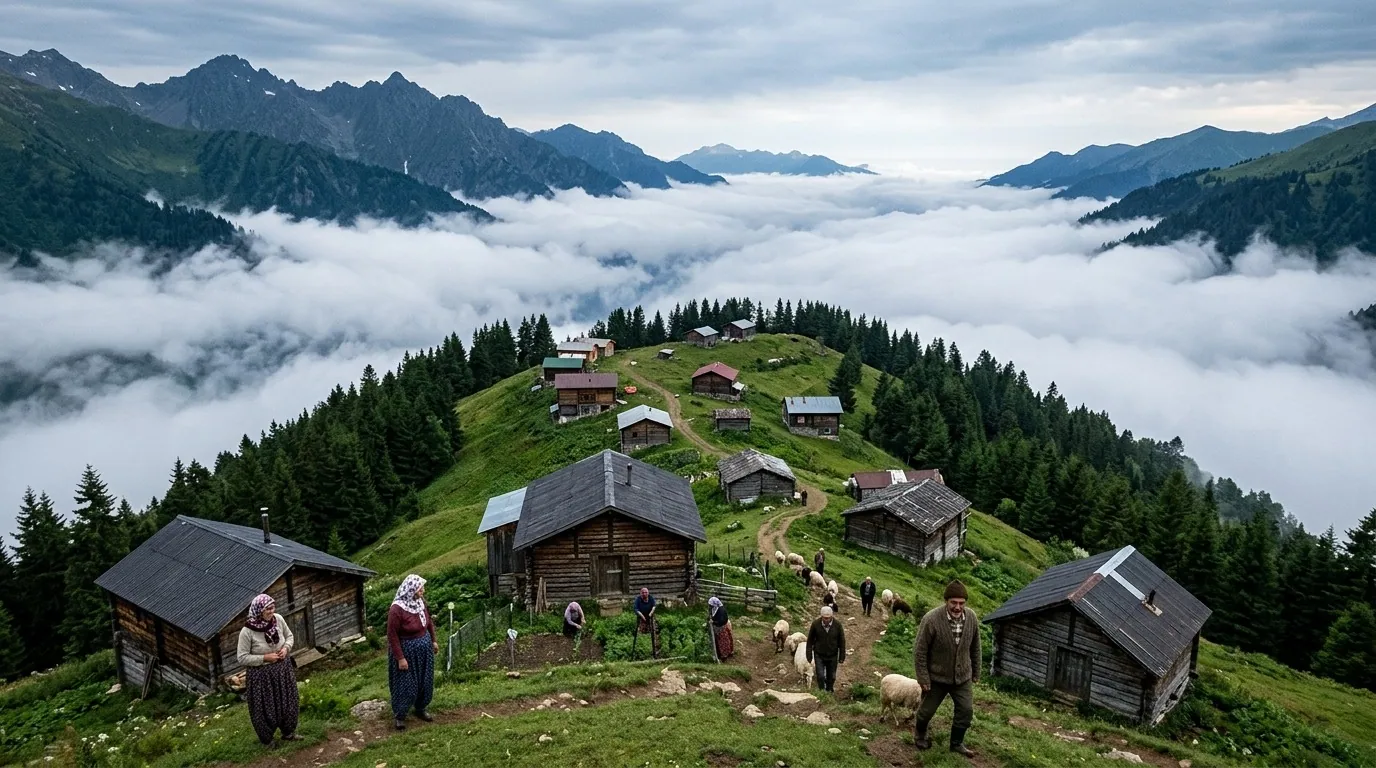
Location: Northern Turkey along the Black Sea; includes Trabzon, Rize, Ordu, Sinop, and Amasra.
Climate: Humid and rainy; summer 22-26°C (mild and pleasant), winter 4-9°C with heavy snow in the highlands.
Main cities: Trabzon (820,000), Samsun (1.4 million), Rize, Ordu, Giresun, Tokat.
Top sights: Sümela Monastery (a monastery hanging from a cliff), Uzungol Lake, the Ayder hot springs, the Kackar highlands, Trabzon Castle, the old Black Sea road.
Signature food: Breakfast pastry with cheese and spinach (pisi), mixed kebab in Samsun, stuffed sardines in Trabzon, peanuts, the famous Rize black tea.
Best season: June-August, when the weather dries a little and the temperature reaches 26°C.
Rough budget: Hotels 50-130 USD, meals 8-18 USD, day tours 30-60 USD per person.
Best for Gulf travellers: Those escaping summer heat, families seeking nature and quiet, mountain hikers.
Suggested length: 4-6 days, with two nights in Uzungol or Ayder.
Central Anatolia: The Continental Heart and Vast Plateau
Location: Central Turkey on the Anatolian plateau; includes Ankara, Konya, Cappadocia, Eskisehir, and Aksaray.
Climate: Dry continental; hot summer 28-34°C, very cold winter -10 to 2°C with snow.
Main cities: Ankara (5.7 million), Konya (2.3 million), Kayseri (1.4 million), Eskisehir (900,000), Aksaray, Nevsehir.
Top sights: Cappadocia (Love Valley, Rose Valley, balloon flights, underground cities), the Ankara museums (Anatolian civilisations, Ataturk), the Mevlana tomb in Konya, the Hittite past at Hattusha, the salty Tuz Lake.
Signature food: Testi kebab (meat cooked in a sealed clay jar), feteer kofte, veal in Kayseri, bulgur rice in Konya, pastries in Eskisehir.
Best season: April-June and September-October, when the weather is mild and balloons fly regularly.
Rough budget: Hotels 50-150 USD, meals 8-18 USD, balloon rides 120-200 USD.
Best for Gulf travellers: Lovers of unique nature, deep history fans, couples.
Suggested length: 3-4 days for Cappadocia, or 5-6 days adding Ankara and Konya.
Eastern Anatolia: The Highest Peaks and Coldest Winters
Location: Eastern Turkey; includes Erzurum, Kars, Van, Malatya, Bingol, and Agri.
Climate: Harsh continental; winter -15 to -25°C (the coldest in Turkey), mild summer 18-25°C.
Main cities: Erzurum (760,000), Malatya (800,000), Van (1.1 million), Kars (290,000), Agri, Bingol, Elazig.
Top sights: Mount Ararat (5,137 m, Turkey's highest peak), Lake Van (3,755 km², the largest lake), Akdamar Church on an island, Erzurum's Ottoman city, Ishak Pasha Palace, the Caucasian architecture of Kars, the trout farms of Balikli Golu (in Bingol).
Signature food: Kavarma (meat preserved in fat), dried kebab, wheat keshkek, carrot dessert, warm sweet pudding in Erzurum, salty cheese in Kars, hot flatbread with cheese.
Best season: June-September, when the roads are open and the pastures are green.
Rough budget: Hotels 40-100 USD, meals 6-14 USD, day tours 25-50 USD.
Best for Gulf travellers: Adventurers, photographers, those seeking uncommon authenticity.
Suggested length: 3-5 days focusing on Erzurum, Kars, or Van.
Southeastern Anatolia: Warm Hospitality and Heritage Dishes
Location: Southeastern Turkey; includes Gaziantep, Sanliurfa, Mardin, Diyarbakir, and Adiyaman.
Climate: Hot dry continental; summer 35-42°C (the hottest in Turkey), mild winter 3-9°C.
Main cities: Gaziantep (2.1 million), Urfa (2.2 million), Diyarbakir (1.8 million), Mardin (870,000), Adiyaman (640,000).
Top sights: Gobekli Tepe (the oldest temple in the world, 9,500 BC), Mount Nemrut (giant statues and royal tombs of Commagene), the old city of Mardin (the Silk Road), the Diyarbakir walls, the Mardin market, the holy pool in Urfa (the legendary birthplace of Abraham).
Signature food: Gaziantep baklava (world-famous), cig kofte (raw spiced meat rolls in Urfa style), beef kebab, okra dishes, tabbouleh, red hummus, local kanafeh, dried dates in Urfa.
Best season: October-April; the summer is very hot and can exceed 42°C.
Rough budget: Hotels 35-90 USD, meals 6-12 USD, day tours 20-45 USD.
Best for Gulf travellers: Lovers of ancient history, foodies, experienced non-conventional travellers.
Suggested length: 3-5 days focusing on Mardin, Gaziantep, and Urfa.
A Complete Comparison of the Seven Regions
| Region | Character | Main cities | Best season | Daily budget | Suggested length | Best for |
|---|---|---|---|---|---|---|
| Marmara | urban historic | Istanbul, Bursa | April-May, Sept-Oct | $100-180 | 5-7 days | first visits |
| Aegean | quiet Mediterranean | Izmir, Bodrum | May-June, September | $70-130 | 5-7 days | quiet families |
| Mediterranean | beach resort | Antalya, Alanya | May-September | $100-250 | 5-10 days | sea and resorts |
| Black Sea | mountain green | Trabzon, Rize | June-August | $70-120 | 4-6 days | escaping the heat |
| Central Anatolia | plateau historic | Ankara, Cappadocia | April-May, Sept-Oct | $80-150 | 4-5 days | balloons and history |
| Eastern Anatolia | mountain cold | Erzurum, Van | June-September | $60-100 | 3-5 days | adventure and nature |
| Southeastern Anatolia | heritage and food | Gaziantep, Mardin | October-April | $50-90 | 3-5 days | history and cuisine |
How to Choose a Region That Matches Your Interest
| Your interest | Ideal region | Suggested destination |
|---|---|---|
| Luxury shopping | Marmara | greater Istanbul |
| Quiet beaches | Aegean | Bodrum and Altinkum |
| Family resorts | Mediterranean | Belek and Lara |
| Green nature | Black Sea | Trabzon and Uzungol |
| Balloons and history | Central Anatolia | Cappadocia and Konya |
| Mountain peaks | Eastern Anatolia | Erzurum and Kars |
| Heritage food | Southeastern Anatolia | Gaziantep and Urfa |
| Photography and quiet | Eastern Anatolia | Mardin and Bitlis |
| Greek ruins | Aegean | Ephesus and Aphrodisias |
| First civilisations | Southeastern Anatolia | Gobekli Tepe and Carchemish |
Practical Combinations: Regions You Can Join in One Trip
Combination 1: Marmara + Aegean (10 days). Istanbul 5 days, then Izmir, Ephesus, and Bodrum 5 days. Road transfer 6 hours, or a one-hour flight.
Combination 2: Marmara + Black Sea (10 days). Istanbul 4 days, then Trabzon and Uzungol 6 days. Direct flight 90 minutes.
Combination 3: Marmara + Cappadocia + Mediterranean (12 days). Istanbul 4 days, Cappadocia 3 days, Antalya 5 days. All flights.
Combination 4: Mediterranean + Cappadocia + Black Sea (14 days). Antalya 5 days, Cappadocia 3 days, Trabzon 6 days. A packed programme.
Combination 5: The grand tour (21 days). Istanbul, Cappadocia, Mardin, Urfa, Antalya, Bodrum, Trabzon. This programme needs careful planning to avoid distance fatigue.
Practical Tips for Moving Between Regions
- Domestic flights are the primary tool. Turkish Airlines, Pegasus, AnadoluJet, and AJet reach more than 50 domestic airports. Early booking drops prices to 25-60 USD.
- Luxury buses for medium distances. The otogar (bus terminal) network reaches every city, with wide seats, Wi-Fi, and a meal service.
- YHT high-speed trains serve two axes: Istanbul-Ankara-Konya and Ankara-Eskisehir.
- A car with driver is the smartest option for the mountain areas in the east and southeast.
- Book hotels two weeks ahead at the July and August peak, plus Ramadan and Eid.
- Never combine more than three regions in a single trip to avoid distance fatigue.
Practical Info for Gulf Visitors
| Item | Detail |
|---|---|
| Number of regions | 7 |
| Largest region | Eastern Anatolia (164,000 km²) |
| Most visited | Marmara (Istanbul) |
| Hottest | Southeastern Anatolia (up to 42°C) |
| Coldest | Eastern Anatolia (down to -25°C) |
| Cheapest hotel | Eastern and Southeastern Anatolia |
| Most expensive hotel | coastal resorts in the Mediterranean |
| Best for family holidays | Marmara and Mediterranean |
| Best for honeymoons | Aegean and Central Anatolia |
| Best for couples | Black Sea and Central Anatolia |
FAQ
- How many regions in Turkey? Seven official geographic regions.
- Which is largest by area? Eastern Anatolia at about 164,000 km², followed by Central Anatolia, then the Mediterranean.
- Which is most visited? Marmara (Istanbul), then the Mediterranean (Antalya), then the Black Sea (Trabzon).
- Which is cheapest? Eastern and Southeastern Anatolia, 25-40% cheaper than Istanbul.
- Which is best for a first visit? Marmara (Istanbul) for combining history, shopping, and services.
- Which is best for a honeymoon? The Aegean and Central Anatolia.
- Which is best for families? Marmara, Mediterranean, and the Aegean.
- How far apart are the farthest regions? About 2,000 km from Mardin in the southeast to Kars in the northeast.
- Can you visit all regions in two weeks? Three regions, four if you accept some fatigue.
- Does the weather differ between regions at the same time? Considerably; you can swim in Antalya while snow falls in Erzurum.
- Is the time zone different between regions? No, all of Turkey uses UTC+3 (the same as the Gulf).
- Which region should a Gulf traveller start with? Marmara, and Istanbul in particular, then follow with an Aegean or Mediterranean experience on the second trip.
Conclusion
Turkey's seven regions are the key to planning a Turkish trip: Marmara for the start, the Aegean for relaxation, the Mediterranean for the sea, the Black Sea for nature, Central Anatolia for balloons, Eastern Anatolia for adventure, and Southeastern Anatolia for history and food. Each region is its own self-contained world, and a smart combination creates a Gulf trip to remember. The practical rule: do not combine more than two regions in a short trip, use domestic flights to shrink the distances, and pick the season before you pick the hotel.
Related Articles
- Complete Turkey guide
- Weather in Turkey year-round
- Istanbul complete guide
- Antalya complete guide
- Trabzon complete guide
Sources
Related travel guides
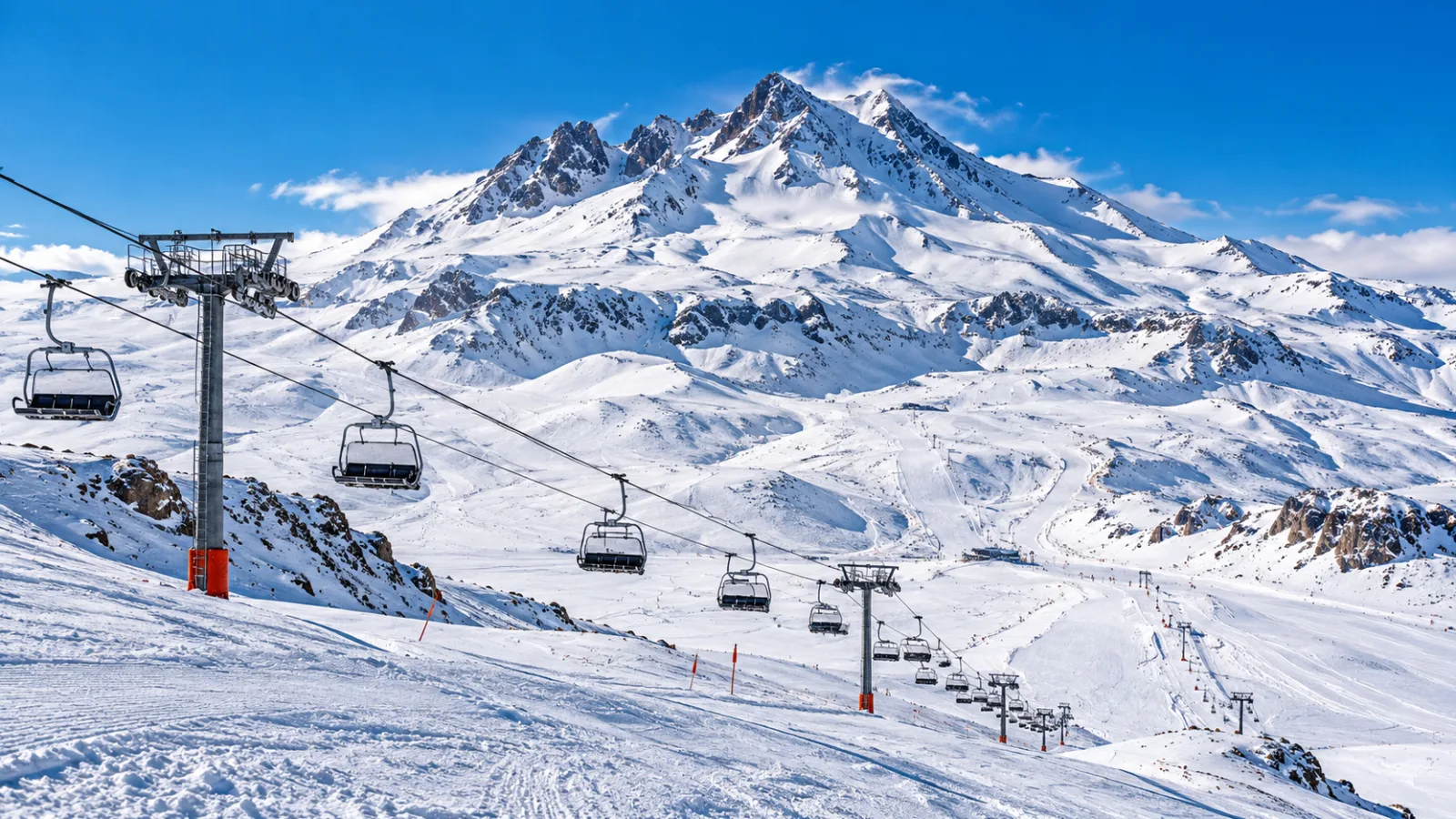
Erciyes is one of Turkey's biggest and highest ski areas, near Kayseri and within reach of Cappadocia — season timing, elevation and what to expect.
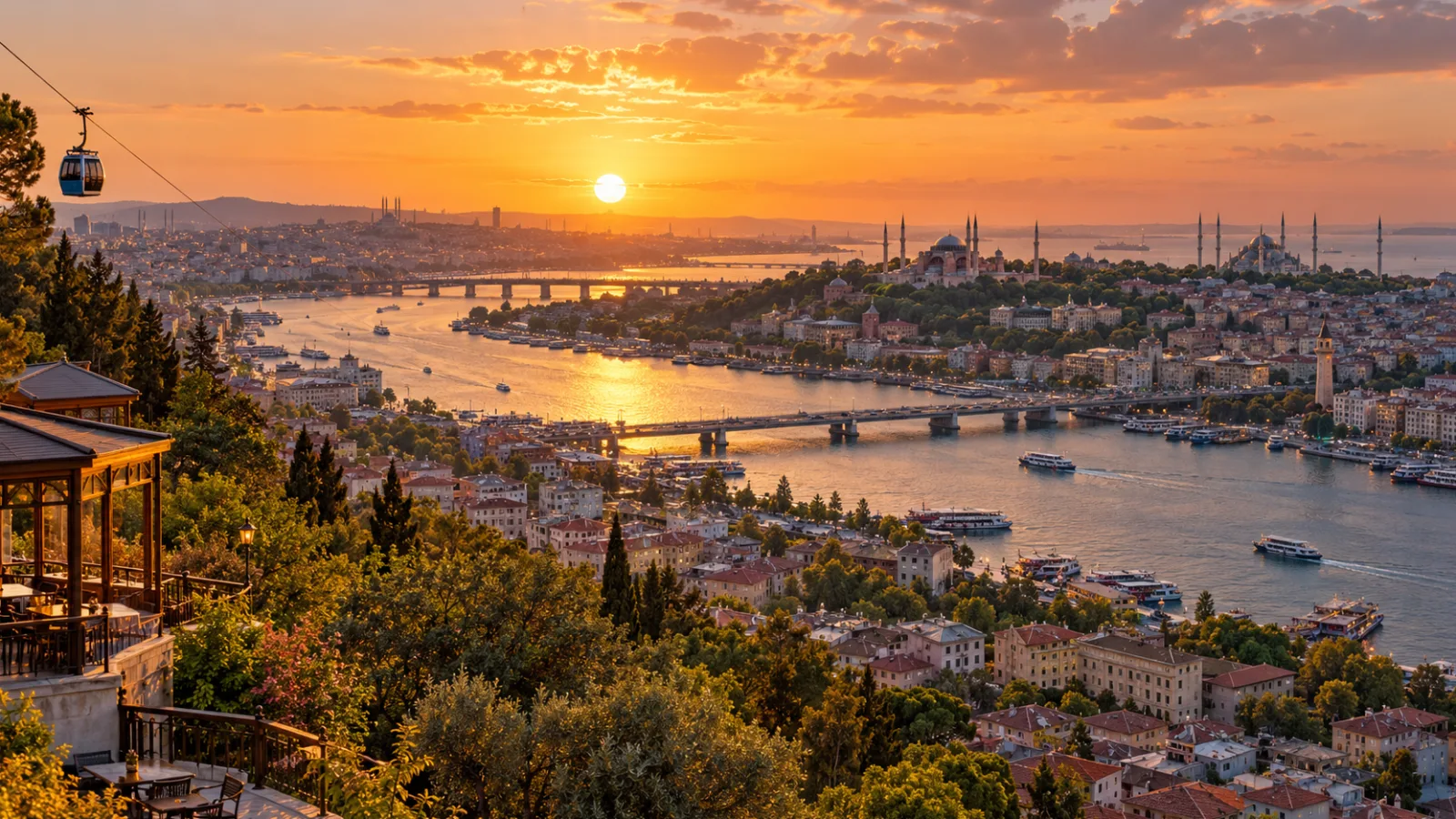
How the Eyup-Pierre Loti cable car actually works, what it costs, and how to pair the mosque, the hilltop view and the historic cemetery into one half-day.
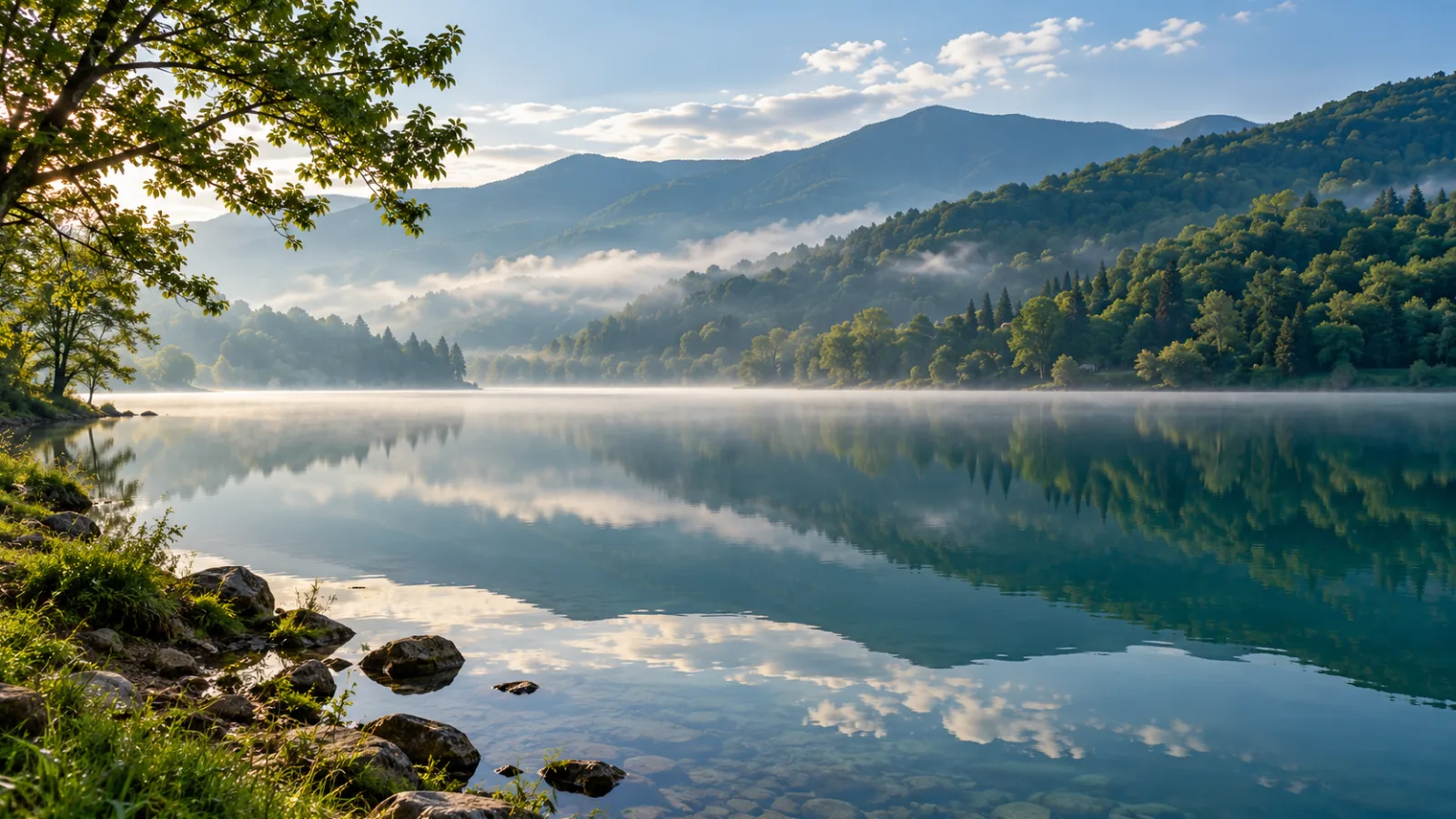
Sapanca's monthly temperatures and rain from official Turkish records, and how this general climate picture differs from a winter-specific Sapanca and Kartepe visit.
Ready to explore Turkey?
Voyago brings together airport transfers, guided tours and car rental to help you plan the perfect trip to Turkey.