
Quick Answer for Gulf Visitors
When is the best time to visit Turkey? For Gulf families the golden equation is April to early June, and September to late October: mild weather across most regions, prices below peak, and calmer crowds. Summer is an excellent choice for Turkey's north only, and winter is ski-and-snow season.
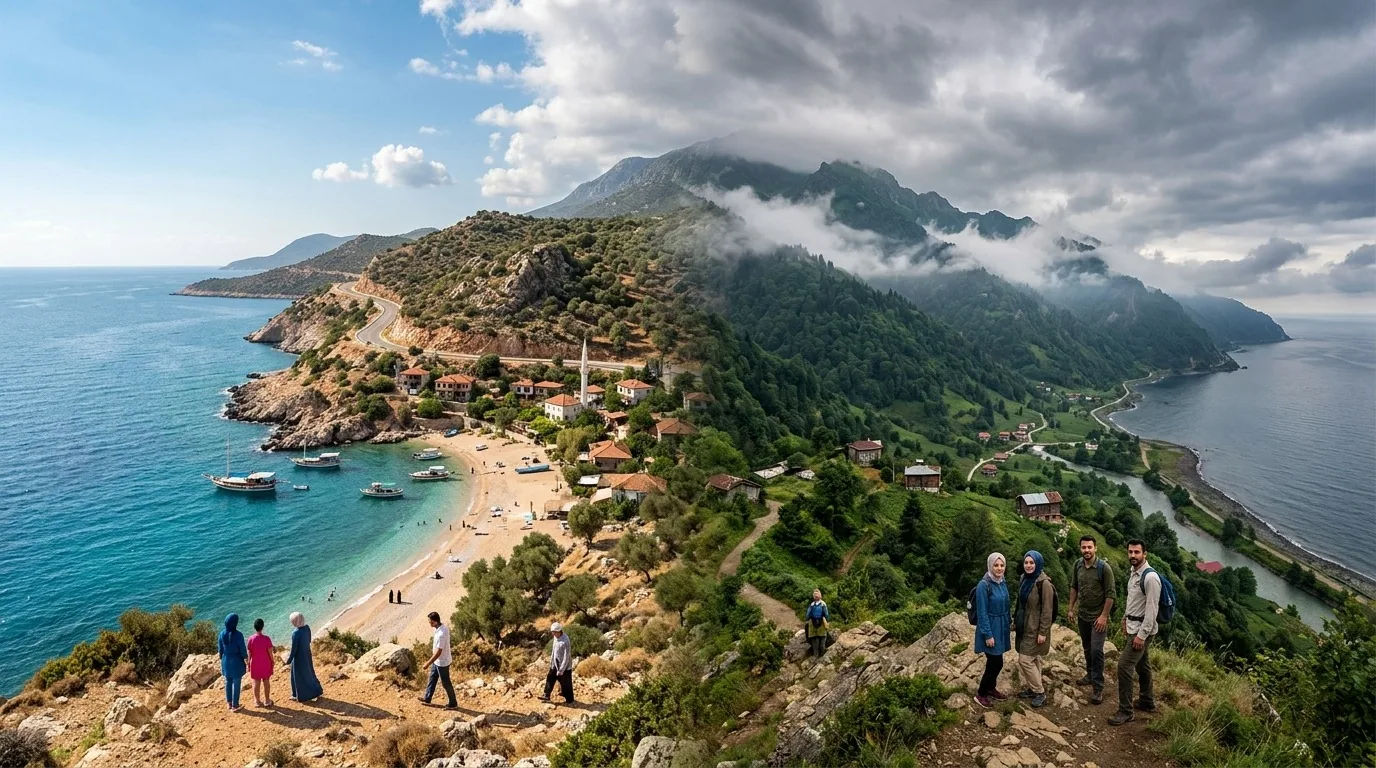
Is Turkey as hot as the Gulf in summer? The southern coast is hot and humid, reaching 33–36, but the nights are noticeably lighter than Gulf nights. Istanbul is milder, and the Turkish north (Trabzon, Uzungol) sits at 22–28 by day — the very essence of heat-escape trips.
Do I need a coat in summer? For Istanbul and the north, a light one for evenings and highlands; the day-night gap across Anatolia and the Black Sea can reach ten degrees, and the mountains are always cooler than the shore.
Comfortable transfers in any weather · Seasonal family tours
Three Climate Zones: Coast, City and North
Before any temperature table, the rule that settles all planning: Turkey is not one climate. The southern Mediterranean coast (Antalya, Fethiye, Alanya) is classic Mediterranean — hot dry summers, warm rainy winters, with a season stretching April to November. The northwestern cities and the interior (Istanbul, Bursa, Ankara, Cappadocia) run a transitional continental pattern: warm summers and genuinely cold, sometimes snowy winters. And the Turkish north on the Black Sea (Trabzon, Rize, Uzungol) is mild and rainy year-round, with a cool green summer and white highland winters.
This variety is the Gulf visitor's blessing: in every month of the year, some Turkish region has exactly the weather you want. The July that weighs Antalya down with humidity turns Trabzon into a green paradise; the January that closes the southern beaches opens Uludag for skiing; and the October that softens Istanbul hands the south a warm sea with far fewer tourists. Plan by season and region together, never by season alone.
And because geography governs this equation, it helps to picture Turkey as climate bands running west to east: the Marmara and Aegean strip, mild and changeable; the Mediterranean strip to the south, hot and dry in summer; the Black Sea strip to the north, green and rainy; and the central Anatolian plateau among them all, with its strong night-time swings. An Istanbul–Cappadocia–Antalya route in April, for instance, passes through three different climates in a single week — hot soup at a cold Cappadocian breakfast and swimming off Antalya the next afternoon. This contrast genuinely happens, so be ready for it.
| Region | Summer | Winter | Best months |
|---|---|---|---|
| Mediterranean south (Antalya) | Hot, humid 30–36 | Mild, rainy 10–16 | April–June, September–October |
| Marmara and Istanbul | Warm, pleasant 27–31 | Cold, rainy 5–10 | April–June, September–November |
| Anatolia and Cappadocia | Hot days, cold nights | Freezing with snow, -5–5 | April–June, September–October |
| Turkish north (Trabzon) | Mild, rainy 22–28 | Cold, damp 5–12 | June–September |
| The mountains (Uludag, Ayder) | Pleasant 15–22 | Snowy -10–0 | December–March for skiing |
The Four Seasons: What to Expect in Each
Spring (April–May) is jasmine season in Istanbul and snowmelt in the north; long days and blooming gardens make it photographers' favourite, with one caveat: scattered showers mean a light umbrella in your bag. Summer (June–August) is peak season in every sense: every hotel open, the sea warm in the south, the north at its greenest — with the counterweight of higher prices, bigger crowds and evenings that only quieten after midnight. Autumn (September–October) is Turkey's best-kept secret: the southern sea stays warm enough for swimming until mid-October, Istanbul returns to its residents, prices slide off the peak, and the golden foliage along the Bosphorus paints a scene to rival any European capital's autumn.
Winter (December–February) is Turkey's other face: snow-dusted Istanbul is a rare postcard scene, streets are calmer, and hotels are at their cheapest outside the two New Year weeks. The ski season in Uludag and the mountain ranges runs at full power, as detailed in the Uludag ski guide. Anyone planning a full winter programme between cities should read the road, bus and rail details in the Turkey transportation guide with winter weather in mind.
The Months in Brief: Fast Decisions
| Month | The practical verdict |
|---|---|
| January | Cheapest month for the cities; full ski season; cold and rainy |
| February | Guaranteed snow in the mountains; Turkish school holidays lift demand slightly |
| March | Istanbul begins to soften; the south quietly opens its season |
| April | Start of the first golden window; Istanbul's tulips and a warming southern sea |
| May | One of the finest months everywhere; pre-peak prices |
| June | Peak conditions before peak crowds; ideal for north and south together |
| July | Full peak; choose the north or accept heat and crowds in the south |
| August | Warmest seas and biggest crowds; early booking essential |
| September | Calm returns; warm sea and lower prices — the seasonal bargain |
| October | Last sea days in the south; Istanbul's enchanting autumn |
| November | Quiet and first rains; suits cities and shopping |
| December | Winter atmosphere and New Year lights; Uludag opens |
For daily monitoring and rain or snow warnings before and during your trip, the official Turkish meteorological service mgm.gov.tr is the most accurate reference at city-and-day level.
Turkish Summer vs Gulf Summer: Which Is Gentler?
The comparison every Gulf family planning July and August cares about. The southern coast's humidity runs high at midday and evening (60–70 percent), but the sea nights bring a 24–28 degree breeze that softens evenings beyond comparison with Gulf nights parked above 35. The Turkish north is a full ten degrees cooler by day than any Gulf capital, but it rains without warning at any moment — always carry a light jacket and a small umbrella. Istanbul sits in between: a dry-ish 30 by day and a pleasant 22–24 evening on the Bosphorus.
The practical summer verdict: two weeks in Trabzon, Uzungol and Ayder, almost air-conditioner-free, is an experience every Gulf traveller deserves at least once; and pairing a northern week with a southern week delivers coolness and sea in a single trip. Anyone heading to the south alone in summer should choose a hotel with a shaded pool and a short airport transfer, because midday there belongs to the hotel and the beach belongs to the late afternoon and evening.
Weather by Trip Type: Beach, City, Nature or Snow?
The question "when should I visit Turkey?" is always incomplete; the right question is "when should I visit for my specific purpose?" A beach and coast trip wants guaranteed warm water and sun, with a golden window from mid-June to mid-September in the south, while May and October offer a acceptable sea for those unbothered by the first chill. A city, museum and shopping trip in Istanbul and Bursa hates heat and crowds together, so its best windows are March–May and September–November, when walking distances stays comfortable. A nature and greenery trip in the north wants full summer: June–September, when the plateaus are green, the roads open and the villages alive. And a snow and ski trip is frank winter: December–March, with the guarantee peak in January–February.
| Trip type | Ideal months | Acceptable months | Avoid |
|---|---|---|---|
| Beach and coast | June–September | May, October | November–March |
| Cities, museums, shopping | April–May, September–October | March, November | July–August for crowds |
| Northern nature | June–September | May, October | November–April for roads |
| Ski and snow | January–February | December, March | All summer |
| North-and-south mix | June, September | May, October | Deep winter |
Common Mistakes in Reading Turkey's Weather
Mistake one: judging all of Turkey by one city's weather. Asking for "Turkey's July temperature" as a single number hides a ten-degree gap between Antalya and Trabzon on the same day. Mistake two: reading daytime highs and ignoring nights; a family that packs only for summer gets surprised by cold Cappadocian and Trabzon evenings. Mistake three: overlooking humidity; a dry 32 in Cappadocia is far easier than a humid 32 on the Antalya coast.
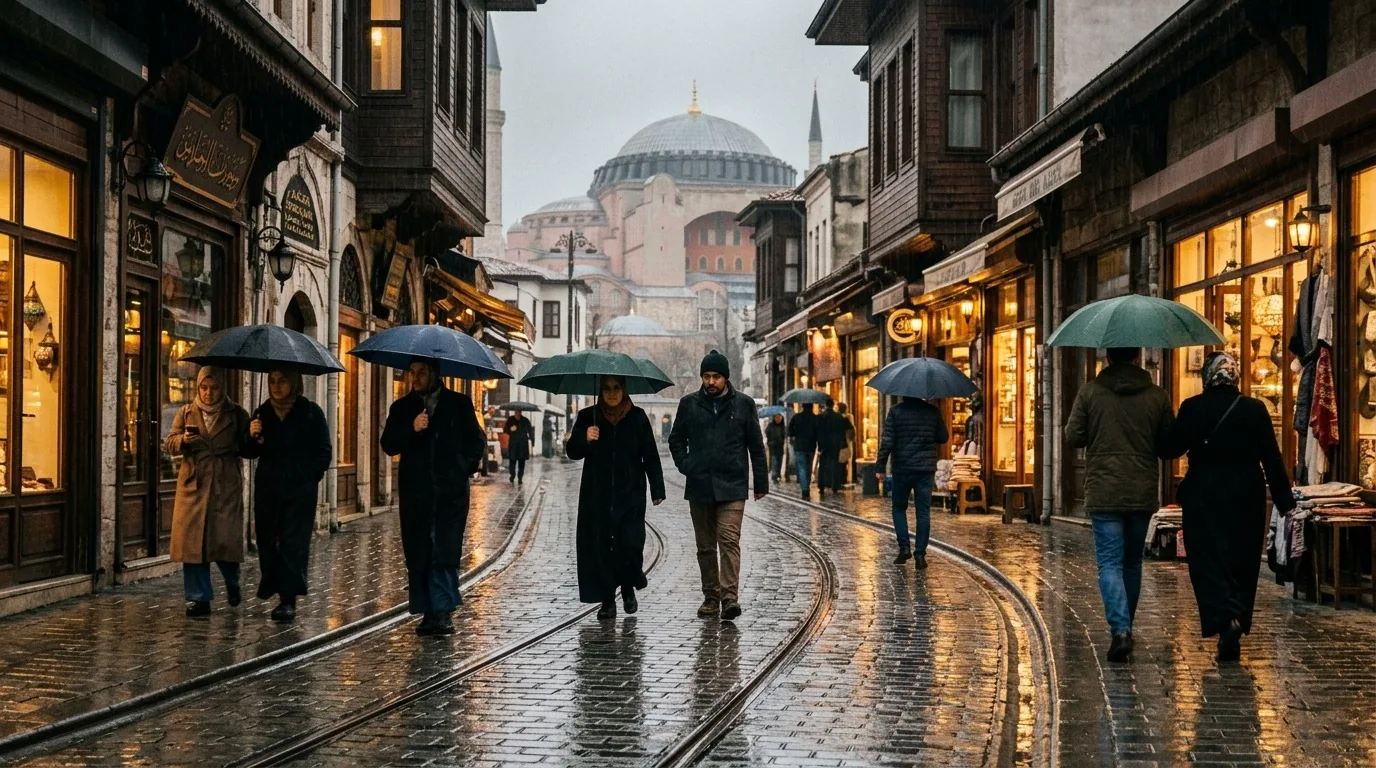
Mistake four: trusting a two-week forecast made two weeks out; accurate forecasts only reach three to five days, so follow the official service in the final days and pack accordingly. Mistake five: forgetting that peak season manufactures its own "human weather" — longer queues in the heat, full hotels in the rain; a calmer month with good weather always delivers a lovelier trip than a crowded month with perfect weather. Finally, do not let weather alone judge the journey: rain in Istanbul is a hammam-and-bazaar opportunity, and snow in Cappadocia is the most beautiful balloon backdrop of all.
Packing by Season: A Compact List
| Season | Essentials | Do not forget |
|---|---|---|
| Spring | Light layers, a light jacket | Small umbrella, sun cream |
| Summer | Light cotton, hats, sunglasses | Light jacket for the north and evenings, comfortable walking shoes |
| Autumn | Mid layers, a light coat | Umbrella, rain shoes for the north |
| Winter | Heavy coat, woollens, gloves | Waterproof shoes, thermal layers for the mountains |
Istanbul's golden rule for all seasons: two light layers beat one heavy coat; museum and bazaar interiors are warm while the outside shifts. For families with children: a small raincoat per child weighs nothing and rescues an entire day.
Quick Average Figures: Cities Gulf Travellers Choose
| City | Spring mild | Summer peak | Autumn pleasant | Winter cold |
|---|---|---|---|---|
| Istanbul | 15–20 | 27–31 | 15–20 | 5–10 |
| Antalya | 20–25 | 32–36 | 22–27 | 10–16 |
| Trabzon | 14–18 | 25–28 | 16–20 | 7–12 |
| Bursa | 15–20 | 28–32 | 15–20 | 3–9 |
| Cappadocia | 13–18 | 28–32 | 13–18 | -2–5 |
How to read the table: these are daytime averages, and nights fall 6–10 degrees below them in every inland city. Cappadocia is specifically the city of swings: its summer days are hot while its nights want a jacket, and its winters are the coldest among the major tourist destinations.
Practical Info for Gulf Visitors
| Item | Details |
|---|---|
| Most expensive season | July–August and New Year week |
| Cheapest season | January, March and November |
| Northern rain pattern | Sudden short showers almost year-round |
| Entry documents by weather-proofing | Full details in the Turkey visa-free guide |
| Most accurate weather source | The official Turkish meteorological service |
| Winter mountain bookings | Early, for the February Turkish holidays |
| Changeable-weather trips | Check road conditions before every winter leg |
FAQ (12 Questions)
- What is Turkey's coldest month? January generally; the interior falls below zero at night and Istanbul sits at 5–10 by day, with the southern coast the warmest region, and February close behind with the Turkish school holidays.
- What is the warmest month? August across most regions, with July close; the south touches 36 while the north rarely exceeds 28, and the sea is at its warmest.
- Does it snow in Istanbul? It happens once or twice most winters and the city turns into a postcard; stable, deep snow belongs to Uludag and inner Anatolia.
- When is Antalya's sea warm enough for swimming? From late May to mid-October roughly; warmest in August and early September, with May acceptable for those who enjoy the first freshness.
- Does it rain a lot in Trabzon? Yes, year-round, in short recurring bursts; do not cancel your trip — carry an umbrella and enjoy the greenery the rain creates, since most showers pass quickly.
- What is the best month for a first family trip? May or September: near-ideal weather in most regions, fair prices, and smaller crowds, and both suit a city-and-sea programme together.
- Does Istanbul's summer need air conditioning? Most hotels have it and the real need comes in short heatwaves; Bosphorus evenings are almost always pleasant at 22–24.
- How should I dress my children on a spring trip? In layers: cotton by day and a jacket by evening; plus a small raincoat per child to rescue a full day, and a hat for little heads in both sun and chill.
- Are the mountains cold in summer? Yes, at night; highlands like Uludag and Ayder can drop to 8–12 at night even in August, so a jacket is essential for every family member.
- What is the cheapest season with good weather? October and November in the south, and April in Istanbul: an excellent weather-price balance with wider hotel availability.
- Does snow disrupt transport? Rarely in the major cities; mountain roads are regulated by winter-tyre rules and may close briefly in storms, so check road conditions before every winter leg.
- What about Cappadocia's balloon weather? Flights cancel for wind, not cold; spring and autumn mornings offer the best flying odds, so book two buffer days since a single-day cancellation happens in every season.
Conclusion
Turkey's weather in 2026 is a map, not a single number: a Mediterranean south with a long season, mild cities in spring and autumn, a cool green north in summer, and snowy mountains in winter. For the Gulf family the rule is simple: escape July into the north or accept it in the south with early booking and a pool; choose April–June and September–October for the finest balance; and always account for the day-night gap in your packing. Wherever you choose, follow the official forecasts in the week before you fly and you will land in Turkey on one of its beautiful days.
Sources
- Turkish State Meteorological Service — daily forecasts and warnings for every city and region.
- Go Türkiye — the official guide to seasons and climate-driven events.
- Turkish government gateway — official services and travel guidance.
- Travel to Turkey guide — trip planning alongside weather and seasons.
Related travel guides
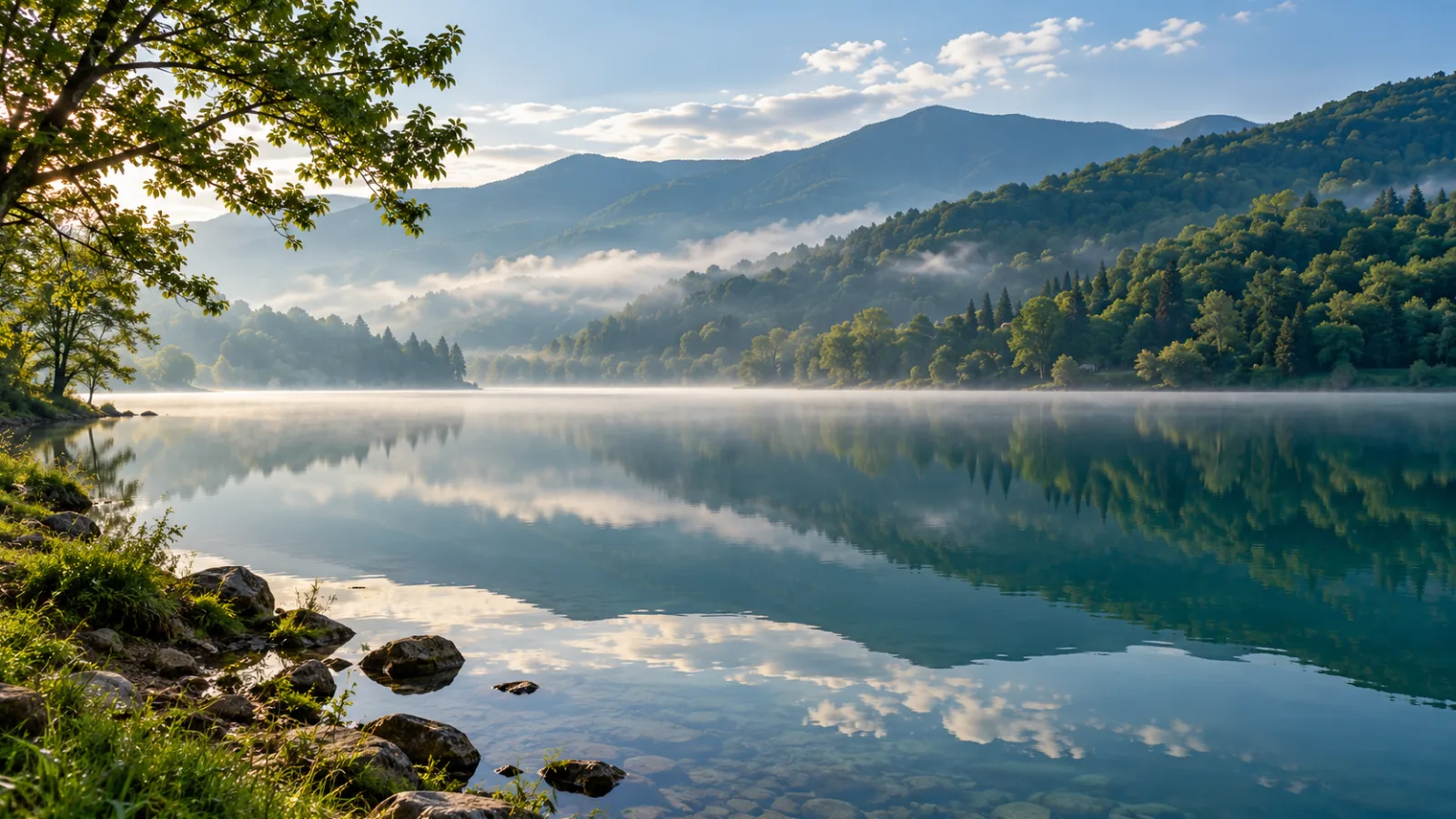
Sapanca's monthly temperatures and rain from official Turkish records, and how this general climate picture differs from a winter-specific Sapanca and Kartepe visit.
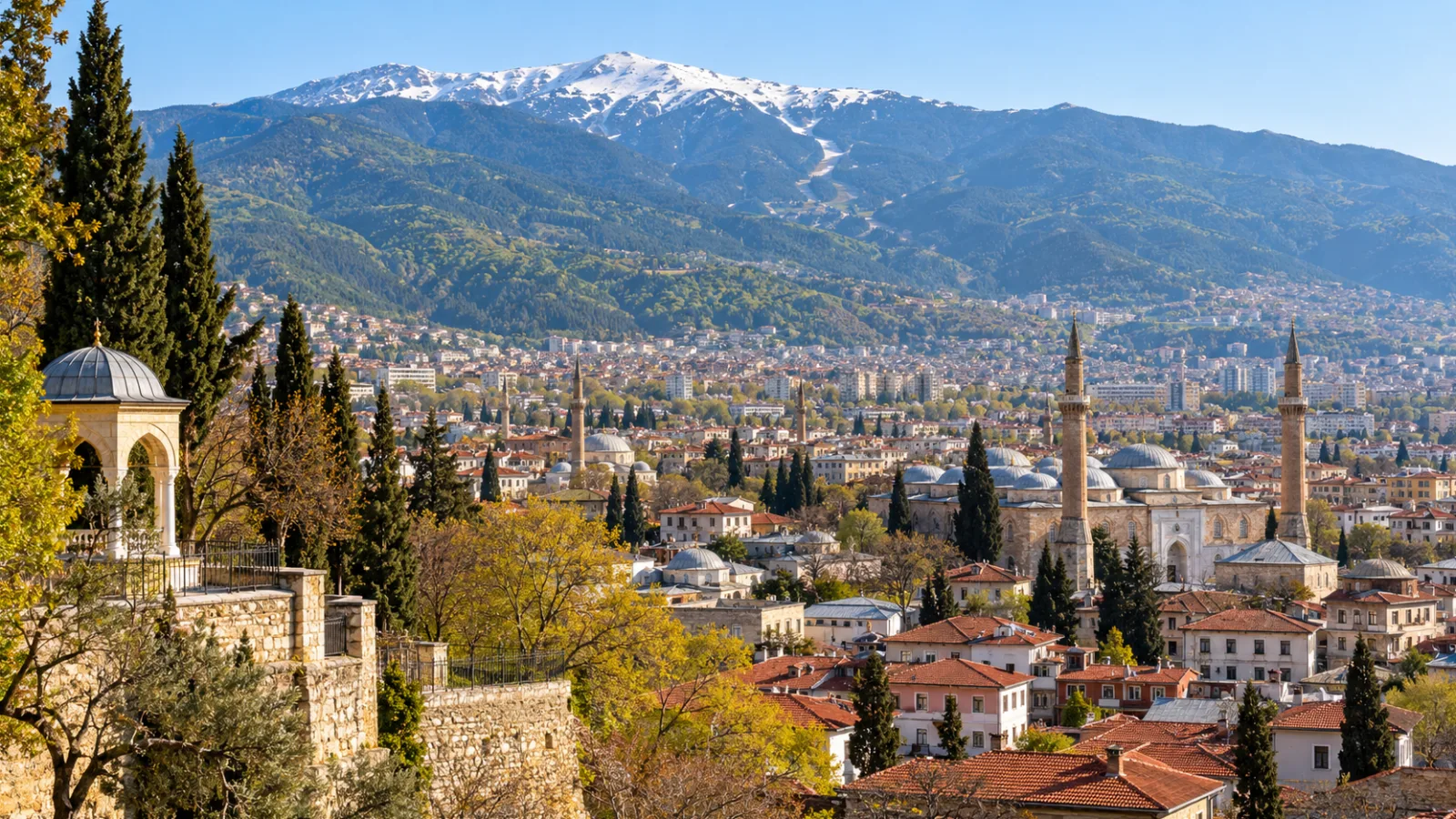
Bursa's monthly temperatures and rain from official Turkish records, plus how the weather changes once you head up Uludağ by cable car.
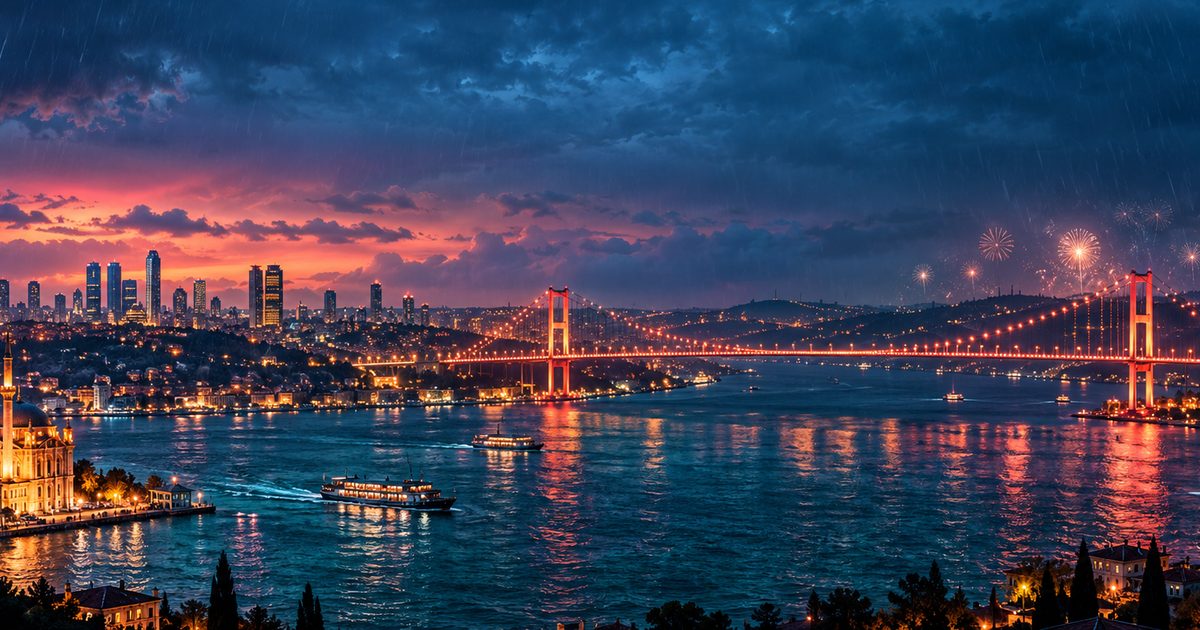
Istanbul in December: about 11–12°C by day, 5–6°C at night, rain on 13–15 days, sunset around 5:40 pm. Live forecast, what to wear, New Year, Uludağ.
Ready to explore Turkey?
Voyago brings together airport transfers, guided tours and car rental to help you plan the perfect trip to Turkey.